industrial booth
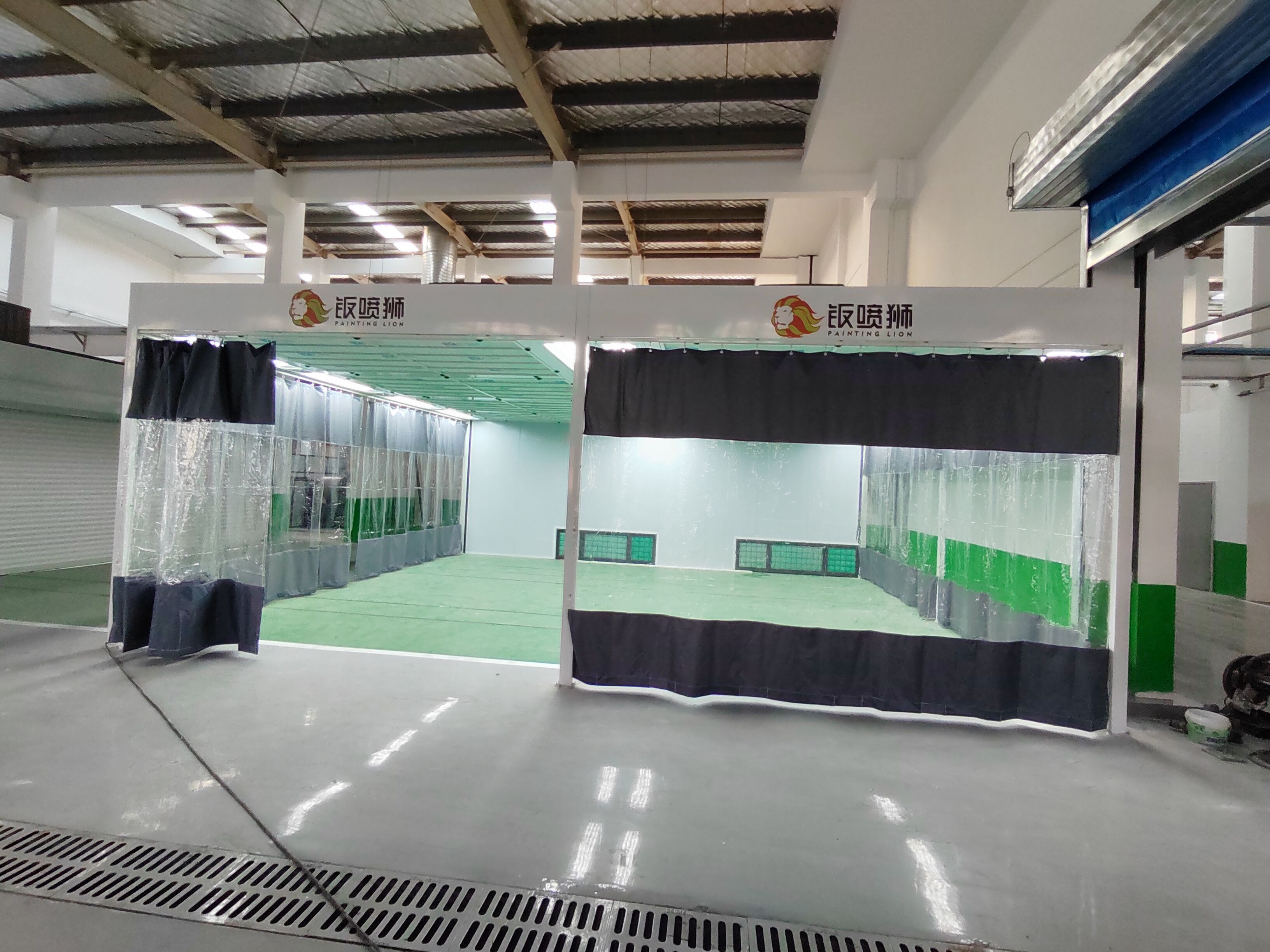
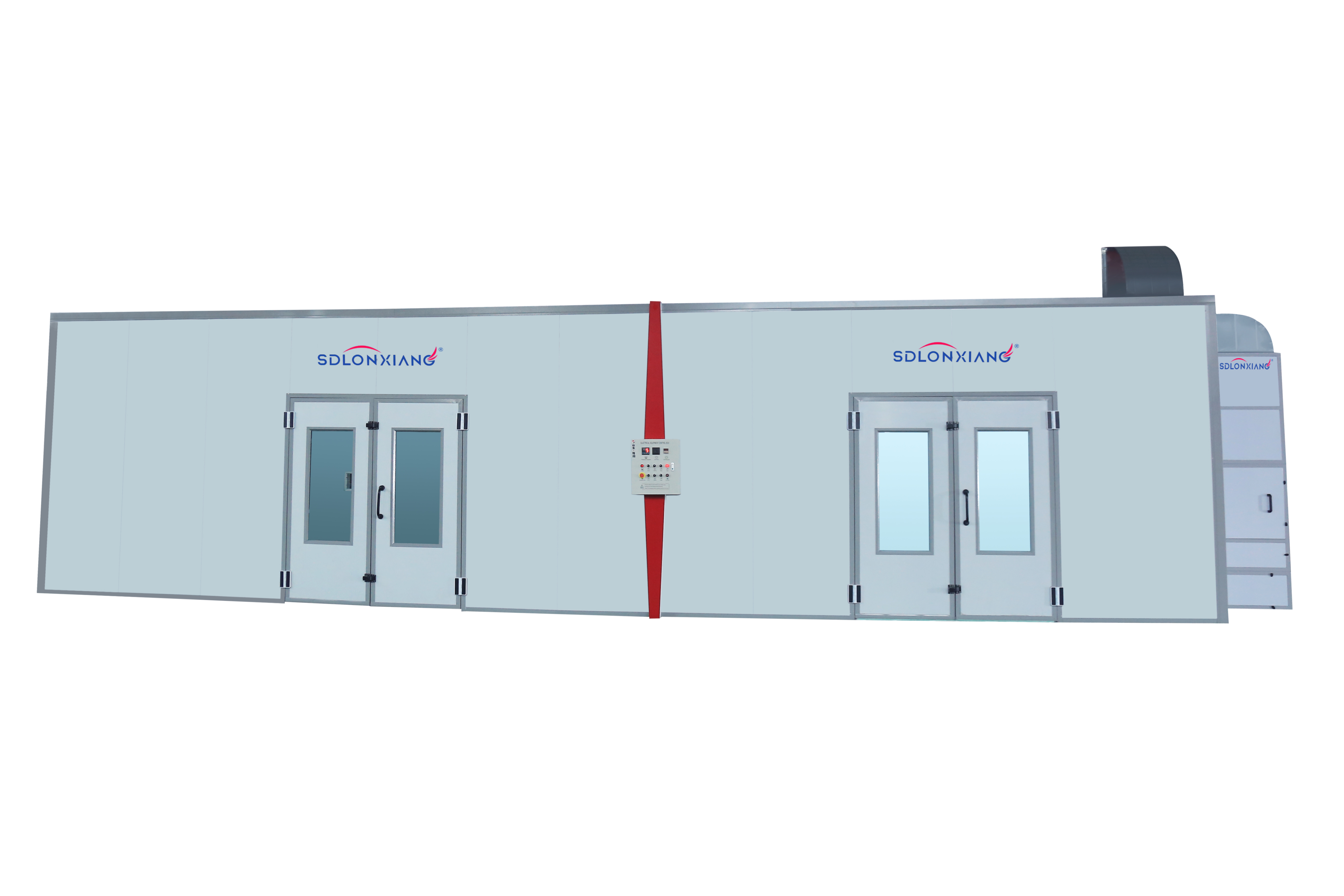
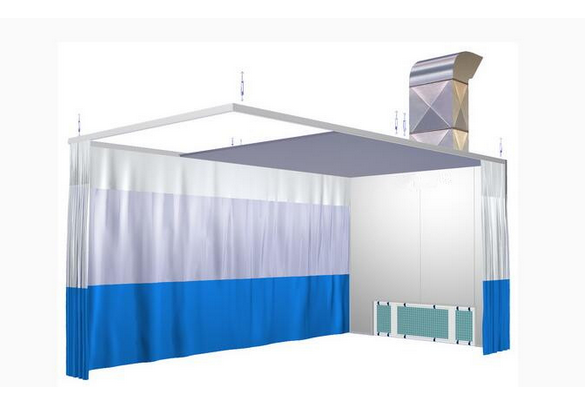
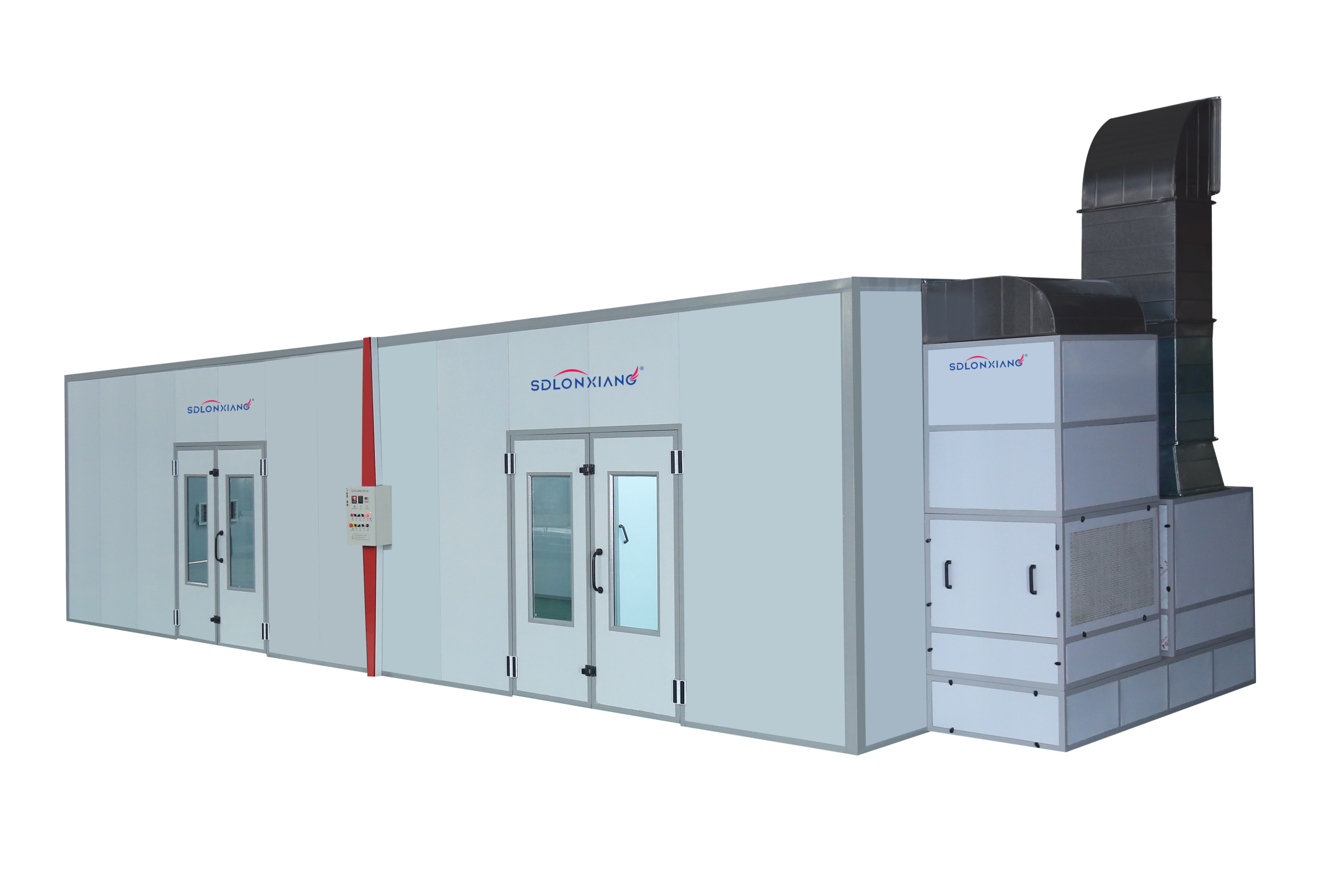
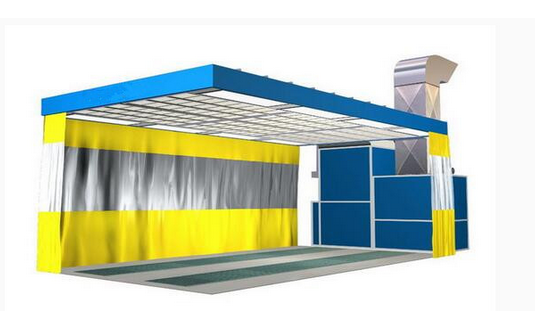
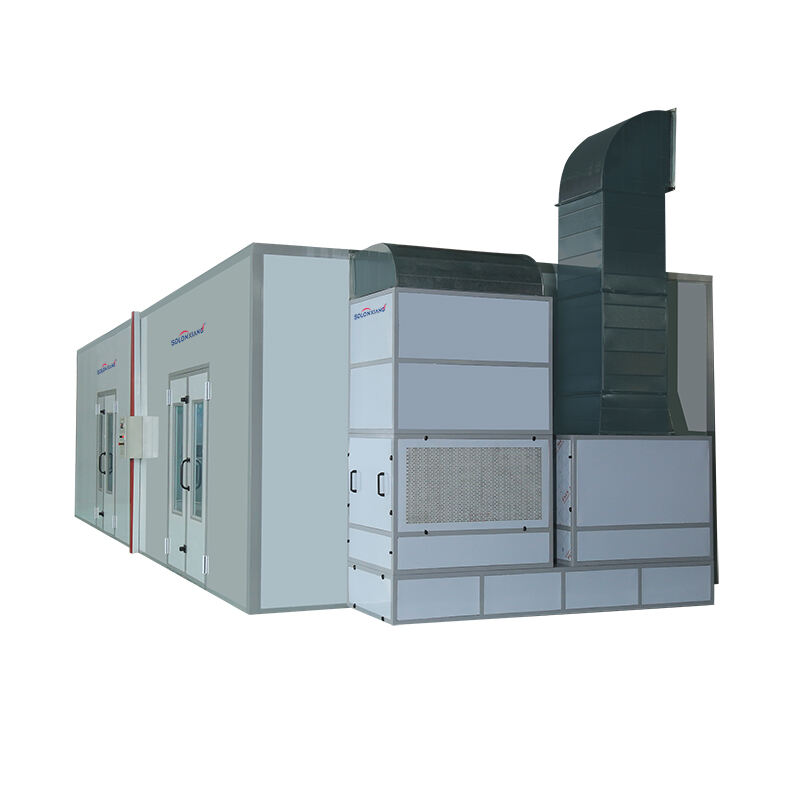
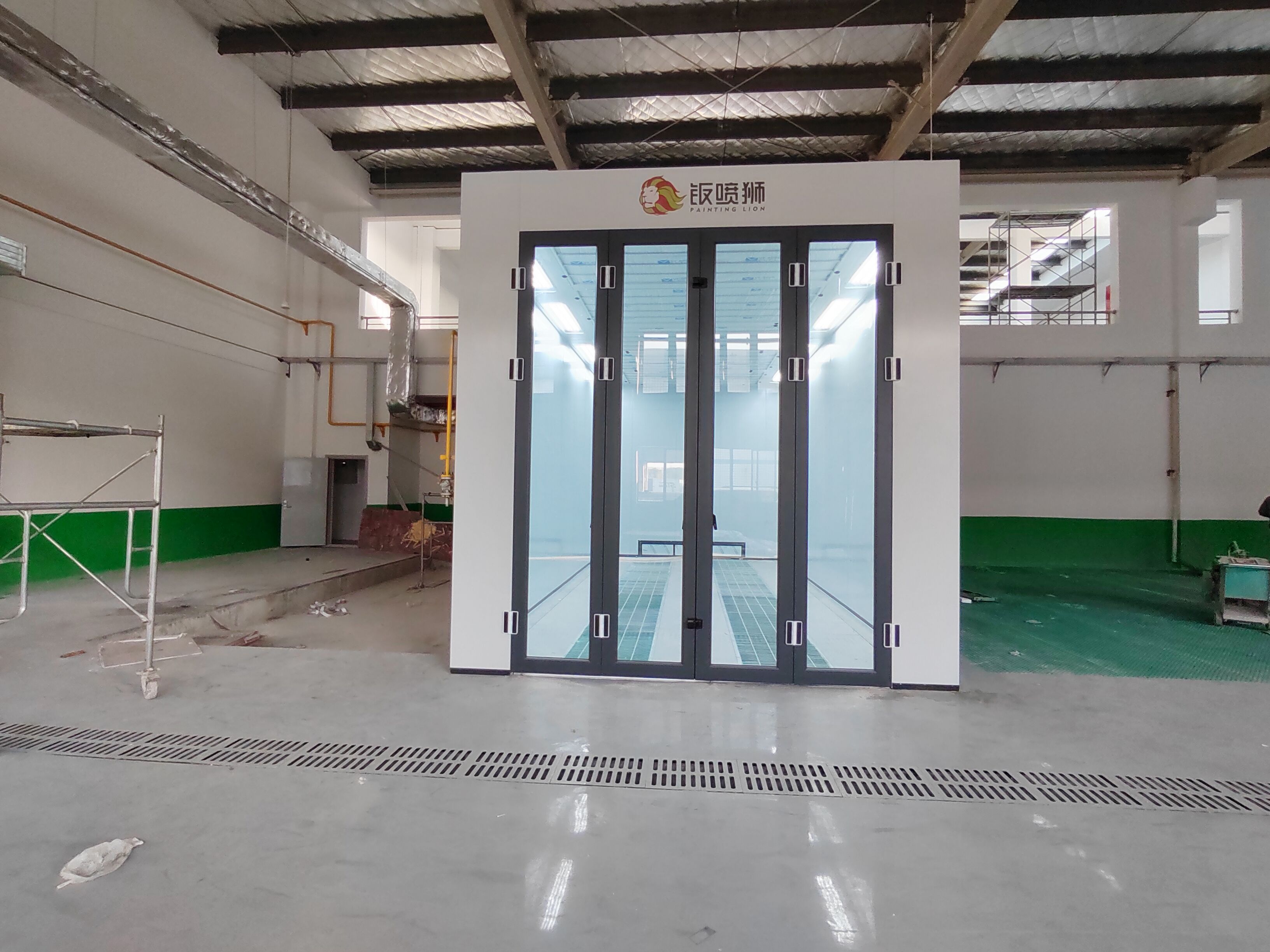
The industrial booth represents a revolutionary advancement in manufacturing and production environments, serving as a self-contained workspace designed to optimize efficiency, safety, and productivity across various industrial applications. This sophisticated enclosure system functions as a controlled environment that isolates specific processes while maintaining seamless integration with broader production workflows. Modern industrial booth configurations incorporate advanced ventilation systems, noise reduction technologies, and customizable layouts that adapt to diverse operational requirements. The primary functions of an industrial booth encompass process containment, environmental control, operator protection, and quality assurance throughout manufacturing cycles. These versatile structures accommodate multiple industrial processes including spray finishing, welding operations, assembly procedures, testing protocols, and material handling activities. Technological features integrated within contemporary industrial booth designs include automated climate control systems, advanced filtration mechanisms, digital monitoring interfaces, and smart connectivity capabilities that enable remote supervision and data collection. The booth construction typically utilizes high-grade materials such as galvanized steel frameworks, impact-resistant panels, and specialized coatings that ensure long-term durability and chemical resistance. Applications for industrial booth installations span across automotive manufacturing, aerospace production, pharmaceutical processing, electronics assembly, food processing facilities, and chemical manufacturing operations. Each industrial booth can be engineered with specific configurations to meet industry standards and regulatory compliance requirements. The modular design approach allows for scalable implementations that grow with business needs while maintaining consistent performance parameters. Advanced lighting systems within the industrial booth ensure optimal visibility for precision work, while ergonomic considerations promote operator comfort and reduce fatigue during extended operational periods. Integration capabilities enable seamless connection with existing production management systems, material handling equipment, and quality control networks.

 EN
EN