Advanced Filtration Technology for Superior Paint Quality
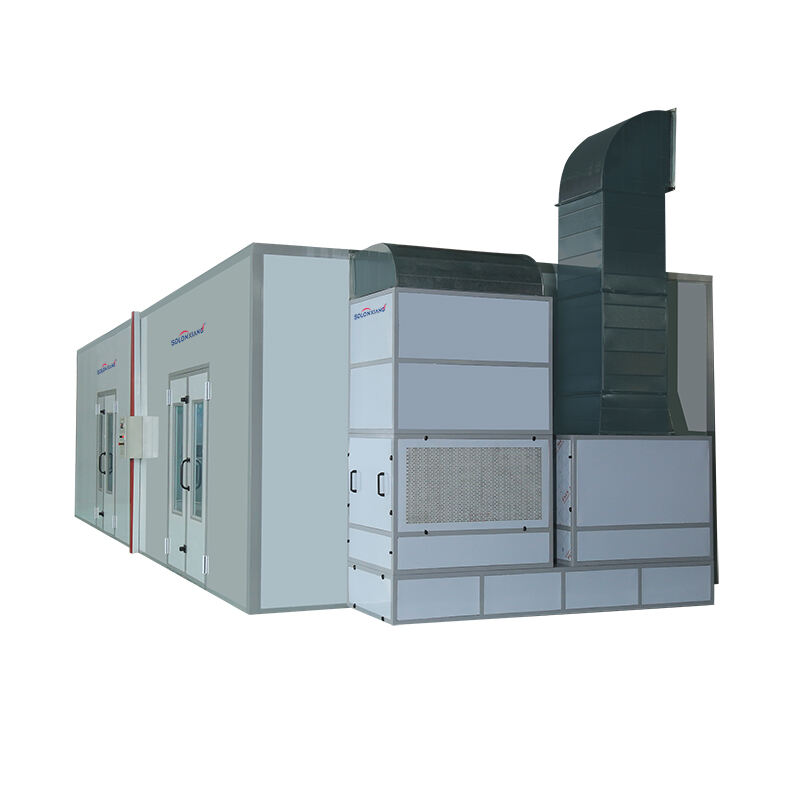
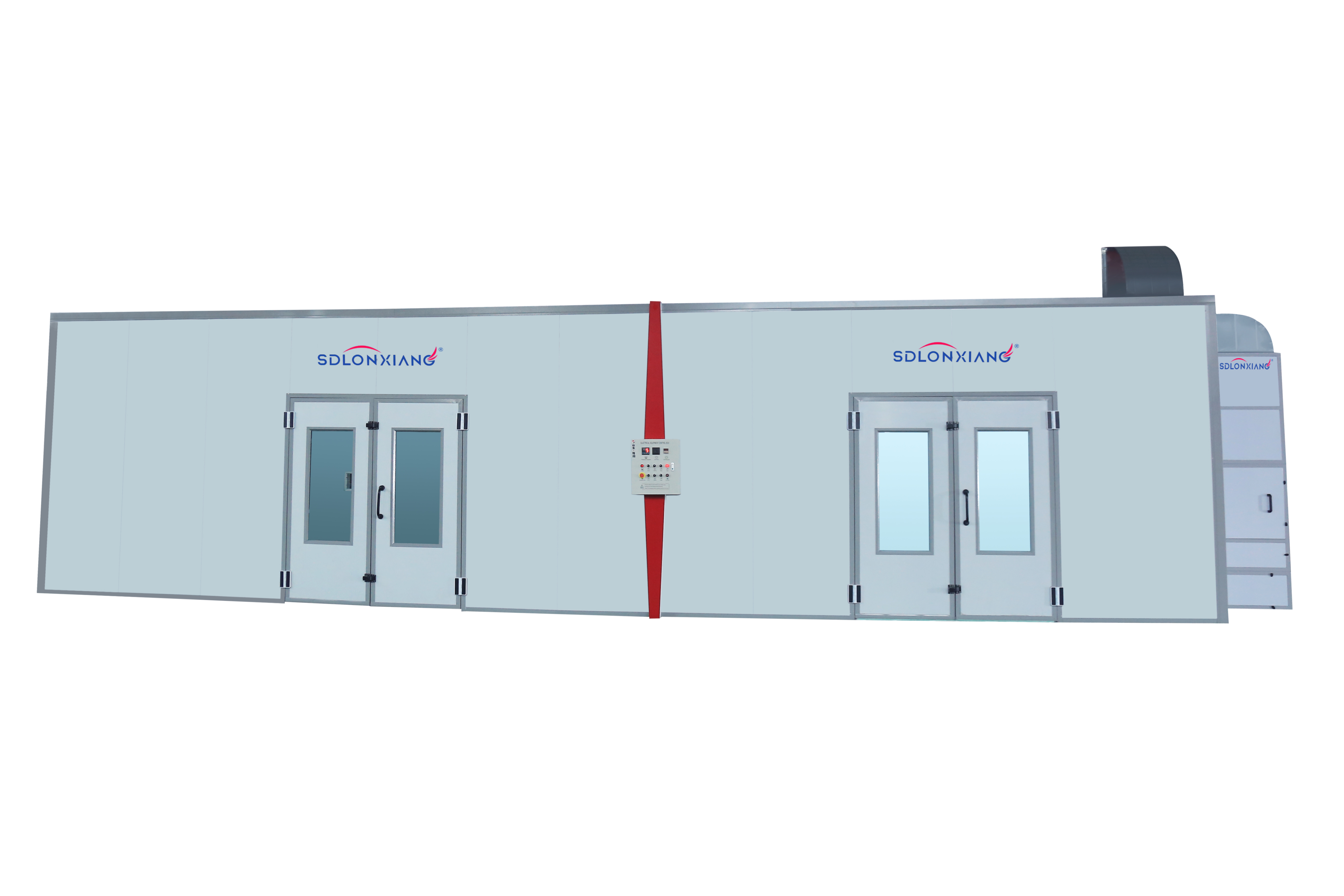
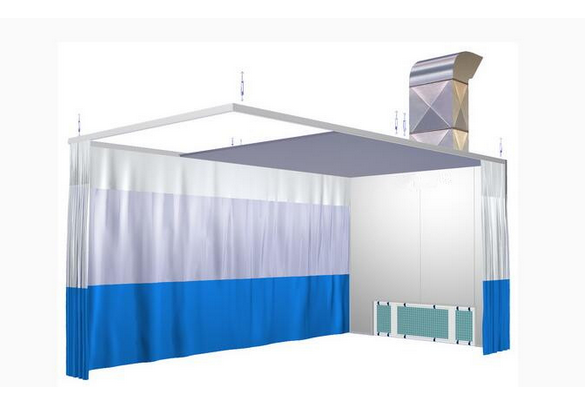
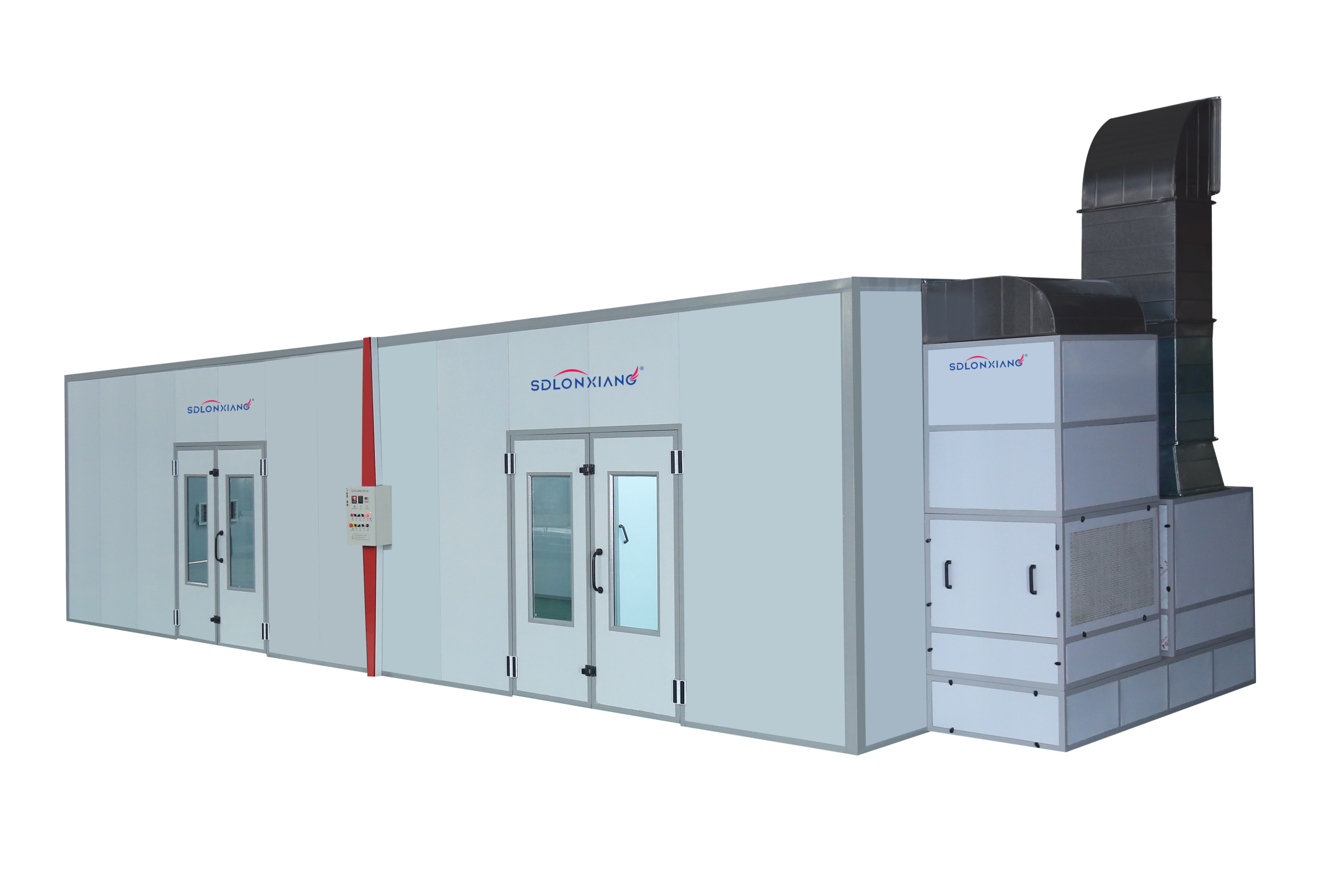
The sophisticated filtration system represents the cornerstone of every high-performance car spray booth, delivering unmatched paint quality through multi-layered contamination control. This advanced technology employs a comprehensive three-stage filtration process that begins with coarse pre-filters designed to capture large particles and debris before they enter the main workspace. The primary filtration stage utilizes high-efficiency arrestor filters that remove medium-sized contaminants, while the final stage incorporates precision ceiling filters that eliminate microscopic particles down to 0.3 microns in size. This meticulous filtration approach ensures that the air circulating within the car spray booth maintains exceptional purity levels, preventing dust, pollen, and other airborne contaminants from settling on wet paint surfaces. The filtration system operates continuously during painting operations, maintaining positive air pressure that prevents external contaminants from infiltrating the workspace. Regular filter replacement schedules ensure consistent performance, with indicator systems alerting operators when maintenance is required. The strategic placement of intake filters creates uniform air distribution throughout the car spray booth, eliminating dead zones where contaminants might accumulate. This technology significantly reduces common paint defects such as dirt nibs, orange peel texture, and color inconsistencies that plague traditional painting environments. Professional automotive refinishers recognize that the filtration system directly impacts their reputation and profitability, as superior paint finishes command premium pricing and generate customer loyalty. The investment in advanced filtration technology pays dividends through reduced rework costs, improved customer satisfaction, and enhanced shop efficiency. Modern car spray booth filtration systems also contribute to environmental protection by capturing overspray particles and preventing their release into the atmosphere, demonstrating corporate responsibility while meeting regulatory requirements.

 EN
EN