
 EN
EN
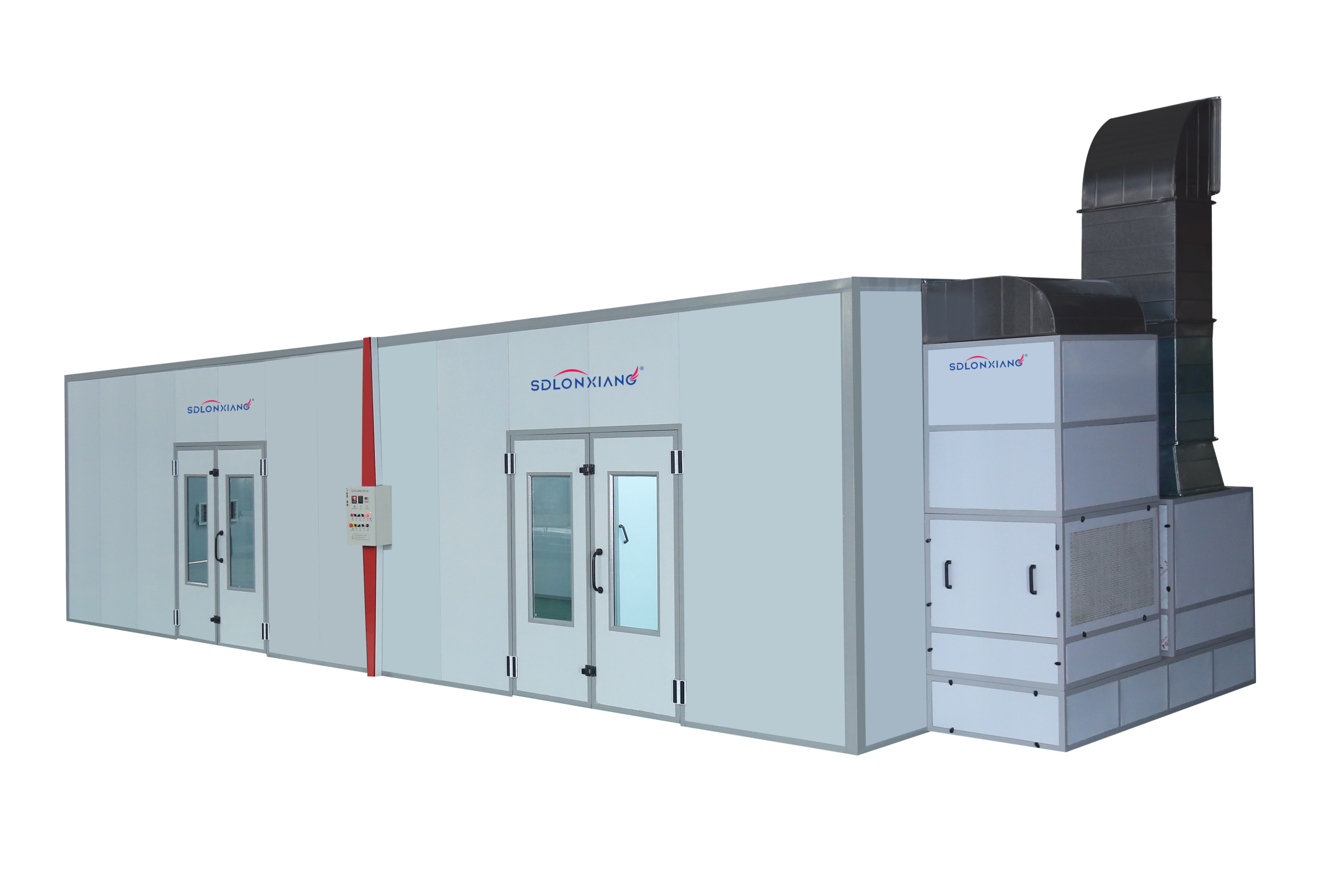
Maintaining a furniture spray booth requires systematic attention to ensure consistent performance, product quality, and operational safety. Professional furniture finishing operations depend on well-maintained equipment to deliver superior results while meeting environmental and safety standards. A comprehensive maintenance schedule forms the backbone of any successful furniture spray booth operation, preventing costly downtime and ensuring optimal paint application conditions.
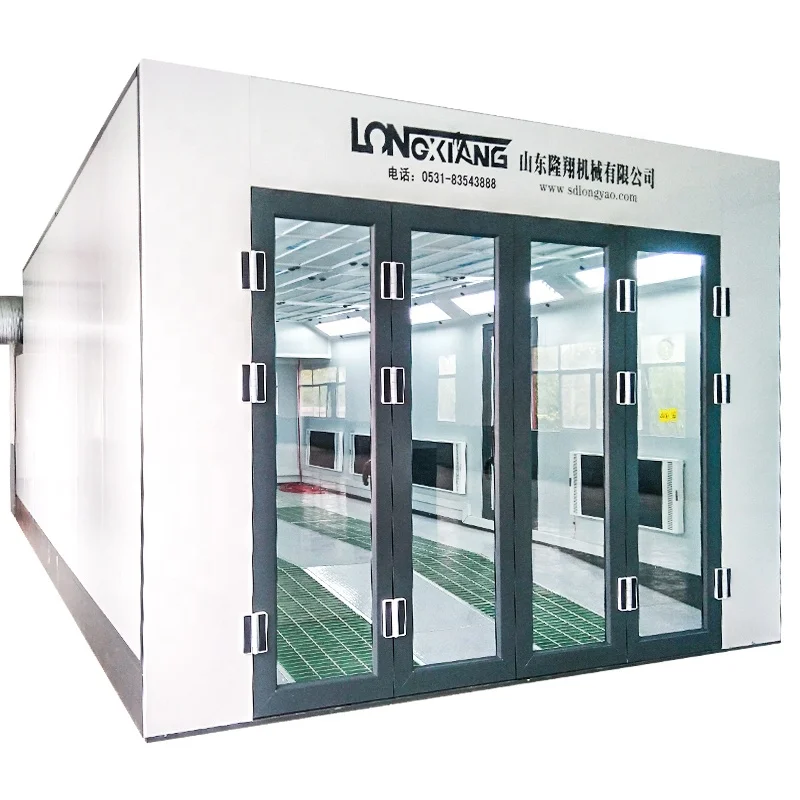
Essential Daily Maintenance Tasks
Pre-Operation Inspection Procedures
Beginning each workday with thorough pre-operation inspections establishes the foundation for reliable furniture spray booth performance. Technicians should examine all visible components for signs of wear, damage, or contamination that could affect spray quality. Visual inspections of filters, lighting systems, and exhaust components help identify potential issues before they impact production schedules. Documentation of daily findings creates valuable maintenance records that support long-term equipment reliability strategies.
Temperature and humidity monitoring represents another critical daily task that directly influences finish quality outcomes. Recording environmental conditions helps operators maintain consistent application parameters while identifying patterns that may require adjustments. Proper documentation enables predictive maintenance approaches that minimize unexpected equipment failures and production interruptions.
Filter System Monitoring
Daily filter assessments ensure optimal air quality and ventilation performance throughout furniture finishing operations. Intake filters require visual inspection for loading levels, while exhaust filters need evaluation for proper sealing and structural integrity. Regular monitoring prevents filter bypass situations that could compromise air quality standards or create safety hazards within the workspace environment.
Differential pressure readings across filter banks provide quantitative data about system performance and loading conditions. Establishing baseline measurements enables operators to track gradual changes that indicate approaching replacement intervals. This proactive approach prevents sudden system failures while maintaining consistent air flow patterns essential for quality finish applications.
Weekly Maintenance Requirements
Comprehensive Cleaning Protocols
Weekly deep cleaning sessions maintain optimal conditions within the furniture spray booth environment while preventing contamination buildup that affects finish quality. Walls, floors, and equipment surfaces require thorough cleaning using appropriate solvents and techniques that remove overspray residue without damaging booth components. Systematic cleaning approaches ensure complete coverage while maintaining safety standards throughout the process.
Light fixture maintenance during weekly cleaning sessions preserves optimal illumination levels essential for quality control and operator safety. Cleaning light covers and replacing burned-out bulbs maintains consistent lighting conditions that enable accurate color matching and defect detection. Regular attention to lighting systems prevents gradual degradation that could compromise finishing quality standards.
Mechanical System Inspections
Weekly mechanical inspections focus on moving components that experience regular wear during normal operations. Fan systems, motors, and drive mechanisms require attention to lubrication levels, belt tension, and bearing condition. Early detection of mechanical issues prevents catastrophic failures while maintaining system reliability throughout demanding production schedules.
Exhaust system components deserve particular attention during weekly maintenance activities due to their critical role in maintaining safe working conditions. Ductwork inspections identify potential blockages or structural issues while fan housing examinations reveal wear patterns that indicate approaching maintenance needs. Proactive mechanical maintenance extends equipment life while ensuring consistent performance parameters.
Monthly Comprehensive Maintenance
Filter Replacement and Air Flow Verification
Monthly filter replacement schedules maintain optimal air quality while ensuring consistent ventilation performance throughout furniture finishing operations. Systematic replacement of intake and exhaust filters prevents excessive loading that reduces air flow capacity and compromises environmental conditions. Professional-grade filters designed for furniture spray booth applications provide superior performance while meeting regulatory requirements.
Air flow verification testing following filter replacement confirms proper system operation and identifies potential issues requiring attention. Velocity measurements at various booth locations ensure uniform air distribution patterns essential for consistent finish quality. Regular air flow testing documentation supports regulatory compliance while providing valuable performance data for optimization purposes.
Electrical System Maintenance
Monthly electrical system inspections address critical safety and performance components that require specialized attention. Control panel examinations identify loose connections, worn contacts, or component degradation that could affect system reliability. Professional electrical maintenance prevents unexpected failures while ensuring compliance with safety standards governing furniture spray booth operations.
Motor and fan electrical connections require monthly attention to prevent problems that could disrupt production schedules. Checking termination integrity, insulation condition, and grounding systems maintains electrical safety while supporting reliable equipment operation. Regular electrical maintenance contributes significantly to overall system reliability and worker safety objectives.
Seasonal and Annual Maintenance
Major Component Overhaul
Annual maintenance schedules include major component overhauls that address wear items requiring periodic replacement or rebuilding. Fan systems, motor assemblies, and drive mechanisms benefit from comprehensive inspections that identify components approaching end-of-life conditions. Scheduled overhauls prevent unexpected failures while maintaining optimal performance characteristics throughout extended service intervals.
Structural inspections during annual maintenance activities ensure booth integrity while identifying potential safety concerns requiring attention. Examining booth construction elements, door seals, and mounting systems maintains safe operating conditions while supporting regulatory compliance objectives. Comprehensive structural assessments contribute to long-term reliability while protecting valuable finishing equipment investments.
Calibration and Performance Testing
Annual calibration procedures ensure measurement systems provide accurate data for operational decision-making purposes. Temperature sensors, pressure monitoring devices, and air flow measurement equipment require periodic calibration to maintain accuracy standards. Professional calibration services provide certified results that support quality management systems while ensuring regulatory compliance.
Performance testing protocols evaluate overall furniture spray booth operation against established benchmarks and manufacturer specifications. Comprehensive testing identifies system degradation trends while validating maintenance effectiveness over extended periods. Annual performance assessments guide strategic maintenance planning while supporting equipment optimization initiatives.
Troubleshooting Common Issues
Air Flow Problems
Air flow irregularities represent common challenges in furniture spray booth operations that require systematic diagnostic approaches. Reduced air velocity often indicates filter loading, fan problems, or ductwork restrictions requiring immediate attention. Understanding air flow principles enables operators to quickly identify root causes while implementing appropriate corrective measures that restore proper ventilation performance.
Cross-draft conditions within the booth environment can compromise finish quality while creating operator discomfort during extended work periods. Identifying air leakage sources, door seal problems, or external influences helps resolve cross-draft issues that affect spray patterns and particle containment. Proper air flow management ensures consistent finishing conditions while maintaining regulatory compliance standards.
Temperature Control Challenges
Temperature variations within furniture spray booth environments affect finish quality outcomes while influencing material application characteristics. Heating system problems, insulation issues, or external temperature influences require careful evaluation to maintain optimal finishing conditions. Understanding temperature control principles enables effective troubleshooting while supporting consistent quality outcomes.
Humidity control represents another environmental factor that significantly impacts furniture finishing operations. Excessive humidity levels can cause application problems while inadequate humidity creates electrostatic discharge risks. Proper environmental control systems maintain ideal conditions while supporting high-quality finish applications throughout varying seasonal conditions.
Safety Considerations
Personal Protective Equipment
Safety protocols during maintenance activities require appropriate personal protective equipment selection based on specific task requirements and exposure risks. Respiratory protection, eye protection, and skin protection systems prevent exposure to hazardous materials while enabling safe completion of maintenance procedures. Regular PPE inspection and replacement maintains protection effectiveness while supporting comprehensive safety programs.
Training programs ensure maintenance personnel understand proper PPE selection, use, and maintenance requirements for various furniture spray booth maintenance activities. Comprehensive safety training covers hazard recognition, emergency procedures, and regulatory compliance requirements that govern industrial finishing operations. Ongoing safety education maintains awareness levels while supporting accident prevention objectives.
Lockout Tagout Procedures
Energy isolation procedures protect maintenance personnel during service activities by preventing unexpected equipment startup or energy release. Proper lockout tagout implementation requires understanding electrical, pneumatic, and mechanical energy sources within furniture spray booth systems. Systematic energy isolation prevents accidents while enabling safe completion of maintenance tasks requiring equipment access.
Documentation requirements for lockout tagout procedures ensure compliance with regulatory standards while providing verification of proper safety protocol implementation. Maintenance logs should include energy isolation verification, personnel assignments, and completion confirmation for all service activities. Proper documentation supports safety audits while demonstrating commitment to worker protection principles.
FAQ
How often should furniture spray booth filters be replaced
Filter replacement frequency depends on usage intensity, material types, and environmental conditions, but typically ranges from monthly for high-volume operations to quarterly for moderate use facilities. Regular differential pressure monitoring provides the most accurate indication of replacement timing, with most systems requiring new filters when pressure differential exceeds manufacturer specifications. Environmental factors such as ambient dust levels and seasonal variations also influence replacement schedules, making monitoring-based replacement more effective than rigid time-based schedules.
What are the most critical daily maintenance tasks
Daily pre-operation inspections, filter condition checks, and environmental monitoring represent the most critical maintenance tasks for consistent furniture spray booth performance. Visual inspections of all accessible components help identify potential problems before they affect production, while filter assessments ensure proper air quality maintenance. Recording temperature, humidity, and air flow readings provides baseline data for identifying performance trends and potential system issues requiring attention.
How can operators prevent common spray booth problems
Preventive maintenance schedules, proper cleaning protocols, and systematic monitoring prevent most common furniture spray booth problems from developing into serious issues. Regular filter replacement maintains proper air flow while preventing contamination buildup that affects finish quality. Consistent environmental monitoring helps identify developing problems early, while proper cleaning techniques prevent overspray accumulation that could compromise booth performance or create safety hazards.
What safety precautions are essential during maintenance
Proper lockout tagout procedures, appropriate personal protective equipment, and adequate ventilation represent essential safety precautions during furniture spray booth maintenance activities. Energy isolation prevents unexpected equipment startup while PPE protects against chemical exposure and physical hazards. Maintaining adequate ventilation during cleaning and service activities prevents accumulation of hazardous vapors while ensuring safe working conditions for maintenance personnel throughout service procedures.