
 EN
EN
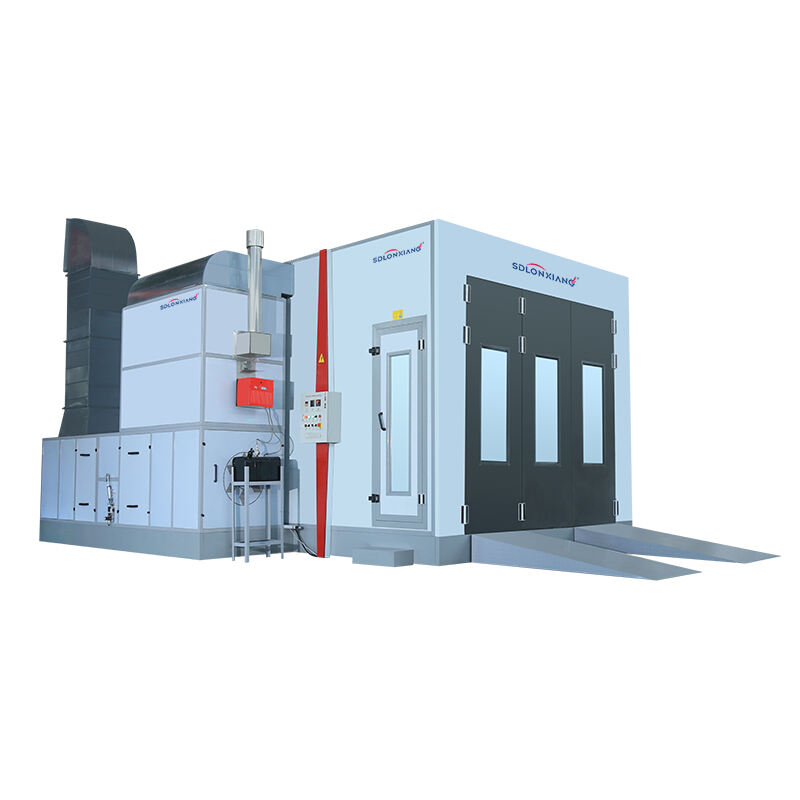
Maintaining an electric paint booth requires systematic attention to its heating and filtration systems to ensure optimal performance, safety, and longevity. These sophisticated pieces of equipment demand regular maintenance protocols that address both the electrical heating components and the complex filtration mechanisms that capture overspray and maintain air quality. Proper maintenance not only extends the lifespan of your electric paint booth but also ensures consistent paint quality and regulatory compliance in automotive and industrial applications.
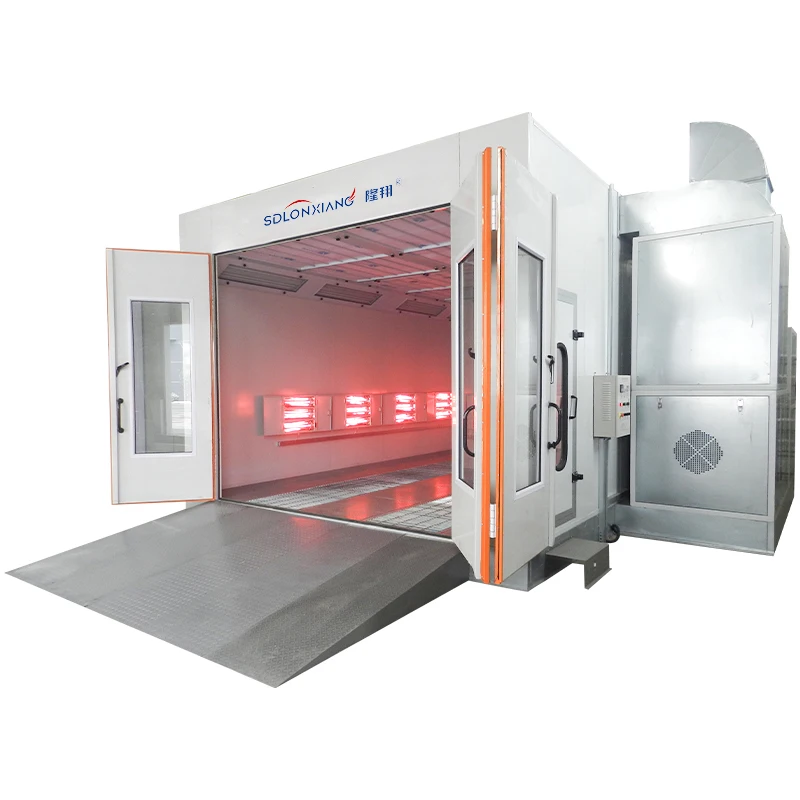
Understanding Electric Paint Booth System Components
Heating System Architecture
The heating system in an electric paint booth consists of multiple electrical heating elements, temperature sensors, and control panels that work together to maintain precise environmental conditions. These heating elements are typically positioned strategically throughout the booth to ensure uniform temperature distribution across the entire workspace. Understanding the layout and function of each component is crucial for effective maintenance procedures.
Temperature control systems in an electric paint booth rely on sophisticated thermostats and digital controllers that monitor and adjust heating output based on preset parameters. These systems must maintain temperatures within specific ranges to ensure proper paint adhesion and curing processes. Regular calibration of these control systems prevents temperature fluctuations that could compromise paint quality.
Filtration System Design
Modern electric paint booth filtration systems incorporate multiple stages of filtration, including intake filters, exhaust filters, and specialized overspray collection mechanisms. The intake filtration stage removes contaminants from incoming air, while exhaust filters capture paint particles and volatile organic compounds before air is released to the environment. Understanding the flow patterns and filter placement is essential for maintenance planning.
The filtration system also includes fans, ductwork, and airflow monitoring equipment that ensure proper air circulation throughout the electric paint booth. These components work together to maintain the negative pressure differential required for effective overspray capture and operator safety. Regular inspection of these elements prevents system failures that could disrupt operations.
Heating System Maintenance Procedures
Electrical Component Inspection
Regular inspection of electrical heating elements involves checking for signs of wear, corrosion, or damage that could affect performance or safety. Visual inspection should include examination of heating element housings, electrical connections, and insulation materials. Any signs of overheating, such as discoloration or burnt odors, require immediate attention to prevent system failure.
Electrical connections in an electric paint booth heating system must be checked for tightness, corrosion, and proper insulation. Loose connections can cause arcing, overheating, and potential fire hazards. Using appropriate testing equipment, technicians should verify proper voltage and amperage readings across all heating circuits to ensure optimal performance.
Temperature Control Calibration
Calibrating temperature control systems requires comparing actual temperatures with control panel readings using precision thermometers or thermal imaging equipment. Any discrepancies between actual and displayed temperatures indicate the need for sensor replacement or control system adjustment. This process ensures that the electric paint booth maintains consistent temperatures throughout the painting and curing processes.
Documentation of temperature readings and calibration results provides valuable data for tracking system performance over time. This information helps identify trends that may indicate developing problems before they result in system failures or paint quality issues.
Filtration System Maintenance Protocols
Filter Replacement Scheduling
Establishing a systematic filter replacement schedule based on usage patterns, paint types, and environmental conditions ensures optimal filtration performance in an electric paint booth. Intake filters typically require more frequent replacement than exhaust filters due to their exposure to external contaminants. Monitoring differential pressure across filter banks provides objective data for determining replacement timing.
Different types of paints and coatings create varying levels of overspray and particulate matter, affecting filter life expectancy. Water-based paints may require different filtration considerations compared to solvent-based systems. Keeping detailed records of filter replacement dates and paint usage helps optimize replacement schedules and reduce operating costs.
Airflow System Optimization
Maintaining proper airflow patterns in an electric paint booth requires regular inspection and cleaning of fan systems, ductwork, and air distribution components. Accumulated paint residue and debris can restrict airflow and reduce system efficiency. Using appropriate cleaning solvents and techniques, technicians should remove buildup from fan blades, ductwork interior surfaces, and air distribution panels.
Airflow measurements using calibrated instruments help verify that the electric paint booth maintains proper air velocity and pressure differentials. These measurements should be taken at multiple points throughout the booth to ensure uniform air distribution and effective overspray capture.
Safety Considerations and Best Practices
Electrical Safety Protocols
Working on electrical components of an electric paint booth requires strict adherence to lockout/tagout procedures and proper personal protective equipment. All electrical power must be disconnected and verified before beginning any maintenance work on heating elements or control systems. Using appropriate voltage testing equipment ensures that circuits are de-energized before maintenance begins.
Electrical maintenance should only be performed by qualified technicians with appropriate training and certification. Understanding electrical codes and safety regulations specific to paint booth applications prevents accidents and ensures compliance with occupational safety requirements.
Chemical Exposure Prevention
Maintenance activities in an electric paint booth may expose workers to paint residues, solvents, and other hazardous chemicals. Proper respiratory protection, skin protection, and ventilation are essential for worker safety. Using appropriate cleaning solvents and disposal methods prevents environmental contamination and regulatory violations.
Establishing proper decontamination procedures for maintenance personnel and equipment prevents the spread of hazardous materials outside the electric paint booth area. This includes proper disposal of contaminated filters, cleaning materials, and protective equipment according to environmental regulations.
Troubleshooting Common Issues
Heating System Problems
Common heating system issues in an electric paint booth include uneven temperature distribution, overheating, and control system failures. Uneven heating often results from blocked air circulation, failed heating elements, or improperly calibrated sensors. Systematic diagnosis involves checking each component to identify the root cause of temperature variations.
Overheating conditions can result from restricted airflow, failed cooling systems, or malfunctioning temperature controls. These conditions pose serious safety risks and require immediate attention to prevent damage to the electric paint booth and potential fire hazards. Regular monitoring of system temperatures helps identify developing problems before they become critical.
Filtration System Failures
Reduced airflow, excessive overspray escape, and poor paint quality often indicate filtration system problems in an electric paint booth. Clogged filters, fan failures, and ductwork restrictions can all contribute to these issues. Systematic inspection of each filtration component helps identify the source of problems and appropriate corrective actions.
Unusual noises from fans or air handling equipment may indicate bearing wear, belt problems, or foreign object interference. Addressing these issues promptly prevents more serious damage and maintains optimal electric paint booth performance.
Documentation and Record Keeping
Maintenance Log Requirements
Comprehensive maintenance records for an electric paint booth should include dates, procedures performed, parts replaced, and performance measurements. This documentation provides valuable information for warranty claims, regulatory compliance, and maintenance planning. Digital record-keeping systems offer advantages in terms of data organization and accessibility.
Maintenance logs should also include information about paint types used, production volumes, and any operational issues encountered. This data helps correlate maintenance needs with specific operating conditions and optimize maintenance schedules for maximum efficiency.
Performance Tracking
Regular performance measurements provide objective data for evaluating electric paint booth efficiency and identifying trends that may indicate developing problems. Temperature uniformity, airflow rates, and energy consumption data help optimize system operation and predict maintenance needs.
Comparing current performance data with historical records helps identify gradual degradation that might not be apparent during routine inspections. This proactive approach to maintenance management helps prevent unexpected failures and reduces overall operating costs.
FAQ
How often should filters be replaced in an electric paint booth?
Filter replacement frequency depends on usage patterns, paint types, and environmental conditions, but typically ranges from weekly to monthly for intake filters and monthly to quarterly for exhaust filters. Monitoring differential pressure across filter banks provides the most accurate indication of when replacement is needed.
What are the signs that heating elements need replacement?
Signs of failing heating elements include uneven temperature distribution, increased energy consumption, unusual odors, visible damage to element housings, and temperature control system alarms. Regular electrical testing can identify developing problems before complete failure occurs.
How can I improve energy efficiency in my electric paint booth?
Improving energy efficiency involves maintaining clean filters, calibrating temperature controls, sealing air leaks, optimizing operating schedules, and upgrading to more efficient heating elements and fans when replacement is needed. Regular maintenance is the most cost-effective approach to maintaining efficiency.
What safety precautions should be taken during maintenance?
Essential safety precautions include following lockout/tagout procedures, using appropriate personal protective equipment, ensuring adequate ventilation, properly disposing of contaminated materials, and having qualified personnel perform electrical work. Emergency procedures should be established and clearly communicated to all maintenance staff.