Rapid Deployment and Versatile Configuration Options
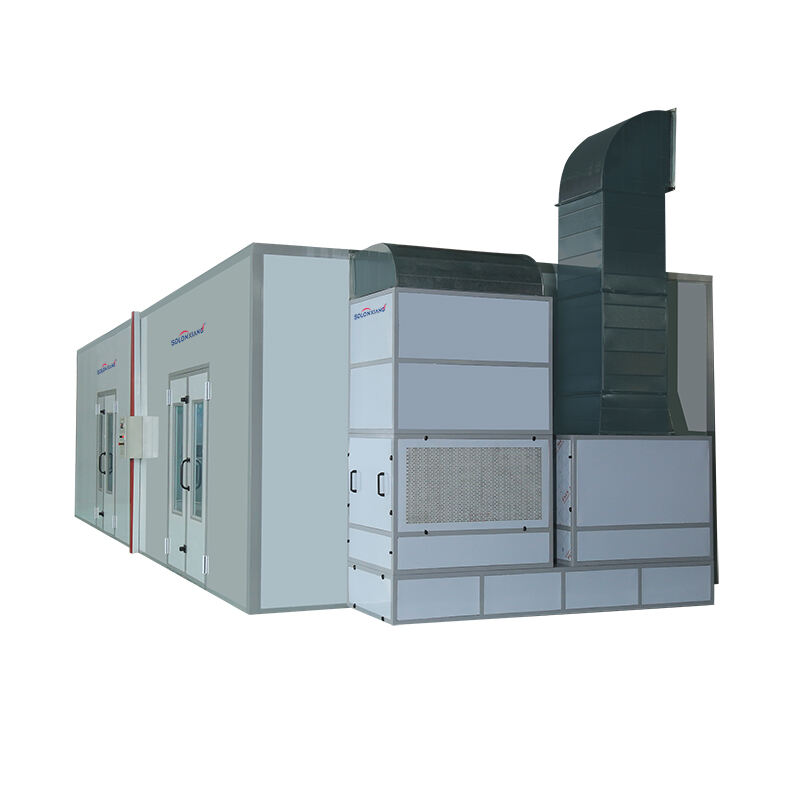
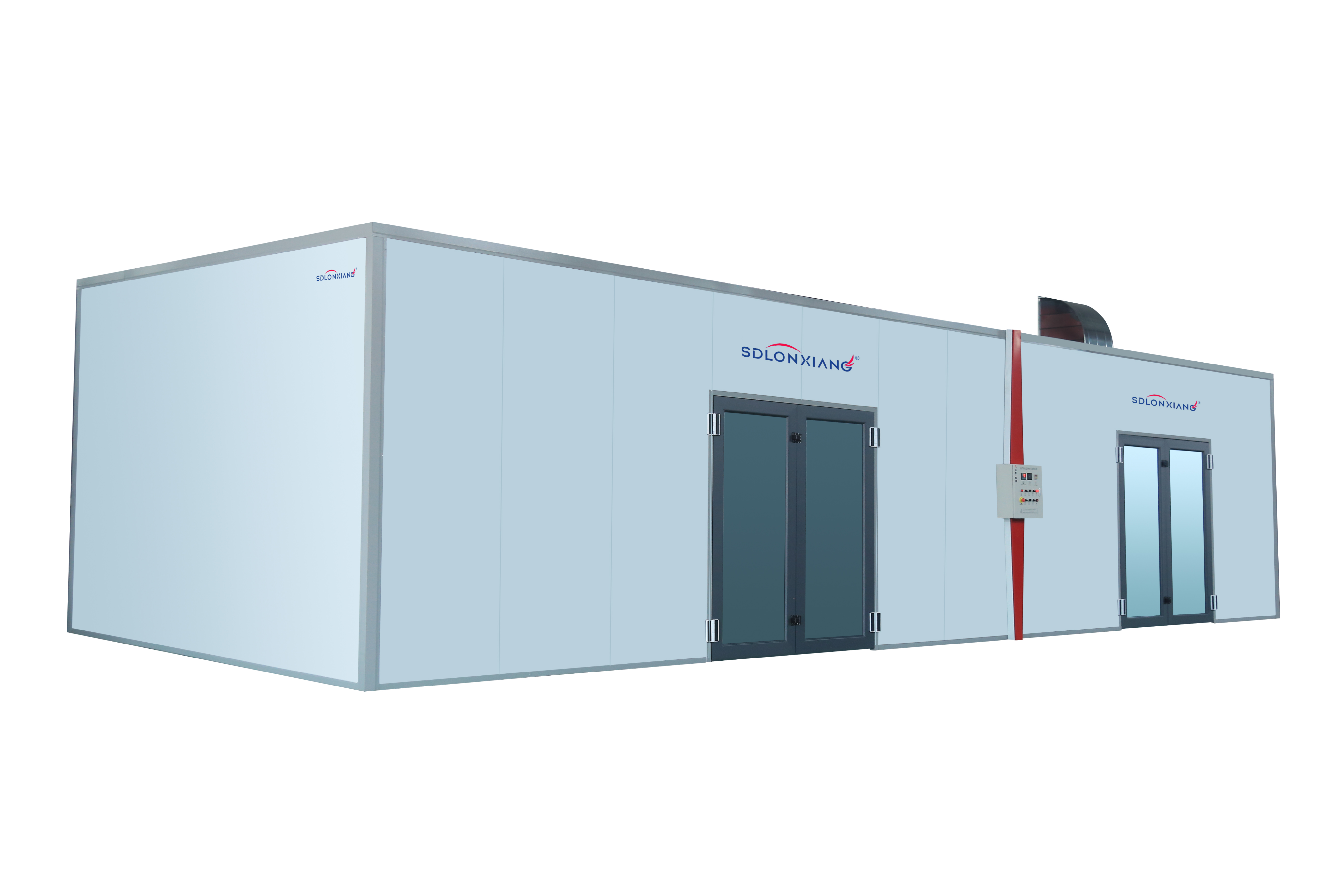
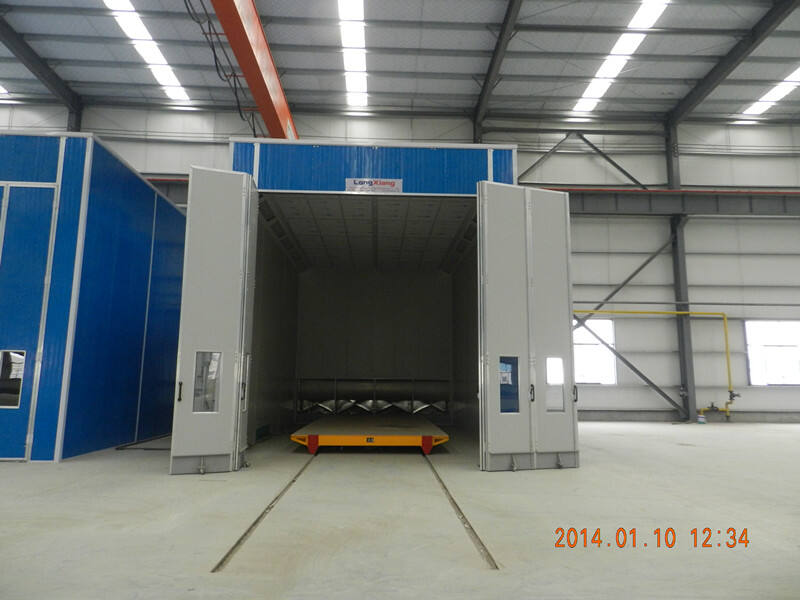
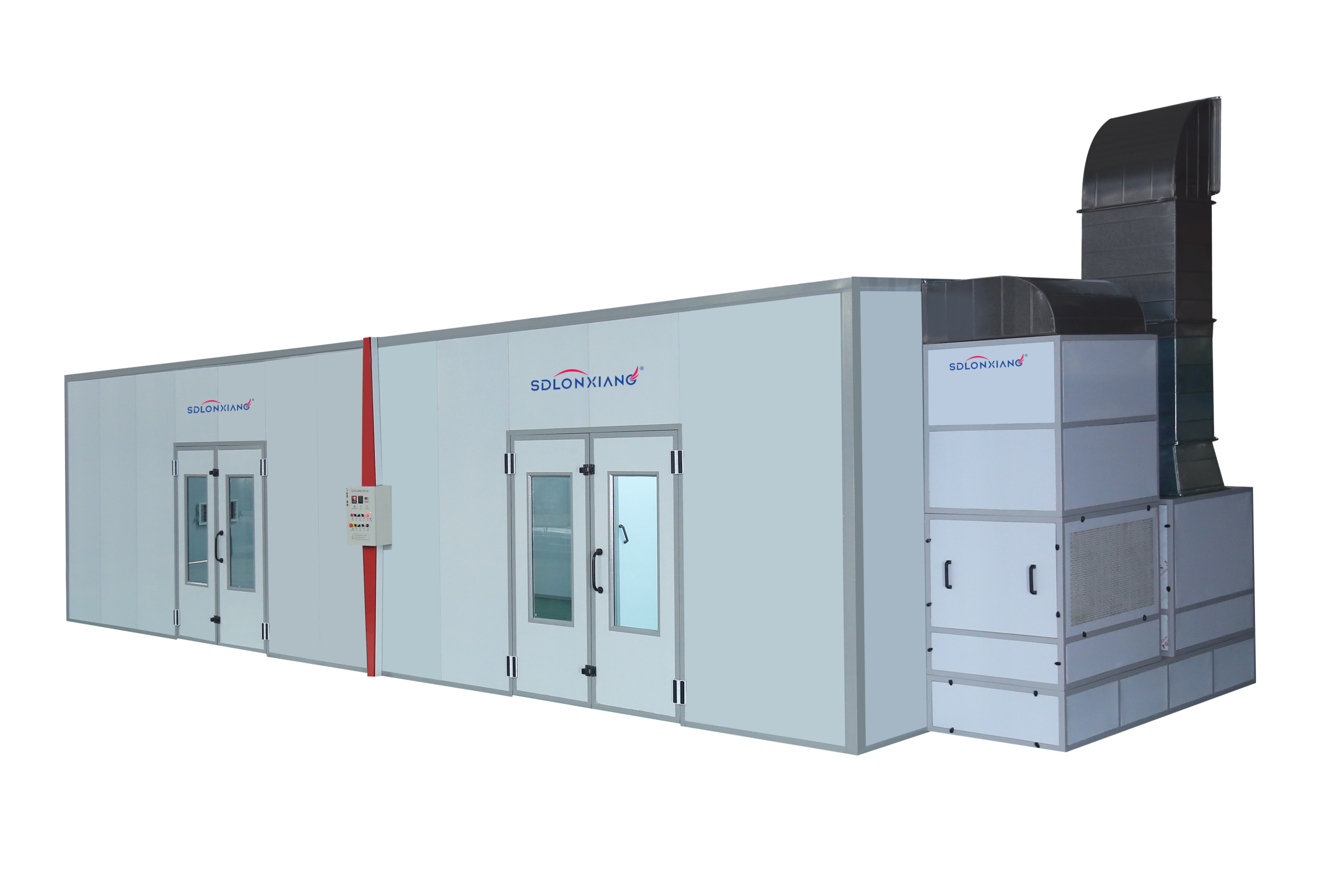
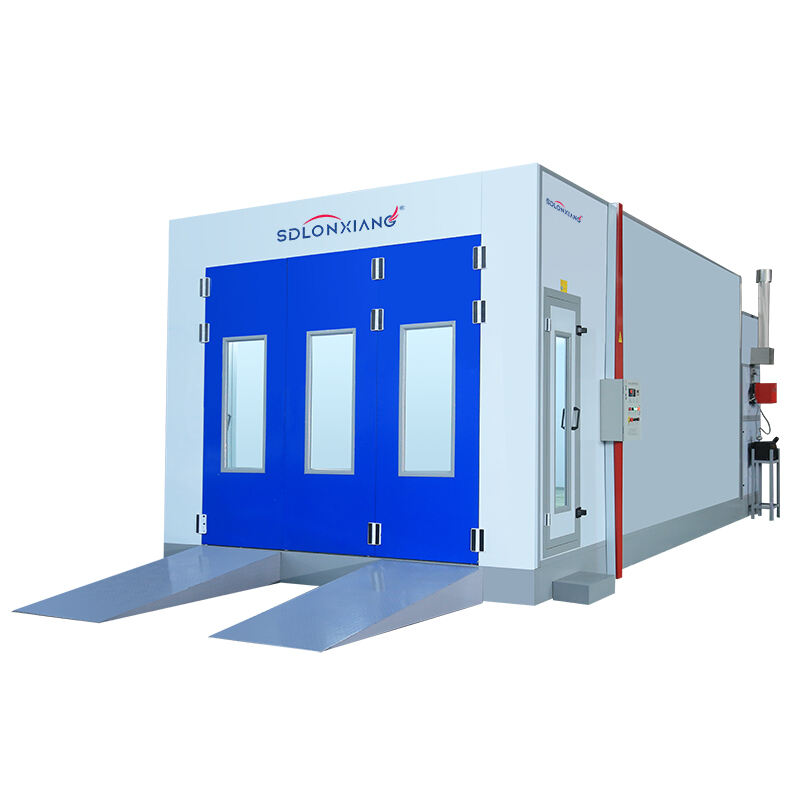
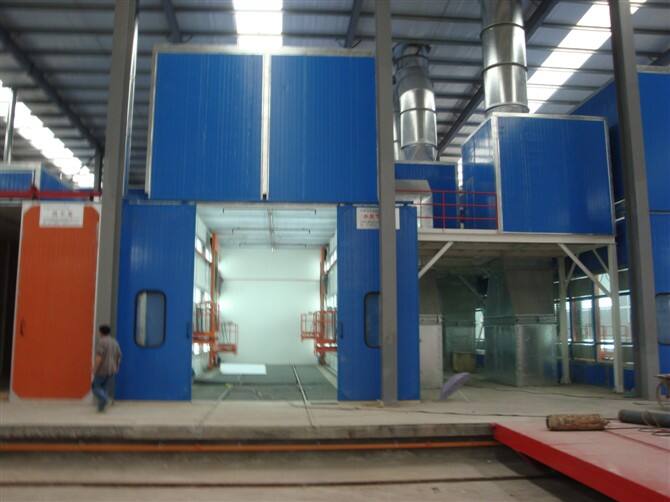
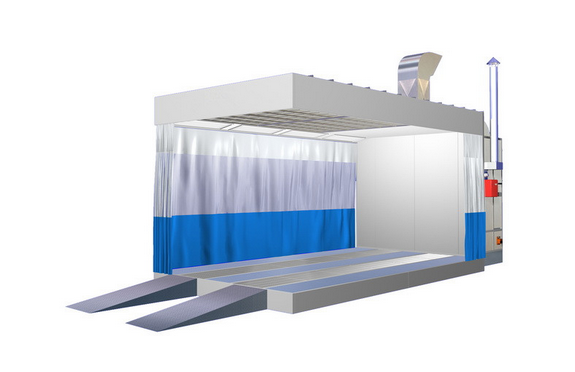
The temporary paint booth revolutionizes project timelines through its exceptional rapid deployment capabilities and versatile configuration options that adapt to virtually any painting requirement or site constraint. Unlike permanent installations that require extensive planning, permits, and construction phases lasting weeks or months, the temporary paint booth can be fully operational within hours of arrival on-site. This remarkable setup speed stems from innovative modular design principles that eliminate the need for specialized tools, complex assembly procedures, or permanent foundations. The lightweight yet robust framework utilizes quick-connect joints and color-coded components that ensure proper assembly while minimizing setup time and reducing the possibility of installation errors. The versatile configuration options allow the temporary paint booth to accommodate projects ranging from small automotive components to large industrial equipment, aircraft sections, or marine vessels. Modular wall panels can be arranged in various configurations including straight-line booths, L-shaped configurations, or completely enclosed structures depending on workspace requirements and site constraints. Height adjustability features enable operators to optimize booth dimensions for specific applications, from low-profile automotive work to tall industrial equipment painting. The system's flexibility extends to equipment integration, with mounting points and connection provisions for various painting equipment including spray guns, electrostatic systems, powder coating apparatus, and specialized application tools. Site adaptability represents another key advantage, as the temporary paint booth can be installed on various surfaces including concrete, asphalt, gravel, or even temporary flooring systems. This versatility proves invaluable for remote locations, outdoor projects, or facilities with space limitations. The modular nature also allows for easy expansion or reconfiguration as project requirements change, ensuring optimal resource utilization throughout the project lifecycle while maintaining consistent quality standards and environmental compliance.

 EN
EN