
 EN
EN
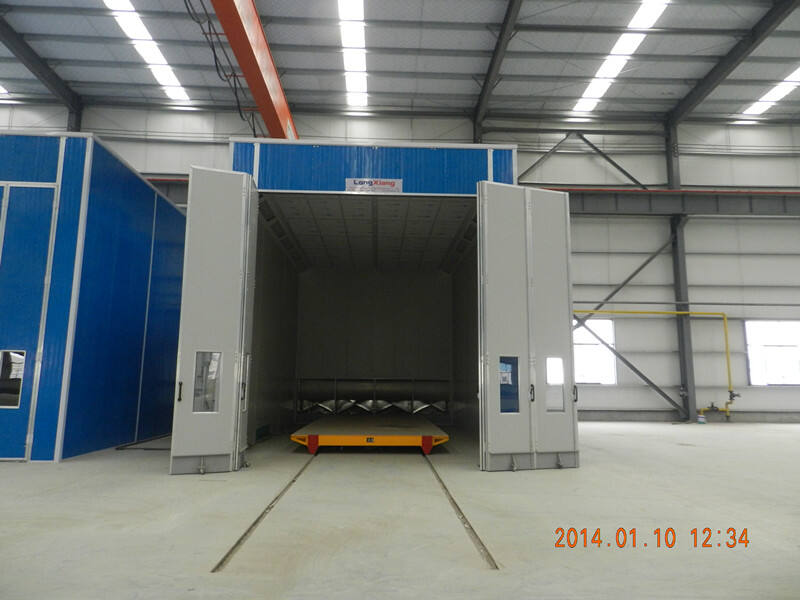
Safety remains the paramount concern when operating any industrial paint booth facility. Modern manufacturing environments demand stringent safety protocols to protect workers from hazardous chemicals, fire risks, and respiratory dangers inherent in industrial coating operations. Professional-grade paint booth systems incorporate multiple layers of protection designed to minimize workplace accidents and ensure regulatory compliance across various industries.

Understanding essential safety features helps facility managers make informed decisions when selecting equipment for their operations. These critical components work together to create a controlled environment that protects both personnel and property while maintaining optimal coating quality. Investment in proper safety infrastructure ultimately reduces liability exposure and enhances long-term operational efficiency.
Advanced Ventilation Systems
Airflow Design and Circulation
Proper airflow management forms the foundation of any safe industrial paint booth operation. Advanced ventilation systems utilize precise air circulation patterns to remove hazardous vapors and particles from the workspace immediately upon generation. These systems typically employ a downdraft or cross-draft configuration that maintains consistent air velocity throughout the booth interior.
Professional installations feature variable speed controls that allow operators to adjust airflow rates based on specific coating requirements and environmental conditions. This flexibility ensures optimal vapor removal while maintaining energy efficiency during extended production runs. Properly designed systems also incorporate makeup air units that replace exhausted air with filtered, temperature-controlled fresh air.
Filtration Technology
Multi-stage filtration systems capture overspray particles and chemical vapors before they can escape into the surrounding environment. Primary filters remove larger particles while secondary HEPA filters capture microscopic contaminants that could pose respiratory risks to workers. Some facilities also incorporate activated carbon filters specifically designed to absorb volatile organic compounds.
Regular maintenance schedules ensure these filtration systems continue operating at peak efficiency throughout their service life. Monitoring differential pressure across filter banks provides early warning of filter saturation, allowing maintenance teams to replace components before system performance degrades. This proactive approach maintains consistent protection levels while avoiding unexpected downtime.
Fire Suppression and Prevention
Automatic Detection Systems
Sophisticated fire detection networks monitor booth environments continuously for signs of combustion or excessive heat buildup. These systems utilize multiple sensor types including smoke detectors, heat sensors, and flame detectors strategically positioned throughout the booth structure. Early detection capabilities enable rapid response before small incidents escalate into major emergencies.
Integration with facility-wide alarm systems ensures immediate notification of emergency personnel and automatic activation of suppression equipment. Many modern systems also feature remote monitoring capabilities that alert off-site personnel to potential hazards during unmanned operations. This comprehensive approach significantly reduces response times during critical situations.
Suppression Equipment
Specialized fire suppression systems designed for paint booth applications utilize clean agents that extinguish flames without damaging sensitive equipment or leaving residues. These systems activate automatically upon detection of fire conditions or can be manually triggered by operators in emergency situations. Proper system design ensures complete coverage of all booth areas including hidden spaces where fires might otherwise go undetected.
Regular testing and maintenance of suppression equipment guarantees reliable operation when needed most. This includes periodic discharge tests, pressure monitoring, and replacement of aging components according to manufacturer specifications. Documentation of all maintenance activities helps demonstrate compliance with insurance requirements and regulatory standards.
Explosion-Proof Electrical Systems
Intrinsically Safe Components
All electrical equipment within an industrial paint booth must meet strict explosion-proof standards to prevent ignition of flammable vapors. This includes lighting fixtures, control panels, motors, and any other electrical devices that could potentially create sparks or excessive heat. Certified equipment undergoes rigorous testing to ensure safe operation in hazardous atmospheres.
Proper grounding and bonding systems eliminate static electricity buildup that could trigger explosions in vapor-rich environments. These systems require regular inspection and testing to verify continuity and proper resistance levels throughout the electrical network. Any degradation in grounding effectiveness creates serious safety risks that must be addressed immediately.
Emergency Shutdown Procedures
Emergency shutdown systems enable rapid de-energization of all booth electrical systems during crisis situations. These systems feature multiple activation points positioned for easy access from various locations within and around the booth structure. Clear labeling and regular training ensure operators can quickly locate and activate shutdown controls when necessary.
Backup power systems maintain operation of critical safety equipment even during electrical emergencies. This includes emergency lighting, ventilation systems, and communication equipment necessary for safe evacuation procedures. Battery backup systems require regular testing and maintenance to ensure reliable operation during extended power outages.
Personal Protective Equipment Integration
Respiratory Protection Systems
Supplied-air respiratory systems provide clean breathing air to operators working within industrial paint booth environments. These systems eliminate dependence on filter-type respirators that may become saturated or fail during extended operations. Proper system design ensures adequate air pressure and flow rates for all connected users while maintaining backup supplies for emergency situations.
Regular maintenance and testing of respiratory equipment protects worker health and ensures compliance with occupational safety regulations. This includes daily function checks, periodic air quality testing, and replacement of aging components according to manufacturer recommendations. Documentation of all maintenance activities provides evidence of proper safety program implementation.
Emergency Communication
Integrated communication systems allow booth operators to maintain contact with external personnel during normal operations and emergency situations. These systems must function reliably in noisy industrial environments while providing clear audio transmission. Hands-free operation capabilities enable operators to communicate while wearing protective equipment and performing coating operations.
Backup communication methods ensure connectivity during equipment failures or power outages. This redundancy proves critical during emergency evacuations when primary communication systems may become compromised. Regular testing verifies system reliability and helps identify potential problems before they impact safety operations.
Environmental Monitoring and Control
Atmospheric Monitoring
Continuous atmospheric monitoring systems track concentrations of hazardous vapors and particles within booth environments. These systems provide real-time data on air quality conditions and automatically alert operators when levels approach dangerous thresholds. Advanced systems can automatically adjust ventilation rates or trigger emergency procedures when predetermined limits are exceeded.
Data logging capabilities provide historical records of atmospheric conditions for regulatory compliance and safety analysis purposes. This information helps identify trends and potential problems before they create safety hazards. Regular calibration of monitoring equipment ensures accurate readings and reliable operation throughout the equipment service life.
Temperature and Humidity Control
Precise environmental controls maintain optimal temperature and humidity levels for safe coating operations while preventing conditions that could increase fire or explosion risks. These systems automatically adjust heating, cooling, and dehumidification equipment based on real-time measurements and preset parameters. Proper environmental control also enhances coating quality and reduces material waste.
Backup environmental control systems provide redundancy during equipment failures or maintenance periods. This ensures continuous protection even when primary systems require service or replacement. Regular maintenance of control equipment prevents unexpected failures that could compromise both safety and production operations.
FAQ
How often should industrial paint booth safety systems be inspected?
Safety systems require daily operational checks, weekly detailed inspections, and annual comprehensive evaluations by qualified technicians. Fire suppression systems need quarterly testing, while electrical components require monthly inspection for proper grounding and functionality. Documentation of all inspections helps maintain compliance with safety regulations and insurance requirements.
What are the most common causes of paint booth accidents?
The majority of paint booth incidents result from inadequate ventilation, improper electrical equipment, failure to follow lockout procedures, and insufficient personal protective equipment. Poor maintenance practices and inadequate operator training also contribute significantly to workplace accidents. Implementing comprehensive safety programs and regular equipment maintenance dramatically reduces these risks.
Can existing paint booths be retrofitted with modern safety features?
Most older installations can accommodate modern safety upgrades including improved ventilation systems, advanced fire suppression equipment, and explosion-proof electrical components. However, structural modifications may be necessary to support new equipment and meet current safety codes. Professional assessment determines feasibility and costs for specific retrofit projects.
What regulations govern industrial paint booth safety requirements?
OSHA standards, NFPA codes, and local fire department regulations establish minimum safety requirements for industrial coating operations. EPA regulations also govern emission control and environmental protection aspects of paint booth operations. Staying current with evolving regulations requires ongoing education and regular consultation with safety professionals.