industrial automotive paint booth
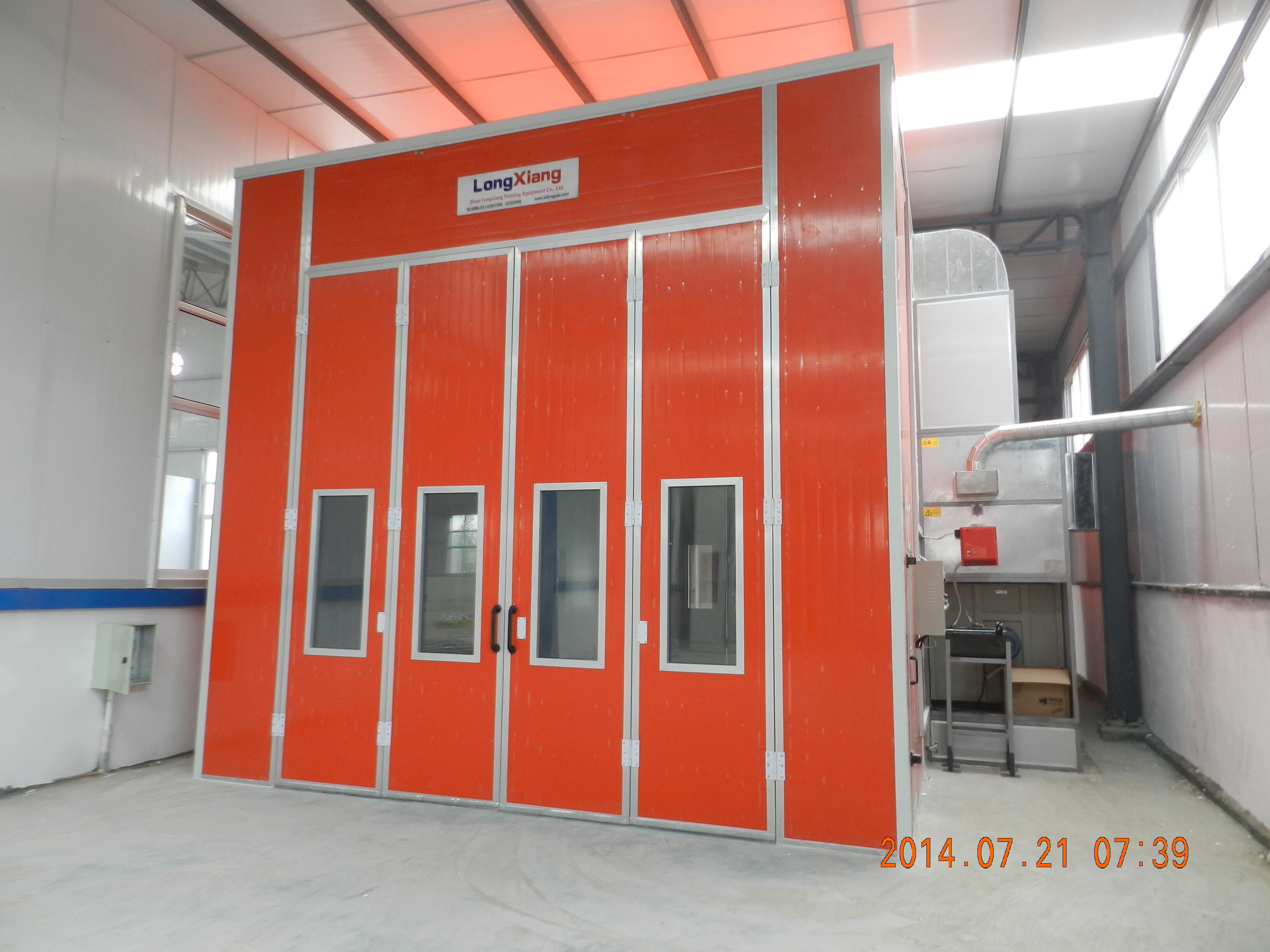
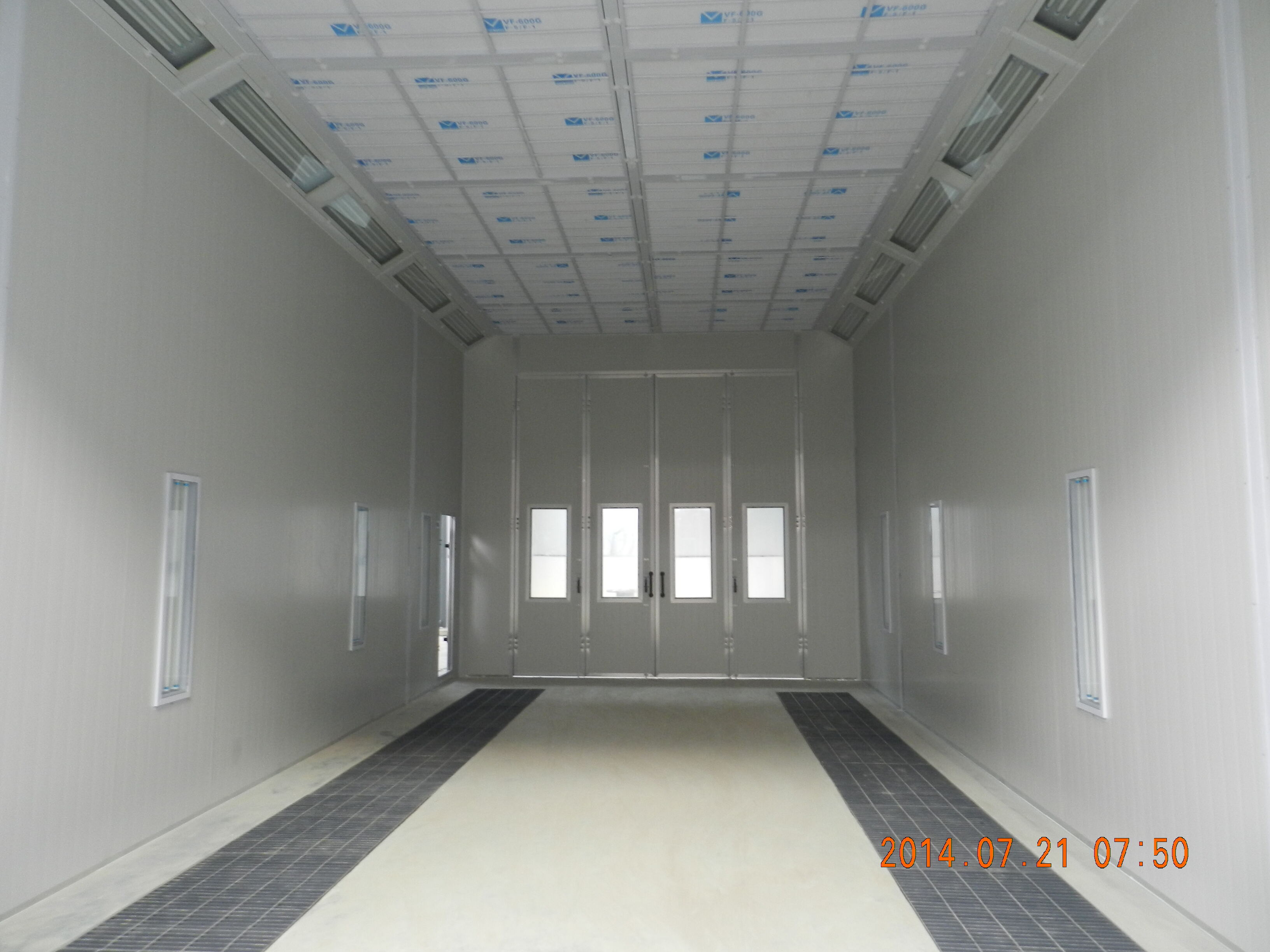
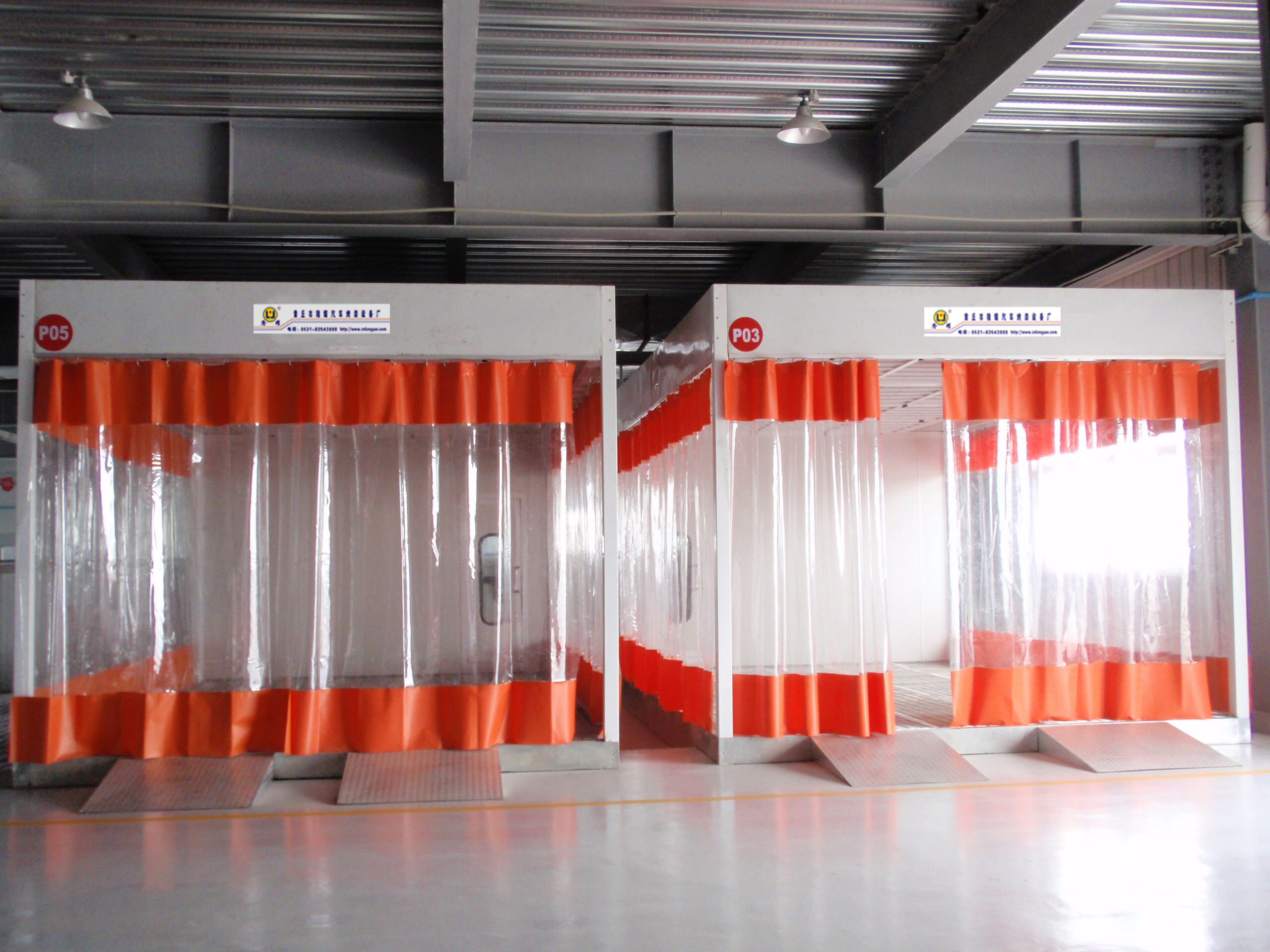
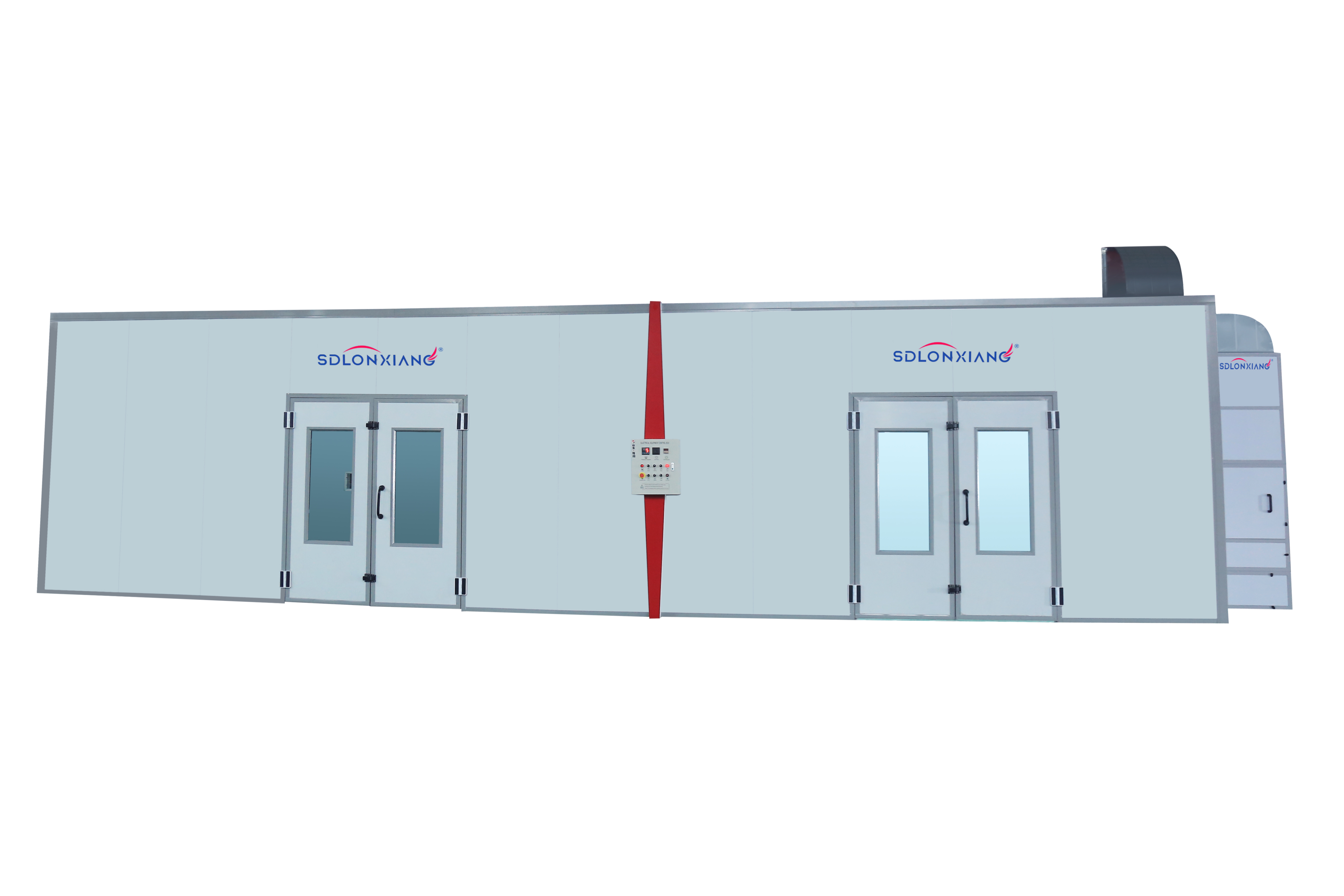
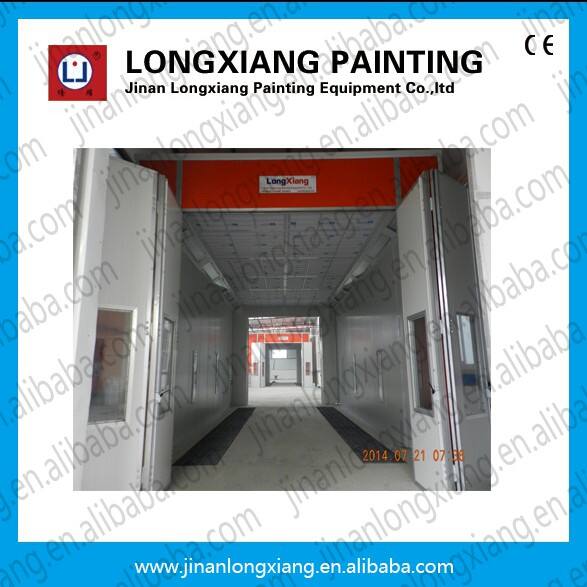
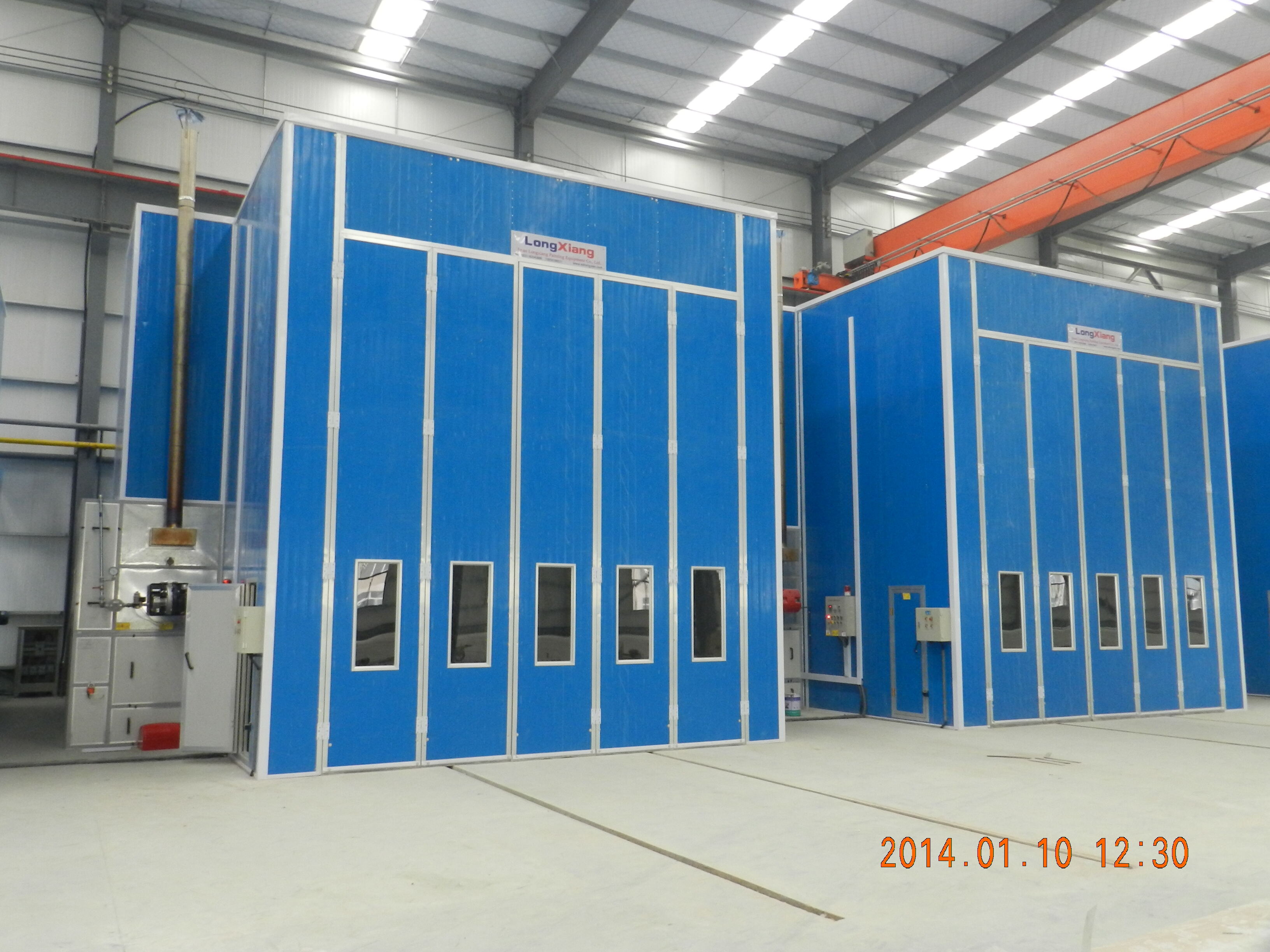
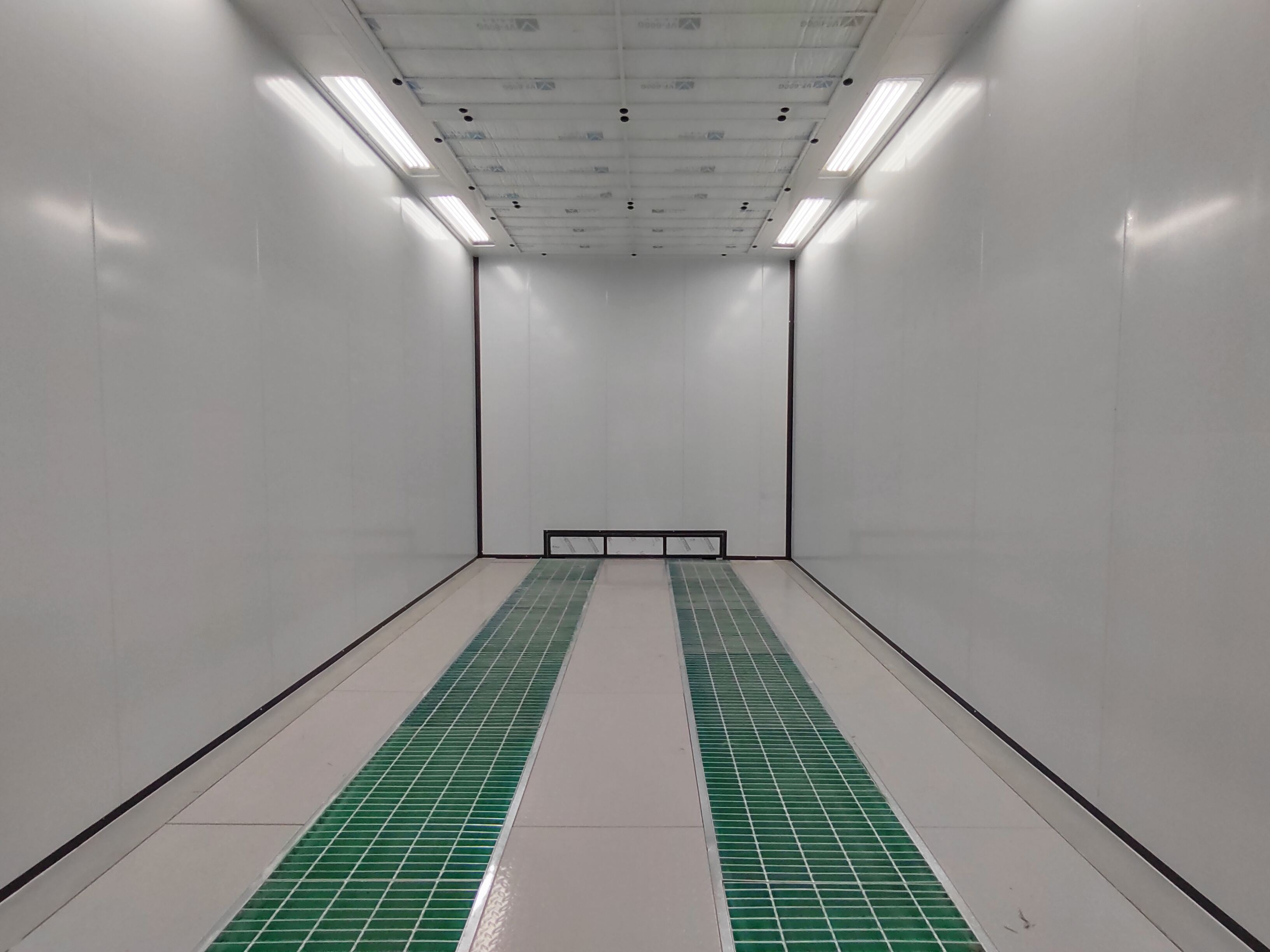
An industrial automotive paint booth represents a sophisticated enclosed facility specifically engineered for applying high-quality paint finishes to vehicles and automotive components. This essential equipment creates a controlled environment that eliminates contamination while ensuring optimal paint application conditions. The industrial automotive paint booth operates by maintaining precise temperature and humidity levels, typically ranging from 60-80°F with controlled airflow patterns that prevent dust particles and debris from settling on freshly painted surfaces. The booth features advanced filtration systems that capture overspray and hazardous vapors, protecting both workers and the environment. Modern industrial automotive paint booth designs incorporate energy-efficient heating systems, LED lighting for accurate color matching, and sophisticated ventilation networks that maintain consistent air circulation. These systems utilize positive air pressure to prevent outside contaminants from entering the workspace while exhausting potentially harmful fumes through specialized filtration mechanisms. The booth construction typically involves insulated panels that provide thermal efficiency and noise reduction, while fire-resistant materials ensure safety compliance with industrial standards. Advanced control systems monitor and adjust environmental parameters automatically, allowing operators to focus on achieving perfect paint finishes. The industrial automotive paint booth serves multiple vehicle types, from passenger cars and trucks to commercial vehicles and specialty equipment. Applications extend beyond complete vehicle painting to include component refinishing, touch-up work, and custom automotive projects. The booth accommodates various paint types including water-based, solvent-based, and powder coatings, making it versatile for different finishing requirements. Integration capabilities allow the industrial automotive paint booth to connect with existing production lines, creating seamless workflow processes. Safety features include emergency shutdown systems, explosion-proof electrical components, and comprehensive fire suppression systems that protect personnel and equipment investments.

 EN
EN