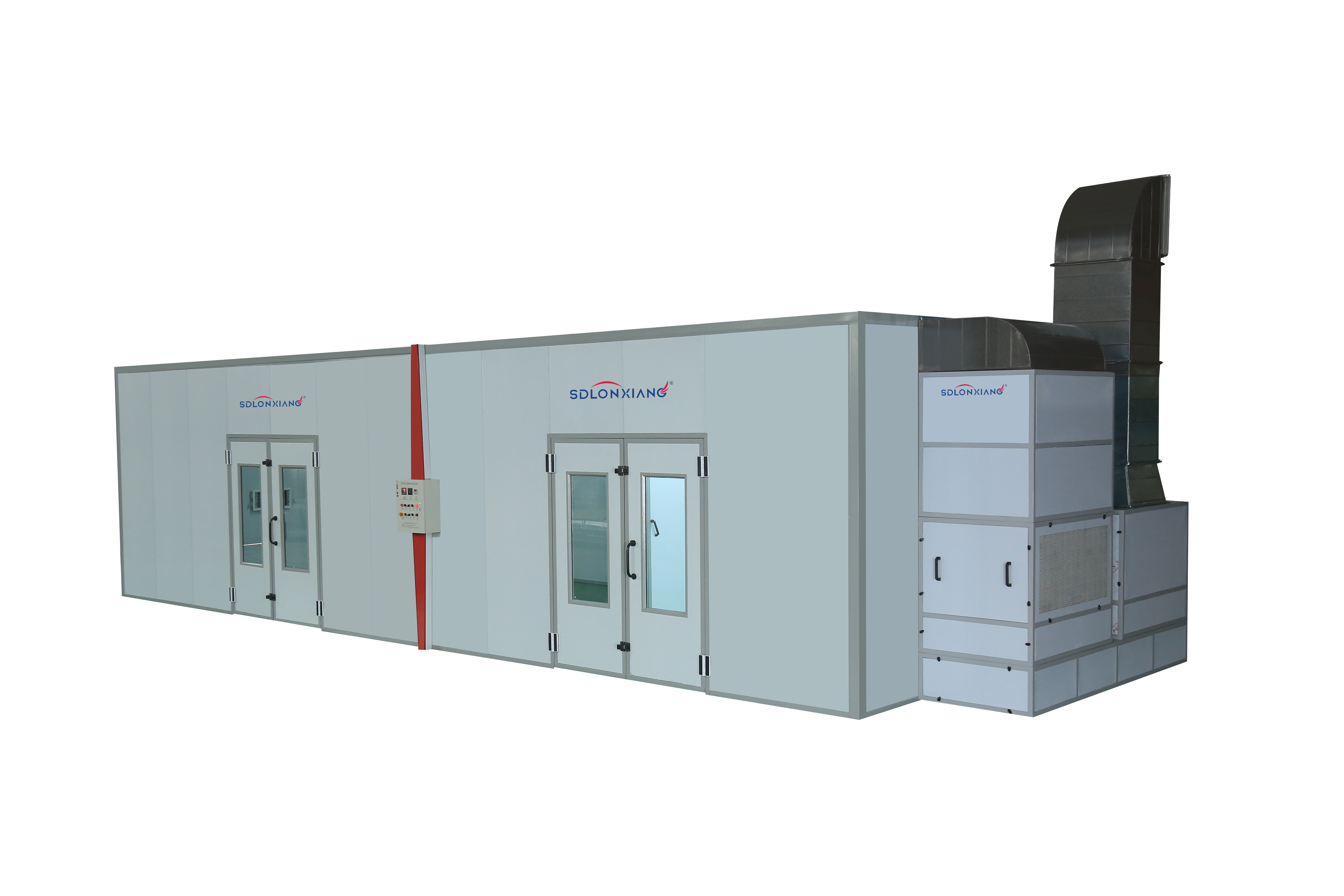
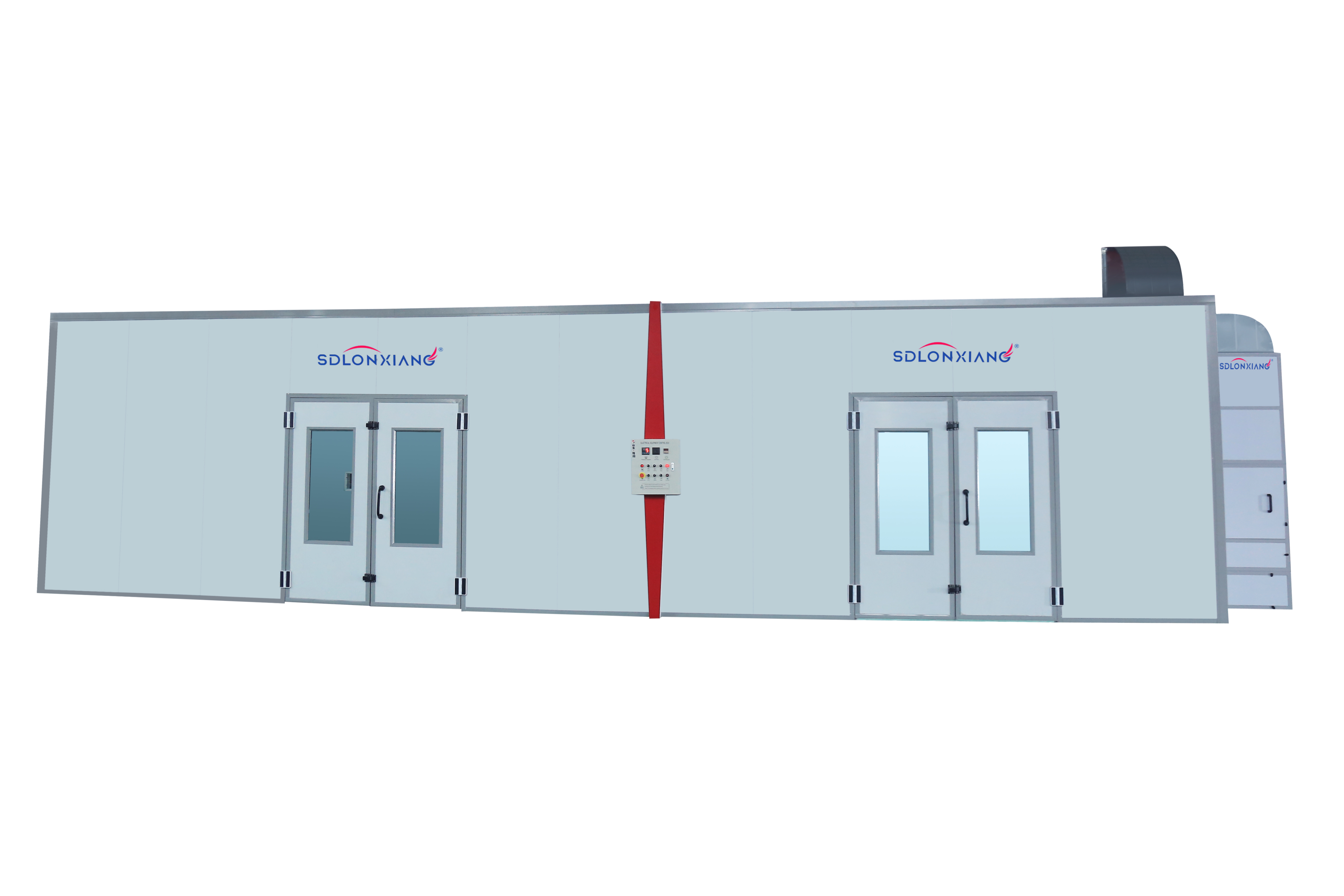
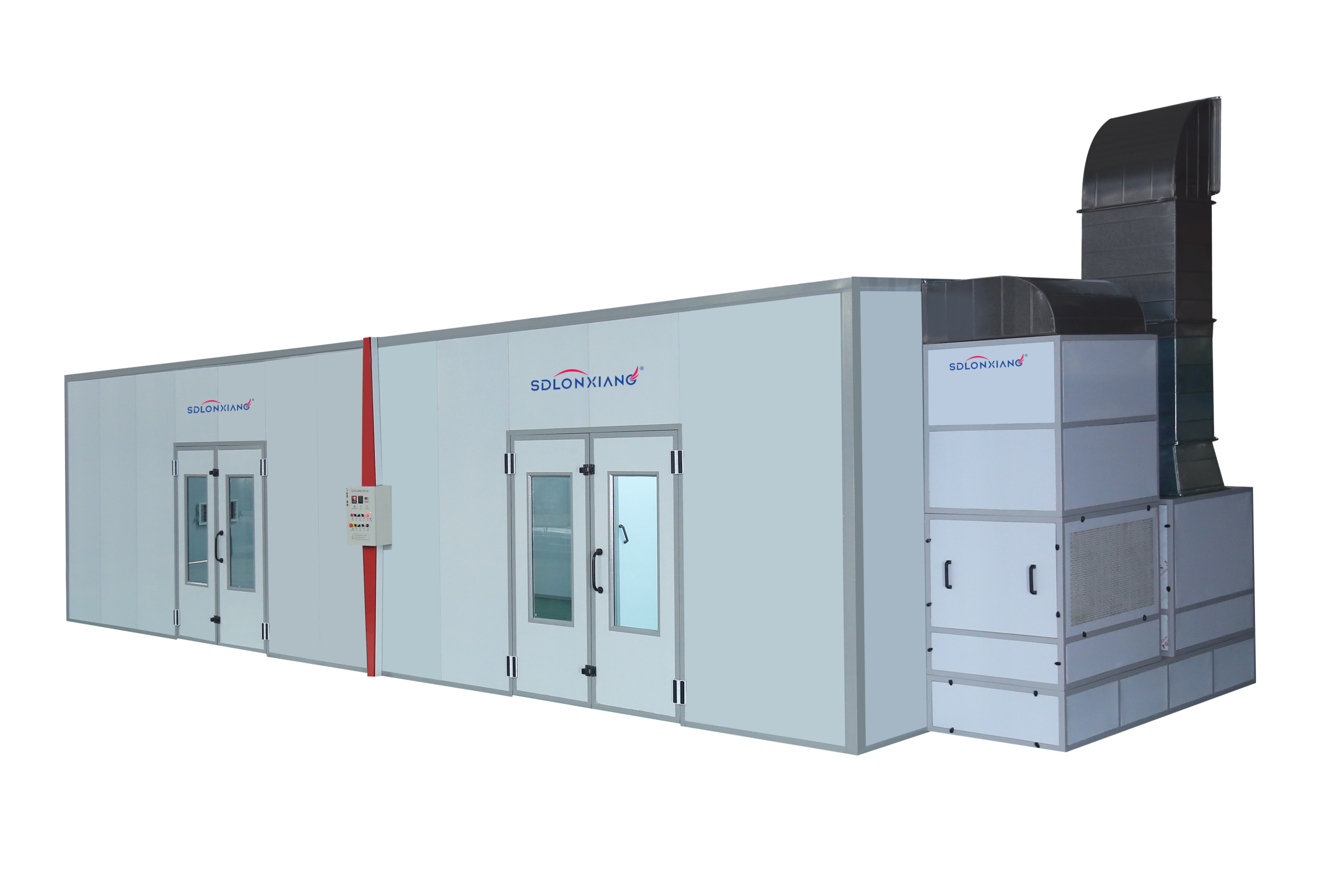
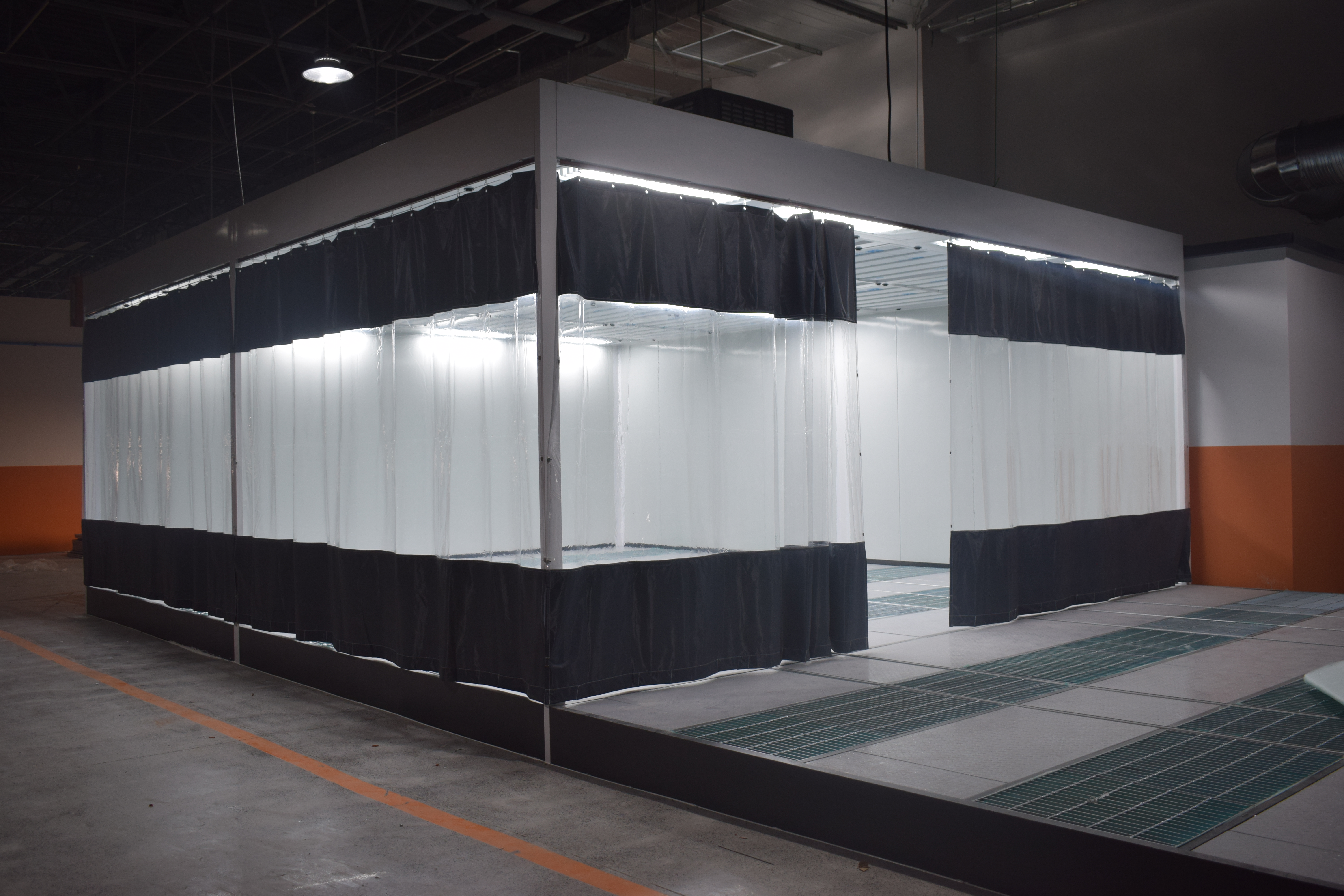
panel spray booth
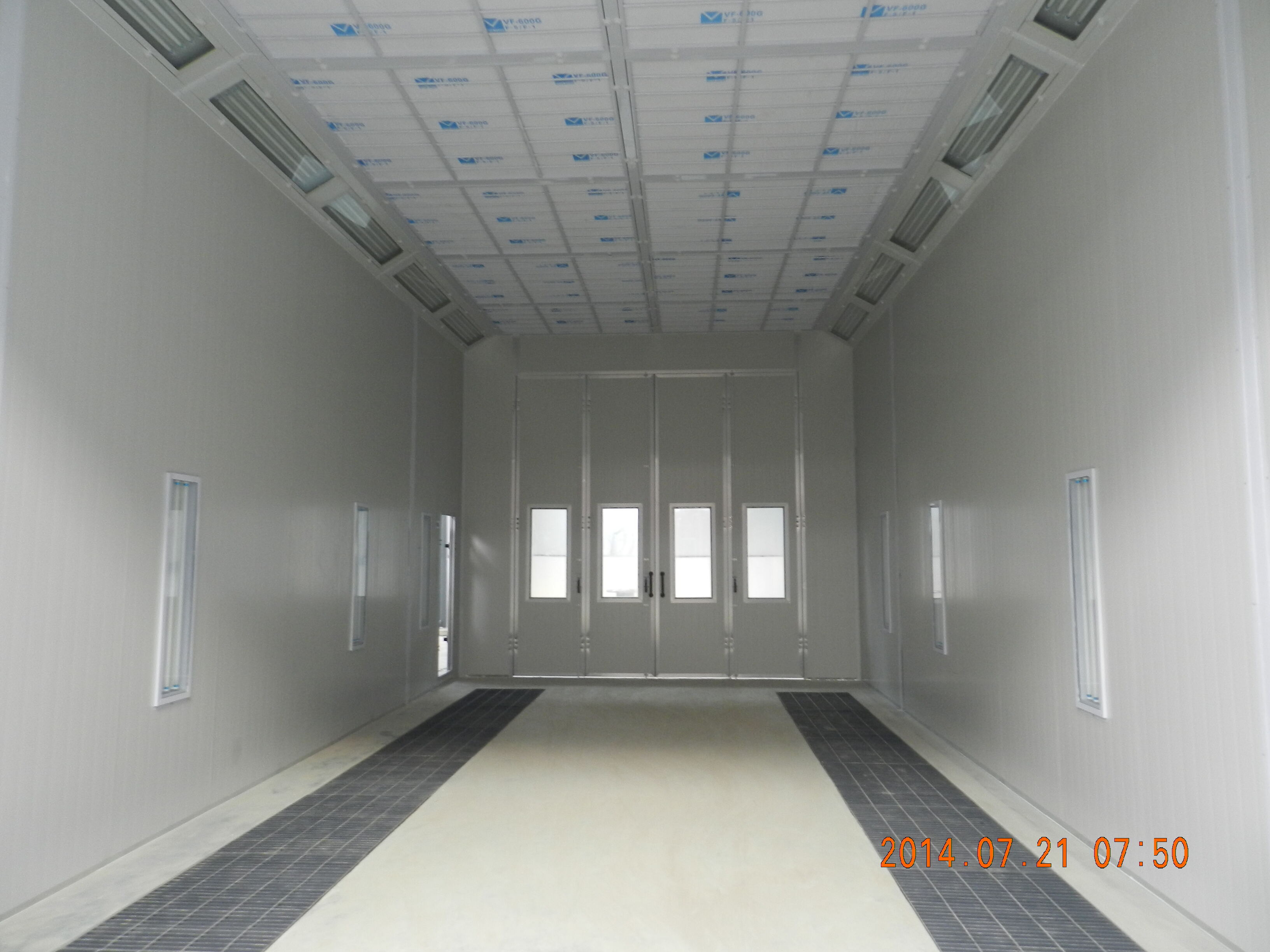
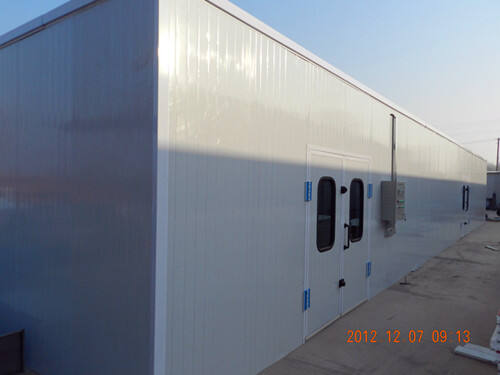
A panel spray booth represents a sophisticated industrial solution designed specifically for applying high-quality finishes to panels, components, and various manufactured products. This specialized equipment creates a controlled environment that ensures consistent, professional-grade coating applications while maintaining strict safety and environmental standards. The panel spray booth operates through advanced airflow management systems that capture overspray particles and maintain optimal atmospheric conditions during the painting process. Modern panel spray booth designs incorporate state-of-the-art filtration technology, precise temperature control mechanisms, and energy-efficient ventilation systems that work together to deliver superior coating results. The primary function of a panel spray booth involves containing and directing paint particles while providing operators with a clean, well-lit workspace for detailed finishing work. These systems feature adjustable air velocity controls that accommodate different coating materials and application techniques, ensuring optimal results across various project requirements. The technological framework of a panel spray booth includes multiple filtration stages, typically featuring intake filters that clean incoming air and exhaust filters that capture overspray before releasing air back into the environment. Advanced models incorporate digital control panels that monitor air pressure differentials, temperature variations, and filter condition status, providing real-time feedback to operators. The applications for panel spray booth systems span numerous industries, including automotive manufacturing, furniture production, aerospace component finishing, and architectural panel coating. These versatile systems accommodate various panel sizes and shapes, making them suitable for both high-volume production environments and specialized custom finishing operations. The panel spray booth design prioritizes operator safety through proper ventilation that removes harmful vapors and particles from the work area, while simultaneously protecting finished products from contamination during the curing process.

 EN
EN