Professional Paint Booth Ventilation Systems - Advanced Air Quality Control Solutions

All Categories

paint booth ventilation

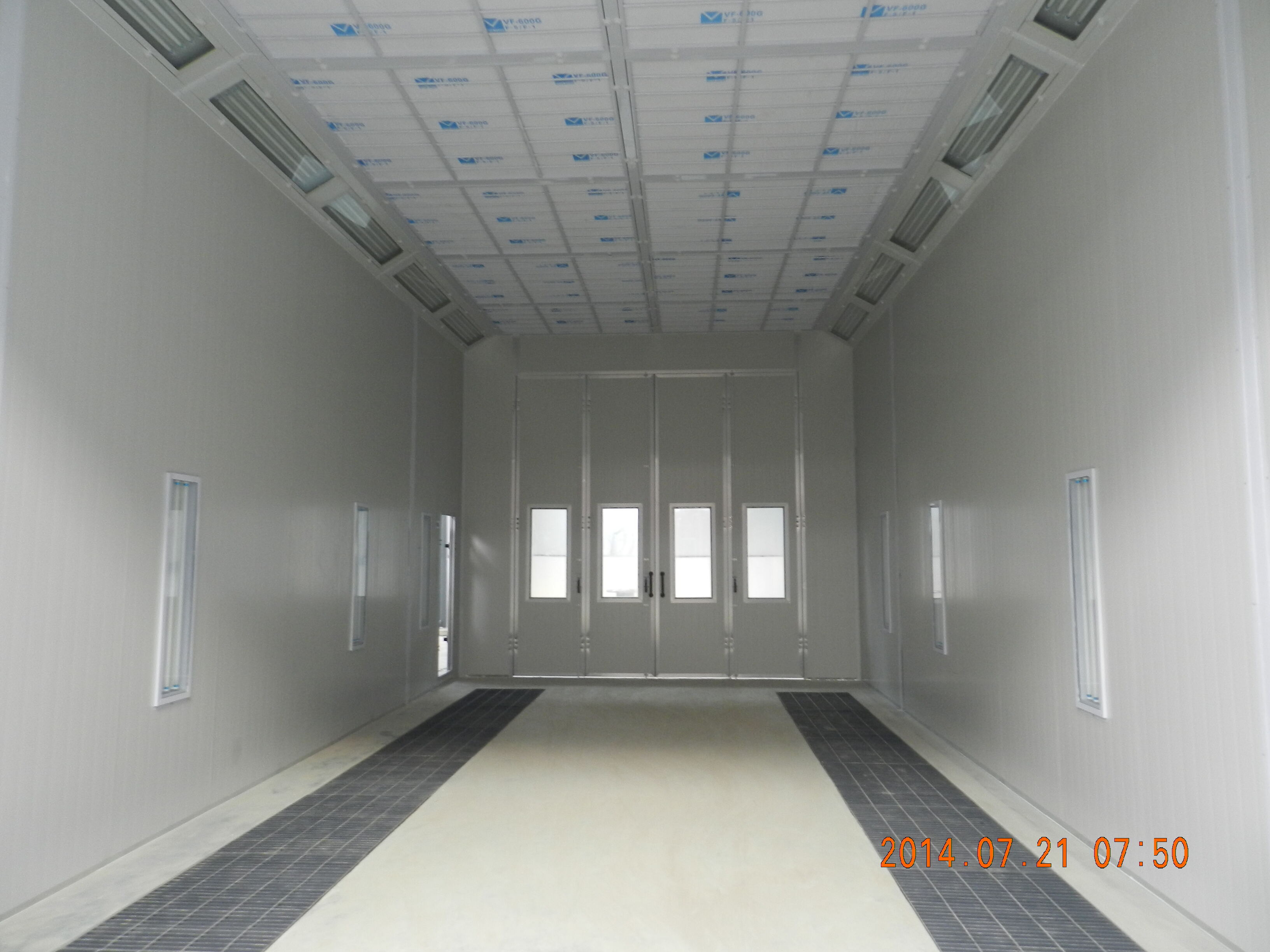
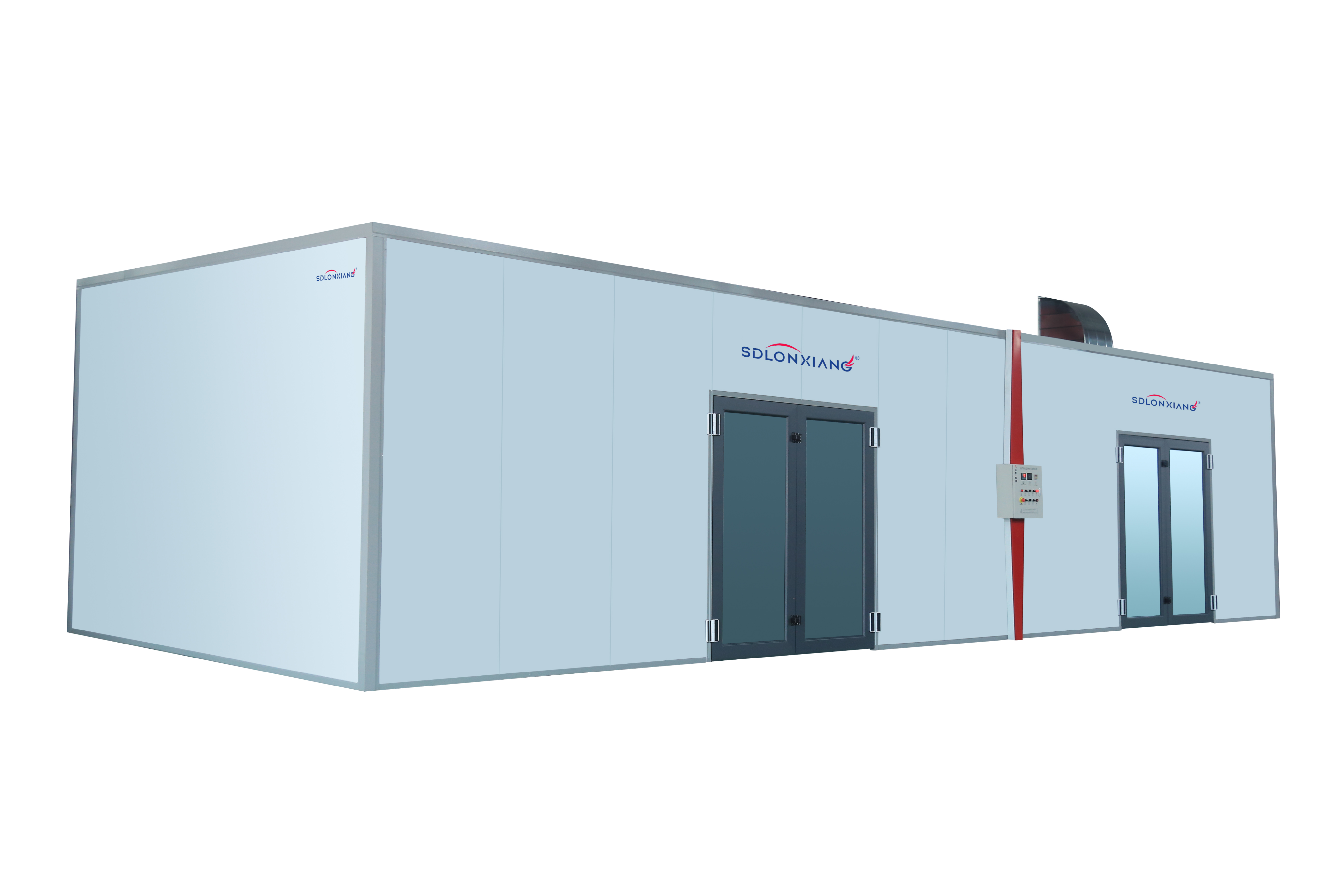
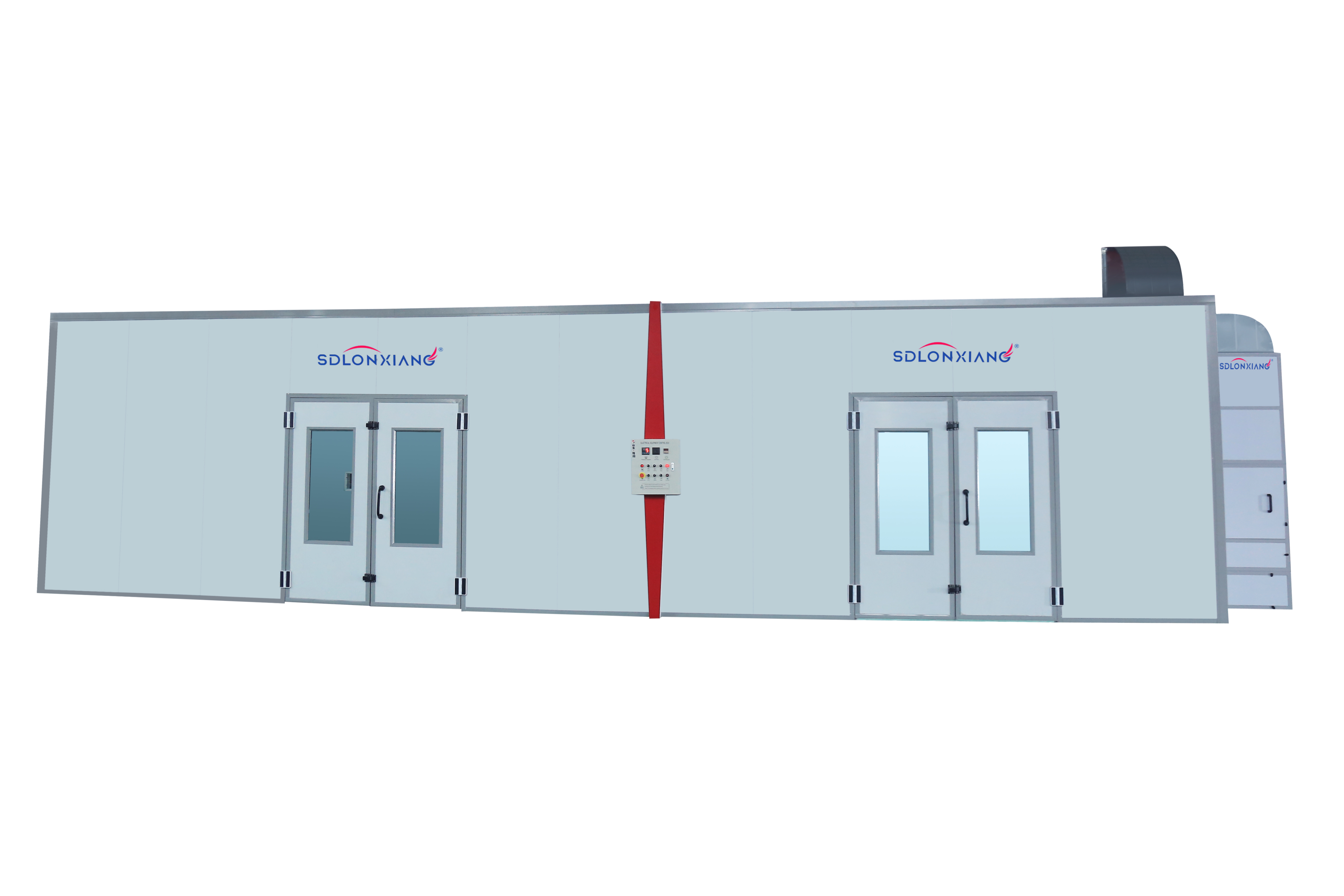
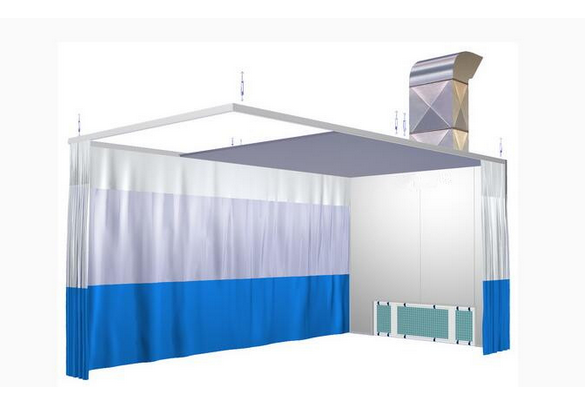
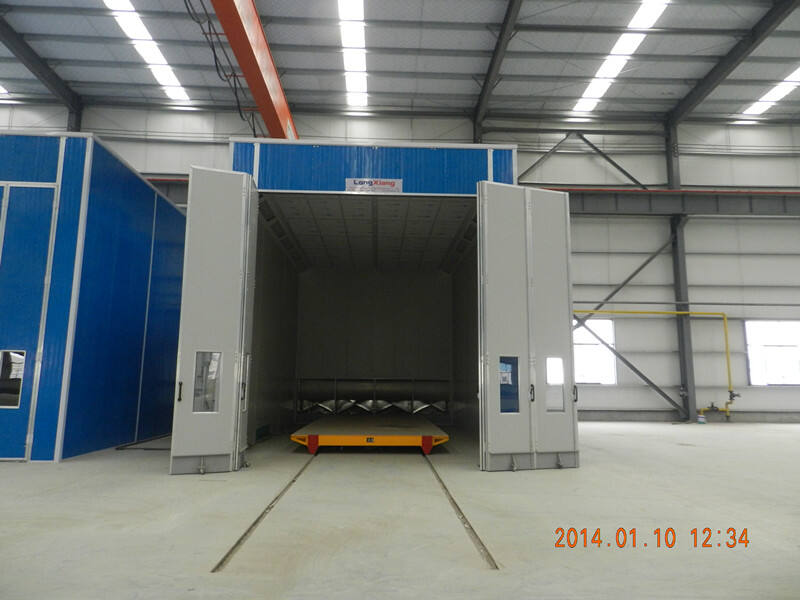
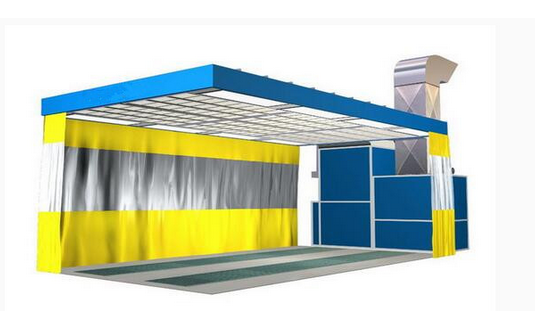
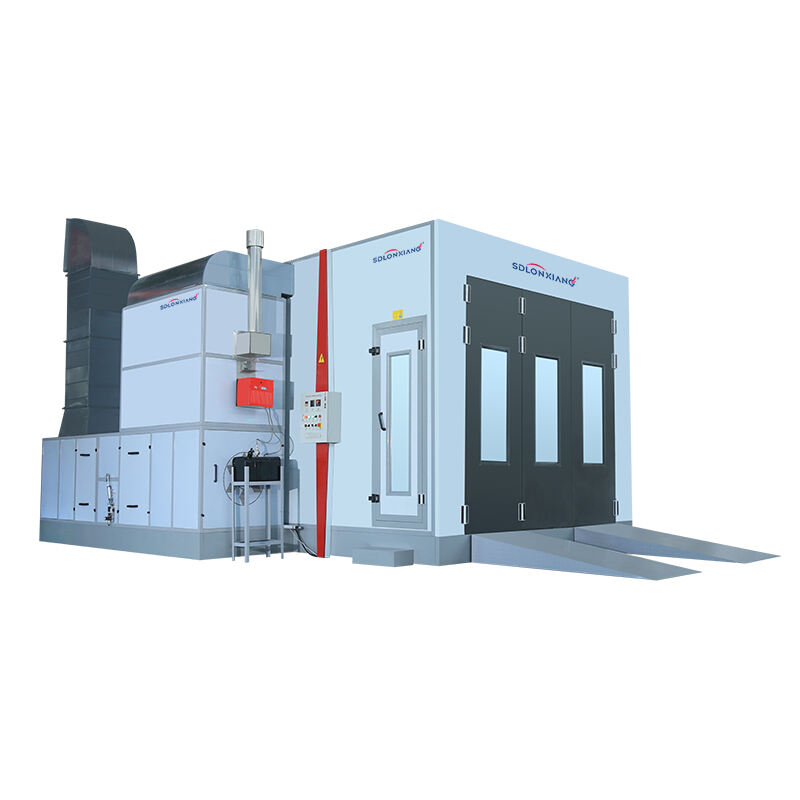
Paint booth ventilation represents a critical component in modern industrial finishing operations, serving as the backbone of efficient and safe spray painting processes. This sophisticated system encompasses a comprehensive network of air handling equipment designed to control airborne contaminants, regulate temperature and humidity, and maintain optimal working conditions within paint application environments. The primary functions of paint booth ventilation include the extraction of overspray particles, removal of volatile organic compounds (VOCs), and the provision of clean, filtered air circulation that ensures consistent paint application quality. The technological framework incorporates advanced filtration systems featuring multi-stage filters that capture particles ranging from coarse overspray to fine aerosols. Modern paint booth ventilation systems utilize precision-engineered airflow patterns that create laminar air movement, directing contaminated air away from the work surface while preventing cross-contamination between different painting zones. These systems integrate sophisticated control mechanisms that monitor air velocity, pressure differentials, and filter loading conditions to maintain peak performance standards. Temperature control capabilities enable operators to optimize curing conditions and paint viscosity management, while humidity regulation prevents moisture-related defects in finished coatings. Applications span diverse industries including automotive manufacturing, aerospace production, furniture finishing, industrial equipment coating, and architectural metalwork. The versatility of paint booth ventilation allows customization for various booth configurations, from small-scale touch-up stations to large-scale production lines handling oversized components. Energy recovery features in contemporary systems capture waste heat for reuse, reducing operational costs while maintaining environmental compliance. Safety integration includes explosion-proof electrical components, fire suppression compatibility, and emergency shutdown protocols that protect personnel and equipment. The modular design approach enables scalable installations that adapt to changing production requirements while maintaining consistent performance standards across different operational scales.


New Products

Paint booth ventilation delivers substantial operational benefits that directly impact productivity, quality outcomes, and workplace safety standards. Enhanced air quality management eliminates health hazards associated with paint fume exposure, creating safer working environments that comply with occupational safety regulations and reduce liability concerns for facility operators. Workers experience improved comfort levels and reduced fatigue, leading to higher productivity rates and lower absenteeism due to respiratory issues or chemical sensitivity reactions. The controlled airflow patterns significantly improve paint finish quality by preventing contamination from dust, debris, and overspray particles that can create surface defects requiring costly rework procedures. Consistent temperature and humidity control optimizes paint application conditions, reducing material waste and ensuring uniform coating thickness across all surfaces. Energy efficiency features substantially lower operational costs through heat recovery systems that capture and reuse thermal energy, reducing heating and cooling expenses while maintaining optimal booth conditions. Compliance with environmental regulations becomes streamlined through effective VOC capture and treatment capabilities, helping facilities avoid costly fines and maintain operating permits without regulatory complications. Maintenance requirements decrease due to advanced filtration systems that protect downstream equipment from paint buildup and contamination, extending equipment lifespan and reducing replacement costs. Flexible operation modes accommodate different production schedules and paint types, allowing facilities to optimize energy consumption during low-demand periods while maintaining full capacity when needed. Quick filter replacement systems minimize downtime during maintenance procedures, keeping production lines operational and meeting delivery deadlines consistently. Automated monitoring capabilities provide real-time performance data that enables predictive maintenance scheduling, preventing unexpected failures that could disrupt production schedules. The investment in quality paint booth ventilation generates measurable returns through reduced material costs, improved first-pass quality rates, lower insurance premiums due to enhanced safety records, and increased customer satisfaction from consistent finish quality. These systems also support lean manufacturing principles by eliminating waste associated with rework, material overspray, and production delays caused by environmental control issues.

Latest News

Types of Industrial Paint Booths: Which to Choose?

19

Oct

Types of Industrial Paint Booths: Which to Choose?

Understanding Modern Industrial Paint Application Systems The evolution of industrial finishing has made the industrial paint booth an essential component in manufacturing, automotive, aerospace, and countless other sectors. These specialized environ...
View More
Spraybooths vs Open Painting: Safety Comparison

27

Nov

Spraybooths vs Open Painting: Safety Comparison

Industrial painting operations present significant safety challenges that require careful consideration of equipment choices and workplace design. The debate between enclosed spraybooths and open painting environments has intensified as workplace saf...
View More
Cost Guide: Installing a Professional Furniture Spray Booth

12

Dec

Cost Guide: Installing a Professional Furniture Spray Booth

Investing in a professional furniture spray booth represents a significant financial commitment that can transform your woodworking or furniture manufacturing operation. These specialized environments provide controlled conditions for applying finish...
View More
How to Choose the Right Industrial Paint Booth Size for Your Manufacturing Facility?

12

Dec

How to Choose the Right Industrial Paint Booth Size for Your Manufacturing Facility?

Selecting the appropriate industrial paint booth size is a critical decision that directly impacts your manufacturing facility's efficiency, quality output, and operational costs. The right sizing ensures optimal airflow patterns, maintains consisten...
View More

Get a Free Quote

Our representative will contact you soon.
Email
Name
Company Name
Message
0/1000

paint booth ventilation

Advanced Multi-Stage Filtration Technology

Advanced Multi-Stage Filtration Technology

The cornerstone of effective paint booth ventilation lies in its sophisticated multi-stage filtration technology that delivers unparalleled air purification performance for industrial coating operations. This comprehensive filtration system employs a strategic arrangement of specialized filter media designed to capture contaminants at different particle sizes and densities, ensuring maximum removal efficiency while maintaining optimal airflow characteristics. The initial stage features high-capacity pre-filters that capture large overspray particles and debris, protecting downstream components from premature loading and extending overall system lifespan. Secondary filtration incorporates medium-efficiency filters that target intermediate-sized particles, including paint atomization residue and environmental contaminants that could compromise surface finish quality. The final stage utilizes high-efficiency particulate air filters that remove microscopic particles down to submicron levels, creating ultra-clean air conditions essential for premium coating applications. This graduated approach maximizes filter utilization efficiency while minimizing pressure drop across the system, maintaining consistent airflow rates throughout the filtration process. The modular filter design enables selective replacement based on individual stage loading conditions, optimizing maintenance costs and reducing system downtime during service procedures. Specialized filter media incorporates advanced synthetic fibers and electrostatic enhancement technologies that increase particle capture efficiency while maintaining low resistance to airflow. The filter monitoring systems provide real-time pressure differential measurements that indicate optimal replacement timing, preventing system performance degradation and ensuring consistent air quality standards. Automated filter condition alerts integrate with facility management systems to schedule maintenance procedures during planned downtime periods, minimizing disruption to production operations. The filtration technology adapts to different paint types and application methods, accommodating water-based, solvent-based, and powder coating processes without requiring system modifications or performance compromises. This versatility enables facilities to diversify their coating capabilities while maintaining consistent environmental control standards across all applications.
Intelligent Airflow Management and Control Systems

Intelligent Airflow Management and Control Systems

Modern paint booth ventilation incorporates intelligent airflow management and control systems that optimize air circulation patterns for maximum efficiency and superior coating results. These advanced control technologies utilize sophisticated sensors and automated adjustment mechanisms to maintain precise airflow velocities, pressure relationships, and circulation patterns that eliminate turbulence and ensure uniform air distribution throughout the booth environment. The system continuously monitors multiple air quality parameters including velocity measurements, pressure differentials, temperature variations, and humidity levels, making real-time adjustments to maintain optimal conditions for paint application processes. Variable frequency drive technology enables precise fan speed control that responds to changing load conditions and operational requirements, optimizing energy consumption while maintaining consistent performance standards. The airflow design creates laminar air movement patterns that sweep overspray and contaminants away from the work surface in a controlled manner, preventing particle redeposition and ensuring clean air delivery to critical coating areas. Pressure balancing capabilities maintain proper booth containment while preventing cross-contamination between adjacent work zones or facility areas. The control system integrates with production scheduling software to automatically adjust operational modes based on planned activities, reducing energy consumption during idle periods while ensuring rapid response to production demands. Zone-specific control capabilities allow independent management of different booth areas, enabling simultaneous operations with varying environmental requirements without compromising performance in any zone. Emergency response protocols automatically activate safety shutdown procedures when hazardous conditions are detected, protecting personnel and equipment while maintaining system integrity. The intelligent control interface provides operators with intuitive monitoring displays that present real-time system status information and performance metrics, enabling proactive management and troubleshooting capabilities. Remote monitoring capabilities allow facility managers to oversee multiple booth operations from centralized control rooms, improving operational efficiency and response times to system alerts. Predictive analytics features analyze historical performance data to optimize operational parameters and schedule preventive maintenance procedures, maximizing system reliability and minimizing unexpected downtime costs.
Energy Recovery and Environmental Compliance Integration

Energy Recovery and Environmental Compliance Integration

Paint booth ventilation systems feature comprehensive energy recovery and environmental compliance integration that delivers significant operational cost savings while meeting stringent regulatory requirements for industrial coating operations. The energy recovery technology captures waste heat from exhaust air streams and transfers this thermal energy to incoming fresh air, dramatically reducing heating and cooling costs while maintaining optimal booth temperature conditions. Heat exchanger designs maximize thermal transfer efficiency while preventing cross-contamination between exhaust and supply air streams, ensuring clean air delivery without compromising energy recovery performance. The system incorporates advanced heat recovery ventilators that operate efficiently across varying temperature differentials and airflow conditions, adapting to seasonal changes and production variations without manual intervention requirements. Environmental compliance features include integrated VOC treatment systems that utilize thermal oxidation, catalytic destruction, or carbon adsorption technologies to eliminate volatile organic compounds before exhaust discharge. These treatment systems achieve destruction efficiencies exceeding regulatory requirements while minimizing secondary waste generation and operational complexity. Continuous emissions monitoring capabilities provide real-time data on pollutant concentrations and treatment system performance, ensuring consistent compliance with air quality regulations and permit conditions. The integration includes automated reporting systems that generate compliance documentation and maintain historical records for regulatory inspections and permit renewals. Energy management features incorporate demand response capabilities that adjust system operation during peak utility rate periods, reducing operational costs while maintaining essential environmental control functions. Smart scheduling algorithms optimize energy consumption by coordinating ventilation operation with production schedules, weather conditions, and utility rate structures to minimize overall energy costs. The environmental integration extends to water conservation through closed-loop cooling systems and condensate recovery mechanisms that reduce facility water consumption while maintaining system performance standards. Noise reduction technologies ensure compliance with occupational and community noise regulations while maintaining system efficiency and performance characteristics. The comprehensive approach to energy recovery and environmental compliance creates measurable value through reduced utility costs, simplified regulatory compliance management, and enhanced corporate sustainability profiles that support marketing and customer relationship objectives.

Get a Free Quote

Our representative will contact you soon.
Email
Name
Company Name
Message
0/1000
Newsletter
Please Leave A Message With Us