garage paint booths
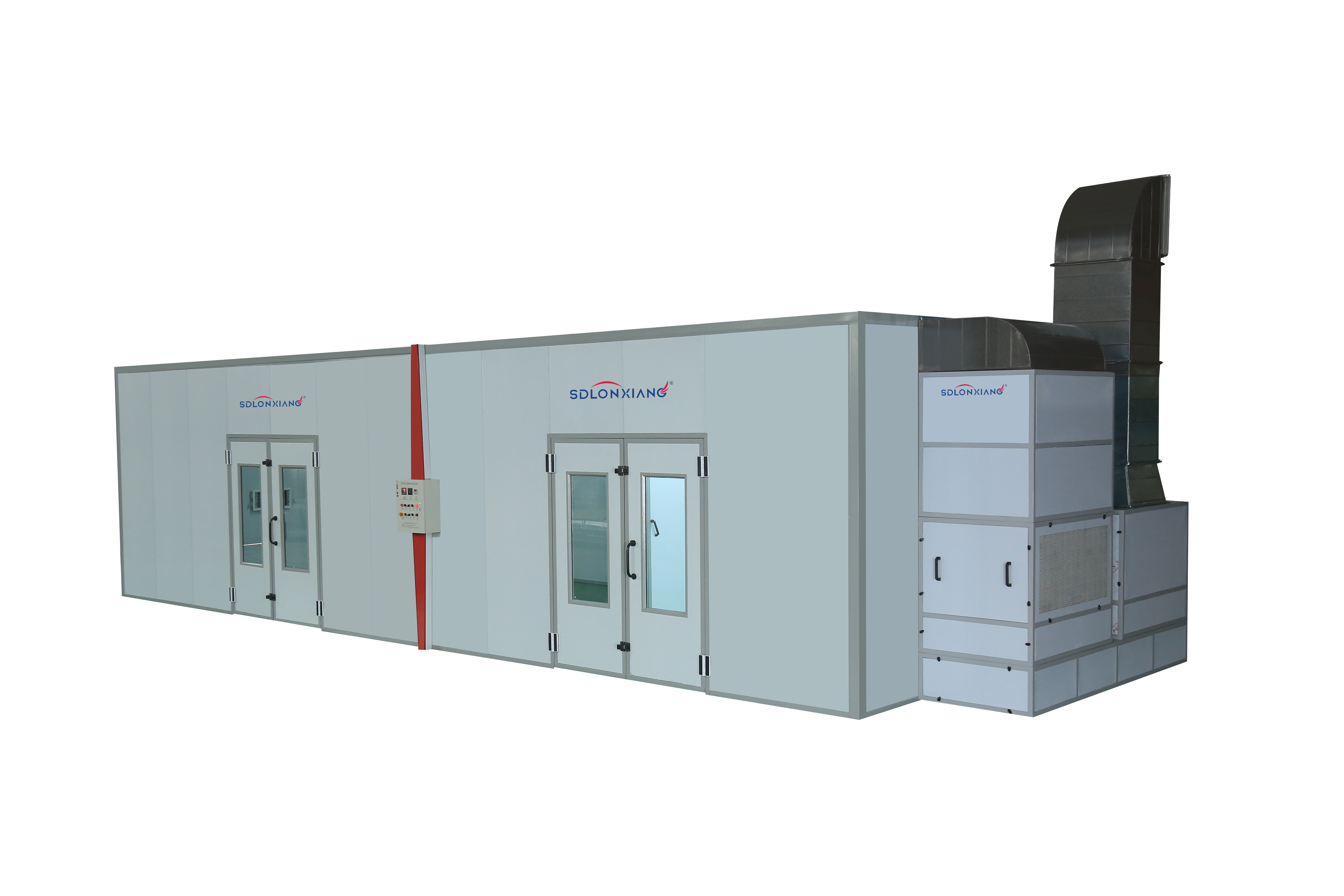
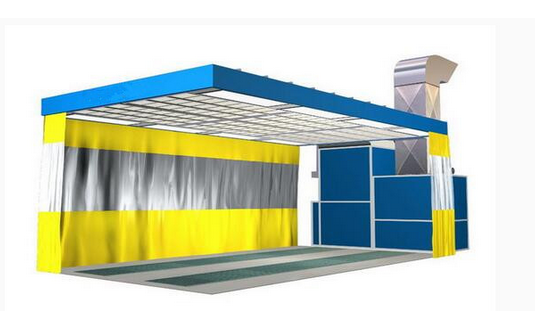
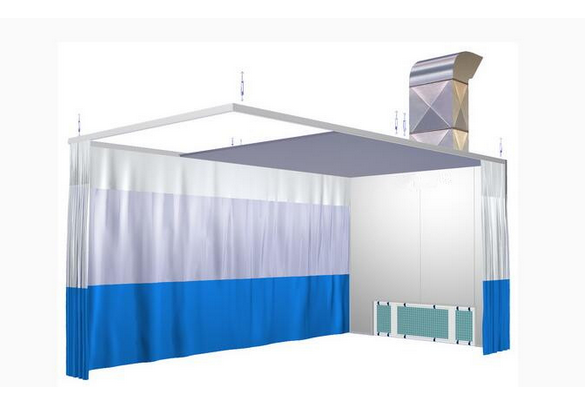
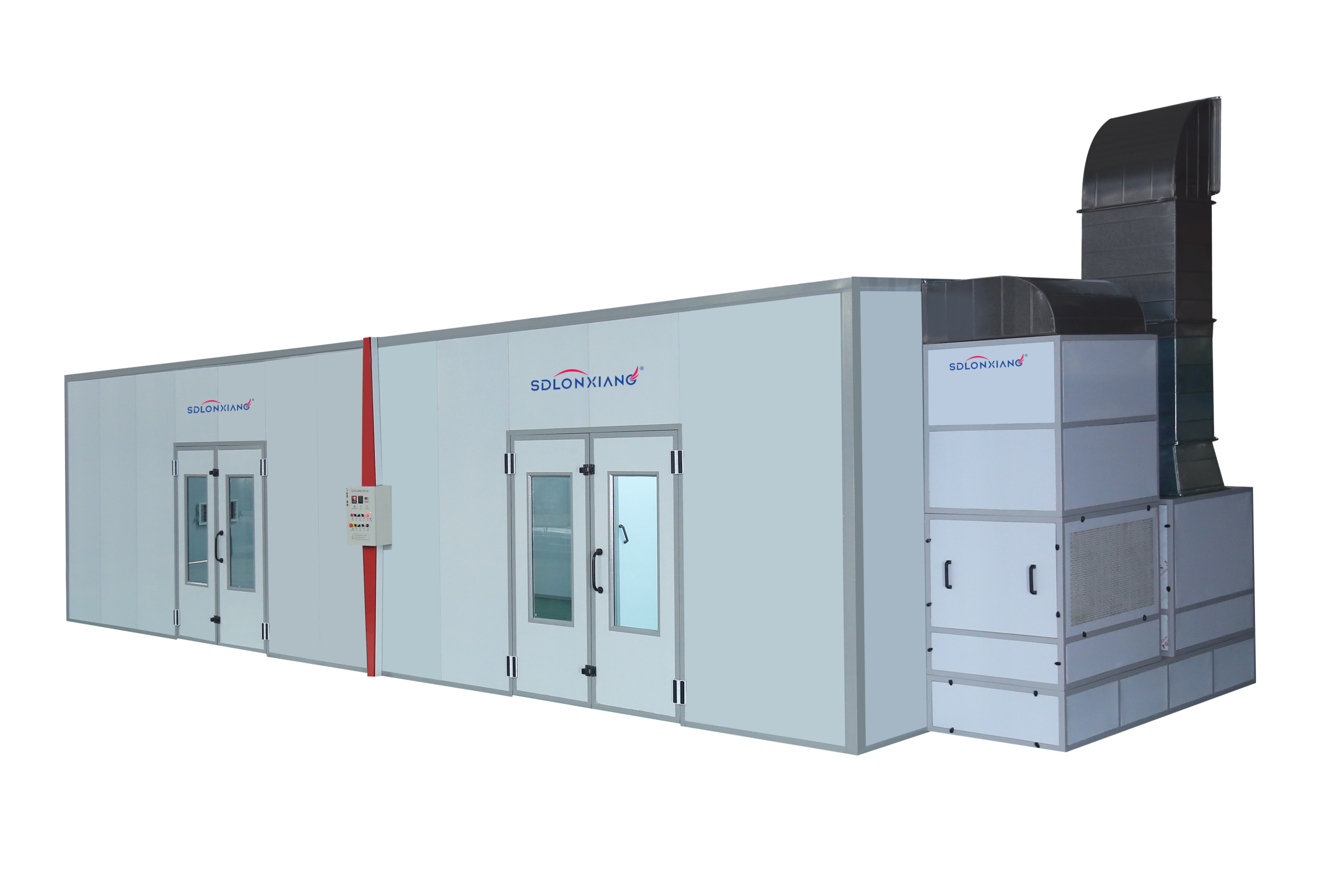
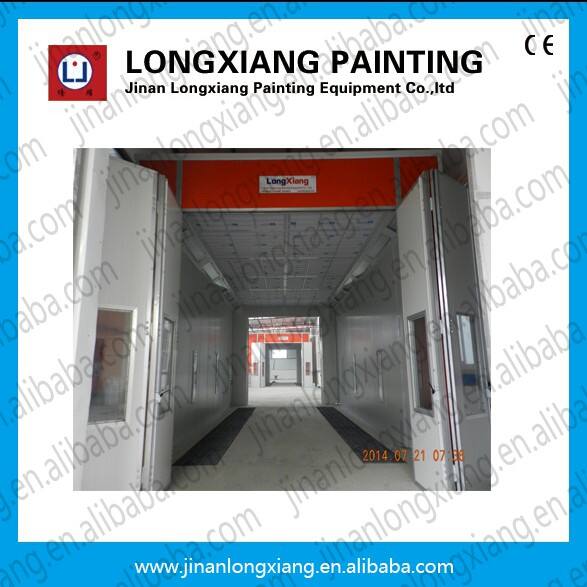
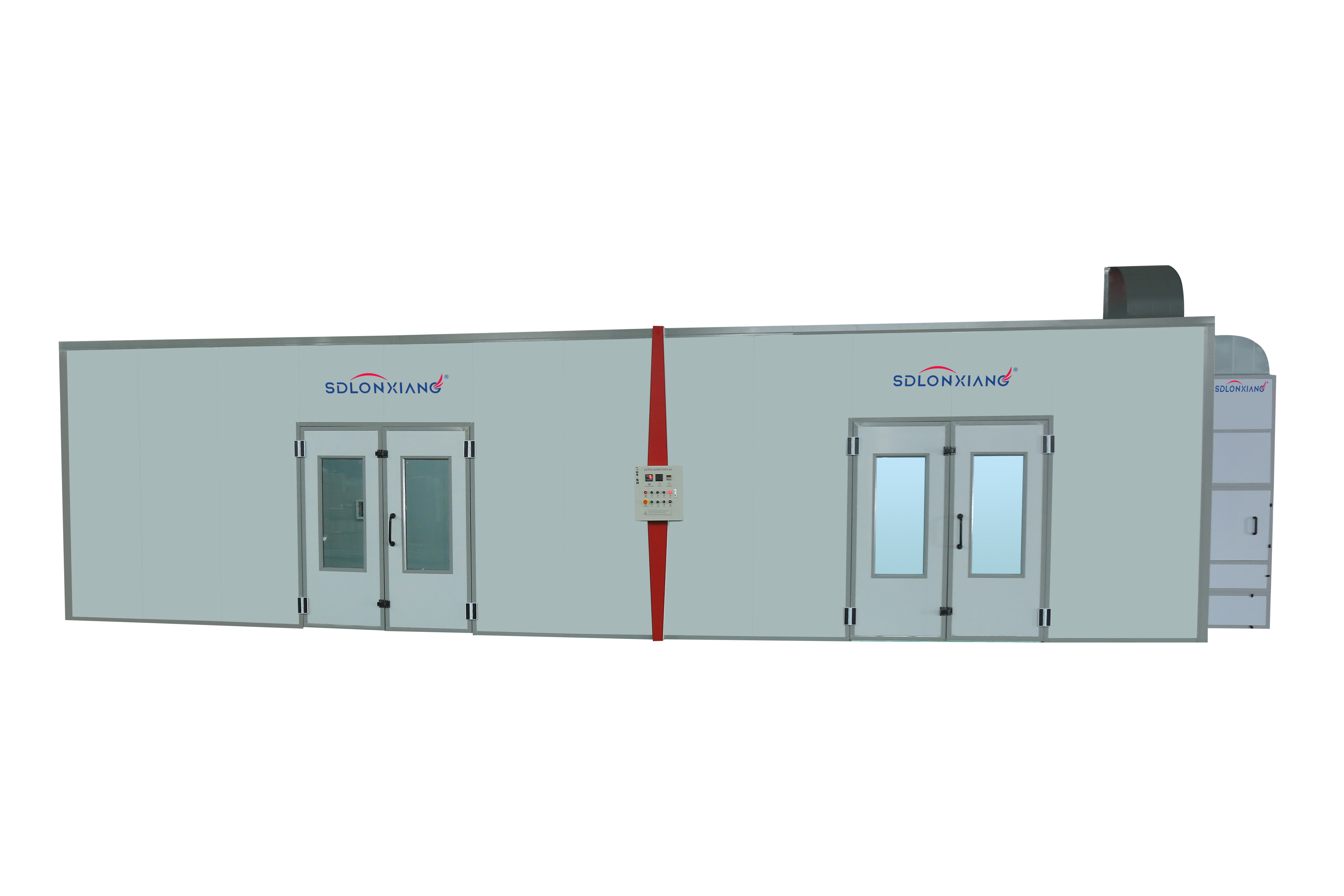
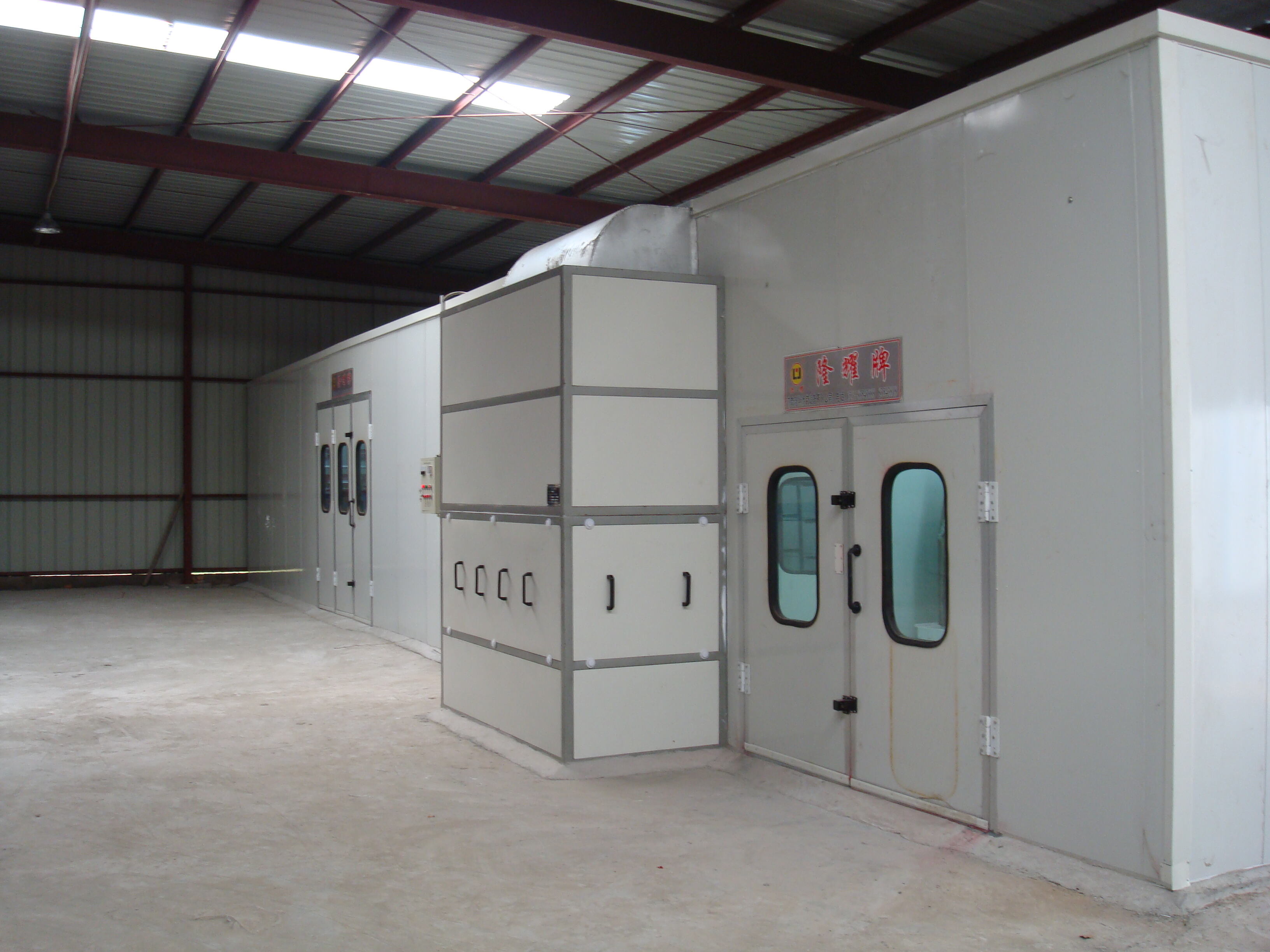
Garage paint booths represent cutting-edge solutions for automotive refinishing and industrial coating applications, designed to create controlled environments that ensure superior paint quality and finish consistency. These specialized enclosures function as dedicated workspaces where vehicles, machinery, and various components receive professional-grade paint treatments under optimal conditions. The primary function of garage paint booths centers around containing overspray, controlling airflow patterns, and maintaining consistent temperature and humidity levels throughout the painting process. Advanced filtration systems capture paint particles and contaminants, preventing them from settling on freshly painted surfaces while protecting operators from harmful fumes and chemicals. Modern garage paint booths incorporate sophisticated airflow management technology that creates laminar air movement from ceiling to floor, ensuring even paint distribution and rapid drying times. Temperature control systems maintain precise heating parameters, typically ranging from 60 to 180 degrees Fahrenheit, which accelerates curing processes and reduces overall cycle times. These booths feature multiple operational modes including spray mode for active painting and bake mode for accelerated drying and curing. The technological framework includes high-efficiency particulate air filters, activated carbon filtration for odor control, and exhaust systems that safely remove contaminated air from the workspace. Applications span across automotive repair shops, manufacturing facilities, custom vehicle modification centers, and industrial coating operations. Professional bodyshops utilize garage paint booths for collision repair work, restoration projects, and custom paint jobs that demand flawless finishes. Manufacturing environments deploy these systems for production line coating of automotive parts, machinery components, and consumer products requiring durable protective coatings. The controlled environment eliminates dust contamination, reduces material waste, and ensures consistent color matching across multiple projects.

 EN
EN