Customizable Design for Diverse Applications
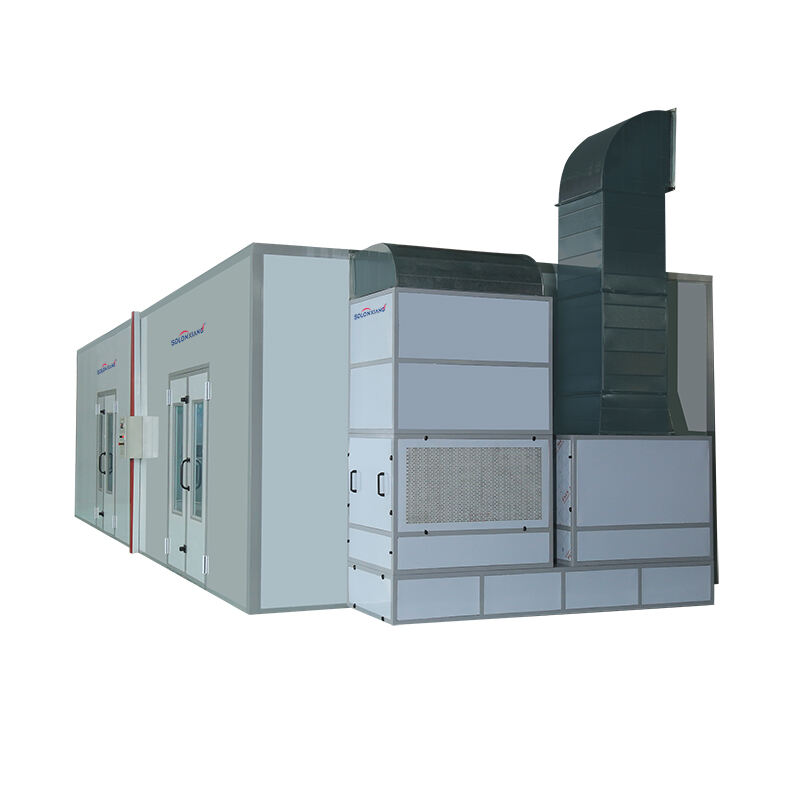
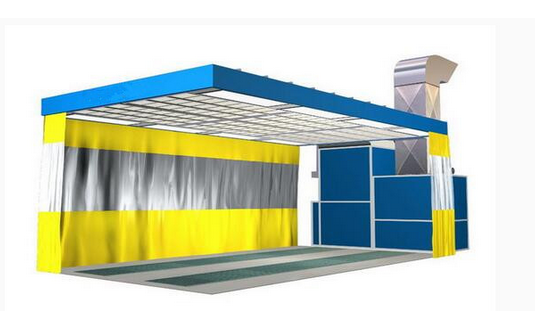
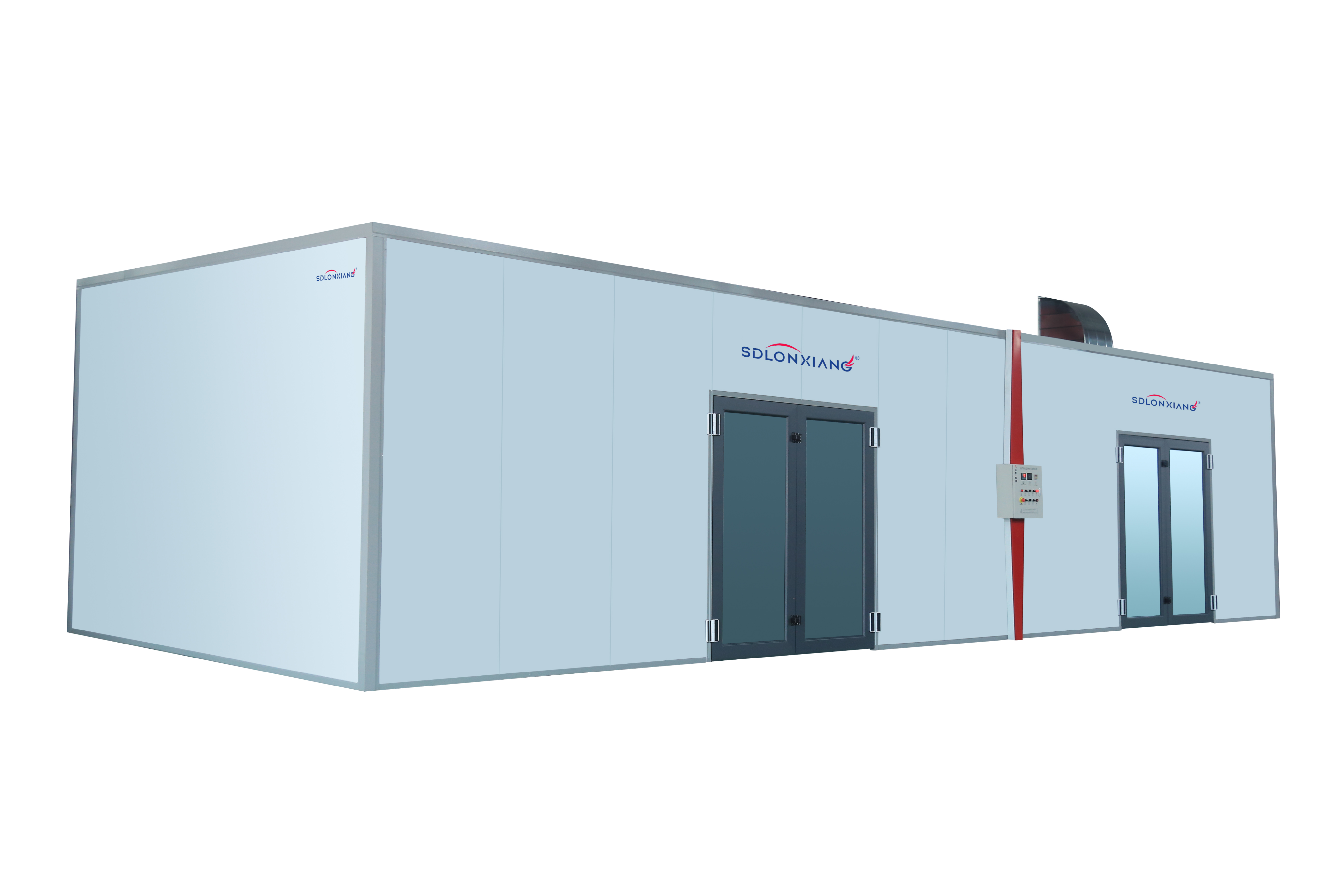
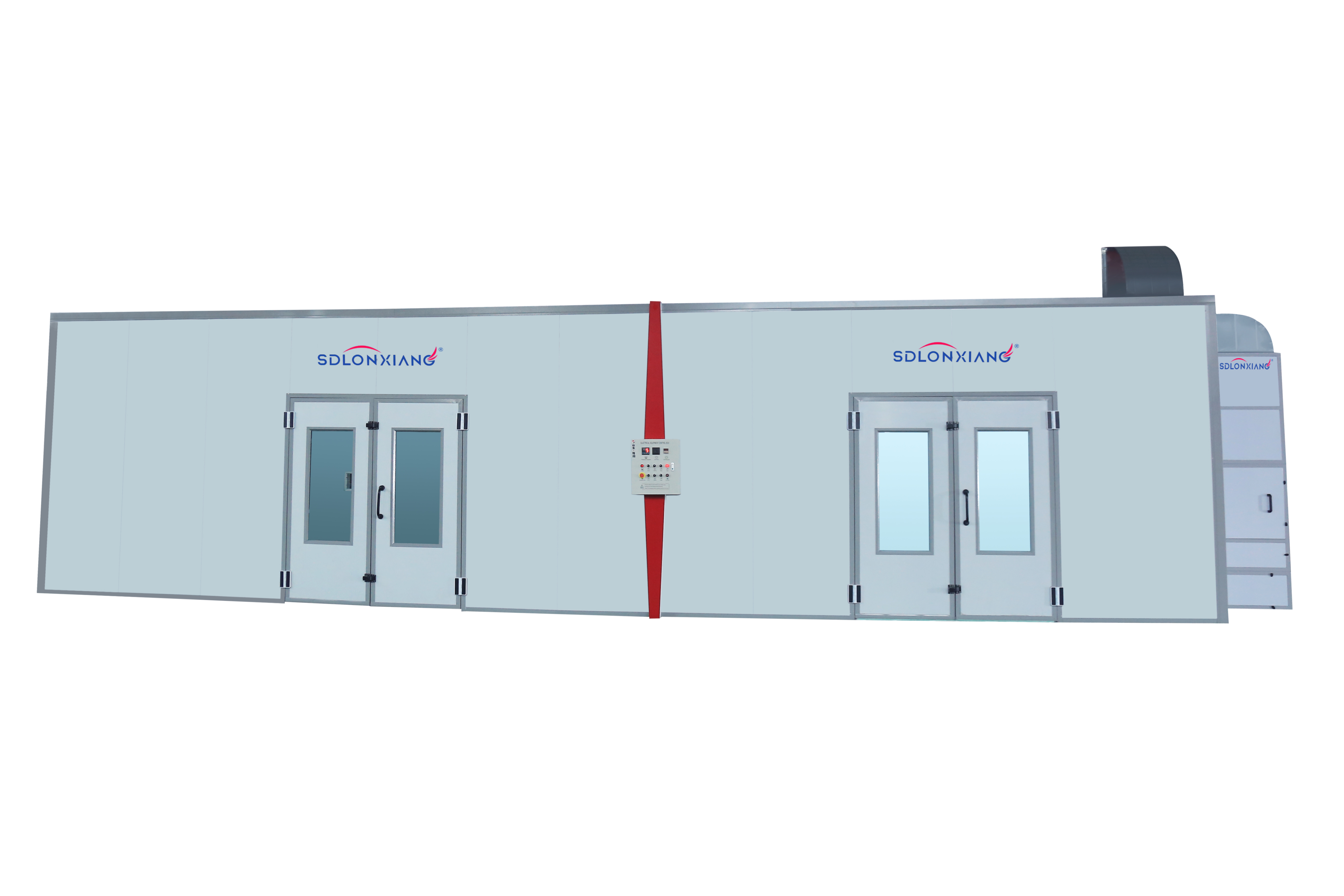
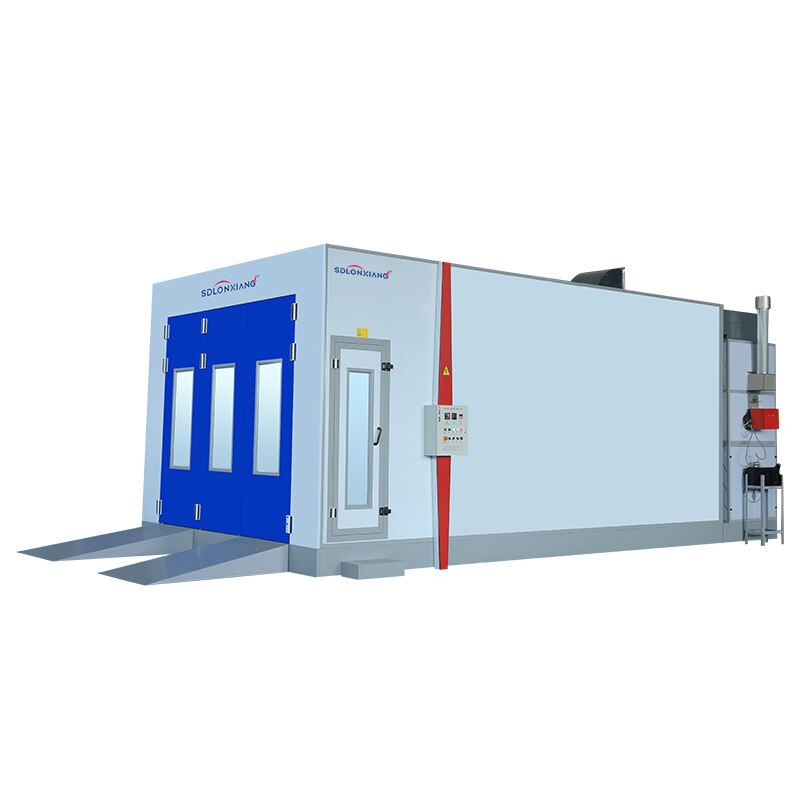
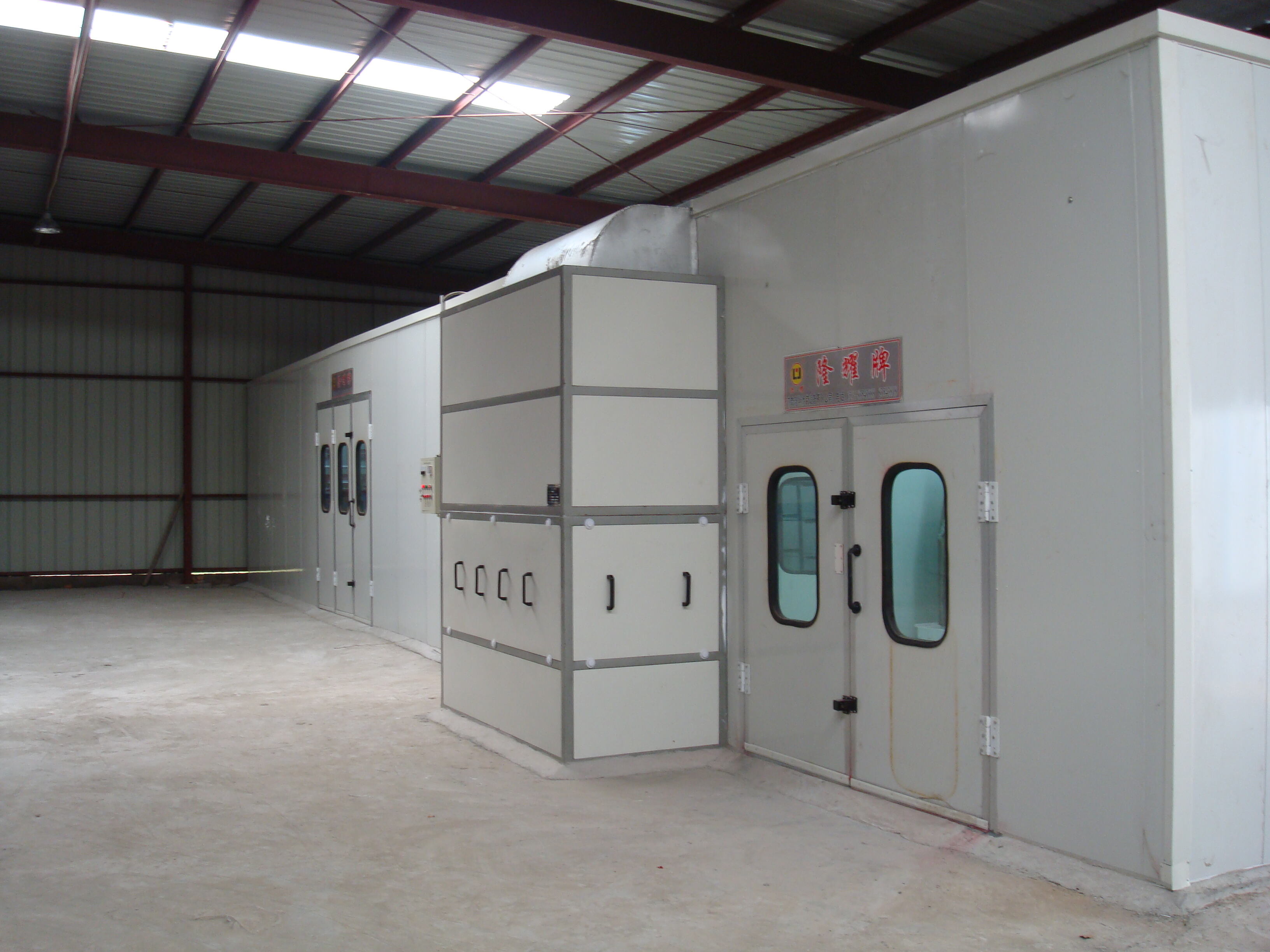
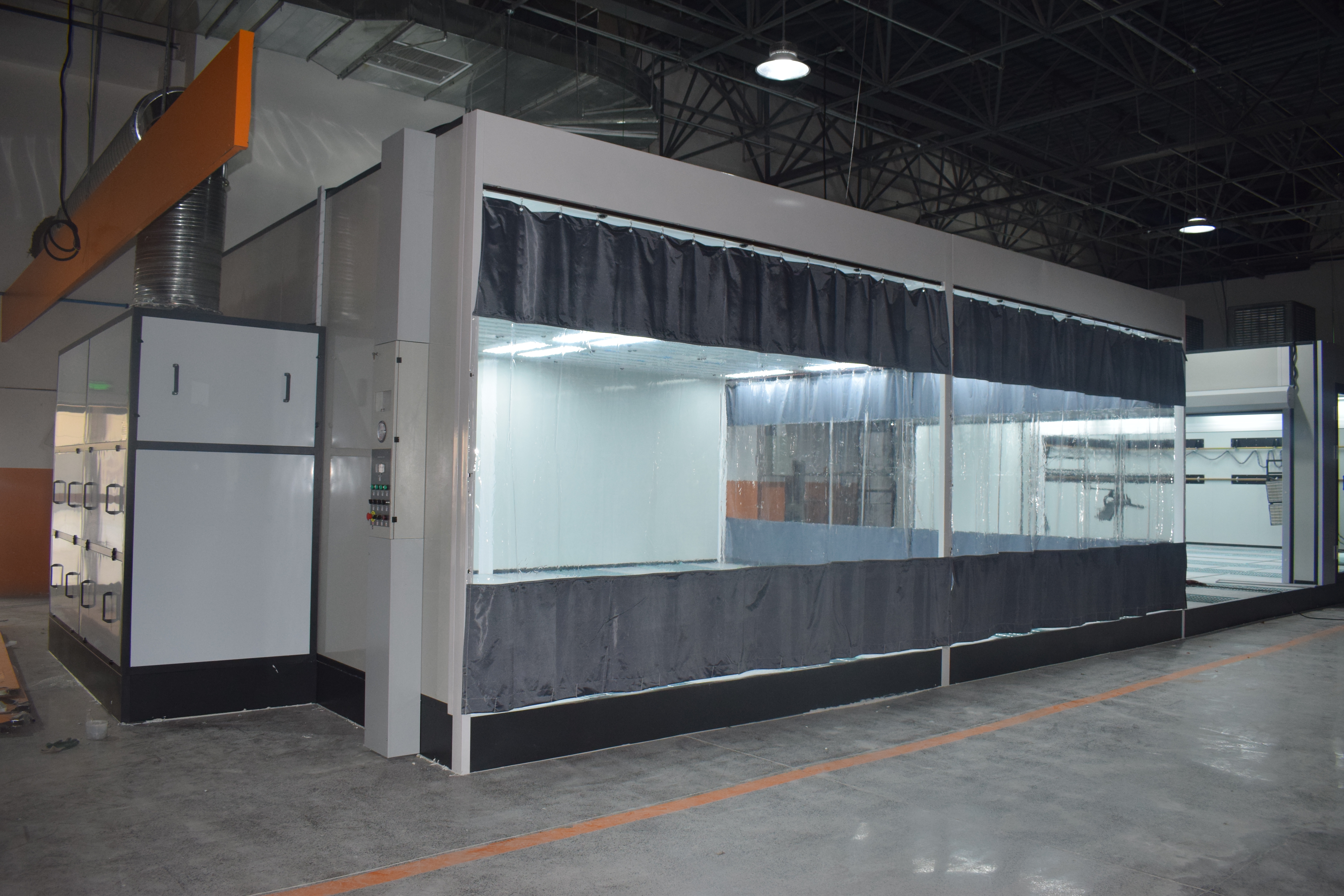
The flexibility inherent in building a paint booth allows businesses to create tailored solutions that precisely match their operational requirements and space constraints while maximizing efficiency and return on investment. Custom paint booth construction begins with detailed analysis of your specific coating needs, including part dimensions, production volumes, material handling requirements, and existing facility infrastructure. Drive-through configurations accommodate large items like vehicles and equipment that require access from multiple directions, while walk-in designs optimize space utilization for smaller parts and batch processing operations. The booth dimensions can be precisely calculated to handle your largest components while maintaining proper airflow patterns and operator accessibility for consistent results. Building a paint booth with modular construction allows for future expansion or reconfiguration as business needs evolve, protecting your initial investment while providing growth flexibility. Specialized features such as heated air systems, humidity control, and extended cure cycles can be integrated during construction to accommodate specific coating materials or quality requirements. The structural design considers factors like seismic requirements, wind loads, and integration with existing building systems to ensure long-term durability and code compliance. Door configurations range from personnel doors for walk-in access to large overhead doors for equipment entry, with options for pneumatic, hydraulic, or manual operation based on usage frequency and operator preferences. Interior surfaces receive specialized coatings that resist chemical attack from solvents while providing easy cleanup and maintenance. Lighting systems can be customized for specific inspection requirements, with options for color-corrected fixtures that reveal true paint colors during application and quality control processes. Building a paint booth with prep stations, mixing rooms, and curing areas creates integrated finishing systems that streamline workflow and improve overall efficiency. The electrical and control systems can incorporate programmable logic controllers for automated operation sequences, remote monitoring capabilities, and integration with plant management systems. Custom exhaust stack designs ensure proper dispersion of treated emissions while meeting local zoning and environmental requirements for your specific location and application.

 EN
EN