
 EN
EN
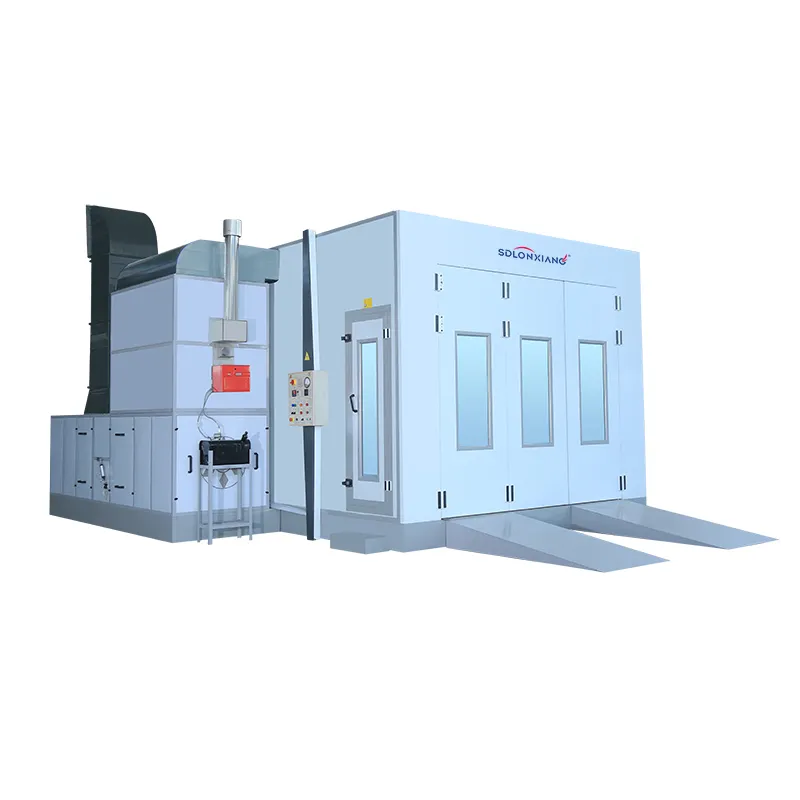
Understanding Furniture Spray Booth Fundamentals
Core Components of Modern Spray Booths
There are many pieces that can be considered to the design of a booth although various manageable elements that will create excellent finishes with modern spray booths. The gun is everything since the atomization of the paint is possible with an HVLP for even application. Ventilation fans, such as a high-velocity exhaust fan, are essential to good air quality by way of removing airborne debris and unsafe fumes. These elements are key to the success of work and the health of the workers.
Filtration is another important element, where HEPA and carbon are typical choices. These filters dramatically filter out the air pollutants which keeps the workspace a safe place to be. They capture dust, overspray and hazardous contaminants to keep indoor air quality at safe levels and meet safety requirements. In addition to that the booth's strong walls and ceiling create a containment envelope which controls overspray and keeps the quality of your working environment clean and functional, guaranteeing a longer life and better performance of your tools.
Role in Professional Furniture Finishing
Furniture spray booths are a necessity in high-end finishing environments to guarantee a consistent coating of paint and final finishes. This controlled environment is necessary to ensure the quality of finish that are acceptable or better than those standards used in the industry. With stability provided by the booth, you’ll have a uniform finished look on all furniture items, resulting in beautified and long-wearing furniture.
A number of manufacturers have discovered improved productivity in going to spray booths. These environments are controlled, so they have quicker turnarounds and less waste because of overspray, which makes them cost-effective. It is frequently used in conjunction with production line and other operating systems to provide solutions to a wide range of applications and materials which they deliver demands.High standards of the cabinets maintain its standing amongst markets that are environmentally friendly.
Key Advantages of Dedicated Spray Booth Systems
Precision Overspray Control Techniques
Spray accuracy counts towards the preventation of waste and the improvement of coverage and special-purpose spray booths employ sophisticated overspray control methods in order to meet these demands. Things like changing the spray so you have a few modes and being able to control distance can help a lot in efficiency. By giving the operators the ability to adjust the spray gun settings, such systems eliminate excessive paint use and guarantee even application. Some businesses report materials cost savings up to 30% as a result of good overspray control, industry experts say. Additionally, automation in spray booths results in uniform coating every single time with each pass, adding a layer of efficiency and dependability in production.
Consistent Quality Across Production Runs
The dedicated spray booth system is a controlled environment that minimises variability in the finishing spraying process. This controlled environment yields the benefits of high product quality, over production runs, due to consistent temperatures and airflow being crucial in order to achieve consistent finishes. Several researches have proved that the quality of products become significantly better for firms after applying these systems. This predictability equals - and exceeds - the consistency required by the industry for finished product quality. In addition, the purchase of a specially configured spray booth system leads to a direct increase in profits in the area of quality assurance, providing businesses which concentrate on producing quality products a substantial return on investment.
Optimizing Spray Booth Configurations
HVLP Technology for Flawless Coating
HVLP (High Volume Low Pressure) systems changed the means for obtaining great coatings while saving time. These systems are best known for minimized overspray and lessened material waste or utilization of transfer. New estimates put the overspray reduction factor for HVLP technology at 75 percent -- a considerable savings in paint material and a reduction in solvent released into the air, which is good for the environment. And since more paint reaches the surface, businesses see long term material cost savings, so the HVLP paint systems is cost effective too. HVLP technology enables you to achieve better finish quality, while doing more work with less paint and less time on the job, saving you labor and material costs!
Modular Designs for Flexible Workspaces
The development of modular staining booth systems has given greater choice when it comes to configuring a workspace. These bespoke booths can be tailored to specific business needs & fit within companies’ ever changing production demands, ensuring a viable long term option across a wide spectrum of products & production scales. Booths could be expanded or refigured using modular design to support different flows, much more efficiently. As a result of industry trends, there is a growing demand for flexible workspace solutions that allow for the efficient allocation of resources and rapid responsiveness to production needs. The trend towards such flexible designs highlights the changing requirements of the contemporary plant which needs this flexibility in order to remain competitive.
Safety and Compliance Considerations
VOC Management Systems
Volatile Organic Compounds (VOCs) are chemicals that have a great potential to affect human health and the environment. In spray booths, VOCs offgas from paints and other coatings, requiring effective control systems to diminish the VOC emissions. Management of VOCs is critical to comply with health regulations governing air emissions in different areas. As an example, the US Environmental Protection Agency (EPA) enforces strict standards for VOC emissions in order to maintain human health and environmental quality. There are technologies such as activated carbon filters and oxidizers which can be employed to capture and abate VOCs in order to achieve a safer, greener operation. By adopting these practices in spray booths, businesses can keep in compliance with regulations and strive to do their part for air quality and environmental sustainability.
Fire Suppression Requirements
As a form of application that uses flammable substances, spray painting carries a fire risk, and high-quality spray booths incorporate flame-suppression systems. OSHA and NFPA's preventive measures to minimize fire hazards in spray booths stress the need for fire safety codes. These agencies suggest the installation of automatic fire extinguishing systems to respond quickly to the fire whenever it occurs. These solutions provide a best practice approach to safety and are a requirement in order to keep in compliance with industry standards. Businesses that use fire suppression technologies keep their working environment safe and protect their assets, along with personnel, hence limiting their liabilities.
Selecting the Ideal Spray Booth Solution
Assessing Workshop Space Constraints
It’s important to check your workshop’s space before choosing a spray booth both workshop size and airflow needs vary greatly between booths. Failure to perform this process can result in placement problems that are a safety and operational problem. In the workshops I've worked in, spaces could vary from a small garage to a large factory. Each setup encourages the perfect positioning - safe for safe use and optimal air flow. Think of adding designs that optimize functionality by providing for plenty of space to move and keeping the booth's air filters in good working condition. This not only increases safety, but also the effectiveness and economic efficiency of the work process.
Matching CFM Ratings to Project Needs
Knowing the basics of CFM is crucial, as having proper airflow is necessary to for finish quality and a safe spraying booth environment. An under-powered CFM can stop any possible issues such as bad painting jobs and dangerous working conditions from poor ventilation. On the other hand, an over-rated CFM would cause unnecessary costs without a reasonable return. I always recommend using various charts for determining what is the appropriate CFM’s any given job requires for given size and project specifications. This guarantees project-specific requirements are met effectively and promotes a safe working environment.
Maintenance Best Practices
Filter Replacement Schedules
Regular cleaning and maintenance of filters is key to a spray booth's performance and air quality. Particles build up on filters to restrict airflow and diminish the quality of the finished spray. As such, it is crucial to replace the filters according to the suggested time frame. Filters generally need to be checked on a bi-weekly basis with replacement taking place every two to three months based on usage frequency and manufacturer recommendations. Leading professionals in the field stress the importance of changing filters regularly to avoid degradation and costly losses in booth efficiency. For example, finishing expert Michael Dresdner mentions that fouled filters can cause the fan to burn out if not changed routinely, which indicates their importance in air quality control.
Airflow Calibration Protocols
Steady airflow calibration is fundamental to the control of quality of the spray and to the energy efficiency in a spray booth. Routine calibration verification helps to optimise airflow to suit the project in hand, which is vital if the finish is to be of the best quality. Such airflow checks and adjustments are desirable monthly. "Sometimes you're looking at a fan that's running 50 per cent faster than it should be, and that can be an issue too," he says."What happened if we just opened this baffle to help this air move up? According to data, proper airflow calibration can improve booth performance by as much as 20%, which translates to better spraying results and less energy consumption. These guidelines will help the user maintain the booth at peak performance, maintaining the quality of work and the productivity.
Future-Proofing Your Finishing Process
Energy-Efficient Upgrades
In today's market being competitive is not only a trend, it is an absolute must, especially for energy-saving retrofits of spray booths. Undertaking the introduction of such technology as LED lighting, high-efficiency ventilation systems will drastically cut back electricity consumption and increase operational efficiency. These improvements, which save as much as 30% of power usage, have resulted via an industry survey in substantial savings to date. With that in mind, it pays—for your profits and peace of mind—to choose sustainable solutions that help future-proof your furniture spray booth operations and your commitment to environmentally-responsible finishes that are consistent with today’s cutting-edge production standards.
Smart Monitoring Integration
Smart Monitoring Integration into spray booths is a state-of-the-art feature designed to optimize productivity and life expectancy. Real time data tracking This is a system that is designed to make spray booths more productive and less of a hassle to maintain. Real-time data also enables businesses to track factors such as temperature, humidity and airflow efficiency to ensure perfect spray quality and reduce downtime. For example, certain smart systems notify maintenance staff of potential problems before they cause downtime. This does not just optimize performance monitoring, but also prolongs life of equipments and minimizes operational cost. Adopting these technologies helps position companies as innovative, proper spray booth operations-run of the shop become only more efficient and cost-effective.
FAQ
What are the core components of a modern spray booth?
The core components of a modern spray booth include the spray gun, ventilation systems with exhaust fans, and filtration systems with HEPA and carbon filters. These elements ensure smooth paint application, maintain air quality, and contain overspray.
Why are furniture spray booths important in professional finishing?
Furniture spray booths provide a controlled environment that ensures uniform application of finishes, meeting high industry standards. They enhance production efficiency, reduce wastage, and ensure compliance with safety and environmental regulations.
How does HVLP technology benefit spray booth operations?
HVLP technology reduces overspray and improves transfer efficiency, conserving paint materials and minimizing solvent emissions. This results in superior finish quality, material cost savings, and supports sustainable practices.
What role do VOC management systems play in spray booths?
VOC management systems capture and treat volatile organic compounds emitted from paints, ensuring compliance with health regulations and contributing to better air quality and environmental stewardship.
How important is airflow calibration in spray booths?
Airflow calibration is critical for maintaining spray quality and energy efficiency. Regular checks and modifications ensure optimal airflow, resulting in better spraying outcomes and reduced energy consumption.