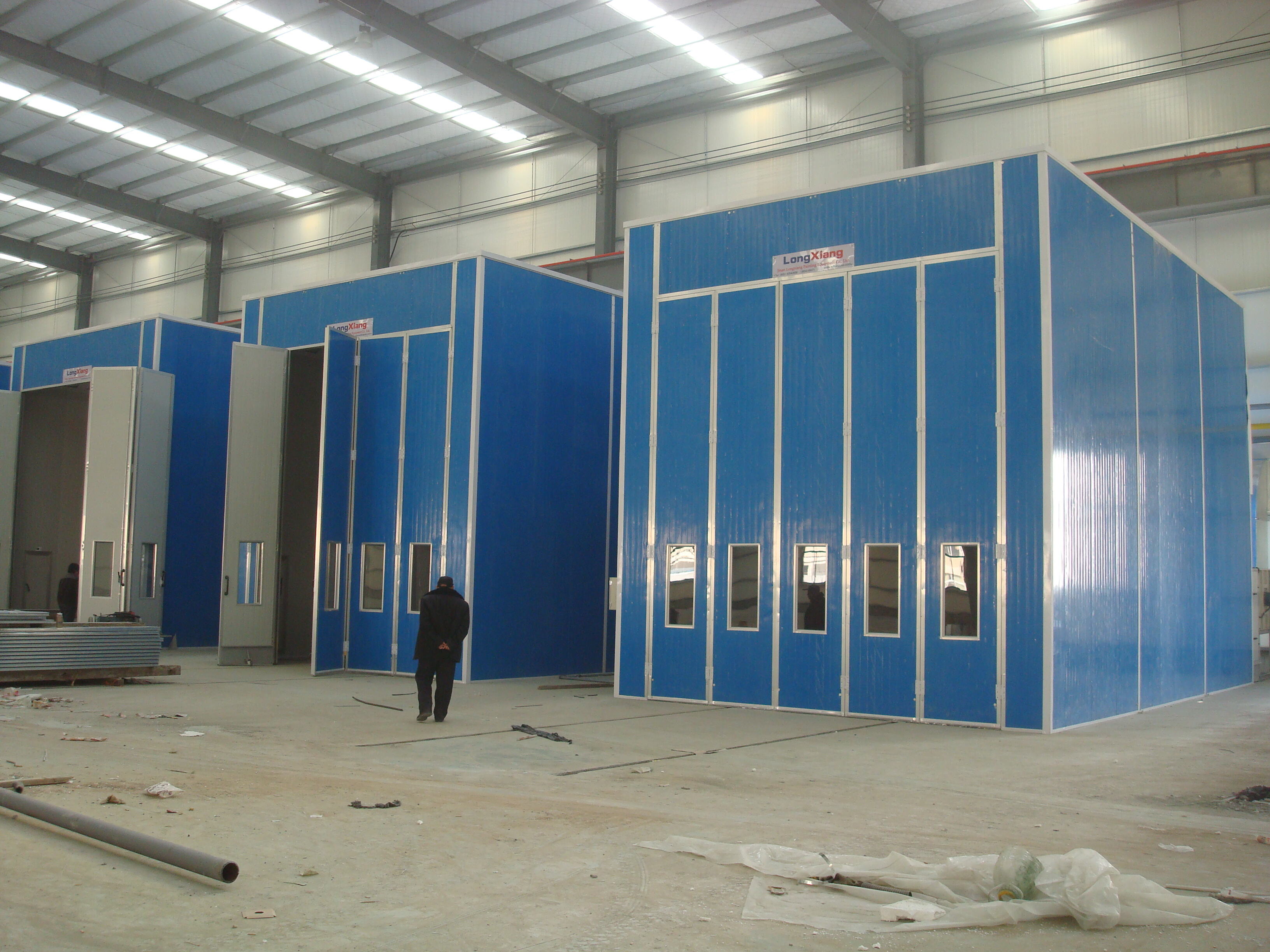
automotive spray booth prices
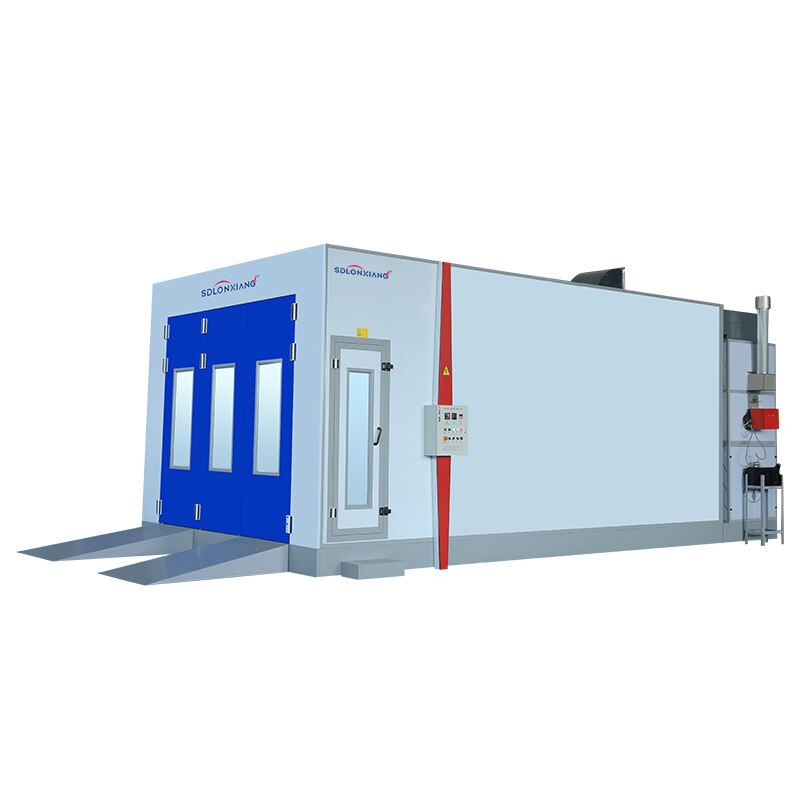
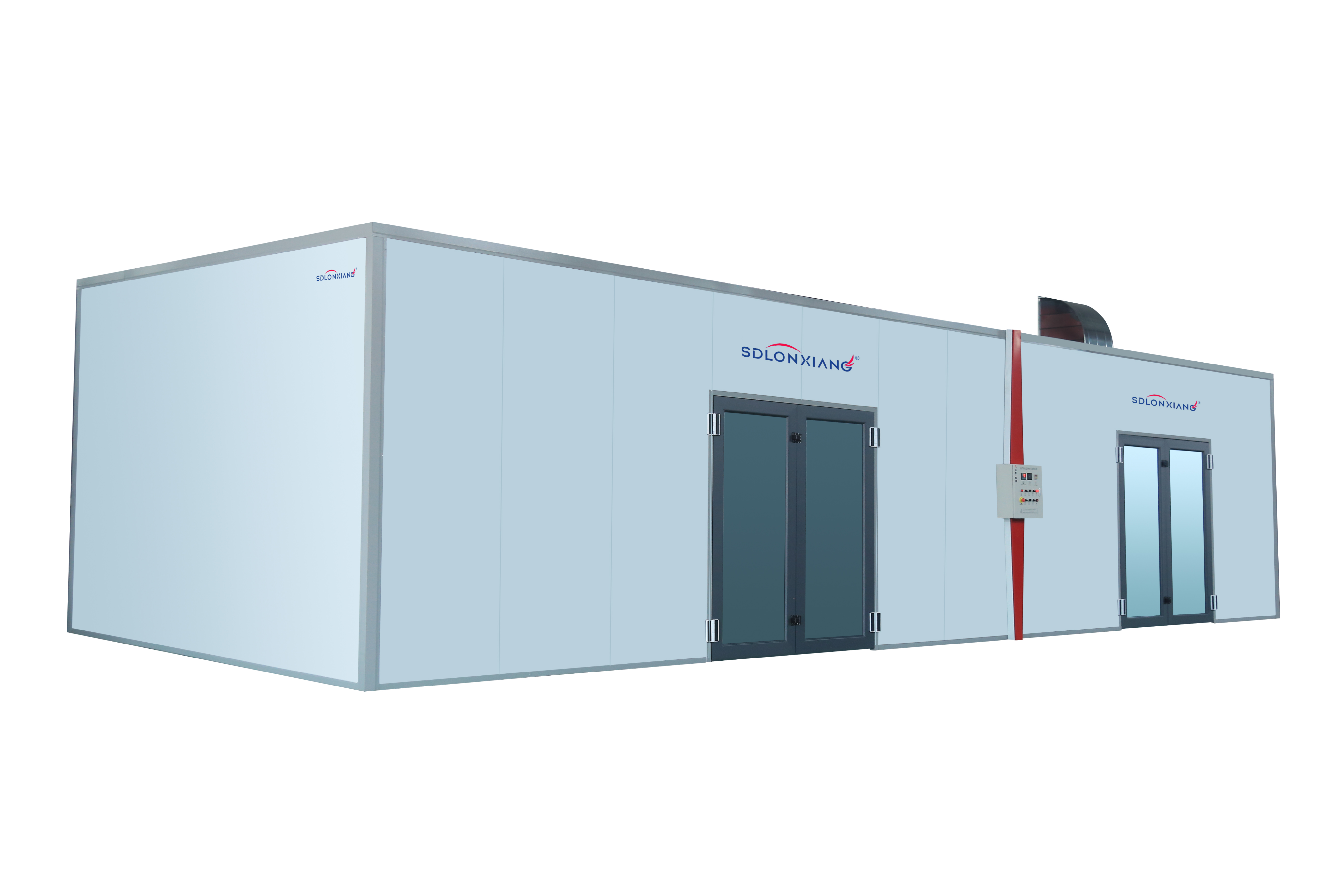
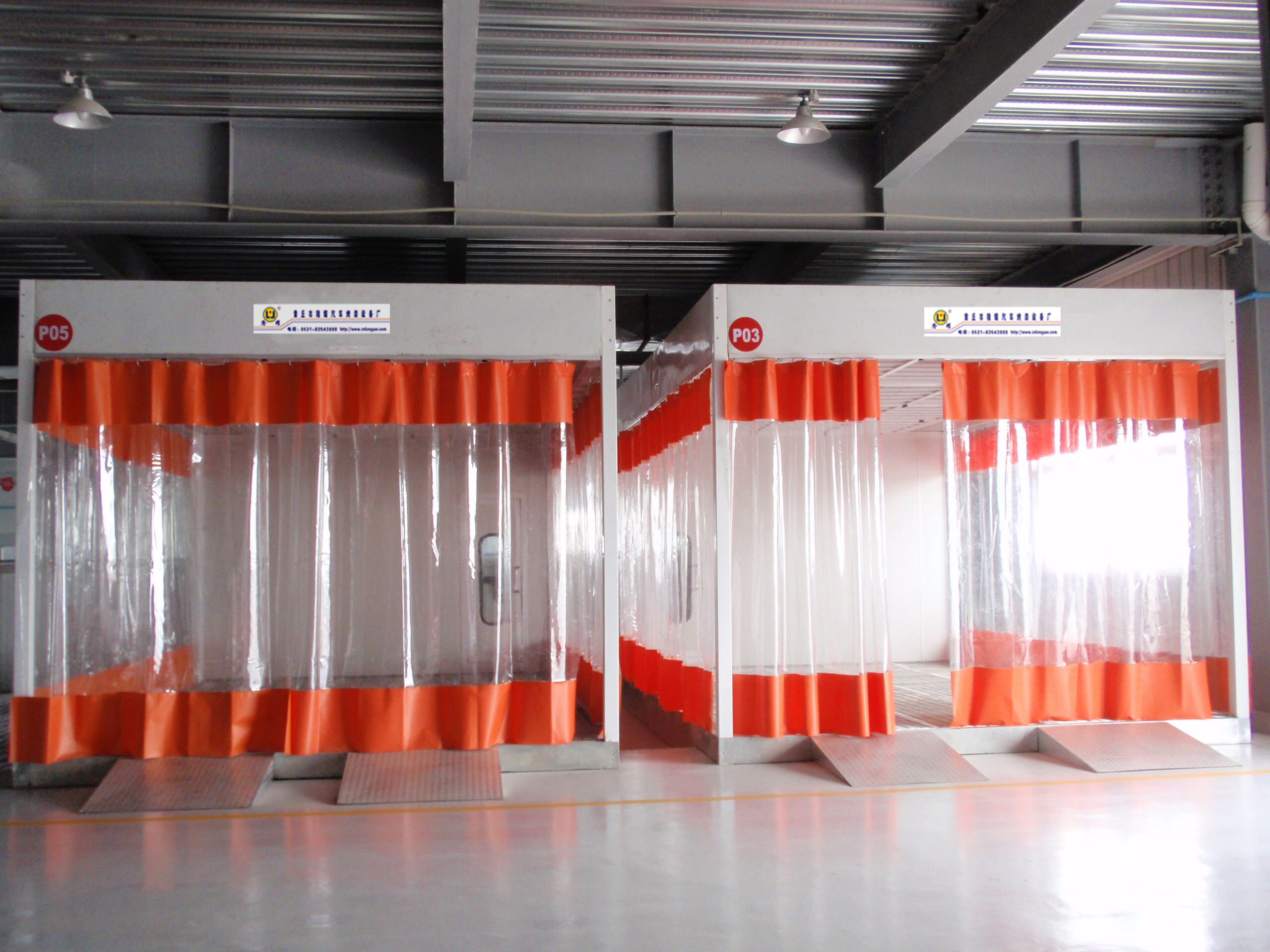
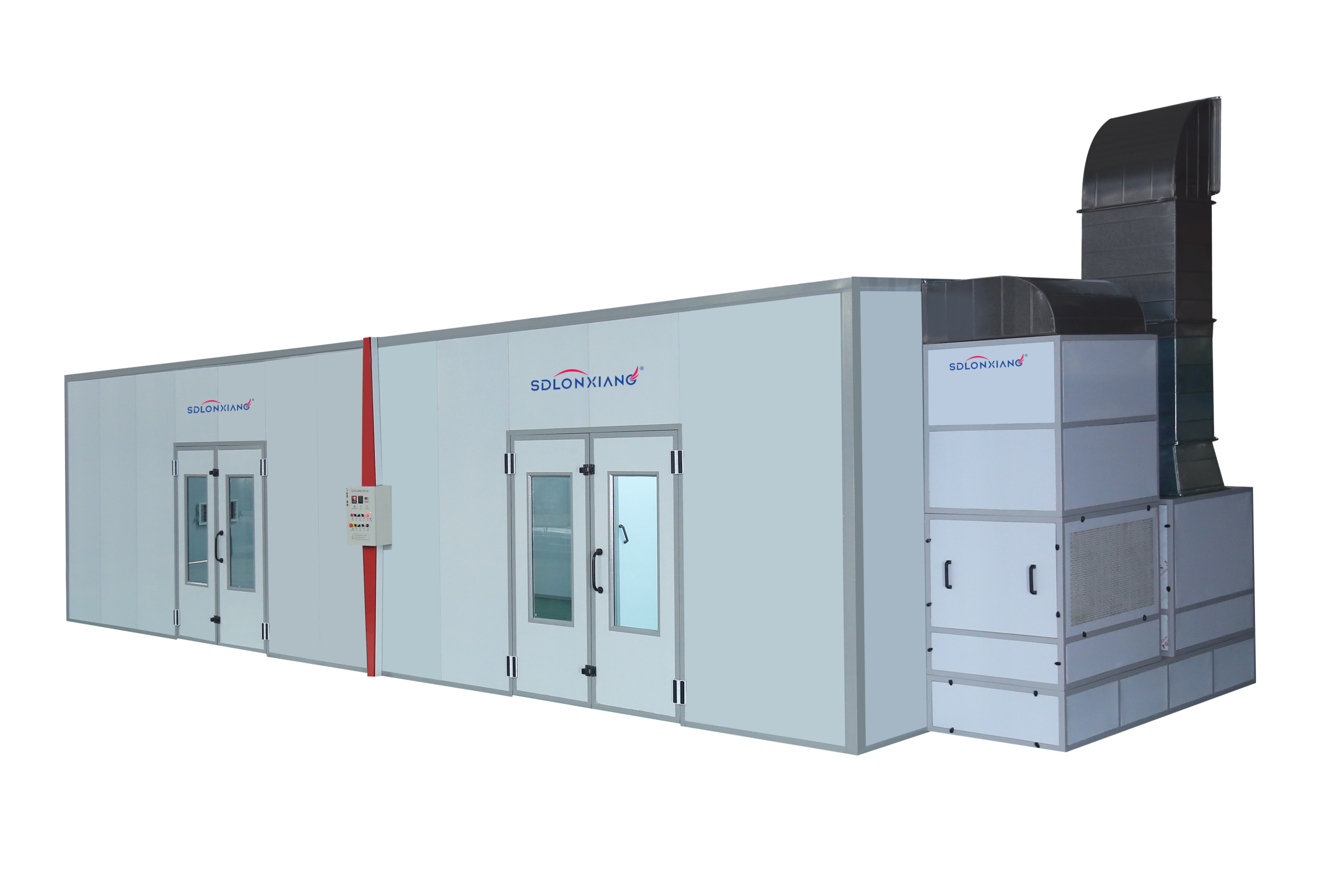
Understanding automotive spray booth prices requires examining the comprehensive technology systems that define modern vehicle painting operations. These specialized enclosures represent sophisticated engineering solutions designed to create controlled environments for applying paint coatings to vehicles. Automotive spray booth prices vary significantly based on size specifications, filtration capabilities, heating systems, and automation features that determine overall performance quality. The primary function centers on containing overspray while maintaining optimal temperature and humidity conditions during paint application processes. Advanced ventilation systems ensure proper airflow patterns that eliminate contamination risks and promote uniform paint coverage across vehicle surfaces. Modern booths incorporate multi-stage filtration technology that captures paint particles and volatile organic compounds before releasing clean air into the environment. Temperature control mechanisms maintain consistent heat levels throughout the painting process, ensuring proper paint adhesion and curing times. Automotive spray booth prices reflect the complexity of these integrated systems that combine structural components, electrical controls, and safety features into comprehensive solutions. Applications span across dealership service centers, independent repair facilities, custom paint shops, and large-scale manufacturing operations requiring consistent paint quality standards. The booth construction typically features steel framework with insulated panels that provide thermal efficiency and sound dampening properties. Lighting systems utilize specialized fixtures that deliver optimal illumination without creating heat spots or shadows during paint application. Air makeup systems bring in fresh outdoor air while exhaust fans remove contaminated air through sophisticated filtering processes. Control panels allow operators to adjust temperature settings, airflow rates, and timing cycles based on specific paint requirements and environmental conditions. Safety features include explosion-proof electrical components, emergency shutoff systems, and fire suppression capabilities that protect both equipment and personnel during operations.

 EN
EN