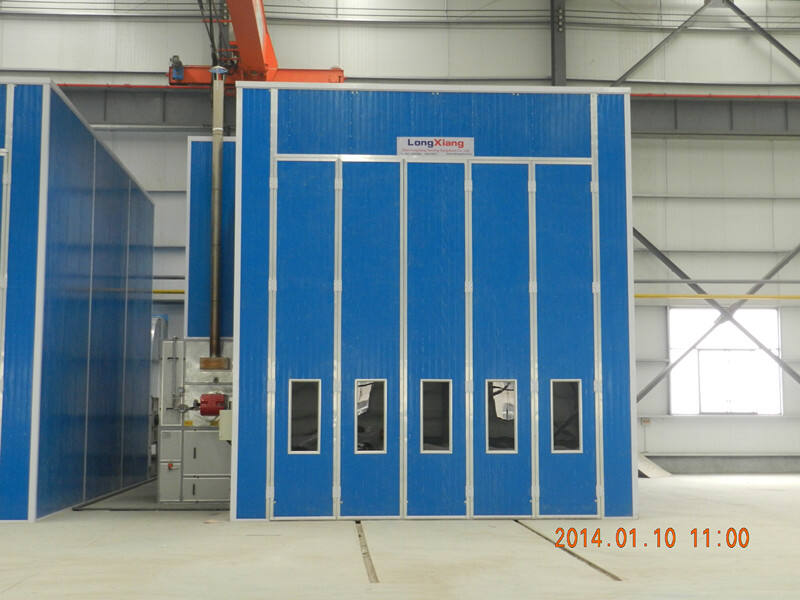
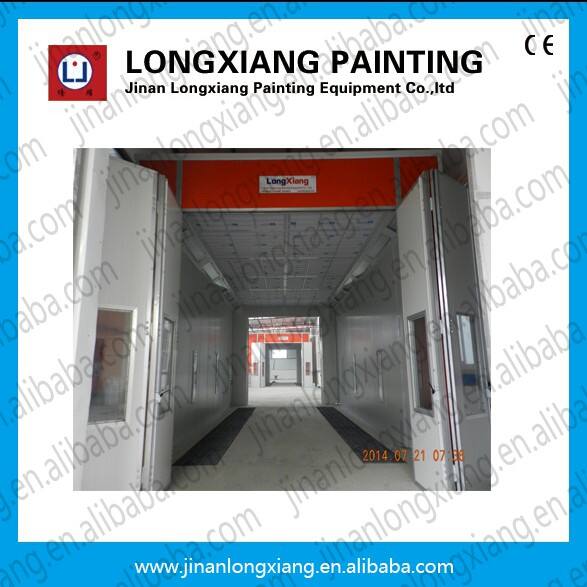
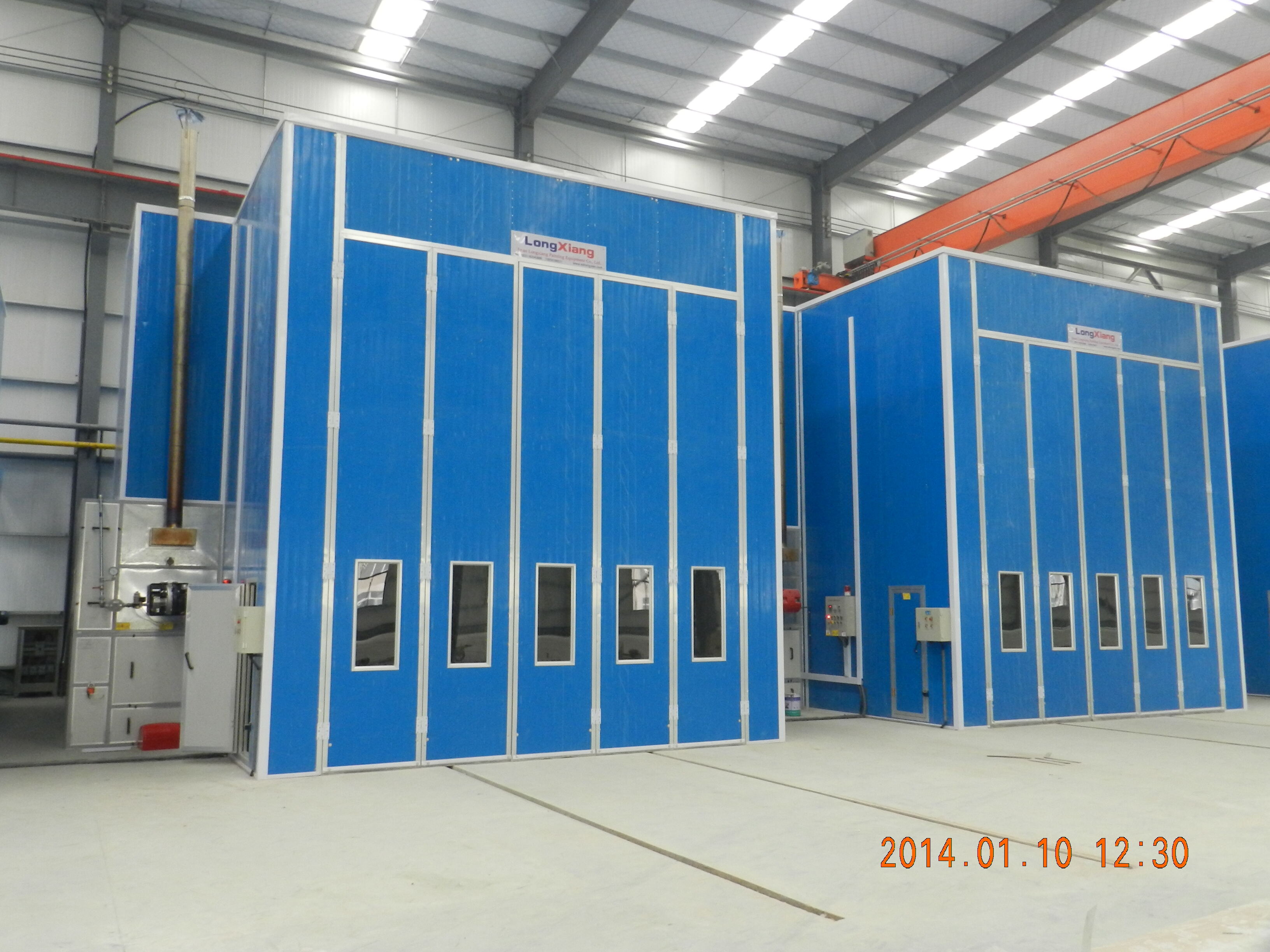
automated paint booth
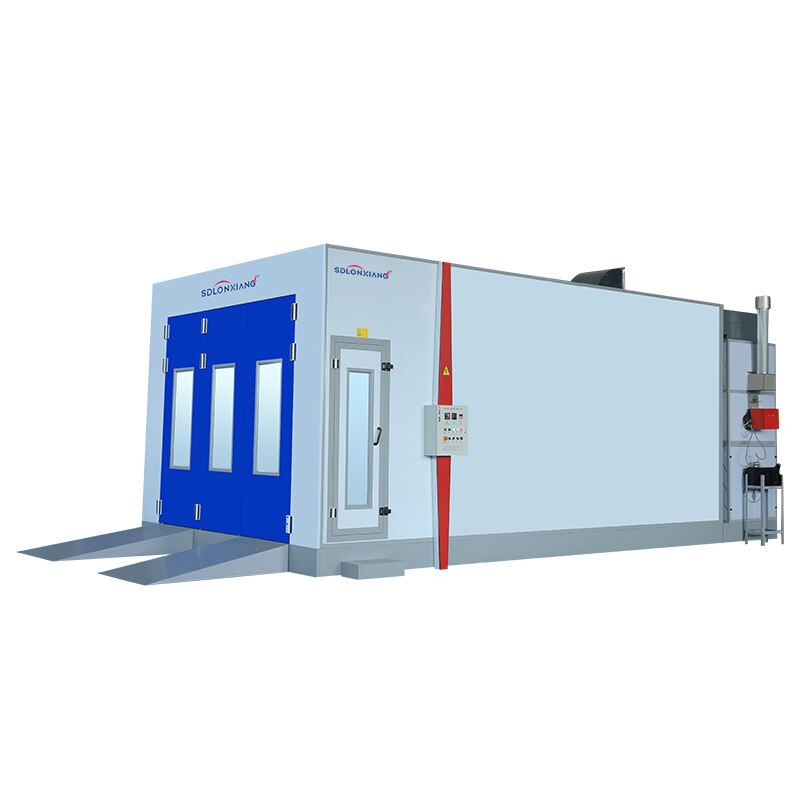
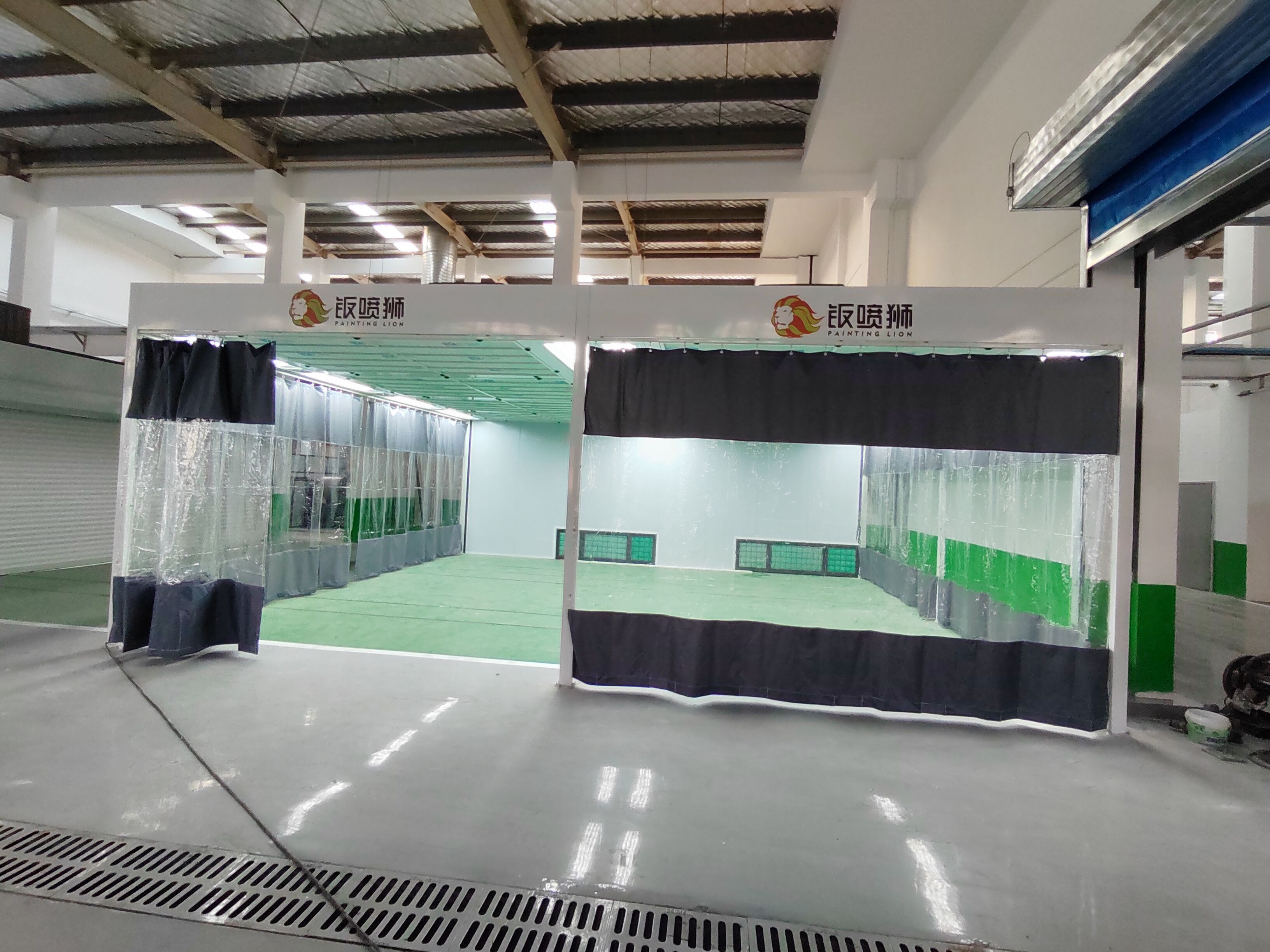
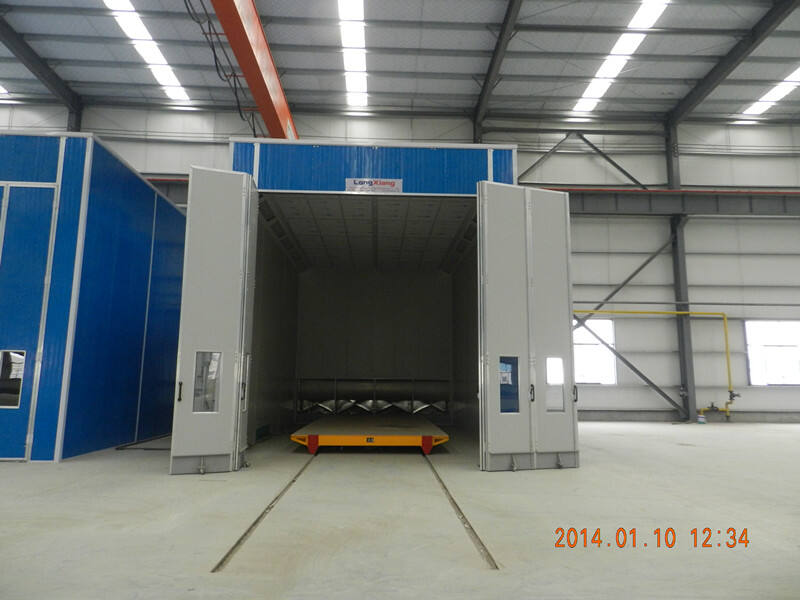
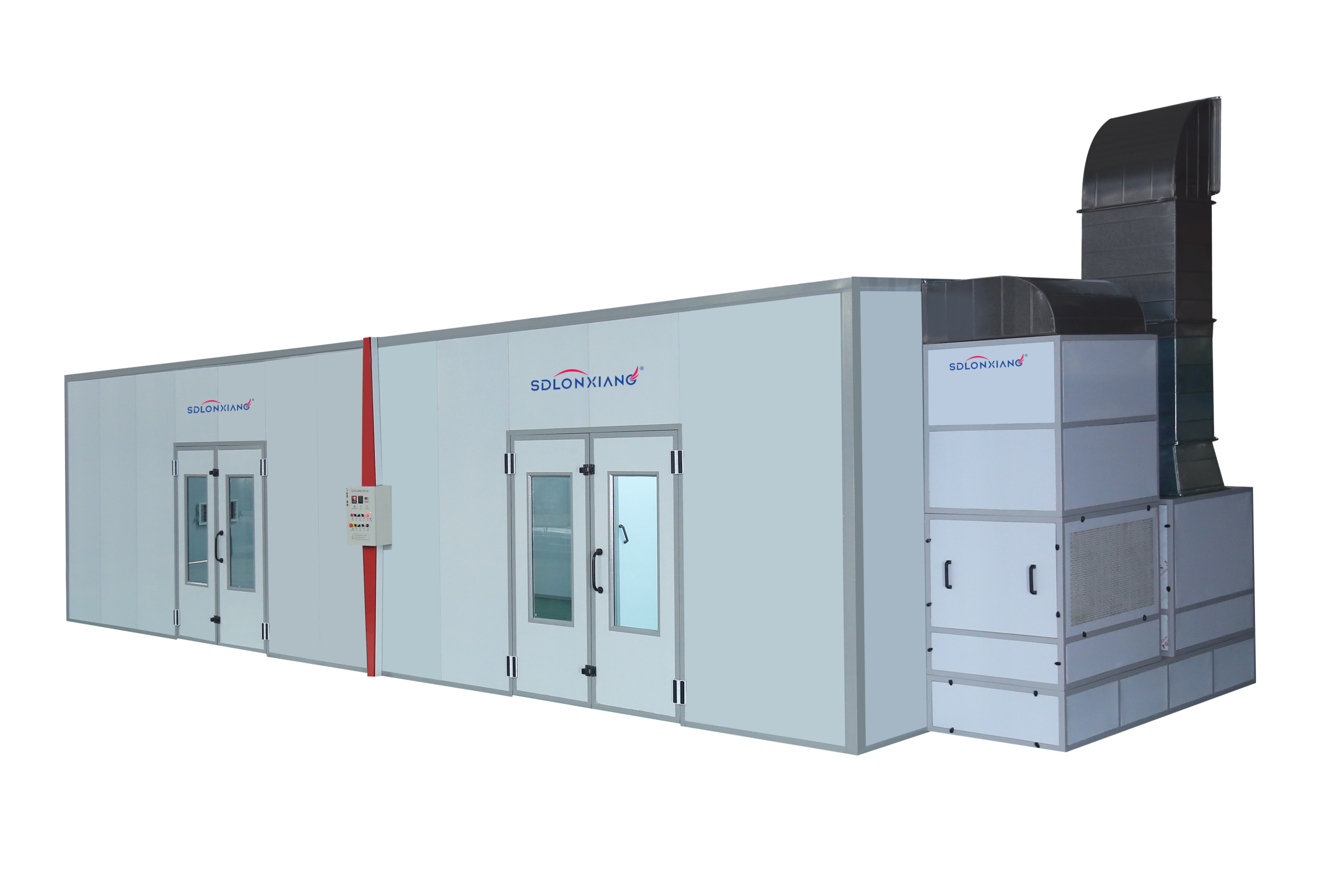
An automated paint booth represents a revolutionary advancement in industrial coating technology, designed to deliver consistent, high-quality finishes while maximizing operational efficiency. This sophisticated system integrates cutting-edge robotics, precision spray equipment, and intelligent control mechanisms to create an optimal painting environment. The automated paint booth operates through a series of interconnected processes that ensure uniform coating application across various surfaces and materials. At its core, the system features temperature and humidity controls that maintain ideal environmental conditions for paint adhesion and curing. The booth incorporates advanced filtration systems that capture overspray and maintain clean air circulation, protecting both the work environment and the quality of finished products. Programmable logic controllers manage the entire operation, allowing operators to configure specific parameters for different coating requirements. The automated paint booth includes conveyor systems that transport items through designated painting zones at predetermined speeds, ensuring consistent exposure times. Robotic spray arms equipped with high-precision nozzles deliver paint with exceptional accuracy, reducing waste and eliminating human error. Safety features include emergency shutdown protocols, fire suppression systems, and explosion-proof electrical components that meet stringent industrial standards. Modern automated paint booths support various coating types, from liquid paints to powder coatings, accommodating diverse manufacturing needs. The system's modular design enables customization based on production volumes and facility constraints. Data logging capabilities track performance metrics, quality parameters, and maintenance schedules, providing valuable insights for continuous improvement. Integration with existing manufacturing execution systems allows seamless coordination with upstream and downstream processes. The automated paint booth significantly reduces labor requirements while improving throughput consistency, making it an essential component in modern manufacturing operations across automotive, aerospace, furniture, and general industrial applications.

 EN
EN