
 EN
EN
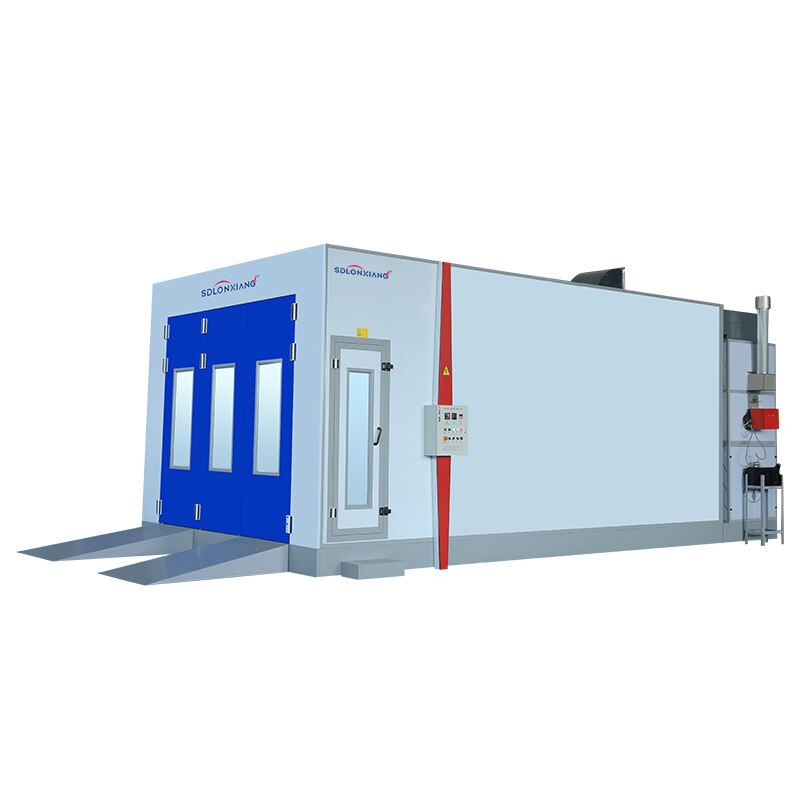
Achieving consistent paint quality in automotive and industrial applications depends heavily on the operating condition of your spraybooth. When spraybooth maintenance protocols are neglected, even the most skilled technicians and premium paint products cannot deliver the flawless finishes that customers expect. Proper spraybooth maintenance creates the controlled environment necessary for optimal paint adhesion, color matching, and surface smoothness across every project.
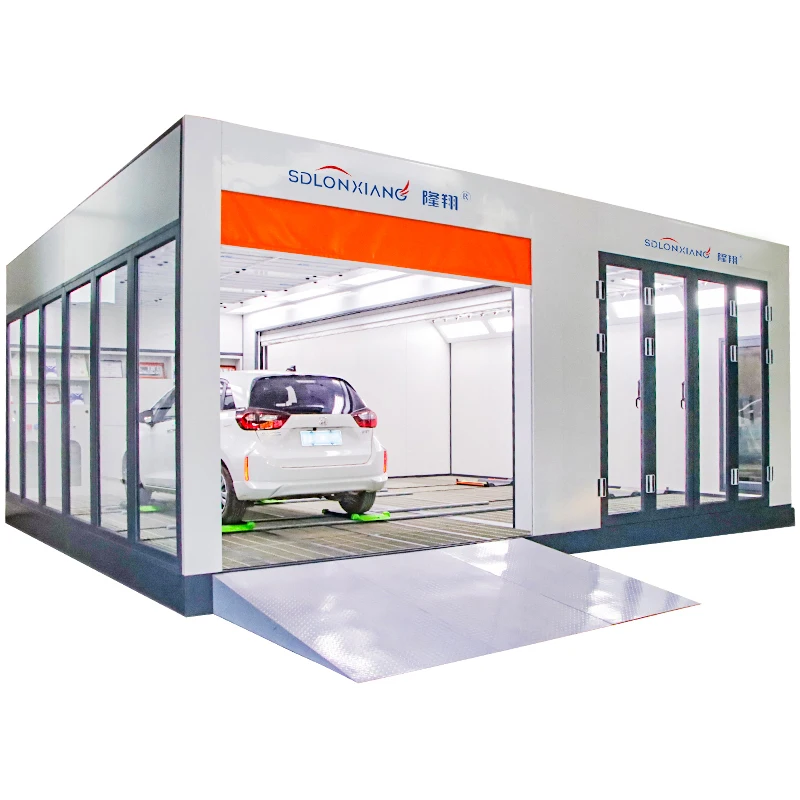
The relationship between spraybooth maintenance and paint quality extends far beyond basic cleanliness. Every component of your spraybooth system—from air filtration and ventilation to lighting and temperature control—directly influences the final coating results. Understanding why maintenance practices are essential helps facility managers and technicians prioritize the specific activities that prevent costly rework, reduce material waste, and maintain customer satisfaction levels.
Environmental Control Systems Impact Paint Performance
Air Filtration Quality Determines Contamination Levels
Clean air circulation forms the foundation of consistent paint quality, making spraybooth maintenance critical for contamination control. When intake and exhaust filters become clogged with dust, overspray, and airborne particles, the entire air exchange system loses efficiency. Compromised filtration allows contaminants to settle on wet paint surfaces, creating fish eyes, dirt nibs, and texture irregularities that require time-consuming correction.
Regular filter replacement and cleaning protocols ensure that your spraybooth maintains the specified air cleanliness levels throughout each painting cycle. Professional spraybooth maintenance schedules typically call for filter inspection every week and replacement based on pressure differential readings. This proactive approach prevents the gradual decline in air quality that often goes unnoticed until defects appear in finished work.
The positioning and condition of filters also affects airflow patterns within the booth, influencing how paint particles move and settle. Damaged or improperly installed filters create turbulence zones where overspray can recirculate back onto painted surfaces, causing contamination issues that proper spraybooth maintenance practices easily prevent.
Temperature and Humidity Control Affects Coating Adhesion
Maintaining optimal temperature and humidity levels requires consistent attention to your spraybooth's climate control systems. Paint viscosity, flash times, and curing characteristics all depend on environmental conditions remaining within manufacturer specifications. When spraybooth maintenance neglects HVAC components, temperature fluctuations cause paint to behave unpredictably, leading to runs, sags, orange peel, and poor color development.
Humidity control becomes particularly important for water-based paint systems and primer applications. Excessive moisture in the spraybooth environment can prevent proper paint leveling and create adhesion problems that manifest as peeling or poor durability. Regular calibration of temperature and humidity sensors through proper spraybooth maintenance ensures that environmental readings remain accurate and responsive.
The thermal efficiency of your spraybooth also depends on maintaining proper insulation, door seals, and ventilation components. Energy costs increase significantly when climate control systems work harder to compensate for air leaks and thermal bridges that develop when maintenance protocols are insufficient.
Airflow Dynamics and Ventilation Performance
Velocity and Pattern Consistency Prevents Overspray Issues
Proper airflow velocity and pattern distribution require ongoing spraybooth maintenance to function as designed. When exhaust fans lose efficiency due to accumulated overspray buildup or motor wear, the negative pressure gradient across the booth becomes uneven. This creates dead zones where overspray particles linger and eventually settle on painted surfaces, causing contamination defects.
Measuring airflow velocity at multiple points throughout the booth helps identify when spraybooth maintenance activities are needed to restore proper ventilation performance. Professional standards typically require laminar airflow velocities between 80-120 feet per minute for optimal overspray capture and removal. Deviations from these specifications indicate that fan cleaning, belt adjustment, or motor servicing may be necessary.
The design integrity of your booth's airflow system also depends on maintaining proper plenum pressures and ductwork conditions. Accumulated debris in exhaust plenums reduces effective airflow capacity and creates backpressure that affects spray gun performance and paint atomization quality.
Exhaust System Efficiency Maintains Proper Ventilation
Exhaust system performance directly correlates with paint quality outcomes, making regular spraybooth maintenance essential for optimal ventilation. When exhaust fans operate below design capacity due to accumulated overspray or mechanical wear, solvent vapors and paint particles remain in the booth atmosphere longer than intended. This extended exposure increases the likelihood of solvent popping, poor gloss development, and contamination from recirculated particles.
Monitoring exhaust system performance through pressure differential measurements and airflow testing helps identify when maintenance intervention is required. Many facilities implement automated monitoring systems that alert technicians when exhaust performance drops below acceptable thresholds, enabling proactive spraybooth maintenance rather than reactive repairs.
The efficiency of overspray collection systems also impacts material usage and environmental compliance. When exhaust systems operate at reduced capacity, more overspray escapes the intended capture zones, leading to material waste and potential regulatory issues. Regular cleaning of exhaust plenums and overspray collection chambers maintains optimal capture efficiency.
Surface Preparation and Booth Cleanliness Standards
Wall and Floor Contamination Prevention
Maintaining clean booth surfaces requires systematic spraybooth maintenance protocols that address both visible contamination and accumulated overspray buildup. When booth walls, floors, and fixtures accumulate paint residue, these deposits become sources of contamination that can flake off and embed in fresh paint during subsequent spray operations. Regular cleaning schedules prevent this buildup from reaching problematic levels.
The selection of appropriate cleaning solvents and techniques varies depending on the types of paint systems used in your facility. Water-based and solvent-based coatings require different cleaning approaches to effectively remove residue without damaging booth surfaces. Professional spraybooth maintenance programs establish specific cleaning protocols that preserve booth integrity while ensuring contamination removal.
Booth lighting fixtures and electrical components also require attention during cleaning procedures to maintain optimal visibility and safety standards. Accumulated overspray on light fixtures reduces illumination quality, making it difficult to identify surface defects and color matching issues during the painting process.
Equipment and Tool Maintenance Protocols
Spray guns, pumps, and fluid handling equipment require regular maintenance to deliver consistent paint application results. When equipment maintenance is integrated with spraybooth maintenance schedules, facilities achieve better overall system performance and reduced downtime. Contaminated or worn spray equipment can introduce defects that even a perfectly maintained booth environment cannot prevent.
Filter replacement schedules for air-supplied respirators and breathing air systems must align with spraybooth maintenance cycles to ensure operator safety and comfort. Poor air quality affects technician performance and can indirectly impact paint quality through reduced attention to detail and application technique consistency.
Material handling systems, including pumps, hoses, and agitation equipment, benefit from coordinated maintenance approaches that consider the entire paint delivery chain. When these components operate efficiently, paint consistency improves, leading to more predictable application results and fewer quality issues.
Cost Impact and Return on Investment Analysis
Prevention Costs Versus Correction Expenses
The financial justification for comprehensive spraybooth maintenance becomes clear when comparing prevention costs against the expenses associated with quality problems and rework. A single contamination event that requires complete refinishing can cost more than several months of routine maintenance activities. When facilities calculate the true cost of quality failures, including materials, labor, and lost productivity, the value of preventive maintenance becomes undeniable.
Material waste represents another significant cost factor that proper spraybooth maintenance helps control. When environmental conditions are unstable or contamination levels are high, technicians often need to apply additional coats or use premium materials to achieve acceptable results. These extra material costs accumulate quickly and often exceed the investment required for proper maintenance protocols.
Customer satisfaction and reputation impacts also carry financial implications that extend beyond immediate project costs. When paint quality issues result in customer complaints or warranty claims, the long-term business impact can be substantial. Consistent spraybooth maintenance helps prevent these reputation-damaging incidents by maintaining the environmental conditions necessary for reliable quality outcomes.
Operational Efficiency and Productivity Benefits
Well-maintained spraybooths operate more efficiently, reducing cycle times and increasing throughput capacity. When environmental controls function properly, paint flash times become more predictable, allowing technicians to maintain consistent production schedules. This operational reliability translates into improved capacity utilization and better customer service capabilities.
Energy consumption also decreases when spraybooth maintenance keeps all systems operating at design efficiency. HVAC systems, exhaust fans, and lighting equipment consume less power when they are clean and properly adjusted. These energy savings compound over time and contribute significantly to the return on investment for comprehensive maintenance programs.
The reduced troubleshooting time and emergency repair needs that result from proactive spraybooth maintenance allow technicians to focus on productive painting activities rather than system repairs. This improved resource allocation enhances overall facility productivity and profitability while maintaining consistent quality standards.
FAQ
How often should spraybooth filters be replaced to maintain paint quality?
Filter replacement frequency depends on usage intensity and environmental conditions, but most facilities benefit from weekly filter inspections and replacement when pressure differentials exceed manufacturer specifications. High-volume operations may require more frequent changes, while lower-volume facilities might extend intervals slightly. The key is monitoring performance metrics rather than following rigid time schedules.
What are the signs that spraybooth maintenance is affecting paint quality?
Common indicators include increased contamination defects, inconsistent color matching, poor gloss development, and longer cure times. Environmental symptoms such as temperature fluctuations, reduced airflow, or visible dust accumulation also suggest that maintenance attention is needed. Any increase in rework rates or customer complaints should trigger a comprehensive system evaluation.
Can spraybooth maintenance be performed in-house or should it be outsourced?
Many routine spraybooth maintenance tasks can be performed by trained in-house staff, including filter changes, basic cleaning, and visual inspections. However, complex system diagnostics, major component repairs, and annual certifications typically require specialized expertise from qualified service providers. The optimal approach combines daily in-house care with periodic professional service.
What is the typical cost range for comprehensive spraybooth maintenance programs?
Maintenance costs typically range from 2-5% of the original booth investment annually, depending on usage levels and system complexity. This investment includes routine supplies, labor, and periodic professional services. When compared to the cost of quality problems and rework, this maintenance investment provides substantial returns through improved reliability and reduced defect rates.
Table of Contents
- Environmental Control Systems Impact Paint Performance
- Airflow Dynamics and Ventilation Performance
- Surface Preparation and Booth Cleanliness Standards
- Cost Impact and Return on Investment Analysis
-
FAQ
- How often should spraybooth filters be replaced to maintain paint quality?
- What are the signs that spraybooth maintenance is affecting paint quality?
- Can spraybooth maintenance be performed in-house or should it be outsourced?
- What is the typical cost range for comprehensive spraybooth maintenance programs?