
 EN
EN
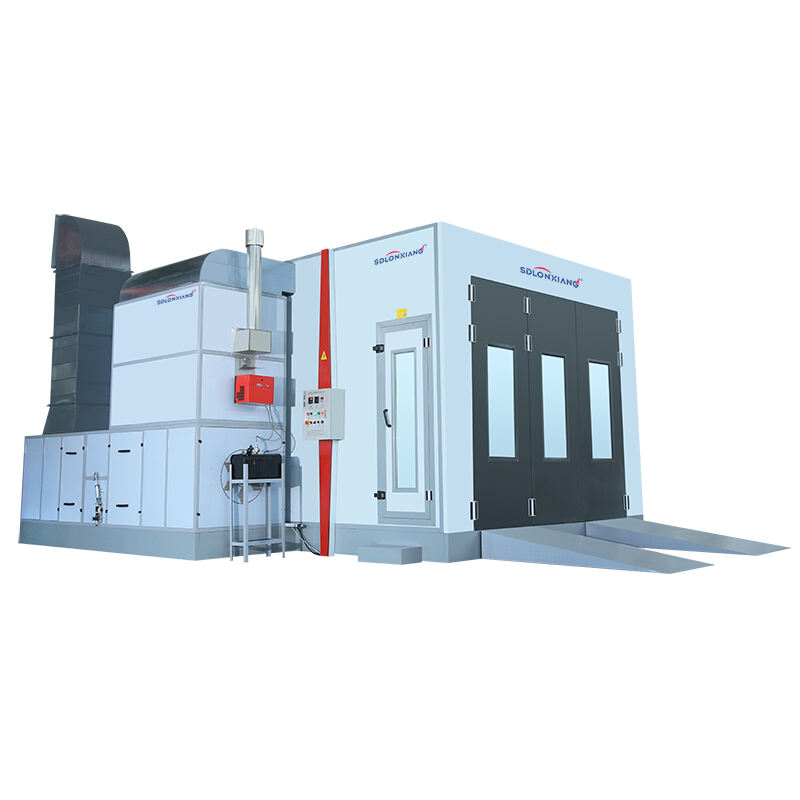
Modern industrial operations demand more than just functional equipment—they require solutions that balance performance with environmental responsibility and cost efficiency. When selecting a spraybooth for your facility, energy-saving features have become critical decision factors that directly impact your operational expenses, environmental compliance, and long-term sustainability goals.
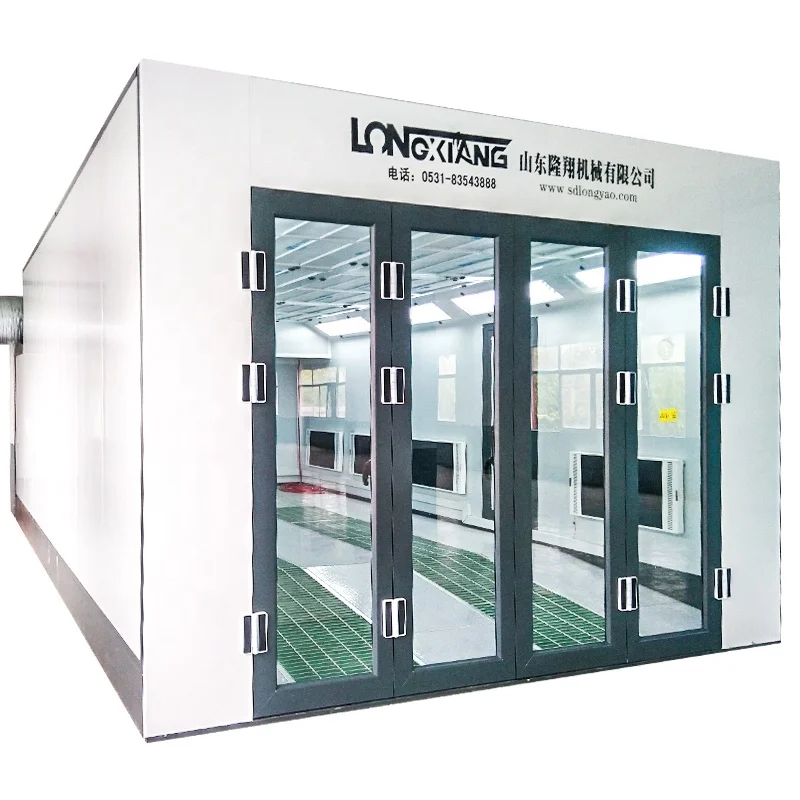
Energy consumption in spray finishing operations typically represents 30-40% of total operational costs, making energy efficiency a paramount concern for facility managers and business owners. A well-designed spraybooth with advanced energy-saving technologies can reduce operational costs by up to 50% while maintaining superior coating quality and regulatory compliance. Understanding which features contribute most significantly to energy savings will help you make an informed investment decision that pays dividends for years to come.
Advanced Heating and Temperature Control Systems
Variable Speed Drive Technology
Modern energy-efficient spraybooth designs incorporate variable speed drive (VSD) technology to optimize airflow and heating requirements based on real-time operational demands. This intelligent system automatically adjusts fan speeds and heating output according to the specific coating process, ambient conditions, and booth occupancy. By avoiding the constant high-energy operation typical of traditional fixed-speed systems, VSD technology can reduce energy consumption by 25-35% during normal operations.
The sophisticated control algorithms in VSD-equipped spraybooth systems monitor multiple parameters including air temperature, humidity, and pressure differentials to maintain optimal coating conditions while minimizing energy waste. This technology proves particularly valuable in facilities with varying production schedules or seasonal coating demands, where energy consumption can be precisely matched to actual operational requirements rather than maintaining constant maximum output.
Heat Recovery Systems
Effective heat recovery represents one of the most impactful energy-saving features available in modern spraybooth designs. These systems capture thermal energy from exhaust air and transfer it to incoming fresh air, significantly reducing the heating load required to maintain proper booth temperatures. Well-designed heat recovery systems can reclaim 60-80% of otherwise wasted thermal energy, translating to substantial reductions in heating costs.
The most efficient spraybooth installations utilize cross-flow or counter-flow heat exchangers that maximize thermal transfer while preventing cross-contamination between exhaust and supply air streams. Some advanced systems incorporate thermal wheels or plate heat exchangers specifically engineered for paint booth applications, ensuring reliable operation even in environments with high particulate loads and chemical exposure.
Zone-Based Heating Controls
Strategic zone-based heating allows operators to maintain optimal temperatures only in areas of active coating work, rather than heating the entire spraybooth volume unnecessarily. This targeted approach proves especially valuable in large spraybooth installations where work may be concentrated in specific areas during certain operations. Zone controls can reduce heating energy consumption by 20-30% in facilities with variable workflow patterns.
Modern zone-based systems integrate with production scheduling software to automatically pre-heat specific booth areas based on planned coating activities. This predictive heating approach ensures optimal coating conditions are available when needed while avoiding energy waste during idle periods or partial booth utilization.
Intelligent Airflow Management and Filtration
Demand-Responsive Ventilation
Advanced spraybooth systems now feature demand-responsive ventilation that automatically adjusts airflow rates based on actual coating activity and air quality measurements. These systems use real-time monitoring of volatile organic compounds (VOCs), particulate levels, and booth occupancy to optimize ventilation rates, ensuring safety and quality while minimizing energy consumption for air movement and conditioning.
The sophisticated sensors and control systems in demand-responsive spraybooth installations can reduce total ventilation energy consumption by 30-45% compared to constant-volume systems. During periods of low activity or booth cleaning, airflow rates automatically decrease to minimum safety requirements, while ramping up instantly when coating operations resume or air quality parameters indicate increased ventilation needs.
High-Efficiency Filtration Systems
Energy-efficient filtration systems reduce pressure drops across the spraybooth airflow path, decreasing the energy required for air movement while maintaining superior air quality for coating operations. Modern high-efficiency filters use advanced media designs and optimized pleat configurations to maximize particulate capture while minimizing resistance to airflow.
Progressive filtration systems in energy-conscious spraybooth designs often incorporate multiple filter stages with varying efficiency levels, allowing initial filters to capture larger particles and extending the life of final high-efficiency filters. This approach reduces filter replacement frequency and maintains consistent airflow performance with lower energy requirements throughout the filter service life.
Airflow Optimization Design
The physical design and airflow patterns within a spraybooth significantly impact energy efficiency by affecting the uniformity of air distribution and the effectiveness of contaminant removal. Modern energy-efficient spraybooth designs utilize computational fluid dynamics (CFD) modeling to optimize air inlet and exhaust configurations, minimizing turbulence and dead zones that can increase ventilation requirements.
Properly designed airflow patterns ensure effective overspray capture and fume removal with minimal air volume, reducing both heating and air movement energy requirements. Some advanced spraybooth installations incorporate adjustable air distribution systems that can be optimized for different coating processes or part geometries, further enhancing energy efficiency across varied operational requirements.
Smart Controls and Automation Systems
Programmable Logic Controllers and IoT Integration
Modern energy-efficient spraybooth systems integrate sophisticated programmable logic controllers (PLCs) with Internet of Things (IoT) connectivity to enable comprehensive monitoring and optimization of energy consumption patterns. These systems collect real-time data on energy usage, operational parameters, and environmental conditions to identify opportunities for efficiency improvements and predict maintenance requirements before they impact performance.
IoT-enabled spraybooth systems can communicate with facility energy management systems to coordinate operations during periods of lower utility rates or reduced facility demand. This intelligent scheduling capability can reduce energy costs by 15-25% in facilities with time-of-use electrical rates or demand charges, while maintaining production flexibility and quality standards.
Predictive Maintenance and Performance Optimization
Advanced diagnostic systems in modern spraybooth installations continuously monitor component performance and energy efficiency to detect degradation before it significantly impacts operational costs. These systems track parameters such as filter pressure differentials, heating element efficiency, and fan performance to schedule maintenance activities that maintain optimal energy consumption.
Predictive maintenance capabilities help ensure that energy-saving features continue operating at peak efficiency throughout the spraybooth service life. By addressing performance degradation early, facilities can maintain energy savings projections and avoid the significant efficiency losses that typically occur as equipment ages without proper optimization.
Remote Monitoring and Control Capabilities
Remote monitoring systems allow facility managers to oversee spraybooth energy consumption and operational parameters from central locations or mobile devices, enabling rapid response to efficiency opportunities or performance issues. These systems provide detailed energy usage analytics and automated alerts when consumption exceeds established baselines or when system performance indicates potential problems.
Comprehensive remote control capabilities enable operators to optimize spraybooth energy consumption based on production schedules, utility rate structures, and facility demand patterns. This centralized management approach proves particularly valuable for multi-location operations or facilities with complex production scheduling requirements.
Energy-Efficient Lighting and Auxiliary Systems
LED Lighting Technologies
Energy-efficient LED lighting systems specifically designed for spraybooth applications provide superior illumination quality while consuming 60-80% less energy than traditional fluorescent or incandescent lighting. Modern LED spraybooth lighting systems offer color temperatures and color rendering indices optimized for accurate color matching and defect detection during coating operations.
Advanced LED lighting systems in spraybooth installations often incorporate dimming capabilities and occupancy sensors to further reduce energy consumption during periods of reduced activity. Some systems integrate with booth control systems to automatically adjust lighting intensity based on the specific coating process or quality inspection requirements, maximizing both energy efficiency and operational effectiveness.
Efficient Compressed Air Systems
Compressed air systems supporting spraybooth operations can represent significant energy consumption, making efficiency optimizations in these auxiliary systems an important consideration. Energy-efficient spraybooth designs incorporate right-sized compressors, efficient air treatment systems, and leak detection capabilities to minimize compressed air energy requirements.
Modern spraybooth installations often utilize variable speed compressors and intelligent pressure management systems that maintain optimal pressure levels while minimizing energy consumption during periods of varying demand. These systems can reduce compressed air energy costs by 20-35% while ensuring reliable air supply for coating equipment and booth operations.
Power Factor Correction and Electrical Efficiency
Electrical efficiency features such as power factor correction help optimize the overall energy performance of spraybooth systems by reducing reactive power consumption and improving electrical system efficiency. Modern spraybooth electrical designs incorporate high-efficiency motors, optimized control systems, and power quality improvements that can reduce total electrical consumption by 10-20%.
Comprehensive electrical efficiency measures in spraybooth installations include properly sized transformers, efficient motor controls, and harmonic filtering systems that ensure optimal power utilization while reducing electrical infrastructure stress and improving overall facility power quality.
FAQ
How much can energy-saving features reduce spraybooth operating costs?
Well-implemented energy-saving features can typically reduce spraybooth operating costs by 30-50% compared to conventional systems. The exact savings depend on factors such as local utility rates, operational patterns, and the specific combination of efficiency features installed. Heat recovery systems alone can provide 20-30% savings, while comprehensive efficiency packages including VSD technology, demand-responsive controls, and LED lighting can achieve even greater reductions.
What is the typical payback period for energy-efficient spraybooth upgrades?
Most energy-efficient spraybooth features provide payback periods of 2-5 years, depending on local energy costs and operational intensity. High-impact features like heat recovery systems and VSD technology often pay for themselves within 18-36 months in facilities with moderate to high usage patterns. LED lighting upgrades typically achieve payback in 12-24 months due to both energy savings and reduced maintenance costs.
Do energy-saving features affect coating quality or production efficiency?
Properly designed energy-saving features actually improve coating quality and production consistency by providing more precise environmental control and reducing operational variability. Advanced control systems maintain optimal temperature and humidity conditions more consistently than traditional systems, while improved filtration and airflow management enhance finish quality. The key is selecting energy-saving technologies specifically engineered for spraybooth applications rather than generic efficiency measures.
How do I determine which energy-saving features provide the best return on investment?
The optimal combination of energy-saving features depends on your specific operational patterns, local utility costs, and existing equipment condition. Start with an energy audit to identify the largest consumption areas, then prioritize features based on potential savings and implementation costs. Heat recovery, VSD technology, and LED lighting typically offer the highest returns, while advanced control systems provide additional benefits in facilities with variable production schedules or multiple shift operations.
Table of Contents
- Advanced Heating and Temperature Control Systems
- Intelligent Airflow Management and Filtration
- Smart Controls and Automation Systems
- Energy-Efficient Lighting and Auxiliary Systems
-
FAQ
- How much can energy-saving features reduce spraybooth operating costs?
- What is the typical payback period for energy-efficient spraybooth upgrades?
- Do energy-saving features affect coating quality or production efficiency?
- How do I determine which energy-saving features provide the best return on investment?