
 EN
EN
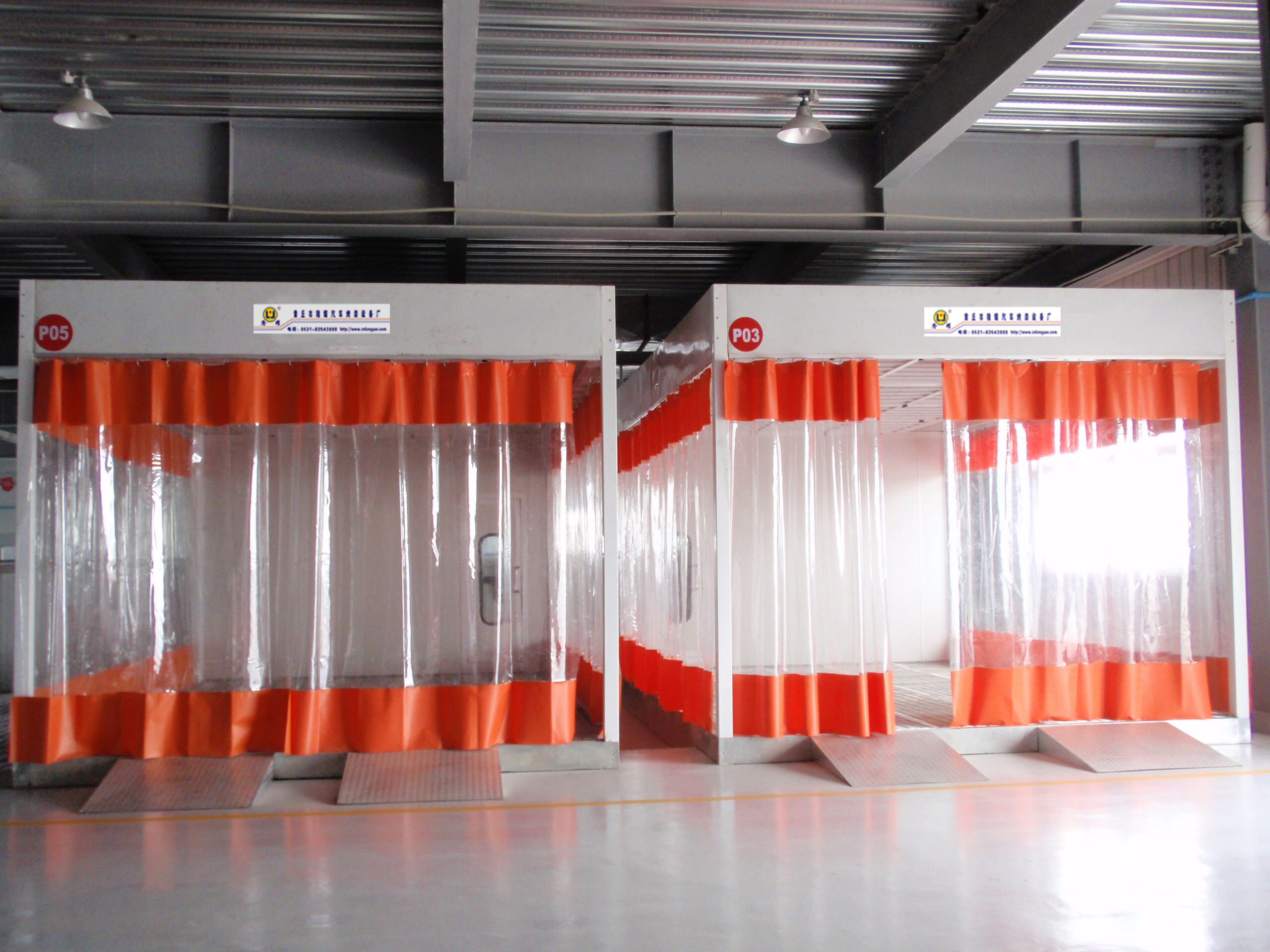
Temperature control serves as the foundational element determining the success or failure of specialty coating applications in industrial paint booths. When industrial facilities apply high-performance coatings such as thermal barrier materials, corrosion-resistant finishes, or automotive clear coats, precise temperature management becomes the critical difference between achieving optimal cure properties and experiencing costly coating failures that compromise product quality and operational efficiency.

The molecular-level chemical reactions occurring during specialty coating cure processes demand exact thermal conditions to achieve proper crosslinking, adhesion, and performance characteristics. Without adequate temperature control, manufacturers face significant risks including incomplete curing, thermal stress cracking, surface defects, and coating delamination that can result in product recalls, warranty claims, and substantial financial losses across automotive, aerospace, and heavy industrial applications.
The Science Behind Temperature-Dependent Coating Curing
Molecular Crosslinking Requirements
Specialty coatings rely on complex polymer chemistry where temperature control directly influences the rate and completeness of molecular crosslinking reactions. These thermosetting processes require specific activation energies that can only be achieved within narrow temperature ranges, typically between 150°F to 400°F depending on the coating formulation. When temperatures fall below the minimum threshold, crosslinking reactions proceed too slowly or remain incomplete, resulting in soft, poorly adhered films with inadequate chemical resistance.
Conversely, excessive temperatures accelerate reactions beyond optimal rates, creating internal stresses, surface defects, and potential thermal degradation of the coating matrix. Advanced epoxy systems, polyurethane topcoats, and ceramic-filled thermal barriers demonstrate particularly sensitive responses to temperature variations during cure cycles. Proper temperature control ensures that crosslinking proceeds at the designed rate, achieving maximum molecular density and optimal mechanical properties.
Heat Transfer Dynamics in Paint Booth Systems
Industrial paint booths must maintain uniform temperature distribution throughout the curing chamber to ensure consistent coating quality across all substrate surfaces. Heat transfer occurs through convection, conduction, and radiation mechanisms, with convective airflow patterns playing the dominant role in temperature uniformity. Inadequate temperature control creates hot spots and cold zones that lead to uneven curing, with some areas experiencing overcure while others remain undercured.
The thermal mass of substrates, coating thickness variations, and airflow velocities all influence local temperature profiles within the booth environment. Effective temperature control systems compensate for these variables through sophisticated monitoring and adjustment capabilities that maintain target temperatures within ±5°F tolerances across the entire curing zone.
Critical Temperature Parameters for Specialty Coating Systems
Thermal Barrier and Ceramic Coatings
Thermal barrier coatings used in aerospace and power generation applications require extremely precise temperature control during curing to achieve proper ceramic particle suspension and binder crosslinking. These specialty systems typically cure at elevated temperatures between 300°F to 450°F, with temperature control being essential to prevent ceramic settling, binder degradation, or thermal shock damage to the substrate material.
The curing process for ceramic-filled coatings involves multiple phase transitions where temperature control determines the final microstructure and thermal performance characteristics. Insufficient temperature control during these critical phases can result in coating systems that fail to provide adequate thermal insulation, leading to component damage and safety risks in high-temperature service environments.
Automotive Refinish and OEM Coatings
Modern automotive coatings incorporate sophisticated chemistry designed for specific cure temperature profiles that optimize appearance, durability, and environmental resistance. Base coat and clear coat systems require coordinated temperature control sequences where initial flash-off temperatures remove solvents while final cure temperatures activate crosslinking mechanisms for maximum gloss and hardness development.
Temperature control becomes particularly critical when applying metallic base coats and high-solids clear coat systems where improper thermal management can cause solvent entrapment, orange peel texture, or poor intercoat adhesion. Professional automotive refinish operations depend on precise temperature control to achieve the mirror-like finishes demanded by quality standards while maintaining production efficiency.
Consequences of Inadequate Temperature Control
Coating Performance Degradation
When temperature control systems fail to maintain optimal curing conditions, specialty coatings experience significant performance degradation that compromises their intended protective and aesthetic functions. Undercured coatings exhibit reduced chemical resistance, poor abrasion resistance, and premature failure under service conditions. These performance deficiencies often manifest as coating blistering, chalking, or complete delamination within months rather than the expected service life measured in years or decades.
Temperature control variations during curing also affect coating adhesion properties, with thermal cycling creating expansion and contraction stresses that weaken the coating-substrate interface. Advanced coating systems designed for extreme service environments lose their protective capabilities when temperature control during application fails to achieve the molecular structure required for long-term durability and performance.
Economic Impact and Quality Costs
Poor temperature control in industrial paint booth operations generates substantial quality costs through increased rework rates, warranty claims, and customer dissatisfaction. Manufacturing facilities report rework rates exceeding 15% when temperature control systems operate outside specified tolerances, with each rejected part requiring complete coating removal and reapplication processes that consume additional materials, labor, and energy resources.
The economic consequences extend beyond immediate rework costs to include schedule delays, reduced throughput capacity, and potential liability exposure when coating failures occur in critical applications. Companies investing in precise temperature control systems typically achieve rapid payback through reduced quality costs, improved first-pass yield rates, and enhanced customer satisfaction with coating performance and appearance quality.
Advanced Temperature Control Technologies and Implementation
Precision Monitoring and Feedback Systems
Modern industrial paint booth temperature control systems incorporate advanced sensor networks and feedback control algorithms that maintain optimal curing conditions regardless of external variables or production demands. These systems utilize multiple temperature measurement points throughout the booth volume, providing real-time data on temperature distribution and enabling immediate corrective actions when deviations occur.
Sophisticated temperature control platforms integrate with production management systems to automatically adjust thermal profiles based on coating type, substrate material, and production schedule requirements. This integration ensures that each coating application receives the precise temperature control necessary for optimal cure while maximizing energy efficiency and maintaining consistent quality standards across varying production conditions.
Energy-Efficient Temperature Management
Advanced temperature control systems in industrial paint booths incorporate heat recovery technologies and intelligent thermal management strategies that minimize energy consumption while maintaining precise curing conditions. These systems capture waste heat from exhaust airflows and redirect thermal energy to preheat incoming fresh air, significantly reducing the energy required to maintain target temperatures during continuous production operations.
Variable frequency drive systems and modulating burner controls enable temperature control systems to match energy input precisely to thermal demands, eliminating the energy waste associated with traditional on-off cycling systems. This sophisticated temperature control approach reduces operating costs while improving temperature stability and extending equipment service life through reduced thermal cycling stress on system components.
FAQ
What temperature range is required for most specialty coating applications?
Most specialty coatings cure optimally within temperature ranges of 150°F to 400°F, with specific requirements varying based on coating chemistry and substrate material. Thermal barrier coatings may require temperatures up to 450°F, while standard automotive refinish systems typically cure between 180°F to 220°F. Precise temperature control within ±5°F of target values ensures optimal coating performance and appearance quality.
How does poor temperature control affect coating adhesion properties?
Inadequate temperature control during curing creates thermal stresses that weaken the coating-substrate interface and reduce long-term adhesion performance. Temperature variations cause differential expansion and contraction that can create microcracks at the interface, leading to premature coating delamination. Consistent temperature control throughout the cure cycle maintains optimal adhesion by allowing proper molecular bonding between coating and substrate materials.
What are the signs of temperature control problems in paint booth operations?
Common indicators of temperature control issues include uneven coating appearance, soft or tacky surfaces after cure, poor gloss development, orange peel texture, and increased rework rates. Temperature mapping studies often reveal hot spots and cold zones that correlate with quality problems. Monitoring cure times, surface hardness, and adhesion test results provides early detection of temperature control deficiencies before they impact production quality.
How often should temperature control systems be calibrated and maintained?
Temperature control systems require calibration verification at least quarterly, with critical sensors checked monthly to ensure accuracy within specified tolerances. Preventive maintenance should include burner tune-ups, filter replacements, and airflow verification on scheduled intervals based on operating hours and environmental conditions. Regular maintenance prevents temperature control drift that can gradually degrade coating quality before problems become apparent through visual inspection or quality testing.