
 EN
EN
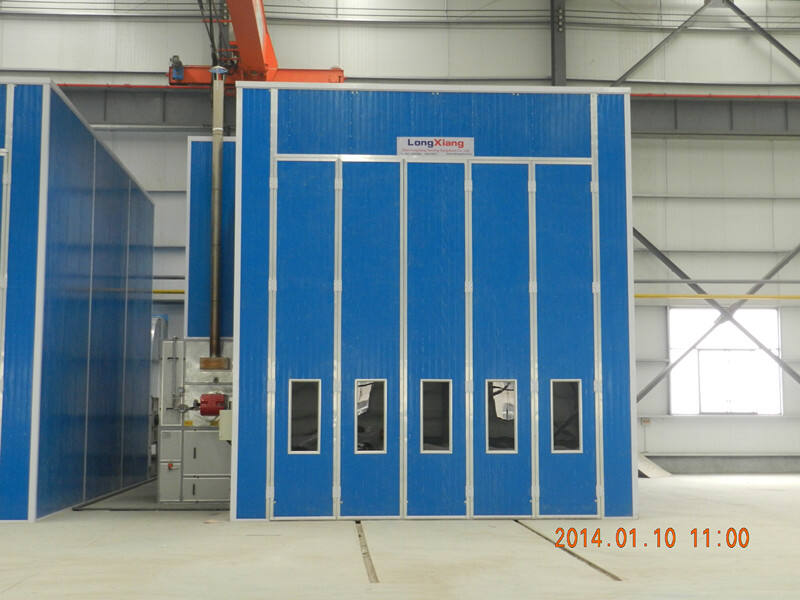
Industrial spraybooth operations generate significant airborne contaminants including paint overspray, solvents, and particulates that pose serious health risks and regulatory compliance challenges. Understanding which filtration systems are essential for maintaining proper air quality in these environments requires careful consideration of contamination sources, regulatory requirements, and operational efficiency needs. The selection of appropriate industrial spraybooth filtration systems directly impacts worker safety, environmental compliance, and the quality of finished coating applications.
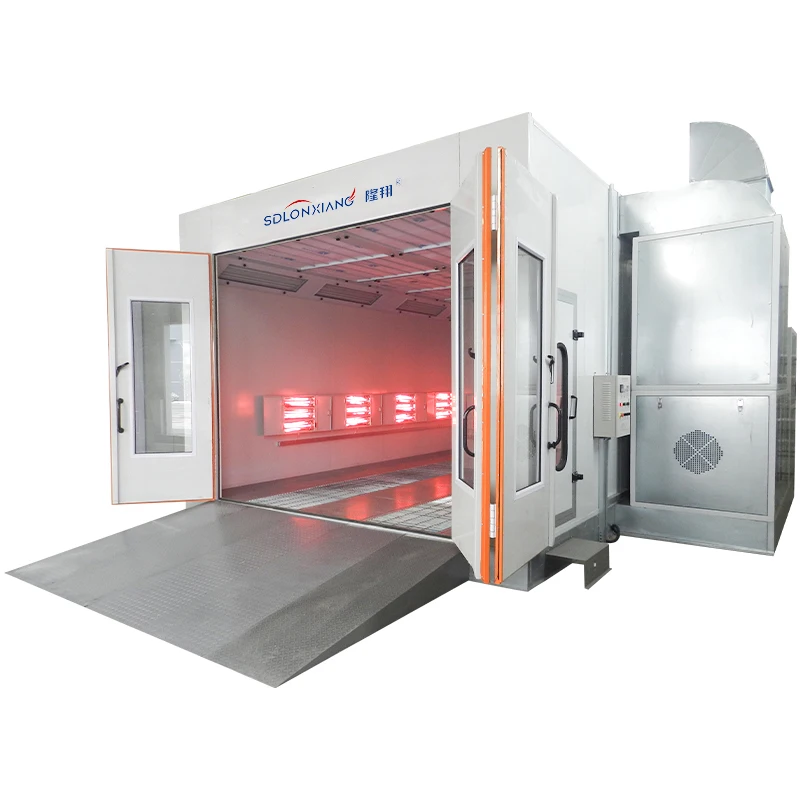
Effective industrial spraybooth filtration systems must address multiple air quality challenges simultaneously while maintaining consistent airflow patterns and energy efficiency. These systems serve as the primary defense against volatile organic compounds, hazardous air pollutants, and particulate matter that can compromise both worker health and environmental standards. The complexity of modern coating processes demands sophisticated filtration approaches that can handle varying contamination loads while ensuring optimal spray conditions for quality finishes.
Primary Filtration Components for Contamination Control
Intake Air Filtration Requirements
Intake air filtration forms the foundation of any effective industrial spraybooth filtration system by preventing external contaminants from entering the controlled environment. These systems typically employ multi-stage filtration beginning with coarse pre-filters that capture large particles and debris before they reach more expensive downstream components. The primary intake filters must maintain consistent airflow while removing particles that could interfere with coating adhesion or create surface defects.
High-efficiency particulate air filters in the intake system ensure that incoming air meets cleanliness standards required for quality coating applications. These filters typically achieve efficiency ratings of 95-99% for particles as small as 0.3 microns, creating the clean air environment necessary for professional finishing operations. Proper sizing and staging of intake filtration prevents premature loading of downstream components while maintaining the positive pressure differential essential for contamination control.
The configuration of intake filtration must account for local environmental conditions including seasonal pollen, dust levels, and industrial contamination sources that could impact air quality. Industrial spraybooth filtration systems require regular monitoring of intake filter condition to prevent restriction that could compromise airflow patterns and create turbulence within the spray zone.
Exhaust Air Treatment Systems
Exhaust air treatment represents the most critical component of industrial spraybooth filtration systems due to the concentrated contamination levels generated during coating operations. Primary exhaust filtration typically employs dry filter media designed specifically for paint overspray capture, utilizing progressive density configurations that maximize loading capacity while maintaining consistent airflow resistance.
Advanced exhaust systems incorporate multiple filtration stages including initial overspray arrestors, intermediate particle filters, and final polishing filters that ensure emissions meet regulatory standards. The selection of exhaust media must balance efficiency requirements with operational costs, as these components require frequent replacement due to heavy contamination loading during production operations.
Secondary treatment systems such as activated carbon adsorbers or thermal oxidizers may be required for volatile organic compound control depending on coating chemistry and local regulations. These systems work in conjunction with particulate filtration to provide comprehensive emission control that addresses both visible and invisible contaminants generated during spray operations.
Specialized Filtration Technologies for Different Coating Applications
Water-Based Coating Filtration Solutions
Water-based coating applications present unique challenges for industrial spraybooth filtration systems due to the different particle characteristics and humidity levels generated during application. These systems require filtration media specifically designed to handle the sticky, moisture-laden overspray that can quickly clog conventional filters and create maintenance challenges.
Specialized filter media for water-based coatings often incorporate progressive density structures with moisture-resistant binders that maintain integrity under high humidity conditions. The filtration system design must account for the potential for filter media saturation and the need for more frequent replacement cycles compared to solvent-based coating operations.
Humidity control becomes an integral part of the filtration strategy for water-based coatings, as excess moisture can impact both filter performance and coating quality. Industrial spraybooth filtration systems handling water-based materials often incorporate dehumidification components or specialized drying stages to maintain optimal conditions for both filtration efficiency and coating application.
Solvent-Based Coating Filtration Requirements
Solvent-based coating operations demand industrial spraybooth filtration systems capable of handling both particulate overspray and volatile organic compound emissions that pose significant safety and environmental challenges. The filtration media must resist degradation from solvent exposure while maintaining consistent capture efficiency throughout the service life.
Fire safety considerations become paramount in solvent-based coating filtration design, requiring flame-retardant filter media and explosion-proof system components that can safely handle the increased fire risk associated with volatile solvents. The electrical classification of filtration equipment must match the hazardous area classification of the spraybooth to ensure safe operation.
Vapor recovery and treatment systems often supplement traditional filtration for solvent-based operations, capturing and processing volatile organic compounds before they can escape to the atmosphere. These integrated systems require careful coordination between filtration components and vapor treatment equipment to ensure optimal performance and regulatory compliance.
Regulatory Compliance and Air Quality Standards
Environmental Protection Requirements
Environmental regulations establish minimum performance standards for industrial spraybooth filtration systems that directly impact equipment selection and operational procedures. These standards typically specify maximum allowable emission rates for both particulate matter and volatile organic compounds, requiring filtration systems capable of achieving consistent high-efficiency performance.
Compliance monitoring requirements often mandate continuous emissions monitoring or regular performance testing to verify that filtration systems maintain regulatory standards throughout their operational life. The documentation requirements for environmental compliance include detailed records of filter replacement, system maintenance, and performance verification that demonstrate ongoing regulatory adherence.
Regional variations in environmental standards require careful analysis of local regulations to ensure that industrial spraybooth filtration systems meet or exceed applicable requirements. Some jurisdictions impose additional restrictions on specific coating types or require enhanced treatment for certain volatile organic compounds that may not be addressed by standard filtration approaches.
Occupational Health and Safety Standards
Workplace air quality standards establish exposure limits for coating-related contaminants that directly influence the design and performance requirements of industrial spraybooth filtration systems. These standards typically address both short-term and long-term exposure limits for various hazardous substances commonly found in coating operations.
Personal protective equipment requirements often complement filtration system performance, but cannot substitute for effective engineering controls that prevent contamination at the source. The integration of personal monitoring systems with facility-wide air quality monitoring helps ensure that filtration performance remains adequate to protect worker health under varying operational conditions.
Training requirements for filtration system operation and maintenance ensure that personnel understand the critical role these systems play in maintaining safe working conditions. Regular safety audits and system performance evaluations help identify potential deficiencies before they compromise worker health or regulatory compliance.
System Design Considerations for Optimal Performance
Airflow Pattern Management
Effective airflow management represents a critical design element of industrial spraybooth filtration systems that directly impacts both contamination control and energy efficiency. The filtration system must maintain consistent airflow patterns that carry overspray away from the operator while preventing cross-contamination between different coating zones or work areas.
Downdraft airflow configurations typically provide superior contamination control compared to crossdraft systems, but require more sophisticated filtration arrangements to handle the increased air volumes and contamination loading. The design of air distribution systems must account for filter pressure drop characteristics and potential changes in flow resistance as filters load with contaminants.
Computational fluid dynamics modeling helps optimize filtration system design by predicting airflow patterns and identifying potential areas of turbulence or stagnation that could compromise contamination control. These analysis tools enable designers to refine industrial spraybooth filtration systems before installation to ensure optimal performance under actual operating conditions.
Energy Efficiency and Operating Costs
Energy consumption represents a significant portion of the total operating cost for industrial spraybooth filtration systems, making efficiency optimization a key design consideration. Variable frequency drive systems allow filtration equipment to adjust air handling capacity based on actual contamination loads, reducing energy consumption during periods of reduced activity.
Filter selection strategies must balance initial cost, replacement frequency, and energy consumption to minimize total cost of ownership. Higher efficiency filters may have increased initial pressure drop but can provide longer service life and reduced replacement frequency that offsets the higher energy costs.
Heat recovery systems can capture thermal energy from exhaust air streams and use it to condition incoming air, significantly reducing the heating and cooling costs associated with maintaining proper spraybooth conditions. These systems require careful integration with filtration components to ensure that heat exchanger surfaces do not become contaminated and compromise system performance.
Maintenance and Monitoring Strategies
Preventive Maintenance Programs
Systematic preventive maintenance ensures that industrial spraybooth filtration systems maintain optimal performance throughout their service life while minimizing unexpected downtime and compliance violations. These programs typically include regular filter inspection and replacement schedules based on pressure drop measurements, contamination loading, or time intervals depending on operational requirements.
Filter change indicators and automated monitoring systems help maintenance personnel identify when filtration components require attention before performance degradation affects air quality or energy efficiency. Digital monitoring systems can track filter performance trends and predict replacement needs, enabling proactive maintenance scheduling that minimizes production disruption.
Documentation requirements for maintenance activities ensure regulatory compliance while providing historical data that can be used to optimize replacement intervals and identify potential system improvements. Detailed maintenance records also support warranty claims and help identify recurring issues that may indicate design deficiencies or operational problems.
Performance Monitoring and Optimization
Continuous monitoring of filtration system performance provides early warning of potential problems while ensuring ongoing compliance with air quality standards. Pressure drop monitoring across individual filter stages helps identify loading patterns and optimize replacement schedules to minimize operating costs while maintaining performance.
Air quality monitoring downstream of filtration systems verifies that treatment objectives are being achieved and helps identify potential bypass or system failure conditions. These monitoring systems should include both continuous automated monitoring for key parameters and periodic comprehensive testing for regulatory compliance verification.
Data analysis and trending capabilities enable facility managers to identify opportunities for system optimization including filter selection improvements, operational adjustments, or equipment upgrades that could enhance performance or reduce costs. Regular performance reviews help ensure that industrial spraybooth filtration systems continue to meet evolving operational requirements and regulatory standards.
FAQ
How often should filters be replaced in industrial spraybooth filtration systems?
Filter replacement frequency depends on several factors including coating volume, contamination levels, and filter type, but typically ranges from weekly to monthly for primary overspray filters and quarterly to annually for secondary treatment components. Pressure drop monitoring provides the most accurate indication of when replacement is needed, with most systems requiring attention when pressure drop increases by 50-100% above initial levels. Establishing a replacement schedule based on actual operating conditions rather than arbitrary time intervals helps optimize both performance and costs.
What are the key differences between filtration requirements for water-based versus solvent-based coatings?
Water-based coatings require filtration media designed to handle higher humidity levels and sticky overspray particles that can quickly clog standard filters, while solvent-based coatings demand fire-resistant components and enhanced volatile organic compound treatment capabilities. Solvent-based systems often require explosion-proof electrical components and specialized vapor recovery equipment, whereas water-based systems focus more on moisture management and may require dehumidification components. The replacement frequency for water-based coating filters is typically higher due to the adhesive nature of the overspray particles.
How can facilities determine if their current filtration system meets regulatory requirements?
Regulatory compliance verification requires periodic emissions testing, continuous monitoring of key parameters, and documentation review to ensure all applicable standards are being met. Facilities should conduct annual compliance audits that include stack testing for particulate and volatile organic compound emissions, review of maintenance records, and verification that all monitoring equipment is properly calibrated and functioning. Consulting with environmental compliance specialists helps ensure that testing procedures meet regulatory requirements and that any deficiencies are identified and corrected promptly.
What factors should be considered when upgrading existing industrial spraybooth filtration systems?
Upgrading decisions should consider current regulatory compliance status, energy efficiency opportunities, maintenance cost reduction potential, and changes in coating processes or production volumes that may affect filtration requirements. Facilities should evaluate whether existing ductwork and support infrastructure can accommodate new equipment, assess the potential for improved filter technologies that offer better performance or longer service life, and consider integration opportunities with other facility systems such as heat recovery or building automation. Cost-benefit analysis should include both capital costs and projected operational savings over the equipment lifecycle.
Table of Contents
- Primary Filtration Components for Contamination Control
- Specialized Filtration Technologies for Different Coating Applications
- Regulatory Compliance and Air Quality Standards
- System Design Considerations for Optimal Performance
- Maintenance and Monitoring Strategies
-
FAQ
- How often should filters be replaced in industrial spraybooth filtration systems?
- What are the key differences between filtration requirements for water-based versus solvent-based coatings?
- How can facilities determine if their current filtration system meets regulatory requirements?
- What factors should be considered when upgrading existing industrial spraybooth filtration systems?