
 EN
EN
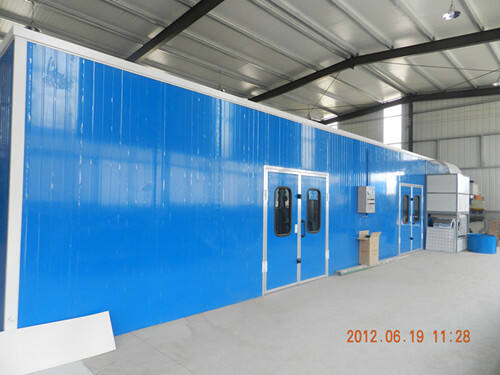
Modern automotive and industrial painting operations demand precise environmental control to achieve flawless finishes and maintain operational efficiency. An electric paint booth has emerged as the gold standard for facilities requiring consistent temperature regulation and superior ventilation management. These advanced systems offer unparalleled control over critical painting variables, ensuring optimal conditions for high-quality coating applications across diverse industrial sectors.
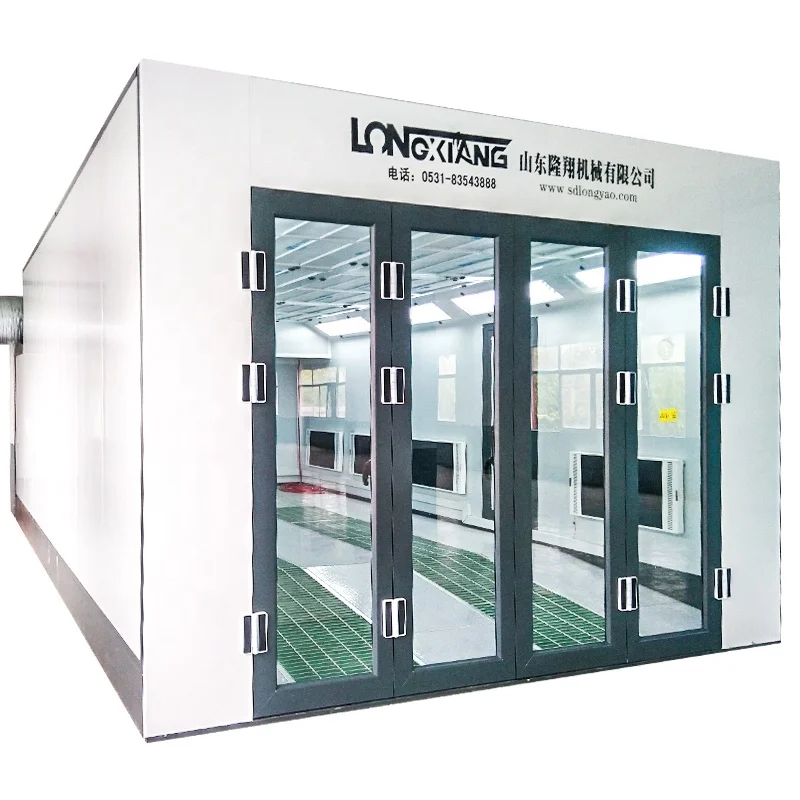
The transition from traditional heating methods to electric systems represents a significant advancement in paint booth technology. Electric paint booth solutions provide manufacturers with the reliability and precision necessary for consistent production outcomes. These systems eliminate many variables associated with combustion-based heating, delivering steady performance that translates directly into improved coating quality and reduced rejection rates.
Understanding the technical advantages and operational benefits of electric paint booth technology is crucial for facilities evaluating their coating infrastructure. From energy efficiency considerations to maintenance requirements, electric systems offer compelling advantages that make them increasingly popular among quality-conscious manufacturers seeking long-term operational excellence.
Temperature Control Advantages in Electric Paint Booth Systems
Precision Heating Technology
Electric paint booth systems excel in maintaining precise temperature control through advanced heating elements and sophisticated control systems. Unlike gas-fired alternatives, electric heating provides instantaneous response to temperature adjustments, allowing operators to maintain exact conditions throughout the painting process. This precision is particularly critical when working with temperature-sensitive coatings that require specific thermal conditions for proper curing and adhesion.
The heating elements in an electric paint booth distribute warmth evenly throughout the workspace, eliminating hot spots and cold zones that can compromise coating quality. Advanced temperature sensors and feedback systems continuously monitor conditions, making micro-adjustments to maintain the desired temperature within narrow tolerances. This level of control ensures consistent results across all painted surfaces, regardless of their position within the booth.
Modern electric paint booth designs incorporate zone-based heating controls that allow operators to adjust temperatures in different areas of the booth independently. This capability proves invaluable when painting complex assemblies or when different coating materials require varying thermal conditions during the same production cycle.
Energy Efficiency and Cost Management
Electric paint booth systems demonstrate superior energy efficiency compared to traditional heating methods, converting nearly 100% of electrical input into usable heat. This efficiency translates into lower operational costs and reduced environmental impact, making electric systems increasingly attractive for cost-conscious operations. The absence of combustion processes eliminates energy losses associated with flue gases and incomplete fuel combustion.
The programmable nature of electric heating systems allows facilities to implement sophisticated energy management strategies. Operators can schedule heating cycles to coincide with production schedules, reducing energy consumption during non-productive periods. Smart controls can also adjust heating output based on ambient conditions and workload requirements, optimizing energy usage without compromising performance.
Electric paint booth systems also eliminate the need for fuel storage and handling infrastructure, reducing facility complexity and associated costs. The simplified utility requirements make electric systems particularly attractive for facilities with limited space or those seeking to minimize their operational footprint while maintaining high-performance coating capabilities.
Ventilation Control and Air Quality Management
Advanced Airflow Design
Proper ventilation is fundamental to achieving consistent coating results and maintaining safe working conditions in any paint booth environment. Electric paint booth systems integrate sophisticated airflow management that ensures uniform air distribution and effective contaminant removal. The precise control possible with electric systems extends beyond heating to encompass comprehensive environmental management.
The airflow patterns in an electric paint booth are carefully engineered to create laminar flow conditions that sweep overspray and airborne particles away from the work surface. This controlled airflow prevents contamination of wet coatings while ensuring adequate ventilation for operator safety and comfort. Variable speed fans and damper controls allow operators to fine-tune airflow rates based on specific coating requirements and environmental conditions.
Modern electric paint booth designs incorporate multi-stage filtration systems that work in conjunction with controlled airflow to maintain exceptional air quality. These systems remove both particulate matter and volatile organic compounds, creating an optimal environment for high-quality coating applications while meeting stringent environmental regulations.
Environmental Compliance and Safety
Electric paint booth systems excel in meeting environmental compliance requirements through their clean operation and comprehensive emission control capabilities. The absence of combustion processes eliminates concerns about flame safety and reduces the complexity of safety systems required for operation. This simplified safety profile makes electric systems particularly attractive for facilities operating in densely populated areas or those with strict fire safety requirements.
The controlled environment within an electric paint booth supports consistent compliance with air quality regulations. Precise ventilation control ensures that volatile organic compounds and particulate matter are effectively captured and processed through appropriate treatment systems. This reliability in environmental performance reduces the risk of compliance violations and associated penalties.
Electric paint booth systems also support improved worker safety through better environmental control. The absence of open flames and combustion gases reduces fire and explosion risks, while superior ventilation control minimizes exposure to harmful vapors and particles. These safety advantages contribute to reduced insurance costs and improved worker satisfaction.
Operational Benefits and Performance Optimization
Maintenance and Reliability Advantages
Electric paint booth systems offer significant maintenance advantages over combustion-based alternatives, with fewer moving parts and no combustion components requiring regular servicing. The heating elements in electric systems have extended service lives and predictable replacement schedules, allowing facilities to plan maintenance activities more effectively. This reliability translates into reduced downtime and more consistent production schedules.
The diagnostic capabilities of modern electric paint booth systems provide detailed information about system performance and component condition. Advanced monitoring systems can predict maintenance requirements before failures occur, enabling proactive maintenance strategies that minimize production disruptions. This predictive capability is particularly valuable in high-volume production environments where unscheduled downtime has significant cost implications.
Electric paint booth systems also benefit from the widespread availability of electrical components and service expertise. Unlike specialized combustion equipment that may require factory-trained technicians, electric systems can often be serviced by qualified local electrical contractors, reducing service costs and response times.
Production Flexibility and Adaptability
The programmable nature of electric paint booth systems provides exceptional flexibility in accommodating diverse production requirements. Operators can quickly adjust temperature and ventilation parameters to optimize conditions for different coating materials, substrate types, or production volumes. This adaptability makes electric systems ideal for facilities handling varied product lines or those anticipating changes in production requirements.
Electric paint booth systems can be easily integrated with manufacturing execution systems and quality control databases, enabling automated process control and data logging. This integration capability supports lean manufacturing initiatives and provides valuable data for continuous improvement efforts. The digital nature of electric controls facilitates remote monitoring and control, allowing supervisors to optimize operations from central locations.
The modular design of many electric paint booth systems allows for easy expansion or reconfiguration as production needs evolve. Additional heating zones, enhanced filtration systems, or expanded workspace can often be added without major infrastructure changes, protecting the long-term value of the initial investment.
Technology Integration and Future Considerations
Smart Controls and Automation
Contemporary electric paint booth systems incorporate advanced control technologies that optimize performance while minimizing operator involvement. Programmable logic controllers and human-machine interfaces provide intuitive operation while maintaining precise control over critical parameters. These systems can store multiple program profiles for different coating applications, enabling rapid changeovers between production runs.
The integration of sensors and feedback systems in electric paint booth designs enables real-time optimization of operating conditions. Temperature, humidity, and airflow sensors continuously monitor environmental conditions and automatically adjust system parameters to maintain optimal coating conditions. This automated optimization reduces the skill requirements for operators while ensuring consistent results.
Advanced electric paint booth systems can also integrate with facility-wide building management systems, coordinating operation with other building systems to optimize overall energy efficiency. This integration capability allows facilities to implement sophisticated energy management strategies that reduce operational costs while maintaining optimal production conditions.
Sustainability and Environmental Impact
Electric paint booth systems align with corporate sustainability initiatives through their clean operation and energy efficiency advantages. The absence of direct emissions makes electric systems particularly attractive for facilities seeking to reduce their carbon footprint or those operating under strict environmental regulations. When powered by renewable energy sources, electric paint booth systems can achieve near-zero operational emissions.
The precise control capabilities of electric paint booth systems also support waste reduction initiatives through improved first-pass quality rates and reduced coating material consumption. Better environmental control leads to fewer coating defects and less rework, reducing material waste and associated disposal costs. This efficiency improvement contributes to overall environmental performance while reducing operational costs.
Electric paint booth systems also support circular economy initiatives through their recyclable components and reduced use of consumable materials. The long service life of electric heating elements and the absence of combustion-related consumables reduce the ongoing environmental impact of booth operation.
FAQ
What are the main advantages of electric paint booth systems over gas-fired alternatives
Electric paint booth systems offer several key advantages including precise temperature control, higher energy efficiency, reduced maintenance requirements, and enhanced safety through the elimination of open flames. Electric systems provide instantaneous heating response and can maintain exact temperatures within narrow tolerances, leading to more consistent coating results. They also eliminate the need for fuel storage and specialized combustion equipment maintenance, reducing operational complexity and costs.
How do electric paint booth systems contribute to improved coating quality
Electric paint booth systems improve coating quality through precise environmental control that eliminates variables affecting coating performance. The even heat distribution and exact temperature control ensure optimal conditions for coating flow, leveling, and curing. Superior ventilation control prevents contamination of wet coatings while maintaining consistent airflow patterns that support uniform coating application. These controlled conditions result in higher first-pass quality rates and reduced rejection costs.
What maintenance considerations are important for electric paint booth systems
Electric paint booth systems require regular maintenance of electrical components, heating elements, fans, and filtration systems. However, maintenance requirements are generally lower than combustion-based systems due to fewer moving parts and the absence of combustion equipment. Predictive maintenance capabilities in modern electric systems help identify potential issues before failures occur, enabling proactive maintenance scheduling that minimizes production disruptions.
How do electric paint booth systems support environmental compliance requirements
Electric paint booth systems support environmental compliance through clean operation without direct emissions, precise ventilation control for effective capture of volatile compounds, and integration with emission control systems. The controlled environment and consistent operation of electric systems help facilities maintain compliance with air quality regulations while reducing the risk of environmental violations. When combined with appropriate filtration and treatment systems, electric paint booth systems can achieve very low environmental impact levels.
Table of Contents
- Temperature Control Advantages in Electric Paint Booth Systems
- Ventilation Control and Air Quality Management
- Operational Benefits and Performance Optimization
- Technology Integration and Future Considerations
-
FAQ
- What are the main advantages of electric paint booth systems over gas-fired alternatives
- How do electric paint booth systems contribute to improved coating quality
- What maintenance considerations are important for electric paint booth systems
- How do electric paint booth systems support environmental compliance requirements