
 EN
EN
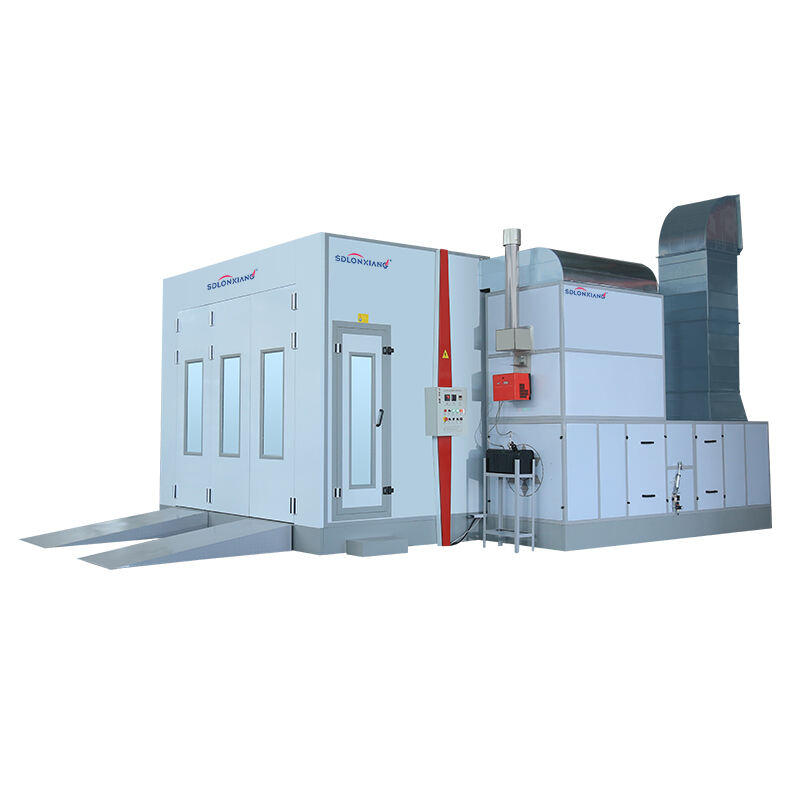
Selecting the right ventilation features for a professional car paint booth represents one of the most critical decisions in establishing an efficient automotive refinishing operation. Proper ventilation directly impacts paint quality, worker safety, regulatory compliance, and operational efficiency, making it essential to understand which specific features deliver optimal performance in real-world applications.
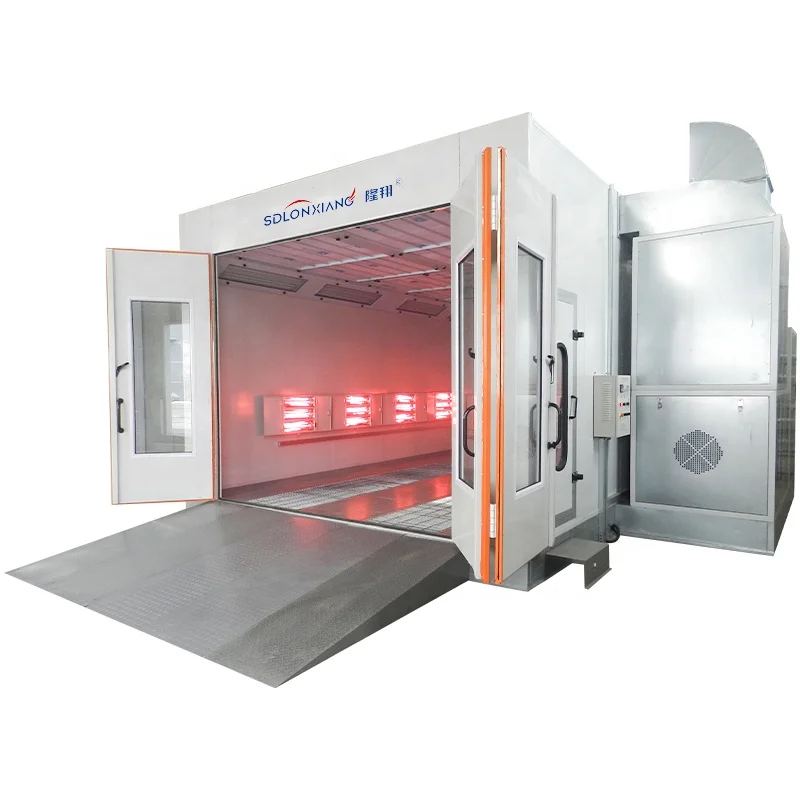
Professional automotive refinishing facilities require ventilation systems that exceed basic air movement, incorporating specialized features designed to manage overspray, maintain consistent airflow patterns, and create optimal painting conditions. Understanding these essential ventilation characteristics enables facility managers and automotive professionals to make informed decisions that enhance both productivity and safety outcomes.
Airflow Pattern Management Systems
Cross-Draft Ventilation Configuration
Cross-draft ventilation represents the most common airflow pattern in professional car paint booth installations, utilizing strategically positioned intake and exhaust systems to create horizontal air movement across the work area. This configuration draws fresh air through filtered intake points along one wall while simultaneously exhausting contaminated air through opposite wall openings, establishing consistent airflow that carries overspray particles away from the painted surface.
The effectiveness of cross-draft systems depends heavily on proper air velocity management, typically maintaining speeds between 75-125 feet per minute to ensure adequate overspray capture without creating turbulence that could affect paint application quality. Professional installations incorporate adjustable dampers and flow control mechanisms that allow operators to fine-tune airflow characteristics based on specific painting requirements and environmental conditions.
Down-Draft Airflow Technology
Down-draft ventilation systems create superior painting conditions by drawing filtered air from ceiling-mounted supply units downward through the work area, then exhausting contaminated air through floor-level collection points. This vertical airflow pattern provides more effective overspray control compared to cross-draft systems, reducing the likelihood of contaminant recirculation and creating more consistent paint finishes.
Implementation of down-draft technology requires substantial infrastructure investment, including elevated supply air systems, specialized floor grating, and below-grade exhaust collection chambers. However, facilities utilizing down-draft car paint booth configurations typically achieve superior finish quality and reduced rework rates, justifying the additional installation complexity through improved operational efficiency.
Semi-Down-Draft Hybrid Systems
Semi-down-draft ventilation combines elements of both cross-draft and down-draft configurations, utilizing ceiling-mounted air supply points with rear wall exhaust locations positioned at floor level. This hybrid approach provides enhanced overspray control compared to traditional cross-draft systems while requiring less infrastructure investment than full down-draft installations.
Professional car paint booth facilities often select semi-down-draft systems when building constraints or budget limitations prevent full down-draft implementation. These hybrid configurations deliver improved air quality management and paint finish consistency while maintaining reasonable installation and operational costs, making them attractive options for many automotive refinishing operations.
Air Filtration and Quality Control Features
Multi-Stage Inlet Filtration Systems
Effective car paint booth ventilation requires comprehensive inlet air filtration to remove external contaminants that could compromise paint quality or create health hazards for operators. Multi-stage filtration systems typically incorporate primary particulate filters, intermediate efficiency filters, and high-efficiency final stage filters to progressively remove different contamination categories from incoming air streams.
Primary filtration stages capture larger airborne particles, dust, and debris using lower-cost filter media that can be replaced frequently without significant expense. Intermediate filtration stages remove smaller particles and provide protection for expensive final-stage filters, while high-efficiency filters eliminate fine contaminants that could create surface defects or health concerns in professional painting environments.
Exhaust Air Treatment Technology
Professional car paint booth installations must incorporate effective exhaust air treatment systems to capture overspray particles and volatile organic compounds before releasing air to the external environment. Dry filtration systems utilize progressively denser filter media to capture paint particles of varying sizes, while water wash systems use liquid contact to remove both particulate and gaseous contaminants.
Advanced exhaust treatment systems may incorporate thermal or catalytic oxidation technology to destroy volatile organic compounds, ensuring compliance with environmental regulations while protecting air quality in surrounding areas. Selection of appropriate exhaust treatment technology depends on paint types used, production volumes, and local regulatory requirements affecting the specific car paint booth application.
Air Quality Monitoring Integration
Modern car paint booth ventilation systems increasingly incorporate real-time air quality monitoring technology to ensure consistent performance and regulatory compliance. These monitoring systems track parameters including particulate concentrations, volatile organic compound levels, air velocity, and pressure differentials across filtration stages to provide operators with immediate feedback about system performance.
Integration of air quality monitoring enables predictive maintenance scheduling, automatic system adjustments, and documentation of environmental compliance status. Professional facilities benefit from reduced downtime, improved paint quality consistency, and simplified regulatory reporting when ventilation systems include comprehensive monitoring capabilities.
Temperature and Humidity Management Systems
Heated Air Supply Configuration
Temperature control represents a critical ventilation feature for professional car paint booth applications, as paint application and curing processes require specific thermal conditions for optimal results. Heated air supply systems ensure consistent temperatures throughout the work area, preventing condensation formation and maintaining proper paint flow characteristics during application and initial curing phases.
Professional installations typically incorporate both direct-fired and indirect heating systems, with selection depending on safety requirements, fuel availability, and operational preferences. Direct-fired systems offer higher efficiency and lower operating costs but require careful safety consideration, while indirect heating systems provide enhanced safety through complete separation of combustion and supply air streams.
Humidity Control Integration
Moisture management significantly impacts paint application success and finish quality in professional car paint booth operations. Ventilation systems incorporating humidity control features maintain optimal moisture levels to prevent paint defects such as blushing, poor adhesion, or slow drying times that can occur when relative humidity exceeds recommended parameters.
Dehumidification systems remove excess moisture from incoming air streams, while humidification systems add moisture when ambient conditions are too dry for proper paint application. Advanced car paint booth installations may incorporate automatic humidity control that adjusts moisture levels based on paint system requirements, ambient conditions, and operator preferences.
Thermal Cycling Capabilities
Professional car paint booth ventilation systems often include thermal cycling capabilities that allow operators to adjust temperatures throughout different phases of the painting and curing process. Initial painting phases may require lower temperatures to prevent rapid solvent evaporation, while curing phases benefit from elevated temperatures to accelerate chemical reactions and reduce cycle times.
Programmable temperature control systems enable automatic temperature adjustments based on predetermined schedules or operator inputs, ensuring optimal conditions for each process phase. These thermal management features contribute to improved finish quality, reduced energy consumption, and enhanced productivity in professional automotive refinishing operations.
Safety and Compliance Ventilation Features
Explosion Prevention Systems
Safety considerations require car paint booth ventilation systems to incorporate specific features designed to prevent explosive atmospheric conditions that could result from solvent vapor accumulation. Proper ventilation design maintains air movement sufficient to keep volatile organic compound concentrations well below lower explosive limits, typically targeting levels significantly lower than regulatory minimums.
Explosion prevention features include continuous air monitoring, automatic shutdown systems, and emergency ventilation capabilities that activate when sensor systems detect dangerous vapor concentrations. Professional installations incorporate redundant safety systems and fail-safe designs that ensure continued protection even when primary systems experience malfunctions or maintenance requirements.
Emergency Response Integration
Professional car paint booth ventilation systems must include emergency response features that protect personnel and facility assets during abnormal operating conditions. Emergency ventilation modes typically provide maximum airflow rates to rapidly clear contaminated atmospheres, while emergency shutdown capabilities prevent further contamination release during equipment malfunctions or facility emergencies.
Integration with facility-wide emergency systems enables coordinated responses that may include automatic fire suppression activation, personnel evacuation procedures, and external emergency service notification. These comprehensive safety features ensure that car paint booth operations maintain appropriate protection levels for both routine operations and emergency situations.
Regulatory Compliance Documentation
Modern car paint booth ventilation systems incorporate features that simplify regulatory compliance documentation and reporting requirements. Automated data logging systems record operational parameters, maintenance activities, and emission levels to provide comprehensive documentation for regulatory inspections and permit renewals.
Compliance features may include automatic report generation, real-time regulatory parameter monitoring, and integration with external reporting systems required by local environmental agencies. Professional facilities benefit from reduced administrative burden and improved regulatory relationships when ventilation systems include comprehensive compliance documentation capabilities.
Operational Efficiency and Maintenance Features
Variable Speed Control Systems
Energy efficiency considerations make variable speed control an essential feature for professional car paint booth ventilation systems. Variable frequency drives enable operators to adjust fan speeds based on actual operational requirements, reducing energy consumption during periods when full airflow capacity is unnecessary while maintaining appropriate ventilation when painting activities require maximum performance.
Smart control systems can automatically adjust ventilation rates based on booth occupancy, painting schedules, and environmental conditions, optimizing energy consumption without compromising safety or performance requirements. These efficiency features typically provide substantial operational cost reductions while extending equipment service life through reduced operating stress.
Predictive Maintenance Integration
Advanced car paint booth ventilation systems incorporate predictive maintenance features that monitor equipment condition and performance to identify potential issues before they result in system failures or performance degradation. Vibration monitoring, bearing temperature tracking, and filter pressure differential measurement provide early warning indicators that enable proactive maintenance scheduling.
Integration of predictive maintenance technology reduces unplanned downtime, extends equipment service life, and optimizes maintenance costs through condition-based servicing rather than time-based replacement schedules. Professional facilities benefit from improved reliability and reduced total ownership costs when ventilation systems include comprehensive condition monitoring capabilities.
Remote Monitoring and Control
Modern professional car paint booth installations increasingly incorporate remote monitoring and control capabilities that enable operators to manage ventilation systems from central control locations or mobile devices. Remote access facilitates system optimization, troubleshooting support, and maintenance coordination without requiring physical presence at equipment locations.
Cloud-based monitoring systems provide access to operational data, performance trends, and diagnostic information from any internet-connected location, enabling facility managers to optimize operations and coordinate maintenance activities more effectively. These connectivity features enhance operational flexibility and support improved decision-making through comprehensive data access.
FAQ
What airflow velocity should a professional car paint booth maintain for optimal performance?
Professional car paint booth operations typically require airflow velocities between 75-125 feet per minute for cross-draft systems and 50-75 feet per minute for down-draft configurations. These velocities provide adequate overspray capture and removal while preventing turbulence that could affect paint application quality. Specific velocity requirements may vary based on paint types used, booth size, and regulatory requirements affecting the particular installation.
How often should ventilation system filters be replaced in a car paint booth?
Filter replacement frequency in car paint booth ventilation systems depends on usage intensity, paint types, and environmental conditions, but typically ranges from weekly to monthly for primary filters and monthly to quarterly for secondary filtration stages. High-efficiency final filters may require replacement every 3-6 months under normal operating conditions. Monitoring pressure differentials across filter stages provides the most accurate indication of replacement timing requirements.
What safety certifications should car paint booth ventilation systems include?
Professional car paint booth ventilation systems should comply with NFPA 33 standards for spray application operations, OSHA regulations for workplace air quality, and local environmental regulations for emissions control. Electrical components should meet appropriate UL or similar safety certifications for hazardous location applications. Additionally, systems should comply with relevant building codes and fire safety requirements specific to the installation location and intended use.
Can existing car paint booth ventilation systems be upgraded with modern efficiency features?
Many existing car paint booth ventilation systems can be upgraded with modern efficiency features including variable speed controls, advanced filtration systems, and smart monitoring technology. However, upgrade feasibility depends on the age and condition of existing equipment, electrical system capacity, and structural limitations of the installation. Professional evaluation is recommended to determine which upgrades provide the best return on investment for specific applications and facility requirements.
Table of Contents
- Airflow Pattern Management Systems
- Air Filtration and Quality Control Features
- Temperature and Humidity Management Systems
- Safety and Compliance Ventilation Features
- Operational Efficiency and Maintenance Features
-
FAQ
- What airflow velocity should a professional car paint booth maintain for optimal performance?
- How often should ventilation system filters be replaced in a car paint booth?
- What safety certifications should car paint booth ventilation systems include?
- Can existing car paint booth ventilation systems be upgraded with modern efficiency features?