
 EN
EN
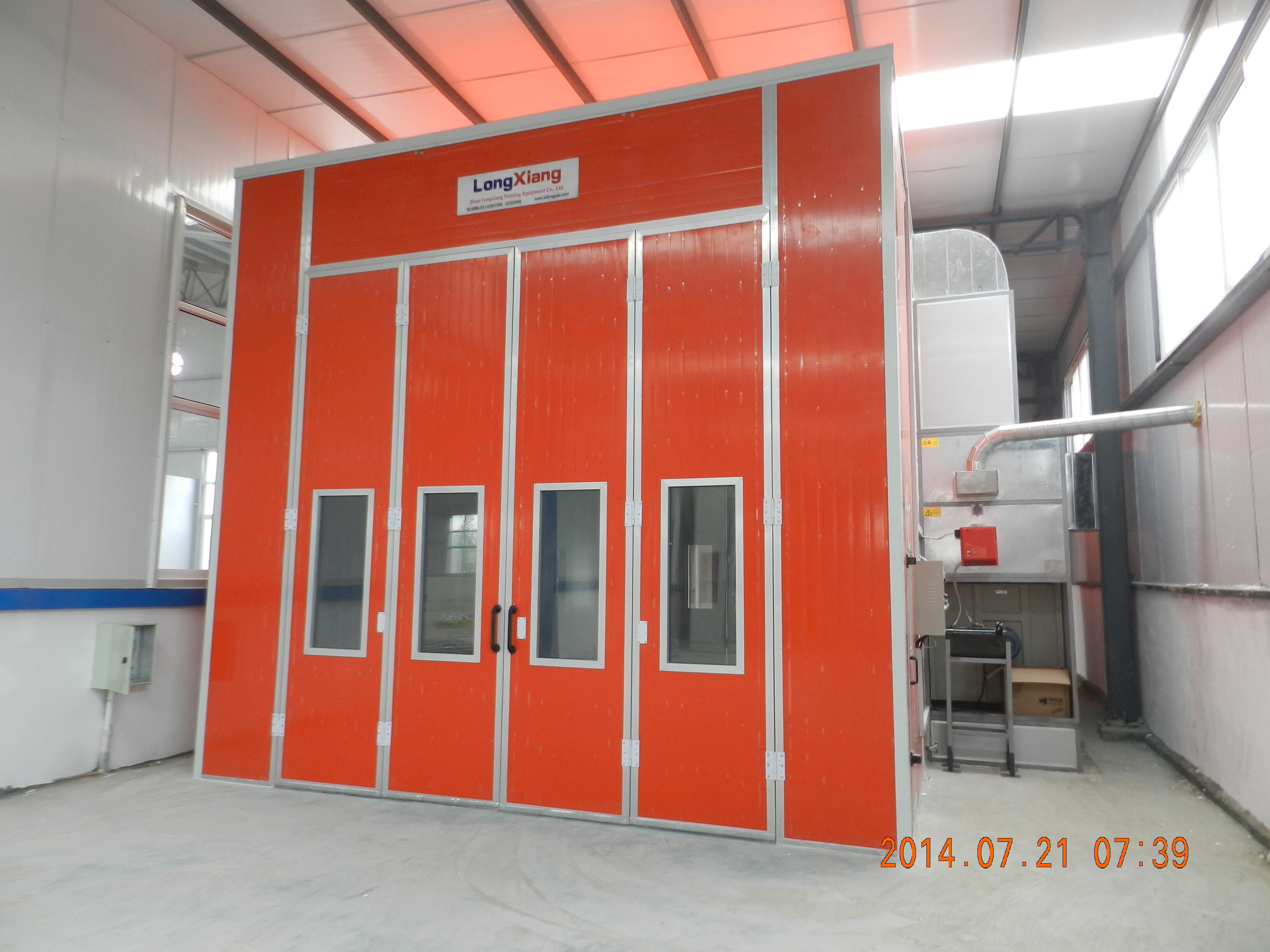
Achieving a flawless, dust-free finish in automotive painting requires more than skilled technique and quality materials—it demands a controlled environment that eliminates contamination sources. A high-quality car paint booth creates the optimal conditions necessary for professional-grade results by managing airflow, filtration, temperature, and humidity with precision engineering. Understanding how these systems work reveals why professional automotive shops and body repair facilities rely on advanced paint booth technology to deliver consistent, showroom-quality finishes that meet industry standards and customer expectations.
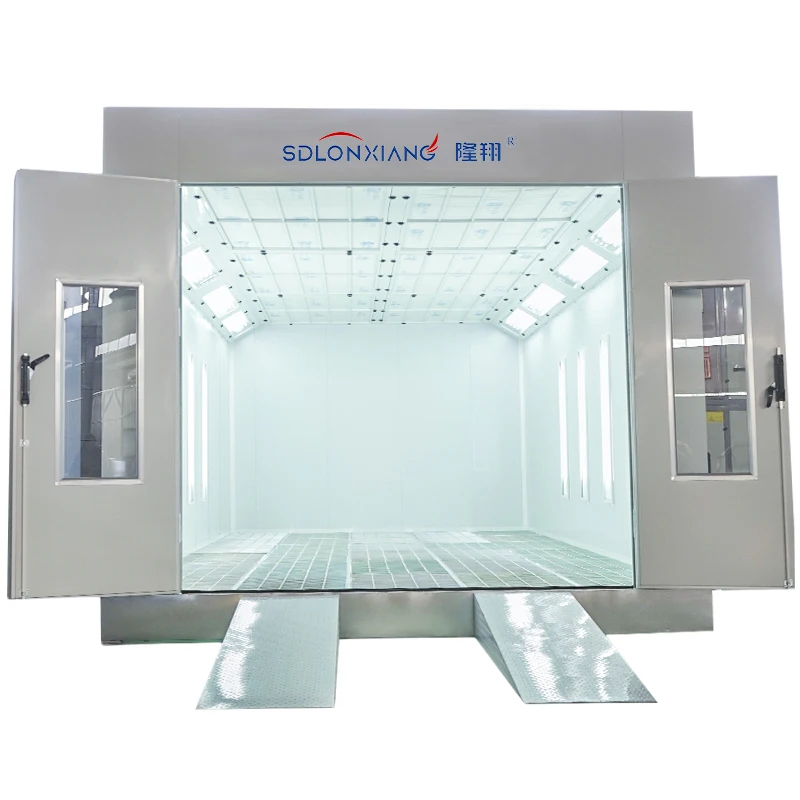
The difference between amateur and professional automotive painting lies primarily in environmental control, where every variable from air particle count to temperature stability directly impacts the final finish quality. Modern car paint booth systems integrate multiple technologies including laminar airflow patterns, multi-stage filtration, precise climate control, and contamination prevention protocols. These engineered solutions address the fundamental challenge of automotive painting: creating a sterile environment where paint can cure without interference from dust, debris, temperature fluctuations, or atmospheric contaminants that would otherwise compromise surface quality and durability.
Advanced Filtration Systems for Complete Contamination Control
Multi-Stage Air Filtration Technology
Professional car paint booth systems employ sophisticated multi-stage filtration that removes particles as small as 0.3 microns from the working environment. The primary filtration stage captures larger debris and contaminants before air enters the booth, while secondary HEPA-grade filters eliminate microscopic particles that could create surface imperfections. This layered approach ensures that incoming air meets ISO Class 8 cleanliness standards or better, creating conditions where paint application can proceed without risk of particle contamination during the critical curing phase.
The filtration system design also incorporates exhaust filtration to capture overspray and solvent vapors, preventing these materials from recirculating within the booth environment. Advanced systems utilize electrostatic precipitation and activated carbon filtration to remove both particulate and gaseous contaminants. This comprehensive filtration approach maintains consistent air quality throughout extended painting sessions, ensuring that each vehicle receives the same level of environmental protection regardless of production volume or operational duration.
Positive Pressure Maintenance and Air Exchange Rates
High-quality car paint booth systems maintain positive internal pressure to prevent unfiltered air infiltration through door seals and structural gaps. This pressurization strategy creates a protective barrier that keeps external contaminants from entering the controlled environment, even during door operations or equipment maintenance. The positive pressure differential typically ranges from 0.05 to 0.15 inches of water column, providing effective contamination prevention while maintaining worker comfort and operational efficiency.
Air exchange rates in professional systems typically achieve 100 to 300 air changes per hour during painting operations, ensuring rapid removal of overspray particles and solvent vapors. This high exchange rate prevents particle settling on wet surfaces while maintaining optimal visibility for painters throughout the application process. The combination of positive pressure and high air exchange creates a self-cleaning environment where contaminants are continuously removed rather than allowed to accumulate and potentially affect subsequent paint applications.
Precision Climate Control for Optimal Paint Performance
Temperature Stability and Gradient Management
Temperature control in a car paint booth extends far beyond basic heating and cooling—it requires precise gradient management to ensure uniform paint flow and curing characteristics across the entire vehicle surface. Professional systems maintain temperature stability within ±2°F of the setpoint, preventing thermal variations that could cause paint viscosity changes, flow irregularities, or differential curing rates. This level of control is achieved through strategically positioned heating elements, sophisticated airflow management, and continuous temperature monitoring at multiple points within the booth.
Advanced climate control systems also manage temperature gradients between different areas of the booth, ensuring that vertical surfaces, horizontal panels, and complex geometries all receive consistent thermal conditions. Thermal stratification prevention is accomplished through careful air distribution design that eliminates hot and cold zones. This uniform temperature environment allows paint materials to perform according to their designed specifications, resulting in consistent gloss levels, color matching, and surface texture across all painted surfaces.
Humidity Control and Moisture Management
Relative humidity control in professional car paint booth systems prevents moisture-related defects such as blushing, poor adhesion, and surface texture irregularities. Optimal humidity levels typically range from 40% to 60% relative humidity, depending on paint chemistry and ambient conditions. Dehumidification systems remove excess moisture from incoming air, while humidification capabilities prevent overly dry conditions that could cause rapid solvent evaporation and spray pattern disruption.
Moisture management also includes condensation prevention on booth surfaces, lighting fixtures, and ventilation components. Professional systems incorporate thermal barriers and surface heating to maintain temperatures above the dew point throughout the booth structure. This comprehensive moisture control prevents water droplets from forming and potentially falling onto wet paint surfaces, which would create permanent surface defects requiring costly rework. The integrated approach to humidity and condensation control ensures that environmental conditions remain stable and predictable throughout the painting and curing process.
Engineered Airflow Patterns for Uniform Paint Distribution
Laminar Flow Design and Velocity Control
Professional car paint booth systems utilize laminar airflow patterns that create smooth, non-turbulent air movement from ceiling to floor, carrying overspray particles away from painted surfaces before they can settle and cause defects. Laminar flow design requires precise velocity control, typically maintaining air speeds between 100 and 150 feet per minute to provide effective particle removal without creating spray pattern disruption. This careful balance ensures that paint droplets follow their intended trajectory while overspray is efficiently captured and removed from the working environment.
The laminar flow pattern also creates consistent working conditions for painters, eliminating air currents that could affect spray gun performance or cause material waste through inefficient transfer efficiency. Advanced systems incorporate flow straightening devices and carefully designed air distribution plenums to achieve uniform velocity profiles across the entire booth cross-section. This engineered approach to airflow management ensures that every area of the vehicle receives the same level of environmental protection, regardless of size, shape, or positioning within the booth.
Downdraft and Cross-Flow Optimization
Downdraft car paint booth configurations provide superior overspray capture by directing contaminated air downward and away from painted surfaces through floor-level exhaust systems. This vertical airflow pattern prevents overspray particles from traveling horizontally across the vehicle, reducing the risk of cross-contamination between different areas being painted simultaneously. Downdraft systems typically achieve better paint transfer efficiency and surface quality compared to cross-flow designs, particularly when painting large vehicles or multiple units in production environments.
Cross-flow systems offer advantages in specific applications where downdraft installation is impractical due to facility constraints or economic considerations. Modern cross-flow car paint booth designs incorporate advanced air distribution techniques that minimize turbulence and create predictable overspray patterns. Hybrid systems combine elements of both downdraft and cross-flow designs to optimize performance for specific vehicle types and painting procedures. The selection and optimization of airflow patterns depends on factors including booth size, vehicle dimensions, paint materials, and production requirements.
Contamination Prevention Protocols and Booth Maintenance
Surface Preparation and Cleaning Procedures
Maintaining a dust-free environment in a car paint booth requires rigorous surface preparation and cleaning protocols that extend beyond the painted vehicle itself. All booth surfaces, including walls, floors, lighting fixtures, and equipment, must be regularly cleaned using appropriate techniques and materials that do not introduce new contamination sources. Tack cloth application, anti-static treatments, and specialized cleaning solvents help eliminate static charges and residual particles that could become airborne during painting operations.
Pre-painting vehicle preparation includes thorough washing, degreasing, and tack-off procedures that remove manufacturing residues, handling contamination, and environmental deposits. Professional car paint booth protocols often specify multiple cleaning stages with quality control checkpoints to verify surface cleanliness before paint application begins. This systematic approach to contamination prevention addresses all potential sources of defects, from macro-level debris to microscopic particles that could affect paint adhesion or surface appearance.
Filter Replacement and System Maintenance Schedules
Professional car paint booth systems require scheduled maintenance programs that ensure consistent filtration performance and environmental control over extended operating periods. Filter replacement schedules are based on differential pressure monitoring, operating hours, and contamination levels rather than arbitrary time intervals. Primary filters typically require replacement every 200-400 operating hours, while HEPA filters may last 1000-2000 hours depending on environmental conditions and paint volume processed.
Comprehensive maintenance protocols also include cleaning of air distribution components, calibration of climate control systems, and inspection of booth sealing integrity. Regular maintenance prevents gradual performance degradation that could compromise paint quality or increase operating costs through energy inefficiency. Professional maintenance programs often include performance verification testing that confirms the car paint booth continues to meet specified cleanliness and environmental control standards. This proactive approach to system maintenance ensures consistent results and prevents costly production interruptions due to equipment failure or performance deterioration.
Quality Control and Performance Monitoring Systems
Real-Time Environmental Monitoring
Modern car paint booth systems incorporate sophisticated monitoring technology that provides real-time data on critical environmental parameters including particle count, temperature, humidity, airflow velocity, and pressure differentials. Digital monitoring systems enable operators to identify and correct environmental deviations before they affect paint quality, preventing defects and reducing rework costs. Automated data logging creates permanent records of environmental conditions for quality assurance and process optimization purposes.
Advanced monitoring systems can integrate with paint shop management software to correlate environmental conditions with paint quality outcomes, enabling continuous improvement of booth performance and painting procedures. Alarm systems notify operators when environmental parameters exceed acceptable limits, triggering immediate corrective action to maintain optimal conditions. This level of environmental control and monitoring ensures that each vehicle receives consistent treatment and that quality standards are maintained throughout production operations.
Performance Validation and Certification
Professional car paint booth installations undergo comprehensive performance validation testing to verify that all systems meet design specifications and industry standards. Validation testing includes particle count verification, airflow pattern analysis, temperature uniformity mapping, and contamination control effectiveness assessment. These tests provide objective evidence that the booth can consistently deliver the environmental conditions necessary for flawless paint finishes.
Ongoing performance certification through periodic testing ensures that car paint booth systems maintain their specified capabilities over time. Certification programs often include third-party verification of environmental performance, providing independent validation of system capabilities for quality assurance and regulatory compliance purposes. This systematic approach to performance validation and certification provides confidence that the booth will consistently deliver professional-quality results while meeting industry standards for environmental control and worker safety.
FAQ
What air filtration efficiency is required for a professional car paint booth?
Professional car paint booth systems typically require HEPA-grade filtration with minimum 99.97% efficiency at 0.3 microns for intake air, combined with pre-filtration stages that capture larger particles. The complete filtration system should achieve ISO Class 8 cleanliness or better, with particle counts not exceeding 3,520,000 particles per cubic meter for particles 0.5 microns and larger. This level of filtration ensures that incoming air will not introduce contamination that could affect paint surface quality.
How does temperature control affect paint finish quality in automotive applications?
Temperature control directly impacts paint viscosity, flow characteristics, and curing rate, all of which affect final finish quality. Professional car paint booth systems maintain temperature within ±2°F to prevent viscosity variations that could cause spray pattern irregularities, color variations, or surface texture problems. Proper temperature control also ensures consistent cure rates across all painted surfaces, preventing differential gloss levels or adhesion issues that could compromise long-term durability.
What maintenance schedule ensures optimal car paint booth performance?
Optimal car paint booth performance requires filter replacement based on differential pressure monitoring rather than fixed time intervals, typically every 200-400 hours for primary filters and 1000-2000 hours for HEPA filters. Daily cleaning of booth surfaces, weekly inspection of door seals and lighting fixtures, and monthly calibration of environmental controls ensure consistent performance. Comprehensive annual inspections should include airflow pattern verification, temperature uniformity testing, and overall system performance validation.
Can a high-quality car paint booth eliminate all sources of dust contamination?
While a properly designed and maintained car paint booth can achieve extremely low particle levels approaching cleanroom standards, complete elimination of all contamination sources requires integration of booth technology with proper operating procedures and maintenance protocols. The combination of advanced filtration, positive pressure, laminar airflow, and rigorous cleaning procedures can reduce contamination to levels where dust-related defects become extremely rare, but achieving zero defects requires attention to all aspects of the painting process including material handling, surface preparation, and operator training.
Table of Contents
- Advanced Filtration Systems for Complete Contamination Control
- Precision Climate Control for Optimal Paint Performance
- Engineered Airflow Patterns for Uniform Paint Distribution
- Contamination Prevention Protocols and Booth Maintenance
- Quality Control and Performance Monitoring Systems
-
FAQ
- What air filtration efficiency is required for a professional car paint booth?
- How does temperature control affect paint finish quality in automotive applications?
- What maintenance schedule ensures optimal car paint booth performance?
- Can a high-quality car paint booth eliminate all sources of dust contamination?