
 EN
EN
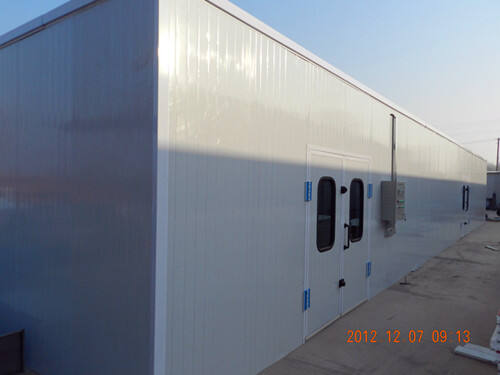
Selecting the appropriate size car paint booth for your auto body shop represents one of the most critical equipment decisions you'll make as a shop owner. The dimensions of your car paint booth directly impact your operational efficiency, spray quality, energy costs, and ability to handle different vehicle types. Many shop owners struggle with this decision because choosing too small limits your service capacity, while oversizing leads to unnecessary energy expenses and higher initial investment costs.
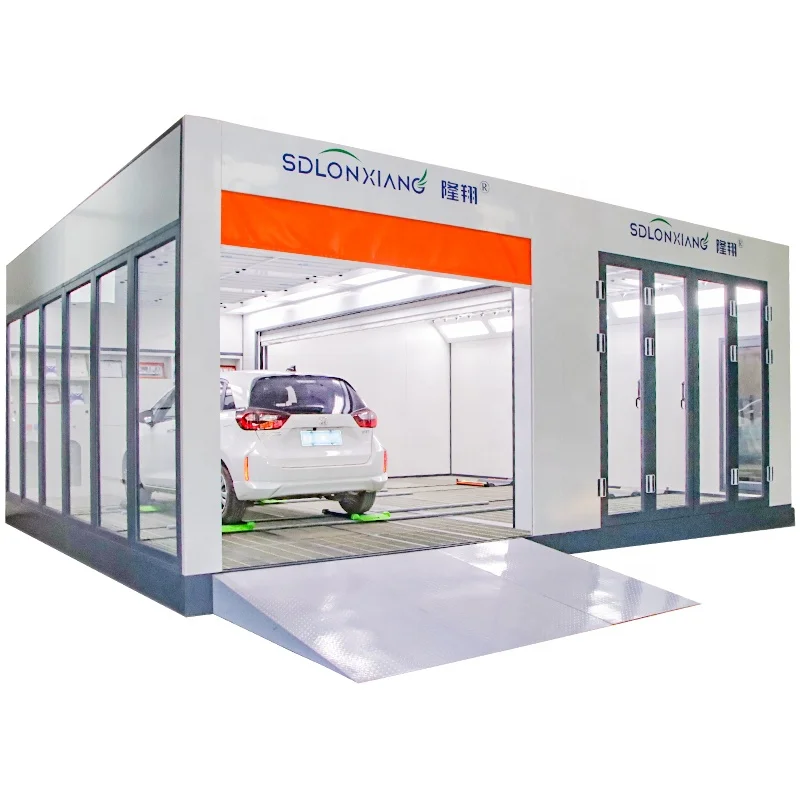
Understanding how to properly size your car paint booth requires careful analysis of your current and projected workload, the types of vehicles you service, your facility constraints, and your budget considerations. This comprehensive guide will walk you through the essential factors that determine the optimal car paint booth size for your specific auto body shop operation, ensuring you make an informed investment that supports both current needs and future growth.
Understanding Standard Car Paint Booth Dimensions and Vehicle Requirements
Common Paint Booth Size Categories
Car paint booth manufacturers typically offer several standard size categories designed to accommodate different vehicle types and shop requirements. Compact booths measuring 10x20 feet serve smaller operations focusing on passenger cars and light repairs. Mid-size booths at 12x24 feet represent the most popular choice for general auto body shops, providing sufficient space for standard sedans, SUVs, and light trucks with comfortable working clearance.
Large car paint booth installations measuring 14x30 feet or greater cater to shops handling commercial vehicles, oversized trucks, or multiple vehicle projects simultaneously. These dimensions include both the interior spray area and the necessary clearance zones around vehicles for proper airflow and technician movement during the painting process.
The height specification of your car paint booth also plays a crucial role, with standard ceiling heights ranging from 8 to 12 feet. Higher vehicles like delivery trucks, RVs, or lifted trucks require adequate overhead clearance for both the vehicle and proper air circulation patterns within the booth environment.
Vehicle Size Analysis for Your Shop
Conducting a thorough analysis of the vehicles your shop services provides the foundation for proper booth sizing. Document the dimensions of your most common vehicle types, including length, width, and height measurements. Passenger cars typically require 16-18 feet of length accommodation, while full-size pickup trucks need 19-22 feet of interior booth space.
Consider the working clearance requirements around each vehicle type in your car paint booth. Professional painters need approximately 3-4 feet of clearance on all sides of the vehicle for proper spray gun technique, equipment access, and safety compliance. This working space ensures optimal paint application angles and prevents overspray issues that could compromise finish quality.
Additionally, factor in any specialty vehicles you service occasionally, such as classic cars, luxury vehicles, or commercial fleet units. While these may not represent your daily volume, having the capability to accommodate them expands your service offerings and revenue potential.
Analyzing Your Shop's Workflow and Production Volume
Current and Projected Workload Assessment
Evaluating your shop's current paint volume and growth projections directly influences the optimal car paint booth size selection. Track your monthly paint jobs over the past year, noting peak periods and seasonal variations. A shop completing 40-60 paint jobs monthly may benefit from a larger booth to reduce cycle times and improve throughput efficiency.
Consider your target turnaround times and how booth size affects productivity. Larger car paint booth installations allow for more efficient vehicle positioning, faster prep work setup, and reduced congestion during busy periods. However, they also require more energy for heating, ventilation, and lighting, impacting operational costs.
Project your business growth over the next 5-7 years, as booth replacement or expansion involves significant investment and downtime. If you anticipate expanding into commercial vehicle work or adding a second paint technician, sizing up initially may prove more cost-effective than future modifications or additional booth installation.
Multi-Vehicle and Batch Processing Considerations
Some auto body shops optimize efficiency by painting multiple smaller vehicles simultaneously or processing batch work like fleet maintenance. A larger car paint booth enables these strategies, potentially doubling productivity during certain jobs while maintaining proper airflow and finish quality standards.
Evaluate whether your business model benefits from batch processing capabilities. Shops specializing in insurance work, fleet services, or collision repair often find larger booths improve their competitive positioning by enabling faster turnaround times and higher daily throughput volumes.
However, multi-vehicle painting requires careful coordination of prep timing, paint systems compatibility, and quality control procedures. Ensure your staff can effectively manage these processes before committing to a larger booth solely for batch processing capabilities.
Facility Space Constraints and Installation Requirements
Building Dimensions and Structural Considerations
Your existing facility dimensions significantly influence car paint booth size selection, as these installations require substantial floor space plus clearance areas for equipment access and airflow systems. Measure your available floor area carefully, accounting for booth walls, exhaust systems, air makeup units, and required maintenance access zones.
Ceiling height limitations often prove more restrictive than floor space, particularly in older automotive buildings. Modern car paint booth systems require adequate overhead clearance for proper air distribution, lighting systems, and exhaust ductwork. Factor in structural modifications costs if your current ceiling height cannot accommodate your preferred booth size.
Consider the booth's relationship to other shop operations, including vehicle traffic patterns, parts storage, and prep work areas. Positioning your car paint booth for optimal workflow while maintaining proper ventilation and fire safety clearances requires careful facility planning and may influence your final size selection.
Utility Infrastructure and Compliance Requirements
Larger car paint booth installations demand proportionally more electrical power, compressed air capacity, and gas supply for heating systems. Evaluate your current utility infrastructure and potential upgrade costs when considering booth sizing options. A 14x30 foot booth may require 50% more electrical capacity than a 10x20 unit.
Local building codes and environmental regulations also influence booth sizing decisions. Some jurisdictions impose stricter requirements for larger paint booth installations, including enhanced fire suppression systems, additional ventilation capacity, or special permitting processes that add to project costs and timelines.
Work with qualified booth suppliers and local contractors to understand the complete infrastructure requirements for different car paint booth sizes. This comprehensive cost analysis prevents unexpected expenses and ensures compliance with all applicable codes and regulations.
Economic Factors and Return on Investment Analysis
Initial Investment and Operating Cost Comparison
The purchase price difference between car paint booth sizes often appears manageable, but operating costs vary significantly based on booth dimensions. Larger booths require more energy for heating, lighting, and ventilation, potentially doubling monthly utility expenses compared to compact units. Calculate these ongoing costs over your expected booth lifespan for accurate comparison.
Factor in installation costs, which typically scale with booth size due to increased foundation requirements, ductwork complexity, and utility connections. A car paint booth installation may require significant site preparation and utility upgrades that should be included in your total investment analysis.
Consider financing options and cash flow impacts of different booth sizes. While larger units cost more initially, they may generate higher revenue through increased capacity and expanded service capabilities, potentially improving your return on investment timeline despite higher upfront costs.
Revenue Generation and Capacity Optimization
Analyze how different car paint booth sizes affect your revenue potential through improved efficiency, expanded service capabilities, and competitive positioning. A larger booth might enable you to accept larger vehicle jobs previously turned away, opening new customer segments and higher-margin work opportunities.
Consider the productivity gains from reduced vehicle positioning time, improved working conditions, and potential for batch processing. These efficiency improvements can increase daily throughput without adding labor costs, directly improving your shop's profitability and competitive position in the local market.
Evaluate the long-term business impact of booth size on customer satisfaction and repeat business. Professional-grade car paint booth installations that accommodate customer vehicles comfortably and deliver superior results contribute to positive reviews, referrals, and customer retention that compound over time.
FAQ
What is the most common car paint booth size for auto body shops?
The most popular car paint booth size for general auto body shops is 12x24 feet, which provides adequate space for most passenger vehicles, SUVs, and light trucks while maintaining reasonable operating costs. This size offers the best balance of versatility, efficiency, and affordability for shops handling typical collision repair and refinishing work.
How much clearance space do I need around a vehicle in the paint booth?
Professional paint application requires approximately 3-4 feet of clearance on all sides of the vehicle within the car paint booth. This space ensures proper spray gun angles, technician mobility, and optimal airflow patterns for consistent finish quality. The booth interior dimensions should account for both vehicle size and these essential clearance requirements.
Can I paint multiple small vehicles simultaneously in a larger booth?
Yes, larger car paint booth installations can accommodate multiple smaller vehicles like compact cars or motorcycles simultaneously, provided there's adequate clearance between vehicles and proper airflow distribution. However, this requires careful coordination of prep timing, compatible paint systems, and skilled technicians to maintain quality standards across all vehicles.
How do I calculate the total space needed for a paint booth installation?
Beyond the car paint booth interior dimensions, you need additional space for booth walls, equipment access, exhaust systems, and air makeup units. Generally, add 6-8 feet to each dimension for a complete installation footprint, plus consider ceiling height requirements for proper ventilation and lighting systems.