
 EN
EN
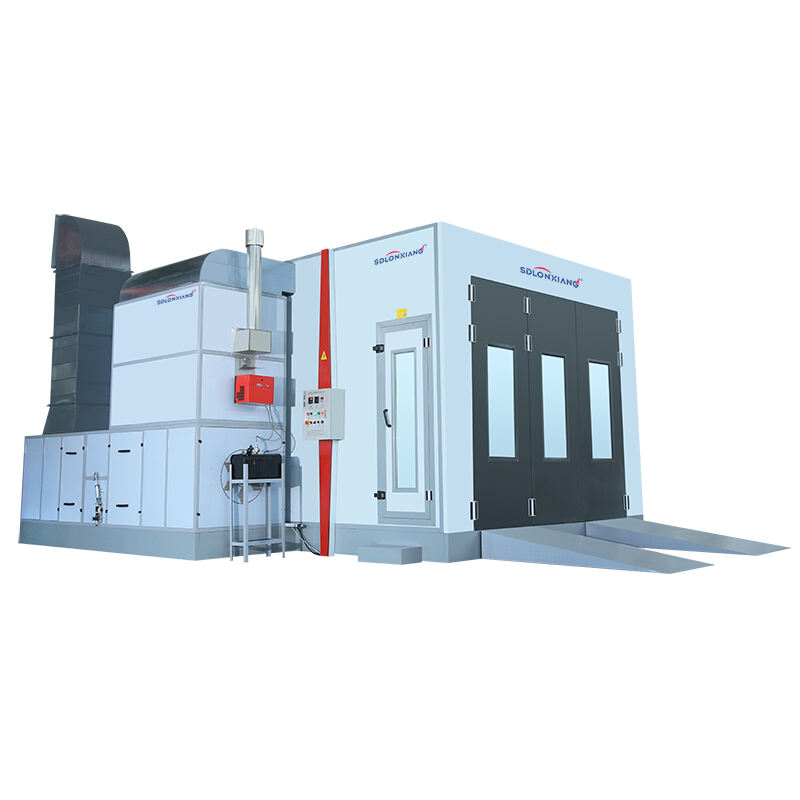
When investing in an industrial paint booth, one of the most critical yet often overlooked factors is airflow balance. Proper airflow distribution ensures consistent finish quality, operator safety, and regulatory compliance. Before committing to a purchase, understanding how to inspect and verify airflow balance can save thousands in future operational costs and prevent costly production downtime. The inspection process involves systematic evaluation of air velocity patterns, pressure differentials, and flow uniformity across the booth workspace, all of which directly impact coating application success.
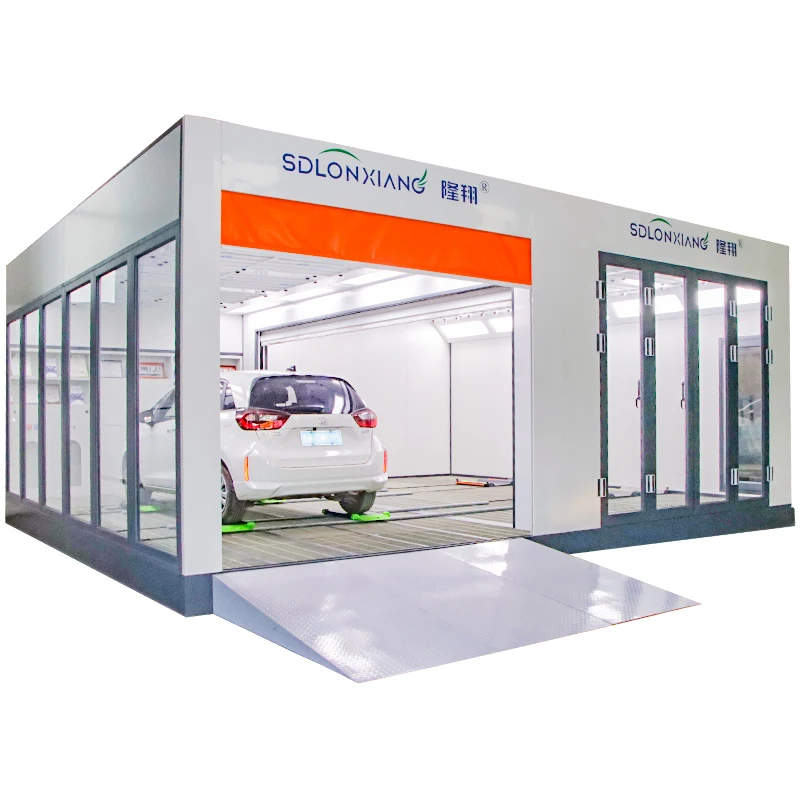
Evaluating airflow balance before purchase requires both technical knowledge and practical assessment methods. Unlike cosmetic features or quoted specifications, airflow performance can only be truly validated through direct measurement and observation under operating conditions. This comprehensive inspection approach protects buyers from acquiring equipment with design flaws, inadequate filtration capacity, or fan systems unable to maintain specified performance levels. By following a structured inspection protocol, purchasers can confidently assess whether a particular industrial paint booth will meet their production requirements and environmental standards.
Understanding Airflow Balance Fundamentals in Paint Booth Design
Critical Role of Airflow Distribution in Coating Applications
Airflow balance in an industrial paint booth refers to the uniform distribution of air velocity across the entire work envelope. This uniformity is essential because inconsistent airflow creates turbulence zones where overspray particles remain airborne longer, leading to contamination of wet painted surfaces. In downdraft booth configurations, air should descend vertically at consistent velocities between 80 to 100 feet per minute across the entire booth cross-section. Any deviation from this pattern indicates potential airflow imbalance that will compromise finish quality.
The physics behind balanced airflow involves careful coordination between supply air plenums, exhaust pit design, and filter loading characteristics. An industrial paint booth functions as a controlled airflow chamber where contaminated air must be captured and replaced continuously without creating dead zones or excessive turbulence. When airflow balance is achieved, overspray particles follow predictable trajectories toward exhaust filters rather than circulating randomly within the booth space. This controlled particle movement is what separates professional finishing environments from inadequate spray enclosures.
Common Airflow Imbalance Indicators and Their Causes
Several observable symptoms indicate airflow imbalance problems in an industrial paint booth system. Smoke tube testing often reveals swirling patterns near booth walls, suggesting insufficient exhaust capacity or poorly designed air distribution plenums. Temperature stratification within the booth workspace represents another red flag, as balanced airflow should maintain temperature uniformity within three degrees Fahrenheit across the work zone. Excessive filter face velocity at certain exhaust points while other areas show minimal draw indicates unequal pressure distribution that undermines overall system performance.
Design deficiencies causing airflow imbalance typically stem from inadequate plenum depth, insufficient perforation percentage in distribution panels, or undersized exhaust fans relative to booth volume. Some manufacturers reduce costs by installing fewer but larger openings in air distribution systems rather than numerous smaller perforations that create uniform flow patterns. Fan placement also critically affects balance; side-mounted exhaust fans often create directional bias in airflow patterns compared to central pit exhaust configurations. Recognizing these design characteristics during pre-purchase inspection helps buyers avoid inherently flawed booth architectures.
Regulatory Standards Governing Airflow Performance
Multiple regulatory frameworks establish minimum airflow performance standards for industrial paint booth operations. OSHA regulations mandate sufficient air velocity to capture overspray particulates and maintain operator exposure below permissible exposure limits for solvents and coating materials. NFPA 33 specifies minimum air velocity requirements based on booth configuration type, generally requiring 100 feet per minute face velocity for cross-draft booths and 80 feet per minute for downdraft designs. Local air quality management districts may impose additional requirements regarding volatile organic compound capture efficiency directly related to airflow effectiveness.
Compliance verification during the inspection process should include reviewing the manufacturer's performance certification documentation. Reputable industrial paint booth suppliers provide third-party test reports demonstrating airflow uniformity measurements at specified operating conditions. These reports should include velocity traverse data showing measurement points across booth cross-sections with statistical analysis of velocity deviation. Buyers should request these documents as part of pre-purchase due diligence, as their absence suggests the booth has not undergone rigorous performance validation testing.
Pre-Purchase Airflow Inspection Equipment and Methodology
Essential Measurement Instruments for Field Assessment
Conducting thorough airflow inspection of an industrial paint booth requires specific measurement instruments capable of quantifying air velocity, pressure differentials, and flow patterns. A calibrated thermal anemometer represents the primary tool for measuring air velocity at multiple points throughout the booth workspace. Digital manometers measure static pressure differences between booth interior and surrounding spaces, providing insight into exhaust system capacity and filter loading conditions. Smoke tubes or theatrical fog generators enable visualization of airflow patterns, revealing turbulence zones and dead air pockets not apparent from velocity measurements alone.
Professional-grade instruments should offer accuracy within plus or minus three percent of reading with rapid response times to capture velocity fluctuations. Vane anemometers work well for high-velocity measurements in supply plenums, while hot-wire or thermal sensors provide better sensitivity for the lower velocities typical in booth work zones. Digital instruments with data logging capabilities allow documentation of measurements at numerous points for later analysis and comparison against manufacturer specifications. Investing in quality measurement equipment or hiring qualified testing consultants ensures inspection results accurately reflect actual booth performance rather than providing misleading data.
Systematic Measurement Grid Protocol
Effective airflow inspection follows a structured measurement grid covering the entire booth work envelope. For an industrial paint booth, establish measurement points at the intersection of imaginary vertical and horizontal lines spaced approximately three feet apart across the booth cross-section. Measurements should be taken at multiple heights corresponding to typical workpiece elevations, generally including floor level, waist height at four feet, and overhead at seven feet. This three-dimensional grid approach captures velocity variations that might be masked by single-point measurements or manufacturer-provided test data from idealized locations.
At each grid location, hold the anemometer probe steady for at least thirty seconds and record both average velocity and observed fluctuation range. Consistent velocity readings across all measurement points indicate good airflow balance, while significant variations suggest design or installation problems. Document results in a spreadsheet or grid diagram showing velocity values at each location, which facilitates pattern recognition and comparison with specifications. Pay particular attention to corners and edges where airflow disruption most commonly occurs. Measurement grids should be performed with all filters installed and the booth operating at normal production conditions rather than in unloaded or test configurations.
Interpreting Velocity Data and Deviation Analysis
Raw velocity measurements gain meaning through statistical analysis revealing the degree of airflow uniformity. Calculate the mean velocity across all measurement points, then determine the standard deviation and coefficient of variation for the dataset. High-quality industrial paint booth designs achieve velocity uniformity where no individual measurement deviates more than fifteen percent from the mean value. Coefficient of variation below ten percent indicates excellent airflow balance, while values exceeding twenty percent suggest significant performance problems requiring design modifications or component upgrades.
Spatial analysis of velocity patterns provides additional diagnostic insight beyond statistical measures. Plot velocity values on a booth cross-section diagram using color coding or contour lines to visualize flow distribution. Systematic velocity gradients from one side to another indicate exhaust fan positioning issues or supply plenum design deficiencies. Random high and low velocity zones suggest obstruction problems or inadequate filter distribution. Presenting this analysis to the booth manufacturer before purchase creates leverage for demanding design corrections or negotiating price adjustments based on documented performance deficiencies.
Evaluating Supply Air Distribution Systems
Plenum Design and Air Delivery Mechanisms
The supply air plenum represents the critical component determining downstream airflow uniformity in an industrial paint booth. Effective plenums incorporate sufficient depth, typically eighteen to thirty-six inches, allowing turbulent air from supply fans to stabilize before entering distribution panels. Inspect plenum construction for proper baffling that spreads airflow across the entire plenum width rather than allowing direct jetting from fan discharge toward distribution openings. Inadequate plenum volume or missing baffles create velocity hot spots that compromise downstream uniformity regardless of other system components.
Distribution panel perforation patterns dramatically affect airflow balance quality. Small diameter holes at dense spacing, typically half-inch holes on two-inch centers, create more uniform flow than fewer large openings. Some manufacturers use expanded metal or perforated panels with twenty to thirty percent open area, while others employ louver designs. During inspection, examine whether perforation density remains consistent across the entire distribution panel or if open area percentages vary. Variable perforation density sometimes compensates for supply plenum pressure gradients, but poor implementations create rather than solve uniformity problems in the booth workspace.
Filter Loading and Resistance Impact
Supply air filtration significantly influences airflow balance through pressure drop characteristics. New filter media presents relatively low resistance, but as particulate loading increases during service, pressure drop rises and total airflow decreases unless fan systems compensate automatically. Inspect the industrial paint booth during operation with filters at various loading stages if possible, or request performance data showing how velocity profiles change as filters load. Systems with inadequate fan capacity or poorly designed filter retention frames show substantial velocity degradation and pattern shifts as filters accumulate dust.
Filter frame sealing quality also affects airflow distribution. Bypass air leaking around filter edges or through poorly sealed frame joints creates localized high-velocity zones that disrupt overall balance. During inspection, use smoke tubes around filter frame perimeters while the system operates, watching for smoke drawn into gaps indicating bypass leakage. Quality booth construction incorporates continuous gasket sealing with mechanical filter retention preventing frame distortion under operating pressure differentials. Bypass leakage not only disrupts airflow patterns but also introduces unfiltered air containing potential contaminants into the coating environment.
Make-Up Air Conditioning and Temperature Uniformity
Temperature-conditioned make-up air delivery affects both airflow balance and coating application outcomes. Heating or cooling equipment must condition the full airflow volume without creating thermal stratification within the booth. Inspect make-up air units for adequate heat exchanger capacity and proper integration with supply plenums. Direct-fired units require careful burner placement preventing flame impingement on heat exchanger surfaces that creates temperature variations in supply air. Indirect heating systems using hot water or steam coils should incorporate face velocity limits preventing localized temperature spikes.
Temperature measurement at multiple points within the operating industrial paint booth reveals conditioning system effectiveness. Deploy multiple thermocouples or digital thermometers throughout the booth workspace, recording temperatures at the same grid locations used for velocity measurements. Temperature uniformity within three degrees Fahrenheit across the work zone indicates proper system design and operation. Larger temperature variations suggest inadequate mixing in supply plenums, undersized conditioning capacity, or thermal stratification problems. Temperature uniformity directly affects coating viscosity, flash-off rates, and final finish appearance, making it an essential inspection parameter.
Assessing Exhaust System Capacity and Balance
Exhaust Fan Performance Verification
Exhaust fan capacity must match or slightly exceed supply air volume to maintain proper booth pressurization while handling filter loading increases. During inspection of an industrial paint booth, verify actual fan performance against nameplate ratings using velocity measurements in the exhaust duct combined with duct cross-sectional area to calculate volumetric flow rate. Many installations suffer from optimistic fan curve applications where actual operating point pressures exceed design assumptions, resulting in inadequate airflow volume. Request fan performance curves showing brake horsepower, RPM, and volume delivery at various static pressure levels.
Motor and drive system adequacy determines whether exhaust fans maintain performance as filter loading increases operating resistance. Variable frequency drive installations allow fan speed increases compensating for filter loading, maintaining constant booth velocity throughout filter service life. Belt-driven systems should show proper tensioning, correct sheave sizing, and adequate motor horsepower reserves. Direct-drive configurations eliminate belt slippage concerns but require motors specifically matched to fan requirements. Inspect motor nameplates confirming amperage draw at operating conditions matches motor ratings, as overloaded motors indicate undersized equipment struggling to meet performance demands.
Exhaust Plenum and Pit Design Evaluation
Downdraft industrial paint booth designs depend on properly engineered exhaust pits creating uniform draw across the booth floor. Effective pit designs incorporate longitudinal baffles dividing the pit into multiple zones, preventing preferential flow paths where air short-circuits to exhaust fans without uniformly sweeping the booth workspace. Inspect pit geometry for adequate depth, typically thirty-six to forty-eight inches, allowing air to distribute laterally before reaching exhaust filters. Shallow pits or those lacking internal baffling create velocity variations across the booth floor, with highest exhaust draw nearest fan locations.
Exhaust filter arrangement and retention systems affect both airflow balance and maintenance requirements. Quality designs distribute exhaust filters across the entire pit floor area rather than concentrating them in limited zones. Inspect filter frames for rigid construction preventing deflection under operating pressure differentials, as frame distortion allows bypass leakage disrupting exhaust flow patterns. Accessibility for filter replacement influences maintenance compliance; difficult filter access leads to extended service intervals with excessive filter loading that degrades performance. Consider operational practicality alongside initial performance metrics when evaluating exhaust system design.
Pressure Relationship and Booth Containment
Proper pressure relationships between the industrial paint booth interior, surrounding workspace, and exhaust plenum ensure containment of overspray and volatile organic compounds. Measure static pressure differentials using a digital manometer, comparing booth interior pressure against adjacent areas and exhaust plenum pressure. Booth interiors should maintain slight negative pressure, typically 0.02 to 0.05 inches water column below surrounding spaces, ensuring any air leakage flows inward rather than releasing contaminated air to surrounding areas. Excessively negative pressures indicate inadequate make-up air supply or oversize exhaust capacity.
Exhaust plenum pressure provides diagnostic information about filter loading conditions and system capacity. New clean filters typically show negative pressures of 0.5 to 1.0 inches water column relative to booth interior. As filters load with captured particulates, pressure drop increases, reaching 1.5 to 2.0 inches before requiring replacement. If inspection reveals high exhaust plenum negative pressures with relatively new filters, suspect undersized filter area or excessive face velocity. Document pressure relationships under observed filter loading conditions and compare against manufacturer specifications to verify the system operates within intended design parameters.
Practical Inspection Checklist and Documentation Requirements
On-Site Inspection Procedure Summary
Conducting a comprehensive pre-purchase inspection of an industrial paint booth requires systematic evaluation of multiple performance factors. Begin by visually examining booth construction quality, noting workmanship standards in welded seams, door sealing systems, and panel alignment. Document filter types and quantities installed in both supply and exhaust positions, verifying specifications match manufacturer literature. Operate the booth through complete startup and shutdown cycles, observing control system functionality and safety interlocks. Deploy measurement instruments following the grid protocol discussed earlier, recording velocity, temperature, and pressure data at designated locations throughout the booth workspace.
Smoke pattern visualization provides qualitative assessment complementing quantitative measurements. Generate smoke or fog at various locations within the booth while observing particle movement patterns. Uniform downward movement in downdraft configurations or horizontal laminar flow in crossdraft designs indicates proper airflow balance. Note any areas where smoke swirls, stagnates, or moves contrary to intended flow direction, as these zones represent airflow deficiencies requiring correction. Video recording smoke tests creates permanent documentation useful for comparing multiple booth options or negotiating performance guarantees with manufacturers.
Documentation Standards and Performance Guarantees
Comprehensive documentation protects buyers by establishing clear performance expectations and validation criteria. Request complete airflow test reports from the manufacturer showing velocity measurements across booth cross-sections, pressure differential data, and smoke pattern observations. These reports should identify test conditions including filter loading status, ambient temperature, and booth operating mode. Reputable manufacturers provide certified test data from independent testing laboratories rather than only internal validation results. Compare manufacturer test data against your field measurements to identify any significant discrepancies suggesting performance degradation or unrealistic specifications.
Negotiate contractual performance guarantees based on measurable airflow criteria before finalizing purchase. Specify minimum acceptable velocity uniformity coefficients, maximum velocity deviation percentages, and pressure relationship ranges. Include provisions for post-installation verification testing using agreed protocols with defined acceptance criteria. Performance guarantees should address both initial acceptance testing and sustained performance over specified filter loading ranges. Clear documentation and enforceable performance guarantees protect buyers from acquiring industrial paint booth equipment that fails to meet operational requirements despite impressive specification sheets.
Comparative Evaluation Framework for Multiple Options
When evaluating several potential industrial paint booth purchases, structured comparison frameworks facilitate objective decision-making. Create evaluation matrices scoring each option across critical performance parameters including velocity uniformity, temperature control, filter access, energy efficiency, and construction quality. Weight scoring factors according to your specific operational priorities; high-volume production environments prioritize different features than job shop applications. Quantitative airflow measurement data provides objective comparison between options, removing subjective impressions from the decision process.
Consider lifecycle costs alongside initial purchase price during comparative evaluation. Booth designs with superior airflow balance often demonstrate better energy efficiency through optimized fan sizing and reduced pressure losses. Enhanced airflow uniformity reduces coating material waste and refinishing labor, generating ongoing cost savings offsetting higher initial equipment investment. Request energy consumption data for fan motors, make-up air conditioning equipment, and auxiliary systems, calculating projected annual operating costs for each option. Total cost of ownership analysis frequently reveals that premium-priced industrial paint booth designs with superior airflow performance deliver better long-term value than budget alternatives with marginal performance characteristics.
FAQ
What air velocity should I measure in a downdraft industrial paint booth?
Downdraft industrial paint booth designs typically target 80 to 100 feet per minute vertical air velocity across the work zone. Measure at multiple points in a grid pattern across the booth cross-section, ensuring no location deviates more than fifteen percent from the average velocity. Higher velocities waste energy and may disturb coating application, while lower velocities fail to adequately capture overspray. Consistent velocity across all measurement points indicates proper airflow balance more importantly than achieving any specific velocity value.
How can I verify airflow balance without professional testing equipment?
While professional instruments provide quantitative data, qualitative assessment using smoke tubes or theatrical fog reveals airflow patterns visually. Generate smoke at various locations throughout the booth workspace, observing whether particles move uniformly in the intended direction without swirling or stagnation. Test multiple positions including corners, near doors, and at different heights. Consistent smoke movement patterns suggest adequate airflow balance, while erratic behavior indicates problems requiring further investigation. However, quantitative velocity measurements remain necessary for verification against specifications and regulatory compliance documentation.
What pressure differential should exist between booth interior and surrounding areas?
Industrial paint booth interiors should maintain slight negative pressure of 0.02 to 0.05 inches water column relative to surrounding workspace areas. This negative pressure ensures any air leakage through door seals or panel joints flows inward rather than releasing contaminated air outward. Measure using a digital manometer with pressure taps inside the booth and in adjacent areas. Excessively negative pressures indicate supply air deficiency or oversize exhaust capacity, while positive booth pressures suggest inadequate exhaust or excessive make-up air supply requiring system rebalancing.
Should airflow testing occur with new or loaded filters installed?
Comprehensive inspection should include testing with both clean filters and filters at moderate loading representing typical operating conditions. New filter testing reveals maximum system capacity and design airflow balance, while loaded filter testing demonstrates whether the booth maintains acceptable performance throughout filter service life. Many industrial paint booth systems show good initial performance but degrade significantly as filters load because fan capacity lacks adequate reserve. Request performance data across the complete filter loading range, or conduct testing at multiple filter conditions if evaluating an existing installation.