
 EN
EN
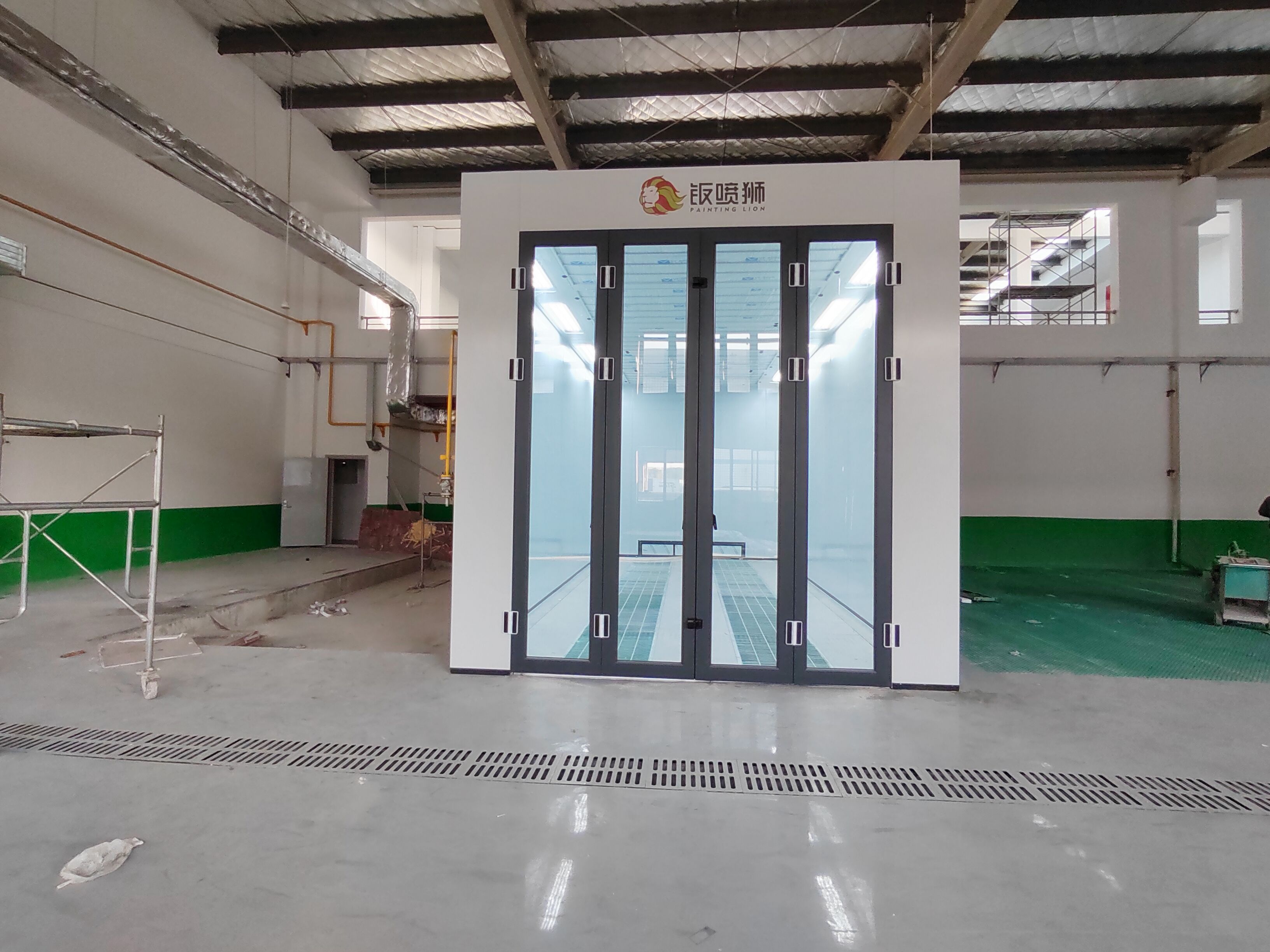
Selecting the right industrial paint booth equipped with explosion-proof lighting for automotive refinishing operations is a critical decision that directly impacts worker safety, coating quality, regulatory compliance, and long-term operational efficiency. Auto refinishing environments involve volatile organic compounds, flammable solvents, and airborne particulates that create potentially explosive atmospheres, making the integration of properly certified explosion-proof lighting systems an essential rather than optional feature. The process of choosing an industrial paint booth requires evaluating multiple technical dimensions including airflow engineering, filtration efficiency, lighting specifications, regulatory certifications, spatial configuration, and energy performance while ensuring all components work synergistically to create a safe and productive refinishing environment.
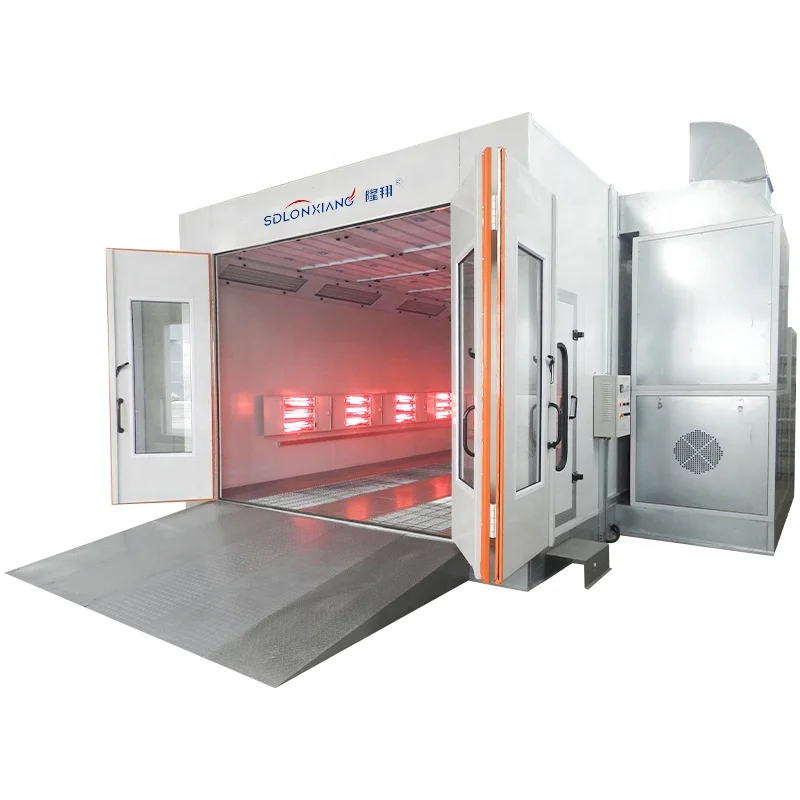
The complexity of this selection process stems from the intersection of safety engineering, coating technology, and operational workflow requirements that must all be satisfied simultaneously. An industrial paint booth designed for auto refinishing must provide adequate illumination for precise color matching and defect detection while eliminating ignition sources in classified hazardous locations. Understanding how to evaluate explosion-proof lighting specifications, assess booth construction quality, verify compliance certifications, and match system capabilities to your specific refinishing volume and vehicle types will enable you to make an informed investment that protects personnel, delivers consistent coating results, and maintains compliance with NFPA, OSHA, and local fire safety codes throughout the equipment lifecycle.
Understanding Explosion-Proof Lighting Requirements in Auto Refinishing Environments
Hazardous Location Classifications for Paint Booth Operations
Auto refinishing operations involving solvent-based paints, reducers, and clearcoats generate flammable vapor concentrations that classify the interior of an industrial paint booth as a Class I, Division 1 or Division 2 hazardous location according to the National Electrical Code. Class I locations are those where flammable gases or vapors are or may be present in the air in quantities sufficient to produce explosive or ignitable mixtures. Division 1 areas are those where ignitable concentrations exist under normal operating conditions, while Division 2 areas are those where such concentrations are not likely under normal conditions but may occur under abnormal conditions such as equipment failure or improper ventilation operation.
The classification directly determines the type of electrical equipment permissible within the booth environment. Standard commercial lighting fixtures contain components such as switches, ballasts, and lamp sockets that can generate sparks or surface temperatures exceeding the autoignition temperature of solvent vapors. Explosion-proof lighting fixtures are specifically engineered with sealed enclosures, reinforced construction, and controlled surface temperatures to prevent internal arcs or sparks from igniting external flammable atmospheres. Understanding whether your industrial paint booth operates as Division 1 or Division 2 helps determine the specific certification level required for all electrical components including lighting systems.
Critical Safety Standards and Certification Requirements
Explosion-proof lighting systems for automotive refinishing applications must meet specific safety standards established by recognized testing laboratories and regulatory bodies. In North America, the most relevant certifications include UL 1203 for explosion-proof and dust-ignition-proof electrical equipment, UL 844 for electric lighting fixtures in hazardous locations, and compliance with NFPA 33 which specifically addresses spray application using flammable or combustible materials. These certifications verify that lighting fixtures have undergone rigorous testing for enclosure integrity, thermal performance, and resistance to internal explosions without propagating ignition to external atmospheres.
When evaluating an industrial paint booth, verify that all lighting fixtures carry appropriate certification marks from accredited testing organizations such as UL, CSA, or equivalent international bodies. The certification label should specify the hazardous location classification the fixture is rated for, the maximum surface temperature code, and the specific gas or vapor groups for which approval has been granted. For auto refinishing applications involving typical automotive coatings, Group D classification covering gasoline, hexane, naphtha, benzene, butane, propane, and similar materials is generally required. Ensuring proper certification is not merely a compliance formality but a fundamental safety requirement that protects workers and facilities from catastrophic ignition events.
Illumination Quality Requirements for Color Matching and Inspection
Beyond safety compliance, the lighting system within an industrial paint booth must deliver sufficient quantity and quality of illumination to enable accurate color matching, uniform coating application, and effective quality inspection. Inadequate lighting creates shadows that mask application defects, prevents accurate assessment of color match against adjacent panels, and increases the likelihood of rework due to undetected imperfections. Professional auto refinishing standards typically specify minimum illumination levels of 100 foot-candles measured at vehicle surface height throughout the working area, with some premium facilities targeting 150 foot-candles or higher for critical color-matching operations.
Equally important as illumination intensity is the color rendering index of the lighting system, which measures how accurately the light source reveals true colors compared to natural daylight. Standard industrial lighting with low CRI values can distort color perception, making precise color matching nearly impossible and resulting in customer dissatisfaction when vehicles are viewed under natural outdoor lighting. High-quality explosion-proof lighting systems for auto refinishing should provide CRI values of 80 or higher, with premium systems offering CRI 90+ for applications requiring the most accurate color perception. When selecting an industrial paint booth, evaluate both the illumination intensity specifications and the color rendering characteristics to ensure the lighting system supports quality refinishing work rather than compromising it.
Evaluating Airflow Engineering and Filtration Systems
Airflow Patterns and Velocity Requirements
The airflow system of an industrial paint booth serves multiple critical functions including vapor dilution and removal, overspray capture, temperature control, and maintenance of proper air balance to prevent contamination migration. For auto refinishing applications, downdraft airflow configuration is generally preferred over crossdraft or semi-downdraft designs because it draws overspray and vapors downward away from freshly applied coatings, minimizing surface contamination and improving finish quality. Downdraft systems introduce filtered air through the ceiling plenum and exhaust it through floor-level grates, creating a uniform vertical airflow pattern across the entire work envelope.
Airflow velocity within the booth must be sufficient to capture and remove overspray and solvent vapors while remaining low enough to prevent coating application problems such as excessive dry spray, dirt entrainment, or film disturbance. Industry standards typically specify face velocities between 80 and 120 feet per minute for automotive refinishing operations, with 100 fpm considered optimal for most applications. When evaluating an industrial paint booth, verify that the manufacturer provides certified airflow performance data demonstrating uniform velocity distribution across the work area rather than just a single measurement point. Uneven airflow creates dead zones where vapors can accumulate and active zones where excessive velocity interferes with coating application, both of which compromise safety and quality outcomes.
Intake Filtration and Contamination Control
The quality of air introduced into an industrial paint booth directly affects coating finish quality by determining the level of particulate contamination in the application environment. Automotive refinishing requires exceptionally clean air to prevent dirt nibs, dust particles, and other foreign material from becoming embedded in wet coatings where they create visible defects requiring labor-intensive correction. Multi-stage filtration systems typically include progressively finer filter media stages, with initial coarse filters removing large particles and final filters providing 95-98% efficiency on particles down to 10 microns or smaller.
When selecting an industrial paint booth for auto refinishing, evaluate the filtration system configuration, filter media specifications, and filter replacement accessibility. Premium systems incorporate ceiling filter plenums with uniform filter distribution that prevents channeling and ensures consistent air quality across the entire booth width. Filter media should meet appropriate flammability standards for use in spray finishing environments, and the booth design should provide convenient access for filter inspection and replacement without requiring extensive disassembly. Calculate projected filter replacement costs based on your anticipated operating hours and coating volume, as filtration represents a significant ongoing operational expense that varies considerably between system designs.
Exhaust Air Treatment and Compliance
The exhaust system of an industrial paint booth must effectively remove vapor-laden air and captured overspray while maintaining compliance with air quality regulations governing volatile organic compound emissions and particulate discharge. Exhaust filtration typically employs progressively arrayed filter panels that capture paint solids while allowing vapor-laden air to pass through for ultimate discharge or further treatment. The filter arrangement must provide adequate surface area to prevent excessive pressure drop that would reduce airflow velocity below effective capture levels while ensuring captured overspray does not create a fire hazard within the exhaust plenum.
Some jurisdictions require secondary air treatment systems beyond basic filtration to reduce VOC emissions before atmospheric discharge. When evaluating an industrial paint booth, determine whether your facility location requires VOC abatement equipment such as thermal oxidizers, catalytic converters, or carbon adsorption systems. These add-on systems represent significant capital and operating costs but may be mandatory for permit approval in air quality non-attainment areas or facilities with high coating volumes. Verify that the booth manufacturer can provide complete turnkey systems including any required air treatment equipment and that the integrated design maintains proper airflow balance throughout the entire air handling system.
Assessing Structural Design and Construction Quality
Booth Panel Construction and Sealing Methods
The structural envelope of an industrial paint booth must contain the coating process, maintain controlled airflow patterns, provide fire-resistant barriers, and withstand years of chemical exposure and mechanical wear. Panel construction typically employs insulated steel sandwich panels with painted interior surfaces that resist chemical attack and provide smooth, cleanable surfaces that do not harbor contamination. Panel thickness, insulation type, and joining methods significantly affect structural integrity, thermal performance, and long-term durability of the installation.
When evaluating booth construction, examine panel gauge thickness, insulation R-value, and joint sealing methods. Premium industrial paint booth systems employ heavier gauge steel with compression-fit or tongue-and-groove panel connections sealed with high-temperature gaskets that prevent air infiltration and vapor escape. Inferior designs use lighter materials with simple overlapping joints that develop leaks over time as fasteners loosen and sealants degrade. Inspect proposed booth configurations for structural reinforcement around door openings, lighting penetrations, and equipment mounting points where concentrated stresses can cause panel distortion or fastener failure that compromises booth integrity.
Access Doors and Personnel Safety Features
An industrial paint booth designed for auto refinishing must provide adequate access for vehicle entry and exit, technician movement, and equipment service while maintaining proper airflow containment and personnel safety. Door configurations vary from single personnel doors to full drive-through designs with oversized openings accommodating large vehicles and material handling equipment. Door construction must match the fire-resistance rating of surrounding panels, incorporate proper sealing to prevent air leakage, and include safety features such as vision panels, emergency releases, and interlock systems.
Evaluate door specifications including opening dimensions, seal design, hinge quality, and hardware durability when selecting an industrial paint booth. Pneumatic or motorized door operators provide convenience and ensure consistent closing that maintains booth containment, but add complexity and maintenance requirements compared to manual operation. Safety interlocks that prevent spray gun operation when doors are open or that automatically shut down ventilation systems if door seals are breached provide additional protection but require proper integration with booth control systems. Consider your specific workflow requirements including vehicle size range, throughput volume, and technician access patterns when determining optimal door configuration.
Floor Systems and Drainage Design
The floor system of a downdraft industrial paint booth serves as both the exhaust plenum and the working surface, requiring specialized design to provide uniform airflow distribution, adequate structural support, safe footing, and effective cleaning access. Steel grating floors are most common, with grating bar spacing and load capacity selected to support vehicle weight while allowing unrestricted airflow to the exhaust chamber below. The exhaust plenum beneath the grating requires adequate depth and internal configuration to maintain uniform suction across the entire floor area without creating localized high-velocity zones or stagnant regions.
When evaluating floor system designs, verify load capacity ratings exceed the gross weight of the heaviest vehicles you will refinish, confirm grating bar spacing provides safe footing without catching shoe heels or tool wheels, and inspect accessibility to the exhaust chamber for filter maintenance and cleaning operations. Some industrial paint booth designs incorporate raised floor systems that elevate the grating above the existing facility floor, simplifying installation in existing buildings but creating step-up access challenges. Others employ pit designs that require excavation but provide floor-level vehicle entry. Consider your facility constraints, installation budget, and operational preferences when evaluating floor system alternatives.
Comparing Control Systems and Operational Features
Temperature Control and Heating Systems
Many industrial paint booth installations for auto refinishing include integrated heating systems that accelerate coating cure, enable year-round operation in cold climates, and improve coating flow characteristics during application. Heated booth operation typically involves two distinct modes: spray mode with moderate heating and ventilation to maintain comfortable application temperatures, and bake mode with elevated temperatures and modified airflow to cure freshly applied coatings. Temperature control systems must maintain uniform heating throughout the work envelope, prevent formation of hot spots that could damage coatings or ignite vapors, and provide accurate temperature regulation for consistent curing performance.
When evaluating heated industrial paint booth systems, examine heating capacity specifications, burner type and efficiency, heat exchanger design, and control system capabilities. Direct-fired burners inject combustion products directly into the airstream and provide high efficiency but require proper combustion air management and flue gas monitoring. Indirect-fired burners isolate combustion products from booth air using heat exchangers and provide cleaner air but operate at lower efficiency. Control systems should provide independent temperature setpoints for spray and bake modes, programmed temperature ramping to prevent coating defects, and safety interlocks that prevent heating system operation if airflow drops below minimum safe levels. Calculate operating costs based on local energy prices and anticipated usage patterns, as heating represents a major ongoing expense for high-volume refinishing operations.
Control Panel Integration and User Interface Design
The control system of an industrial paint booth integrates all operational functions including lighting, airflow, temperature regulation, door interlocks, and safety monitoring into a unified interface that enables efficient operation while enforcing safe operating procedures. Control panel design varies from basic manual switches for individual functions to sophisticated programmable logic controllers with touchscreen interfaces, preset operating modes, and remote monitoring capabilities. The optimal control system sophistication depends on your operational complexity, technician skill levels, and management monitoring requirements.
When selecting an industrial paint booth control system, evaluate interface clarity and logic flow to ensure technicians can efficiently initiate operations without extensive training or reference to documentation. Critical safety functions such as airflow verification, temperature limits, and emergency shutdown should operate independently of programmable functions to prevent software failures from compromising personnel protection. Remote monitoring capabilities enable management to track booth utilization, verify proper operating procedures, and schedule maintenance based on actual run hours rather than calendar intervals. Consider whether integration with facility management systems or production tracking software would provide operational benefits that justify additional control system investment.
Energy Efficiency and Operating Cost Optimization
Operating costs for an industrial paint booth extend well beyond initial purchase price to encompass energy consumption for airflow and heating, filter replacement expenses, maintenance labor, and regulatory compliance activities. Energy-efficient designs incorporate variable frequency drive motors that reduce fan power consumption during low-demand periods, high-efficiency heating systems that minimize fuel usage, and optimized airflow patterns that provide adequate performance with reduced air volume. LED explosion-proof lighting systems consume significantly less energy than traditional technologies while providing superior illumination quality and extended service life that reduces maintenance requirements.
When comparing industrial paint booth options, request detailed operating cost projections based on your anticipated usage patterns including daily runtime hours, heating degree days for your location, and coating volume throughput. Evaluate the payback period for premium efficiency features such as VFD controls, high-efficiency heating systems, and LED lighting upgrades compared to basic configurations. Consider total cost of ownership over a realistic equipment lifecycle rather than simply selecting the lowest initial purchase price, as energy and maintenance expenses accumulated over 10-15 years of operation typically far exceed initial capital costs. Some utility providers offer incentive programs for energy-efficient industrial equipment that can offset incremental costs of high-efficiency systems.
Verifying Compliance and Installation Requirements
Building and Fire Code Compliance Verification
Installation of an industrial paint booth requires compliance with numerous building codes, fire safety regulations, and environmental permits that vary by jurisdiction and facility classification. The International Building Code, International Fire Code, NFPA 33, and NFPA 70 establish baseline requirements, but local amendments and interpretations may impose additional restrictions or alternative compliance paths. Early consultation with the authority having jurisdiction over your facility location prevents costly redesigns or equipment modifications after purchase.
When planning an industrial paint booth installation, engage a qualified fire protection engineer or code consultant to review proposed equipment specifications and installation plans for compliance with applicable regulations. Key compliance areas include hazardous location electrical classifications, fire suppression system requirements, explosion venting provisions, minimum separation distances from property lines and occupied structures, emergency egress paths, and hazardous material storage limitations. Obtain written confirmation from local fire marshals and building officials that proposed equipment and installation methods satisfy all applicable requirements before finalizing equipment purchases.
Environmental Permitting and Emissions Compliance
Auto refinishing operations generate regulated air pollutant emissions including volatile organic compounds, hazardous air pollutants, and particulate matter that may require environmental permits before commencing operations. Permit requirements depend on coating volumes, formulation characteristics, control equipment effectiveness, and facility location relative to air quality attainment status. Some jurisdictions exempt small operations below specified coating volume thresholds, while others require comprehensive air permits regardless of scale.
Research environmental permit requirements for your jurisdiction early in the equipment selection process, as required control technologies significantly affect system configuration and costs. Title V major source permits, synthetic minor permits, and general permits each impose different equipment, monitoring, and recordkeeping obligations that influence optimal booth design. Work with environmental consultants familiar with auto refinishing regulations in your area to determine permit applicability, identify required control technologies, and prepare compliant permit applications. Budget adequate time for permit review and approval processes which can extend six months or longer in some jurisdictions.
Utility Infrastructure and Service Requirements
An industrial paint booth requires substantial utility services including electrical power, natural gas or propane for heating, compressed air for pneumatic controls and spray equipment, and adequate structural support for equipment loads. Electrical service requirements vary from 200 to 600+ amps depending on booth size, lighting quantity, heating capacity, and motor sizes. Gas-fired heating systems require properly sized gas service with adequate supply pressure and flow capacity to meet peak demand during cold weather operation.
Before finalizing equipment selection, verify that your facility infrastructure can accommodate the service requirements of contemplated booth configurations. Upgrading electrical service, installing new gas lines, or reinforcing floor structures to support booth loads represent significant costs beyond the booth purchase price that must be included in project budgets. Coordinate with utility providers to determine service availability, upgrade costs, and installation timelines that may affect overall project scheduling. Consider equipment placement options that minimize utility extension costs and installation complexity while maintaining efficient workflow integration with existing refinishing operations.
FAQ
What makes explosion-proof lighting different from regular industrial lighting in paint booths?
Explosion-proof lighting fixtures are specifically engineered with sealed, reinforced enclosures that contain any internal electrical arcs or sparks and prevent ignition of flammable vapors present in the surrounding atmosphere. Unlike regular lighting that may have exposed electrical contacts, thin housings, or ventilation openings, explosion-proof fixtures meet rigorous testing standards including UL 1203 and UL 844 that verify they can withstand internal explosions without propagating ignition externally. These fixtures also maintain controlled surface temperatures below the autoignition point of solvent vapors, incorporate specially designed lamp sockets and ballasts, and use heavy-duty construction with threaded or bolted covers that maintain enclosure integrity. For auto refinishing environments classified as hazardous locations due to flammable coating vapors, explosion-proof lighting is not simply a premium option but a mandatory safety requirement to protect personnel and facilities from ignition hazards.
How do I determine the correct size industrial paint booth for my auto refinishing operation?
Determining the appropriate size for an industrial paint booth requires evaluating several factors including the largest vehicle dimensions you will refinish, the number of vehicles requiring sufficient clearance for technician movement and equipment access around the entire vehicle perimeter, and future capacity expansion plans. A standard passenger car typically requires a booth with minimum interior dimensions of 14 feet wide by 8-9 feet high by 24-26 feet long, while larger vehicles such as SUVs, trucks, or commercial vehicles may need 16-foot widths and 30+ foot lengths. Beyond simple vehicle fit, ensure adequate working clearance of at least 3-4 feet around the vehicle perimeter for technician access, spray equipment positioning, and material staging. Consider your refinishing volume and workflow patterns when sizing the booth, as undersized booths create bottlenecks that limit throughput while oversized booths waste energy heating and ventilating unnecessary space. Consult with booth manufacturers to review your specific vehicle mix and volume projections to identify optimal sizing that balances capacity, efficiency, and budget considerations.
What ongoing maintenance requirements should I expect with an explosion-proof lighting system?
Explosion-proof lighting systems require regular maintenance to ensure both continued safety compliance and optimal illumination performance throughout their service life. Primary maintenance activities include periodic inspection of enclosure seals and threaded joints to verify integrity has not been compromised by vibration or thermal cycling, lamp replacement at recommended intervals before failure to maintain consistent illumination levels, and cleaning of lens covers to remove coating overspray and dust accumulation that reduces light transmission. Unlike standard lighting where lamp replacement is simple, explosion-proof fixtures require careful procedures including verifying power disconnection, properly resealing enclosures after lamp changes, and ensuring threaded joints are tightened to specified torque values to maintain explosion-proof ratings. Many facilities implement quarterly visual inspections, semi-annual detailed inspections with seal verification, and annual comprehensive assessments including illumination level measurements to ensure continued code compliance. Modern LED explosion-proof lighting systems significantly reduce maintenance burden compared to traditional technologies through extended lamp life exceeding 50,000 hours and reduced heat generation that minimizes seal degradation, making them increasingly popular despite higher initial costs.
Can I add explosion-proof lighting to an existing paint booth or must I purchase a complete new system?
Retrofitting explosion-proof lighting into an existing industrial paint booth is technically feasible but requires careful evaluation of several factors to ensure both safety compliance and system compatibility. The existing booth must have proper electrical infrastructure including correctly classified wiring methods, appropriate circuit protection, and adequate capacity to support the new lighting load. All electrical penetrations through booth panels must be properly sealed with explosion-proof fittings to maintain both hazardous location integrity and booth airflow containment. The booth structure must provide adequate mounting points and support for explosion-proof fixtures which are significantly heavier than standard industrial lighting. If your existing booth has undersized electrical service, uses non-compliant wiring methods, or lacks proper hazardous location classification, the cost and complexity of achieving compliant retrofitting may approach or exceed the investment required for a new booth system with integrated explosion-proof lighting. Engage a qualified electrical contractor experienced with hazardous location installations to assess your existing booth and provide detailed recommendations regarding retrofit feasibility, required modifications, and projected costs before proceeding with lighting upgrades.
Table of Contents
- Understanding Explosion-Proof Lighting Requirements in Auto Refinishing Environments
- Evaluating Airflow Engineering and Filtration Systems
- Assessing Structural Design and Construction Quality
- Comparing Control Systems and Operational Features
- Verifying Compliance and Installation Requirements
-
FAQ
- What makes explosion-proof lighting different from regular industrial lighting in paint booths?
- How do I determine the correct size industrial paint booth for my auto refinishing operation?
- What ongoing maintenance requirements should I expect with an explosion-proof lighting system?
- Can I add explosion-proof lighting to an existing paint booth or must I purchase a complete new system?