Comprehensive Safety Systems for Worker Protection and Risk Management
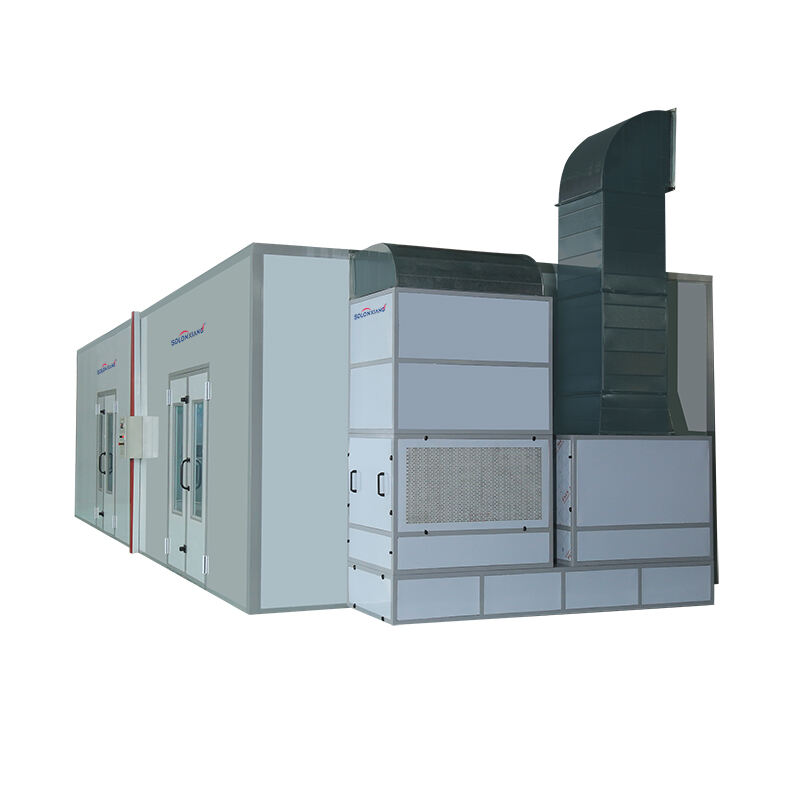
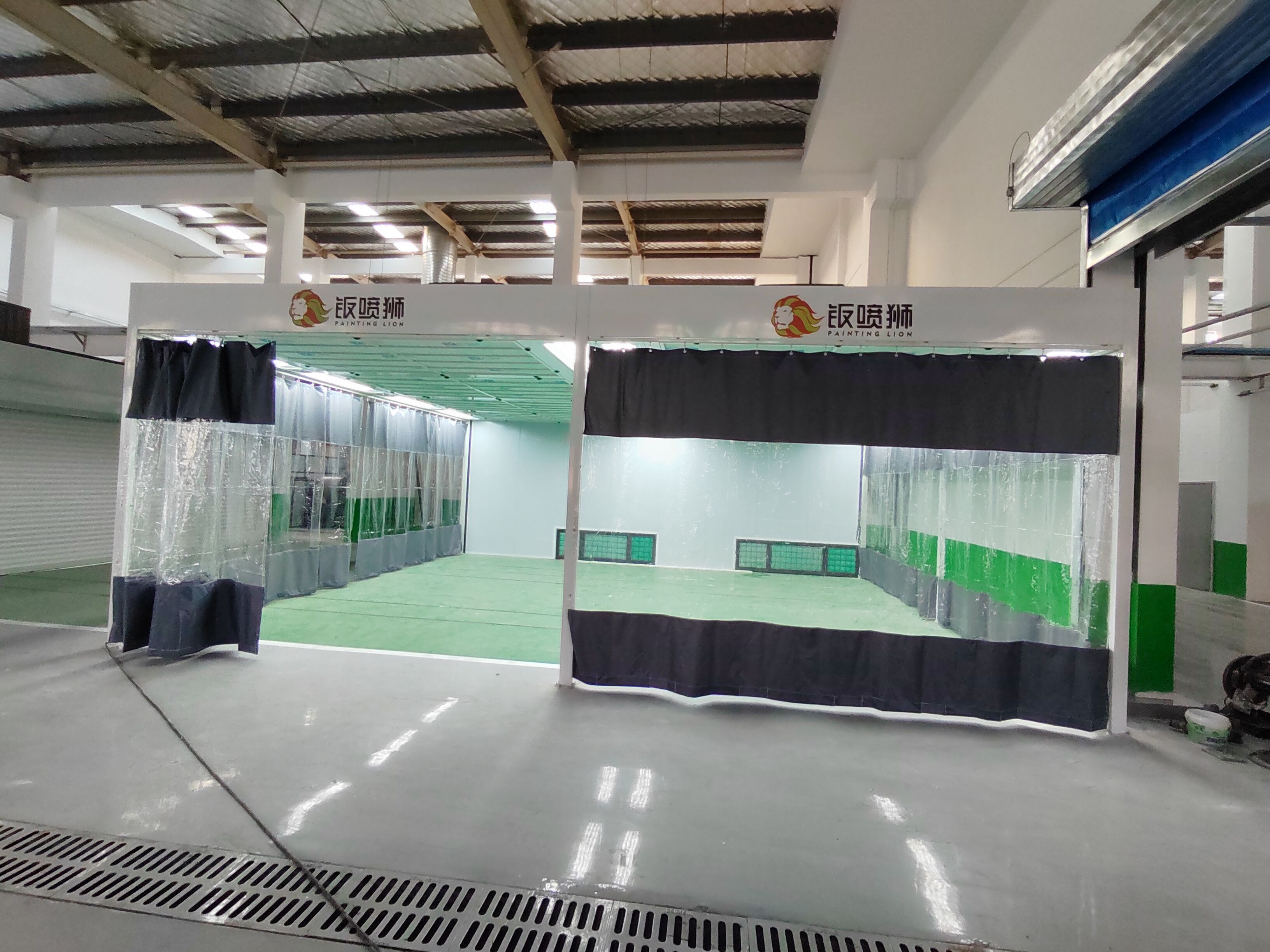
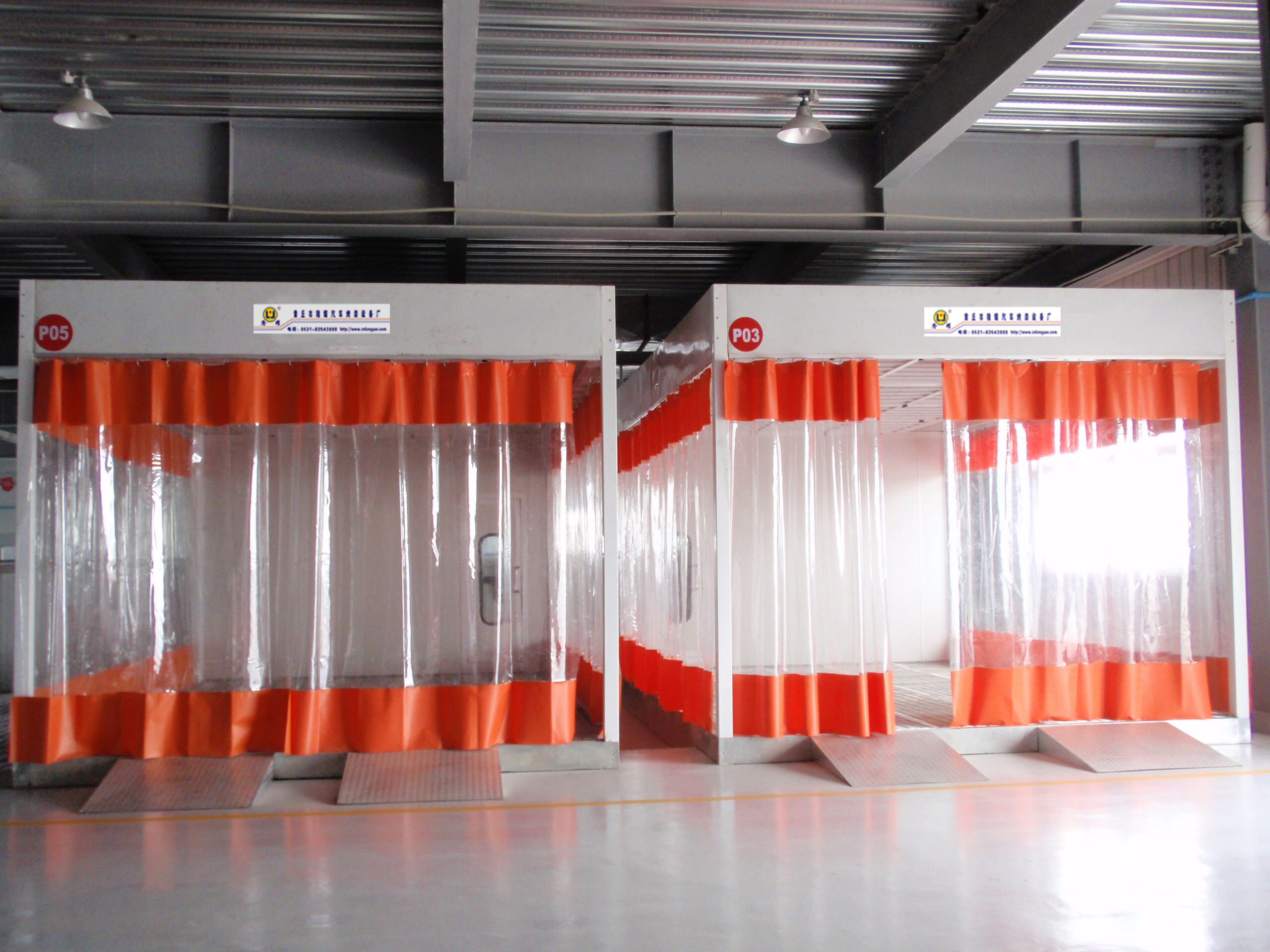
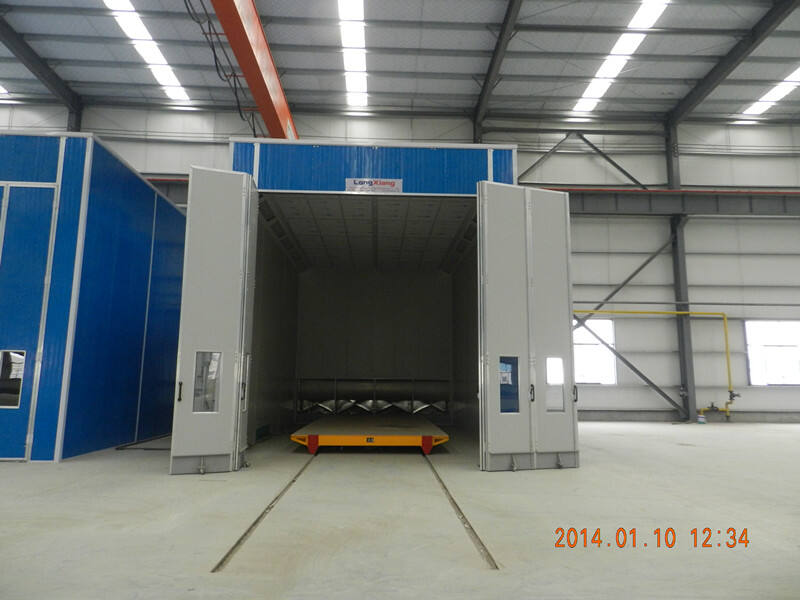
The paint booth outdoor prioritizes worker safety through comprehensive protection systems that exceed industry standards and regulatory requirements while maintaining operational efficiency and productivity levels. Fire suppression technology forms the foundation of safety protection with automatic detection systems that monitor for temperature increases, flame presence, or explosive vapor concentrations that could pose immediate dangers to personnel or equipment. Emergency shutdown procedures activate instantly when safety sensors detect hazardous conditions, immediately stopping all painting operations and engaging ventilation systems to clear dangerous atmospheres. Explosion-proof electrical components eliminate ignition sources throughout the system, including motors, switches, and control panels that meet stringent safety classifications for hazardous location operations. The comprehensive ventilation design maintains negative pressure conditions that prevent hazardous vapor accumulation in worker breathing zones while ensuring adequate air exchange rates that exceed occupational health standards. Personal protective equipment integration includes connection points for supplied-air respirators, emergency escape breathing apparatus, and communication systems that maintain contact with safety personnel during painting operations. Static electricity dissipation systems ground all conductive surfaces and provide grounding connections for workers, preventing spark generation that could ignite flammable materials or vapor mixtures. The paint booth outdoor incorporates ergonomic design principles that reduce worker fatigue and injury risks through proper work heights, adequate lighting systems, and accessible control locations that minimize awkward positioning during operations. Emergency access features include multiple exit points, clearly marked escape routes, and emergency lighting systems that remain functional during power outages or emergency situations. Air quality monitoring provides continuous surveillance of worker exposure levels with automatic alerts when concentrations approach safety thresholds, enabling proactive protection measures before hazardous conditions develop. Training integration features include visual safety reminders, operational procedure displays, and emergency response instructions that reinforce proper safety practices during daily operations. The safety system documentation supports regulatory compliance reporting and safety program management while providing data for continuous improvement initiatives that enhance worker protection over time.

 EN
EN