Precise Temperature and Humidity Control
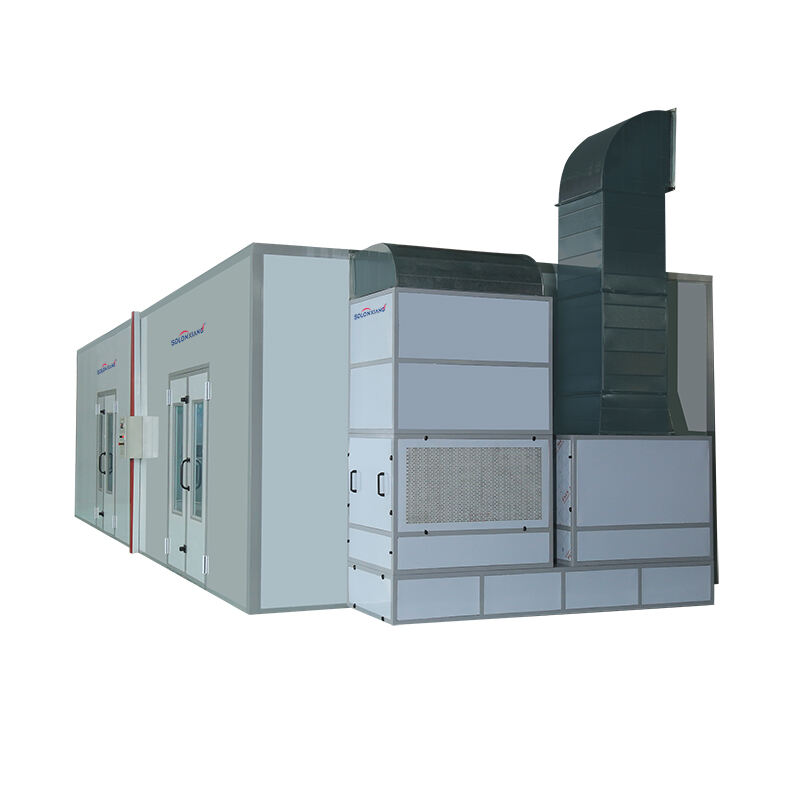
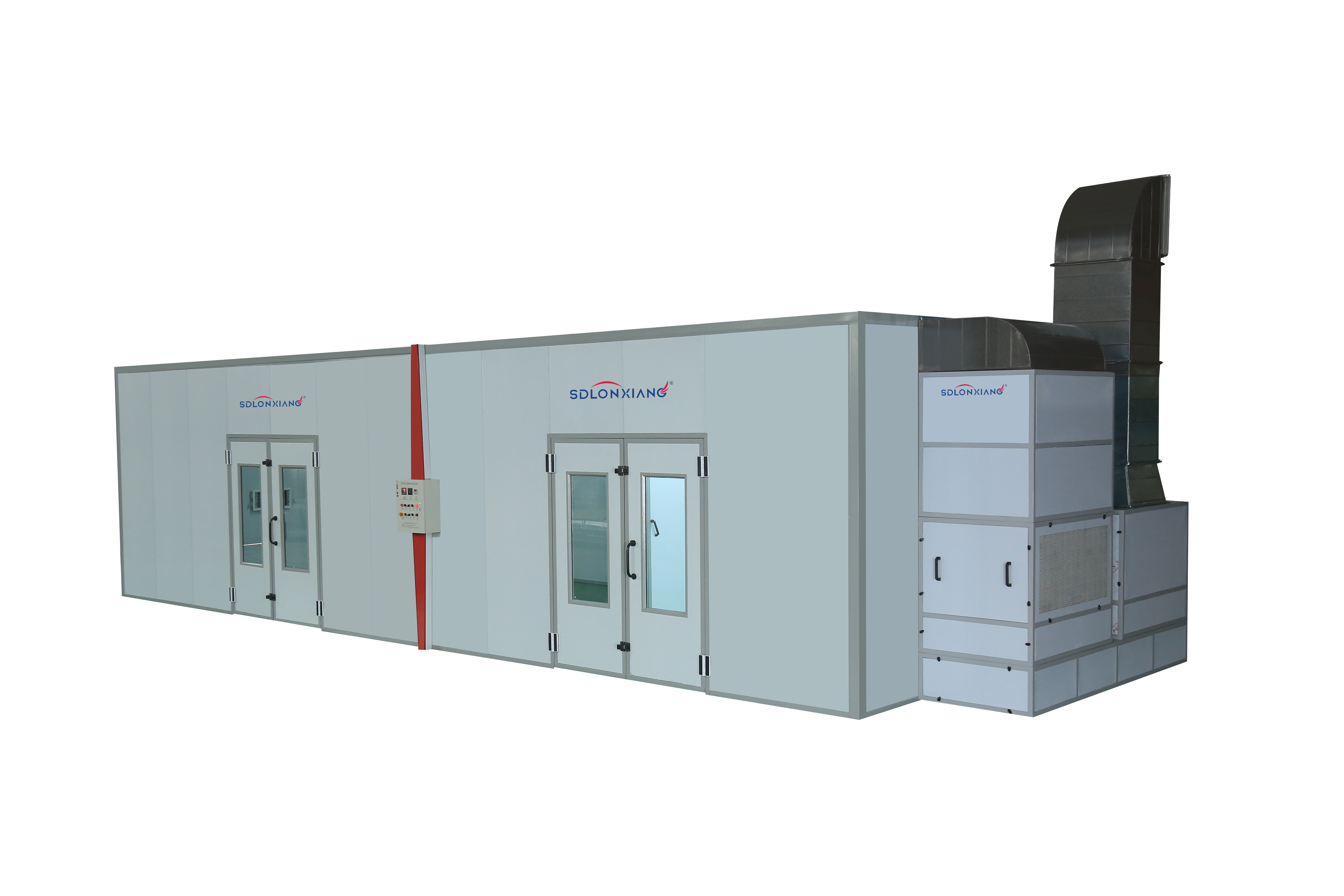
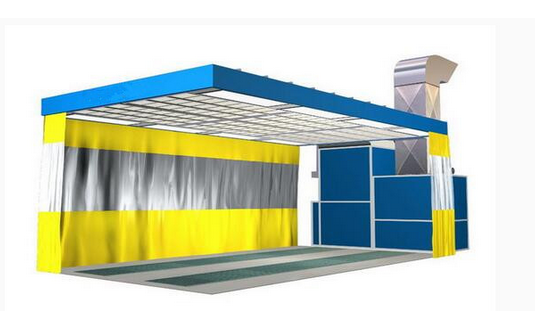
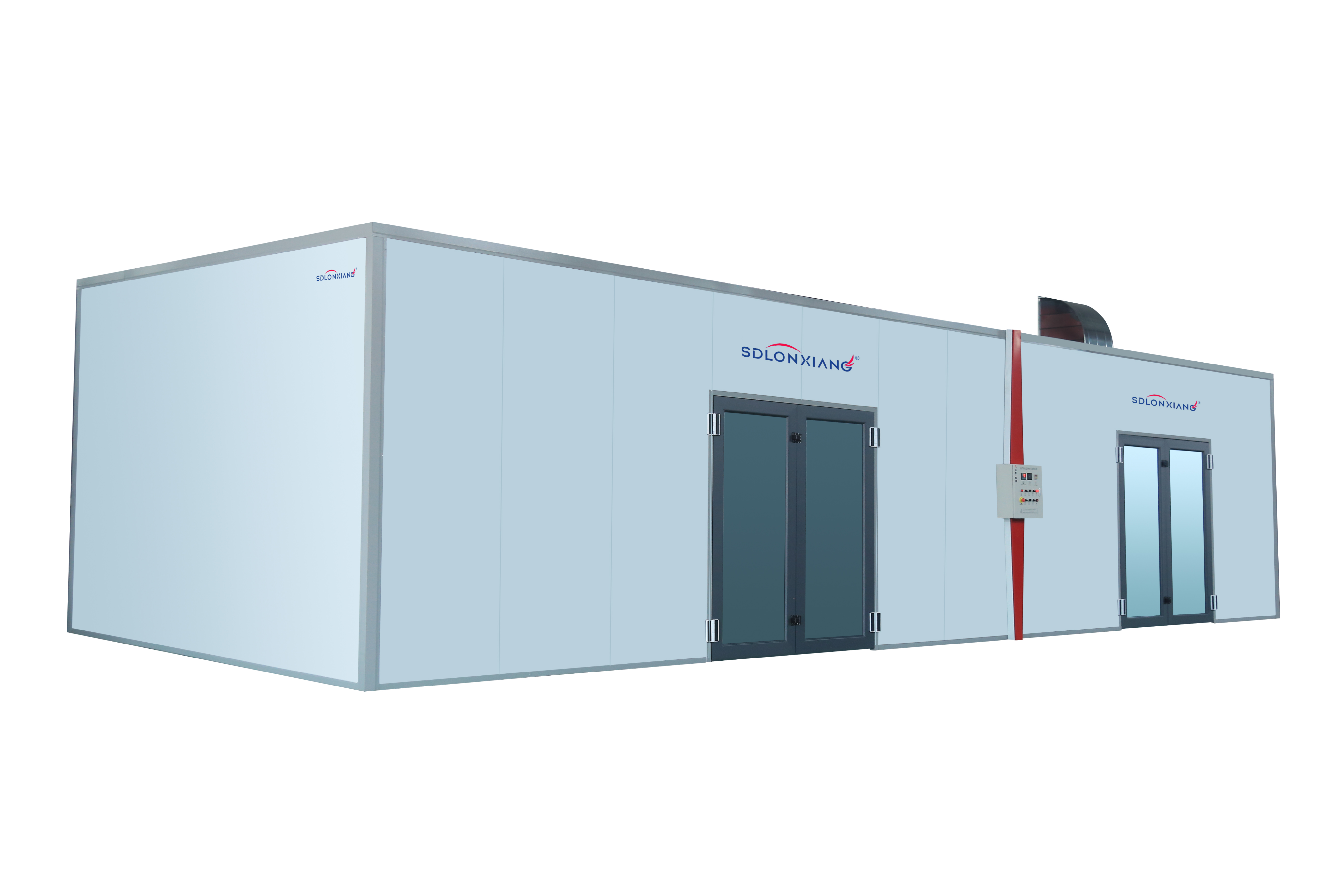
Environmental control systems within a professional car paint booth provide the foundation for consistent, high-quality paint application by maintaining optimal temperature and humidity levels throughout the painting process. These sophisticated control mechanisms understand that paint adhesion, flow characteristics, and curing properties depend heavily on environmental conditions, making precise regulation essential for professional results. The temperature management system maintains workspace conditions within narrow ranges, typically between 70-80 degrees Fahrenheit, ensuring proper paint viscosity and application characteristics. Humidity controls prevent moisture-related problems such as blushing, poor adhesion, and extended drying times that can compromise finish quality and project timelines. Advanced car paint booth systems utilize multiple sensors throughout the workspace to monitor environmental conditions continuously, making automatic adjustments to maintain optimal parameters. These systems respond rapidly to changes caused by door openings, weather variations, or equipment operation, ensuring stable conditions throughout painting operations. The benefits extend beyond paint quality to include improved working conditions for technicians, as consistent temperatures enhance comfort and productivity during extended projects. Proper humidity control prevents condensation on painted surfaces, which can cause devastating finish defects requiring complete refinishing. The environmental management system integrates with ventilation controls to optimize energy efficiency while maintaining performance standards. Heat recovery mechanisms capture thermal energy from exhaust air, reducing heating costs during cooler months while maintaining workspace comfort. Programmable controls allow operators to customize environmental settings for different paint types, seasons, or specific project requirements. The car paint booth temperature control prevents flash-off problems associated with excessive heat, while also eliminating slow-drying issues caused by insufficient warmth. Consistent environmental conditions enable predictable paint behavior, allowing technicians to develop reliable application techniques and timing schedules. Quality control becomes more achievable when environmental variables remain constant, leading to more consistent results across different projects and operators. These control systems also extend equipment life by preventing thermal cycling and moisture damage to spray equipment and booth components.

 EN
EN