кабину для покраски в контейнере
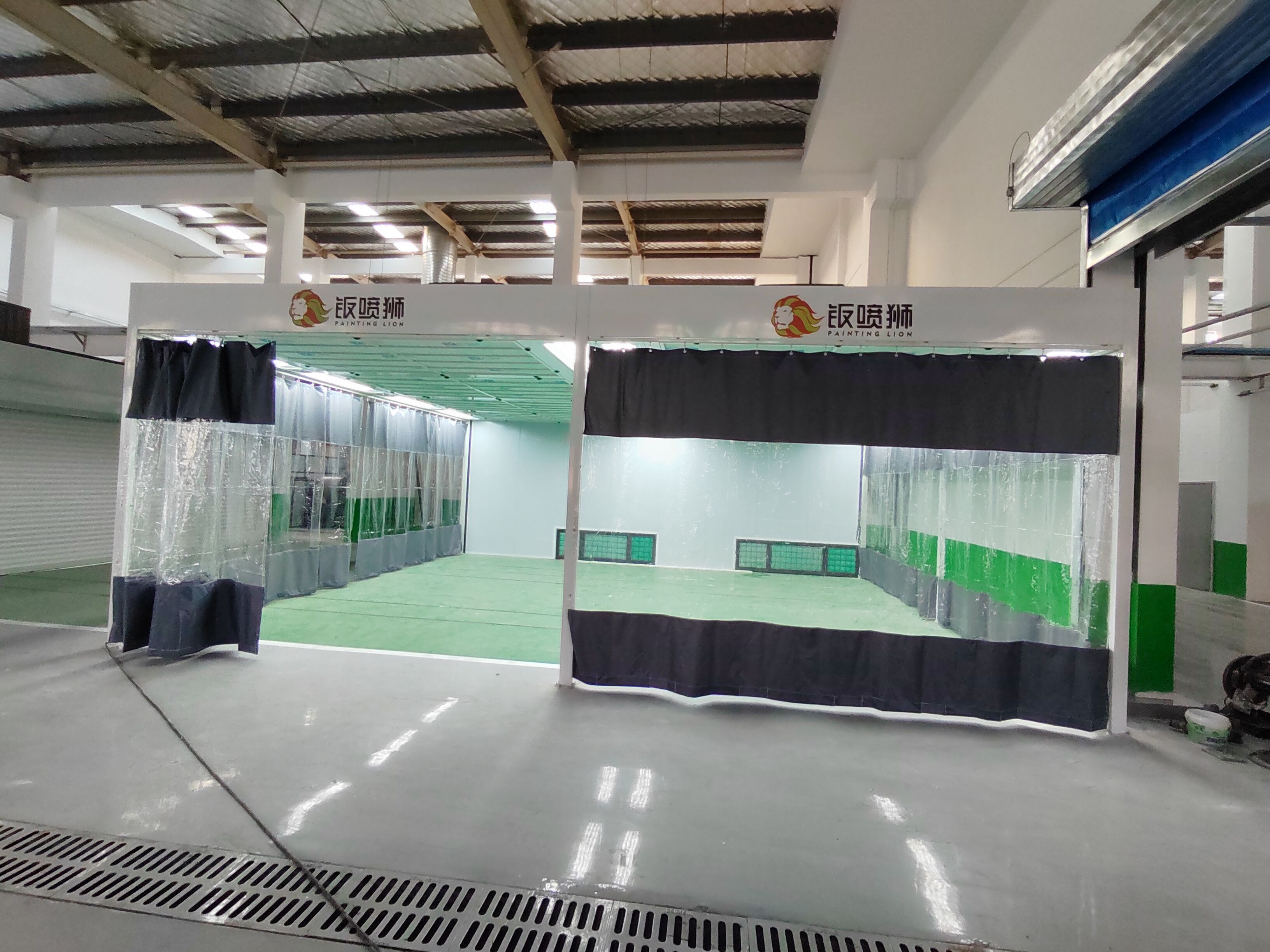
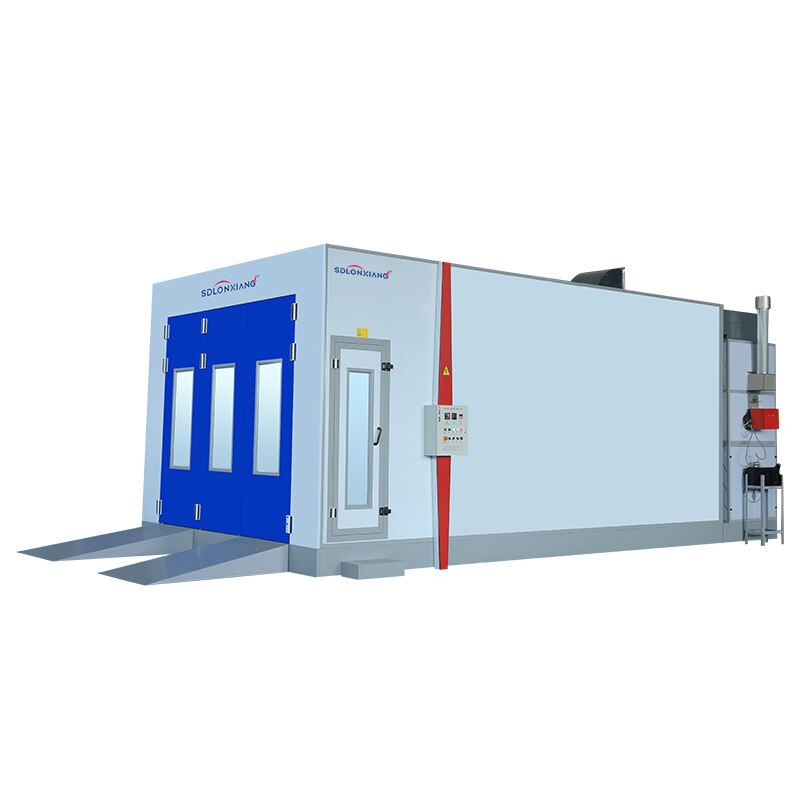
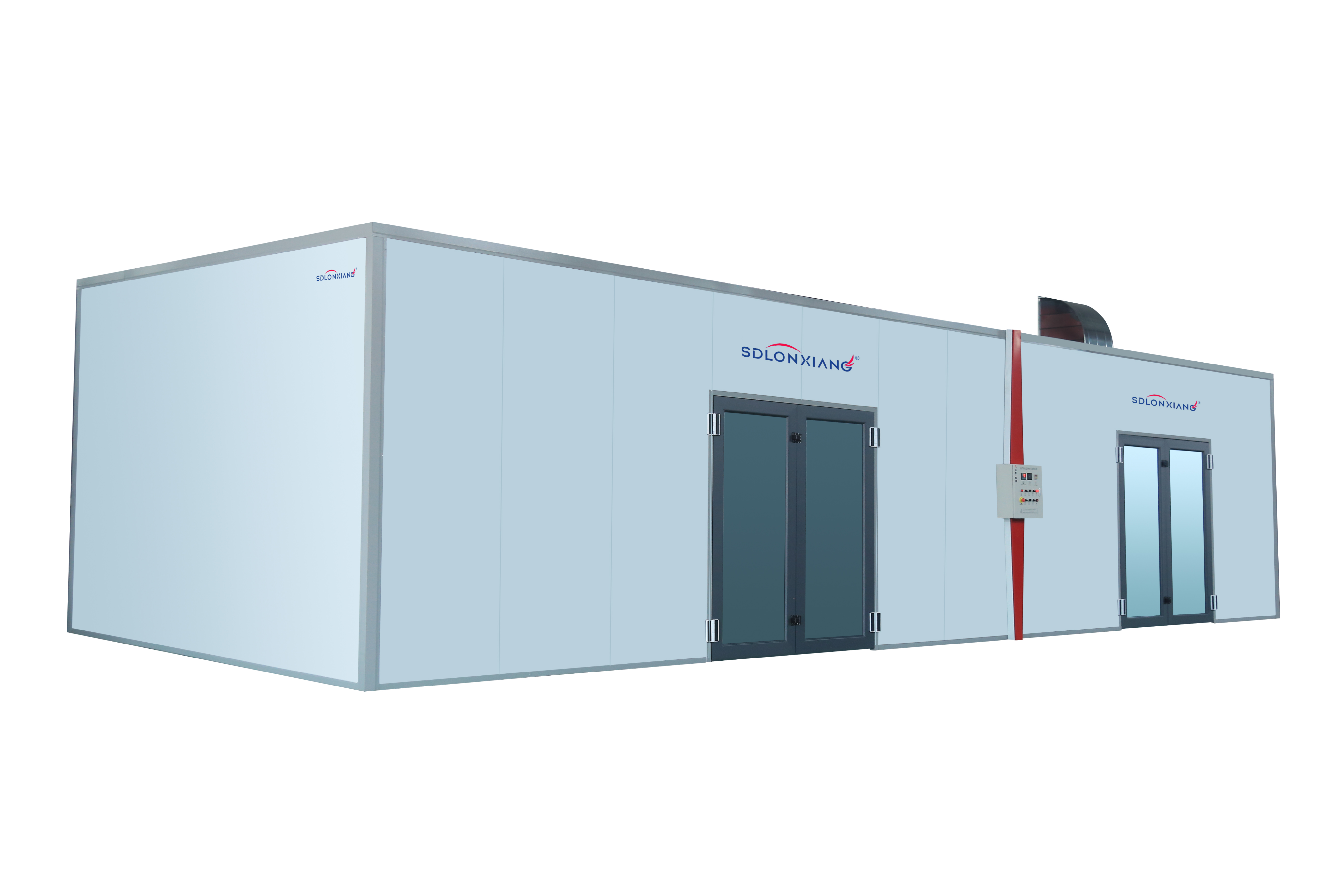
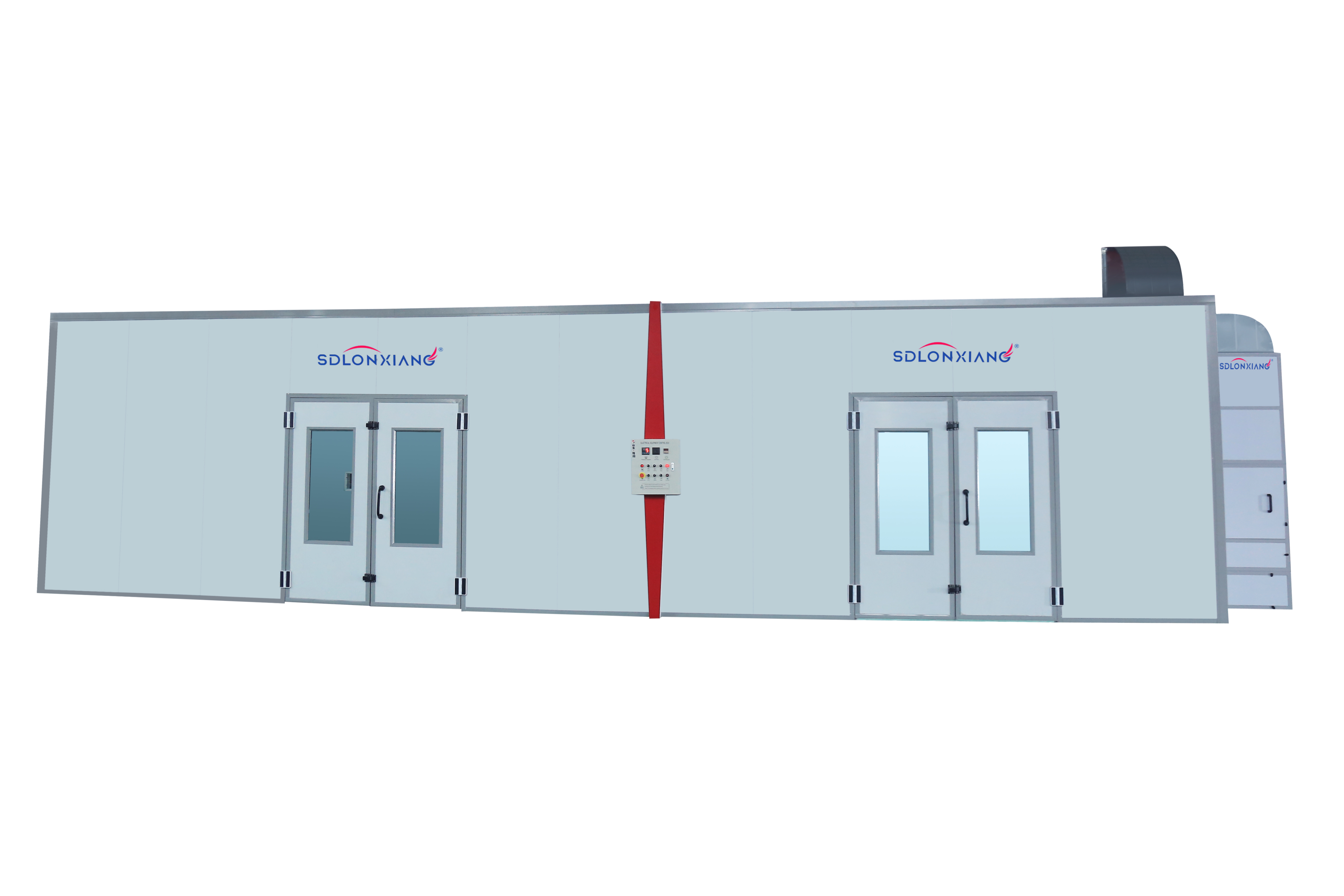
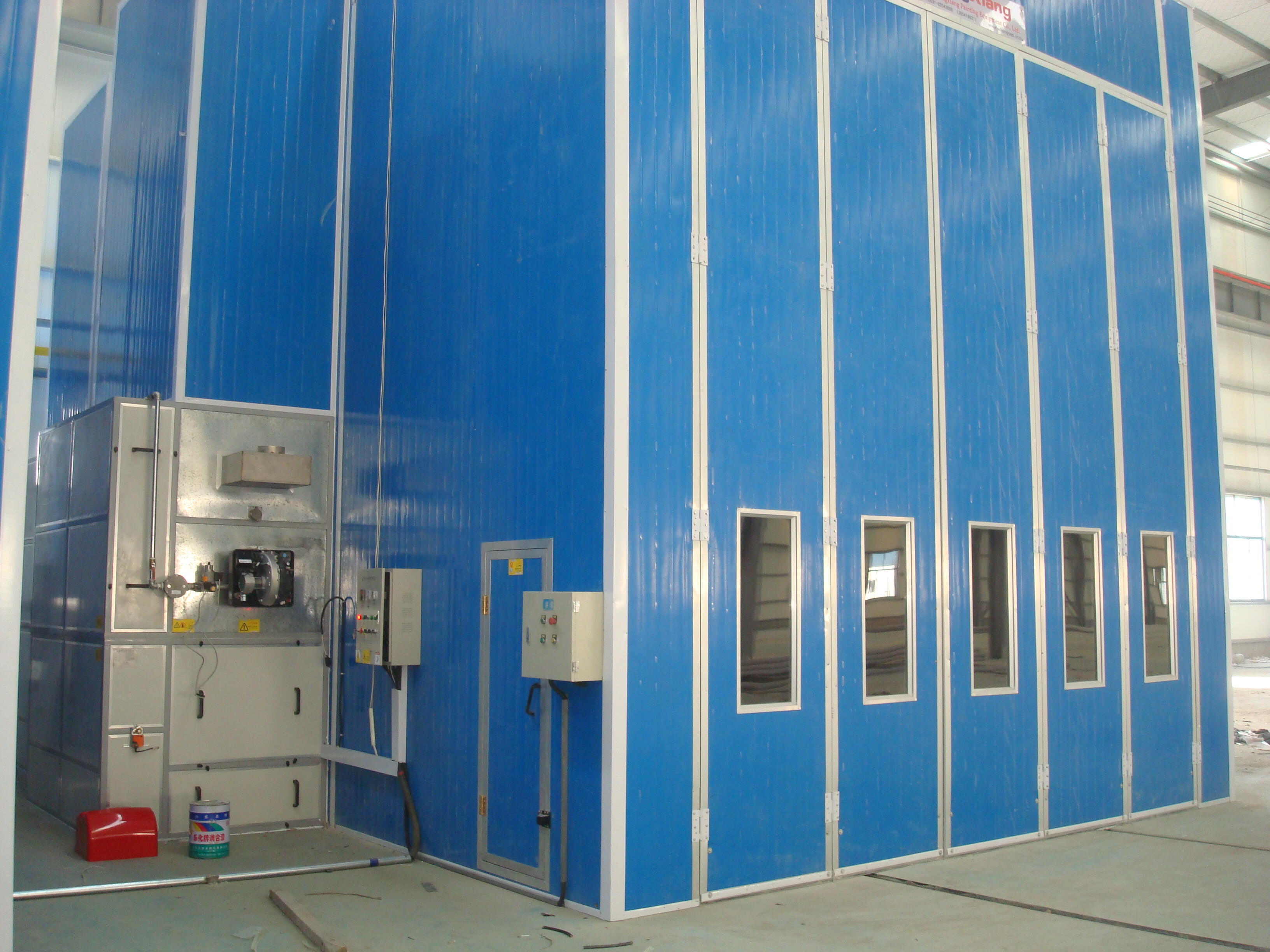
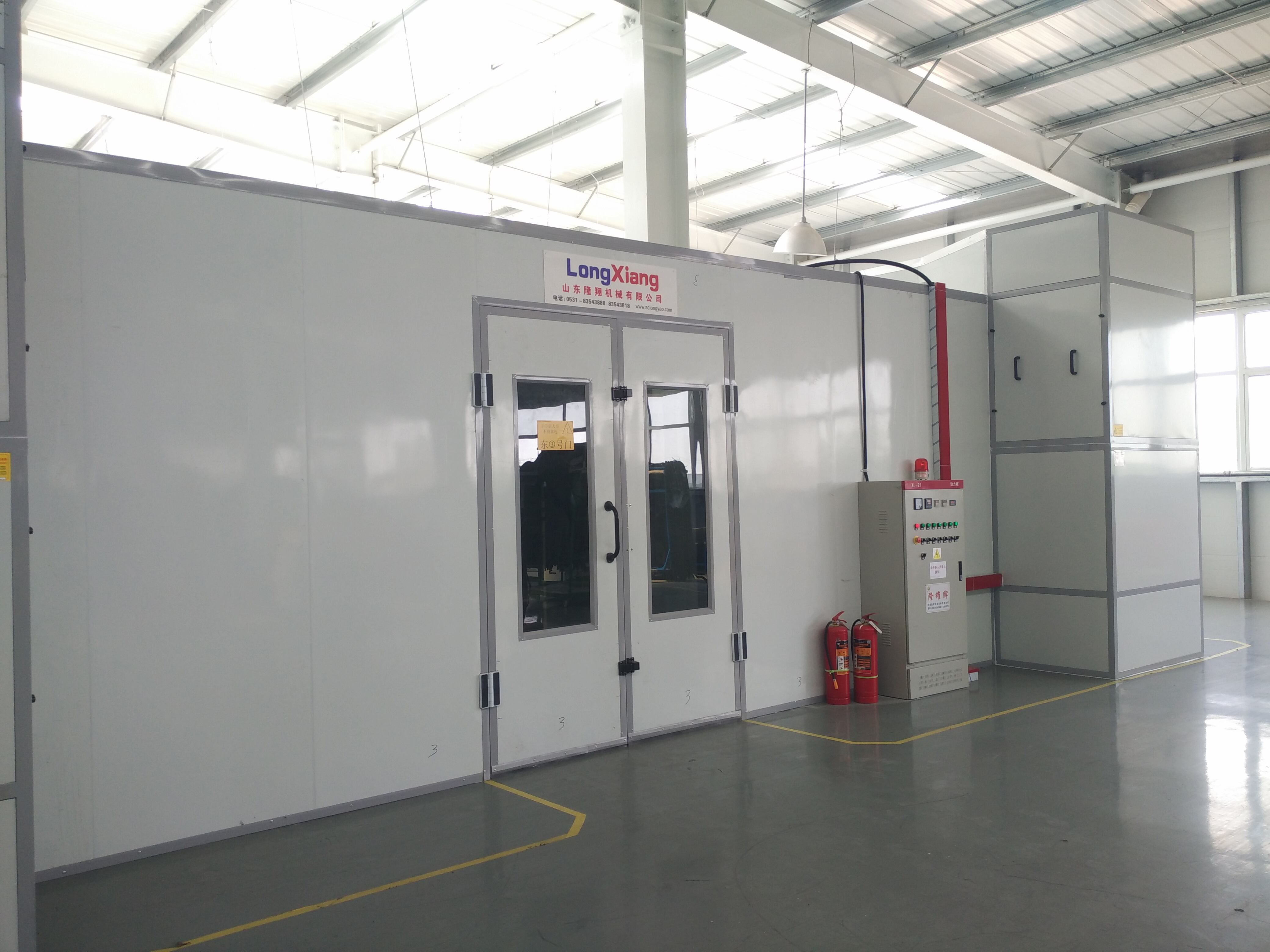
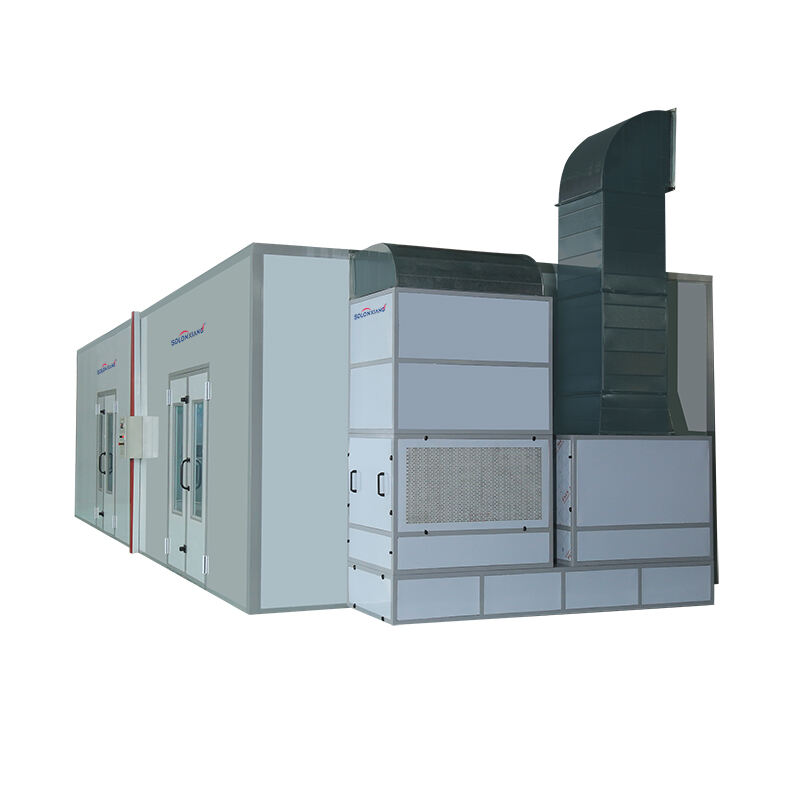
Камера для покраски в контейнере представляет собой революционный подход к мобильным операциям по нанесению покрытий, превращая стандартные грузовые контейнеры в полностью функциональные объекты для нанесения краски. Это инновационное решение сочетает в себе прочность контейнеров по стандарту ISO с передовыми технологиями окрасочных камер, создавая мобильную, автономную покрасочную среду. Камера для покраски в контейнере выполняет несколько основных функций, включая подготовку поверхности, нанесение грунтовки, нанесение финишного покрытия и контролируемую сушку. Эти установки оснащены сложными системами вентиляции, которые обеспечивают правильную циркуляцию воздуха, создавая оптимальные условия для нанесения краски и одновременно удерживая избыточное распыление и пары. Технологическая база включает высокоэффективные системы фильтрации, взрывозащищённое освещение и системы климат-контроля, регулирующие температуру и влажность на протяжении всего процесса покраски. Современные конструкции камер для покраски в контейнерах оснащены передовыми системами пожаротушения, встроенными системами сжатого воздуха и электрическими компонентами, рассчитанными на работу в опасных условиях. Конструктивно используется прочность самого контейнера, при этом вносятся специализированные модификации, такие как усиленные дверные системы, смотровые окна и точки крепления оборудования. Эти объекты подходят для различных методов покраски, включая традиционные распылители, системы HVLP, электростатическое оборудование и нанесение порошковых покрытий. Камеры для покраски в контейнерах широко применяются в автомобильной кузовной окраске, нанесении покрытий на промышленное оборудование, окраске авиационных компонентов, обслуживании морских судов и восстановлении строительной техники. Производственные предприятия используют такие установки для интеграции в производственные линии, а сервисные компании — для оказания услуг по покраске на выезде. Модульная конструкция позволяет легко перемещать оборудование, что делает его идеальным решением для временных проектов, удалённых объектов и предприятий, которым требуются гибкие возможности покраски. Требования к установке минимальны: как правило, достаточно ровной площадки, подключения к электросети и подачи сжатого воздуха, что обеспечивает быстрое и экономически эффективное развертывание в различных условиях эксплуатации.

 EN
EN