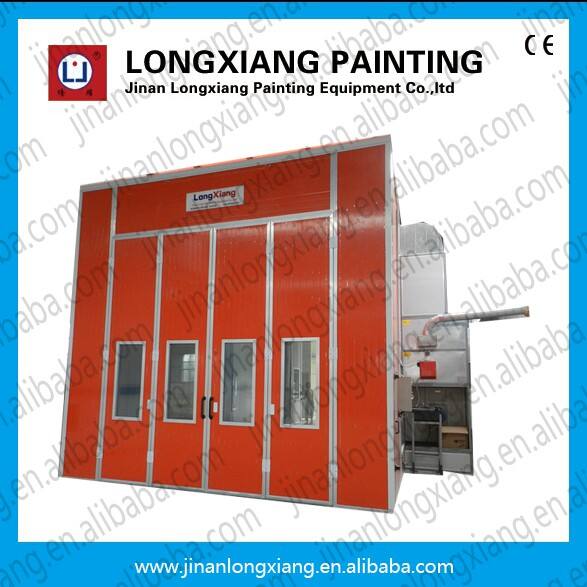
attrezzatura per verniciatura a spruzzo per auto cabina di verniciatura
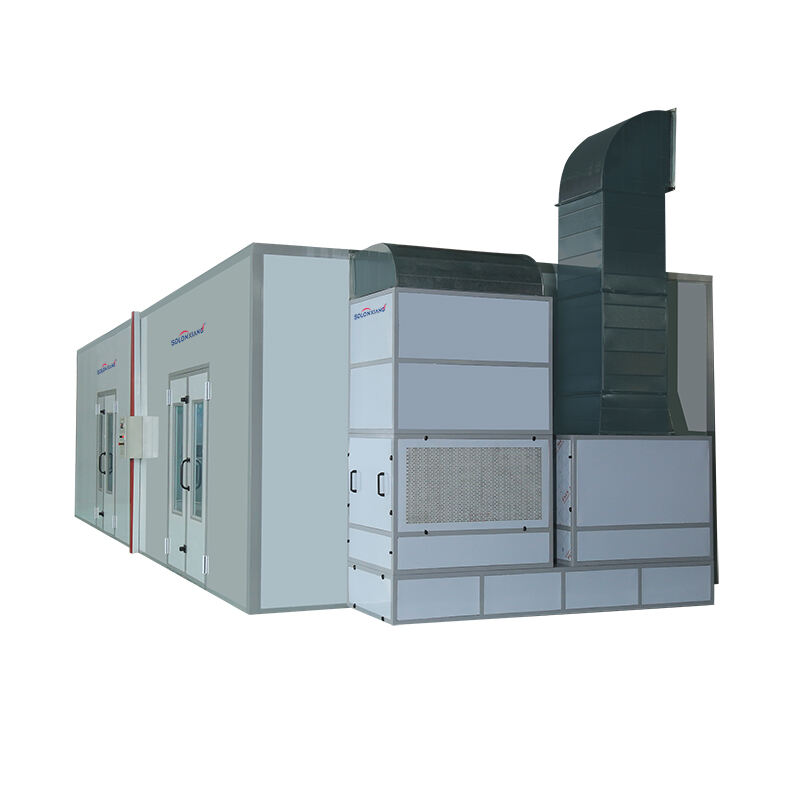
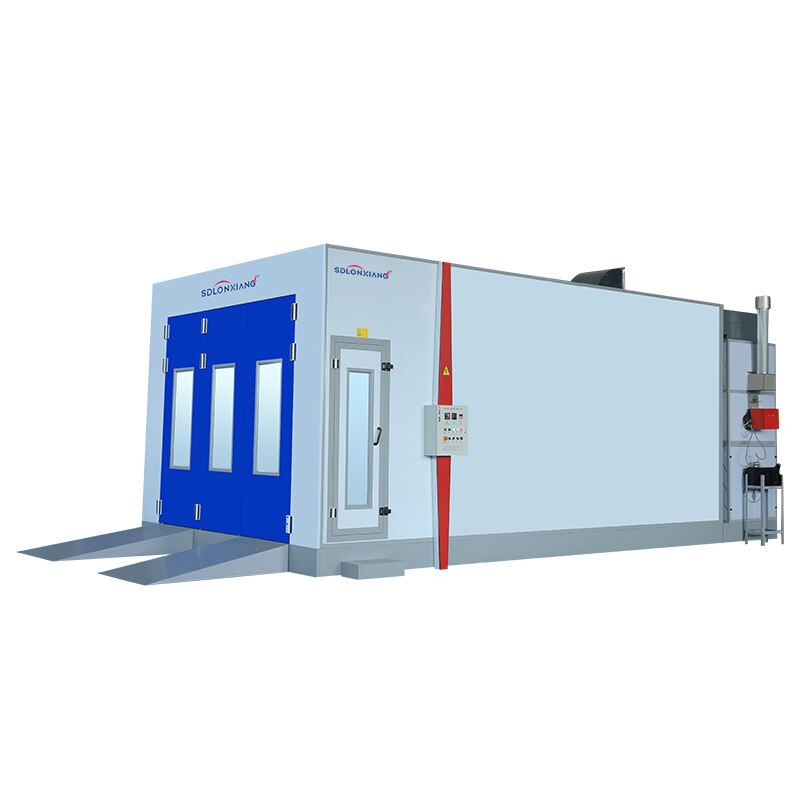
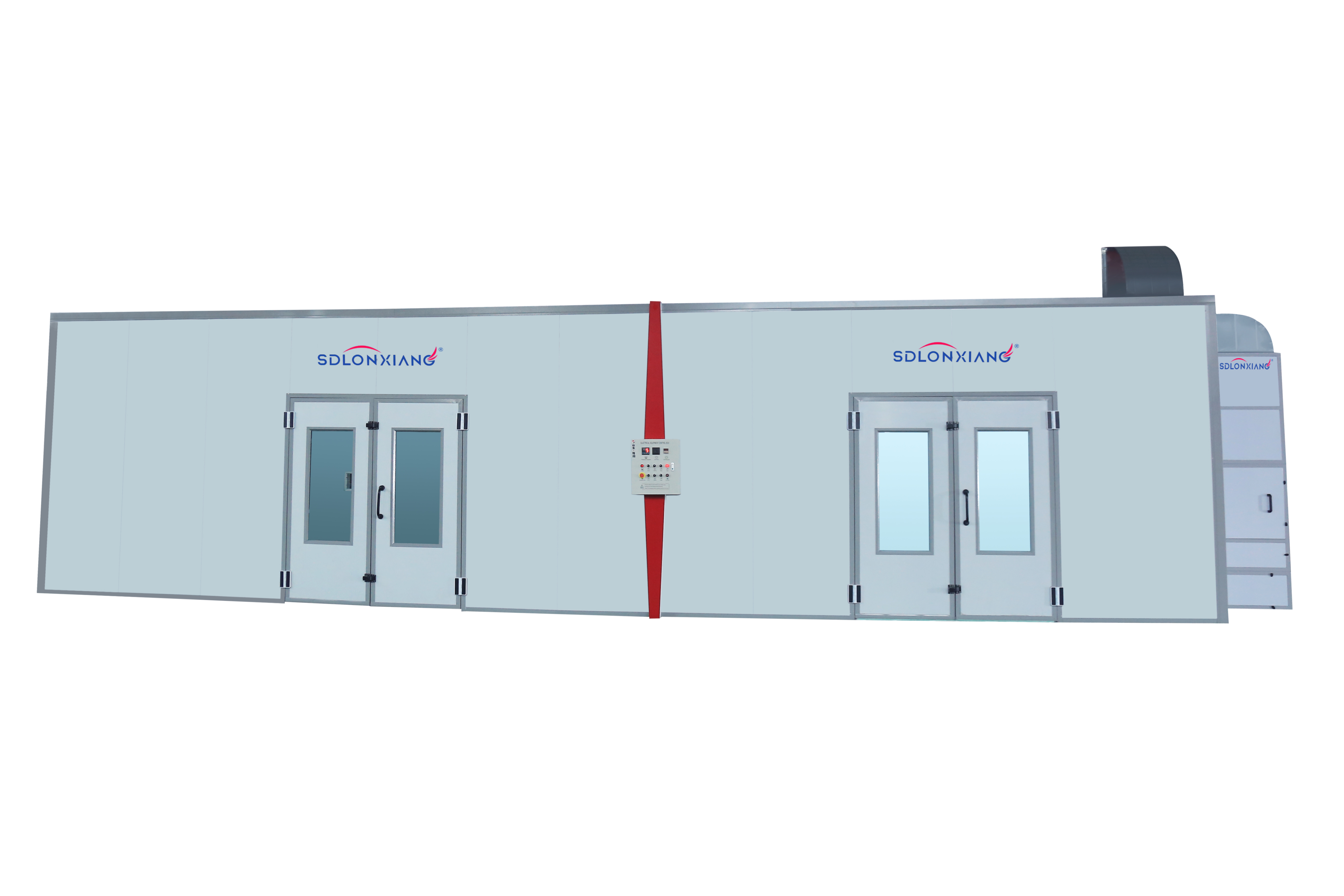
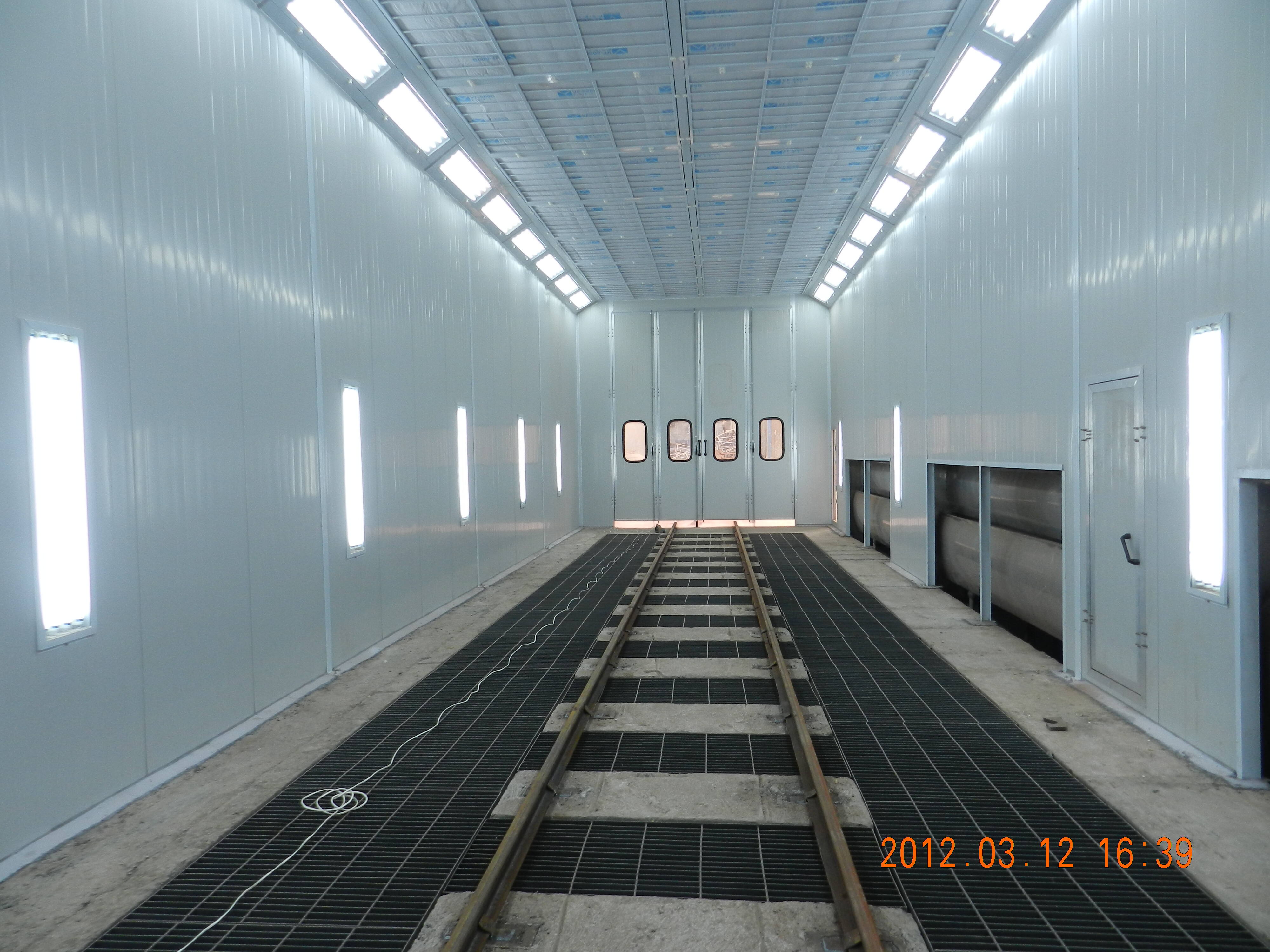
Un impianto di verniciatura a spruzzo per autoveicoli rappresenta un investimento fondamentale per le operazioni di riverniciatura automobilistica, fornendo un ambiente controllato che garantisce applicazioni di vernice di qualità professionale. Questa cabina specializzata crea condizioni ottimali per l'applicazione di vernici, primer e vernici trasparenti sulle superfici dei veicoli, mantenendo rigorosi standard di sicurezza e ambientali. La cabina di verniciatura a spruzzo per autoveicoli funziona come un'area di lavoro chiusa che regola flusso d'aria, temperatura e umidità per ottenere finiture uniformi e impeccabili sugli autoveicoli. Le cabine moderne sono dotate di sistemi avanzati di filtraggio che catturano le particelle di nebulizzazione e i vapori nocivi, proteggendo sia gli operatori che l'ambiente circostante. Tra le caratteristiche progettuali vi sono ventilatori di aspirazione e di scarico che creano un flusso d'aria continuo, convogliando aria fresca attraverso filtri ad alta efficienza ed espellendo l'aria contaminata tramite il sistema di scarico a pavimento o posteriore. I sistemi di controllo della temperatura mantengono livelli costanti di riscaldamento durante il processo di polimerizzazione, garantendo un'adeguata adesione e durata della vernice. I sistemi di illuminazione a LED forniscono una luce intensa e uniforme che consente ai tecnici di individuare imperfezioni e ottenere una corrispondenza precisa del colore. La cabina di verniciatura a spruzzo per autoveicoli include generalmente sistemi antincendio, componenti elettrici a prova di esplosione e comandi di arresto di emergenza per garantire la sicurezza sul posto di lavoro. I materiali costruttivi consistono in pannelli in acciaio zincato con finiture a polvere che resistono alla corrosione e facilitano la pulizia. Le velocità del flusso d'aria sono calibrate con precisione per evitare turbolenze e garantire al contempo un'efficace cattura della nebulizzazione. Queste cabine possono ospitare veicoli di diverse dimensioni, dai modelli compatti ai grandi autocarri, grazie a configurazioni regolabili delle porte e dell'altezza del soffitto. I pannelli di controllo integrati consentono agli operatori di monitorare e regolare le condizioni ambientali, inclusi i differenziali di pressione dell'aria, le impostazioni di temperatura e lo stato del sistema di filtraggio. Le operazioni di manutenzione periodica includono la sostituzione dei filtri, l'ispezione del bruciatore e la taratura del flusso d'aria per garantire prestazioni ottimali e conformità alle normative durante tutta la vita operativa dell'equipaggiamento.

 EN
EN