Professional Automotive Spray Booths: Advanced Paint Systems for Superior Vehicle Finishing

All Categories

automotive spray booths

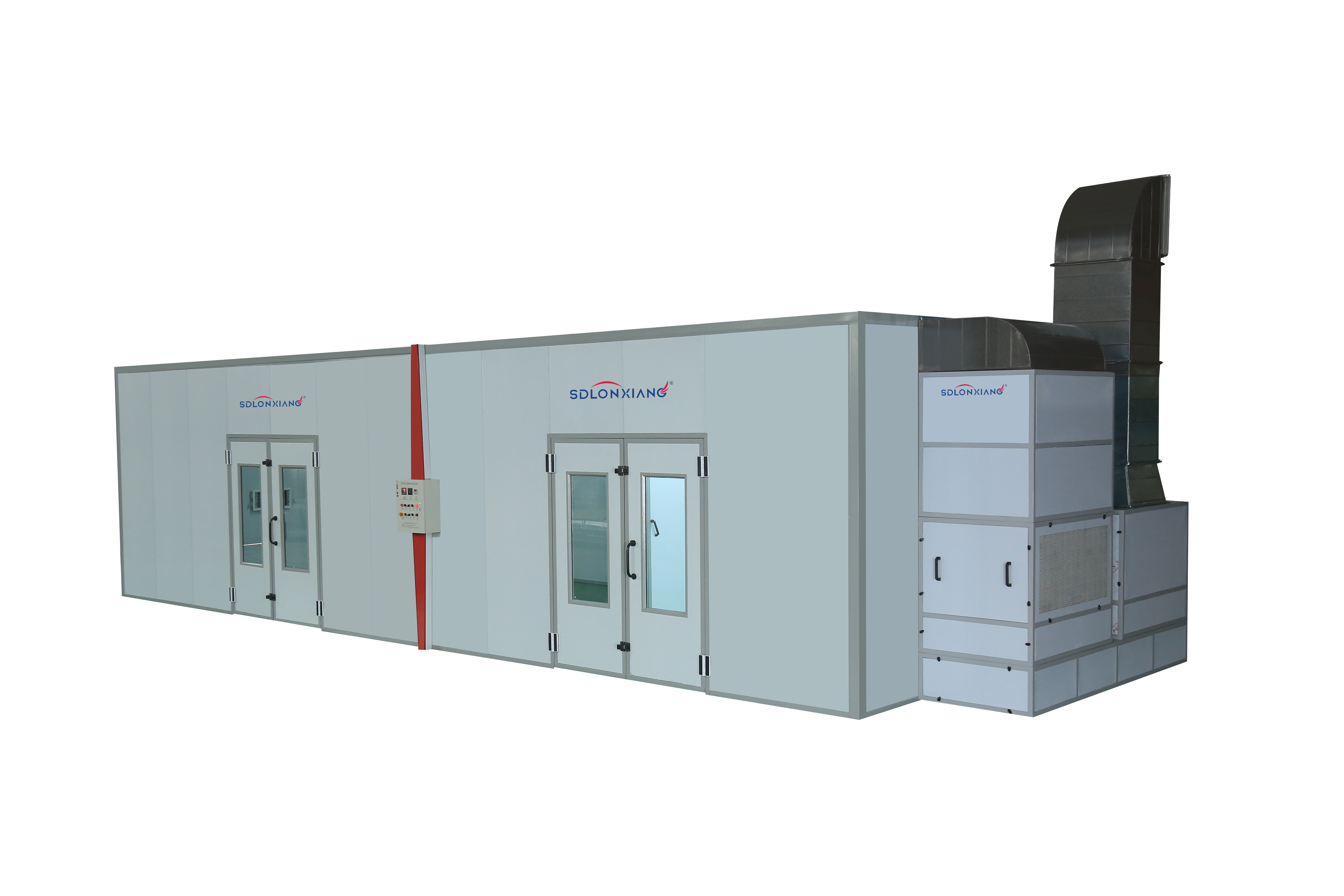
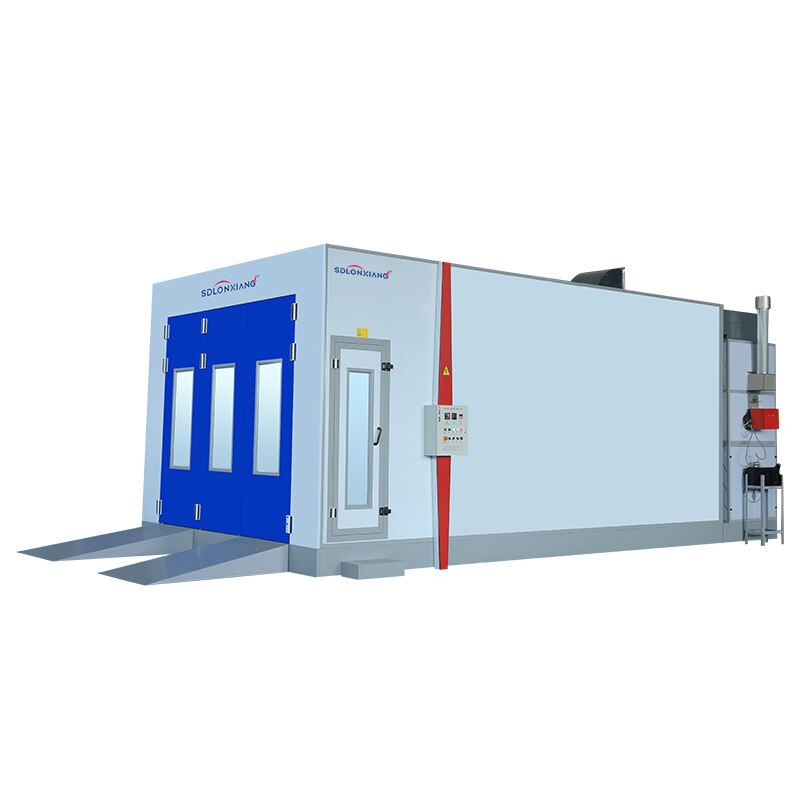
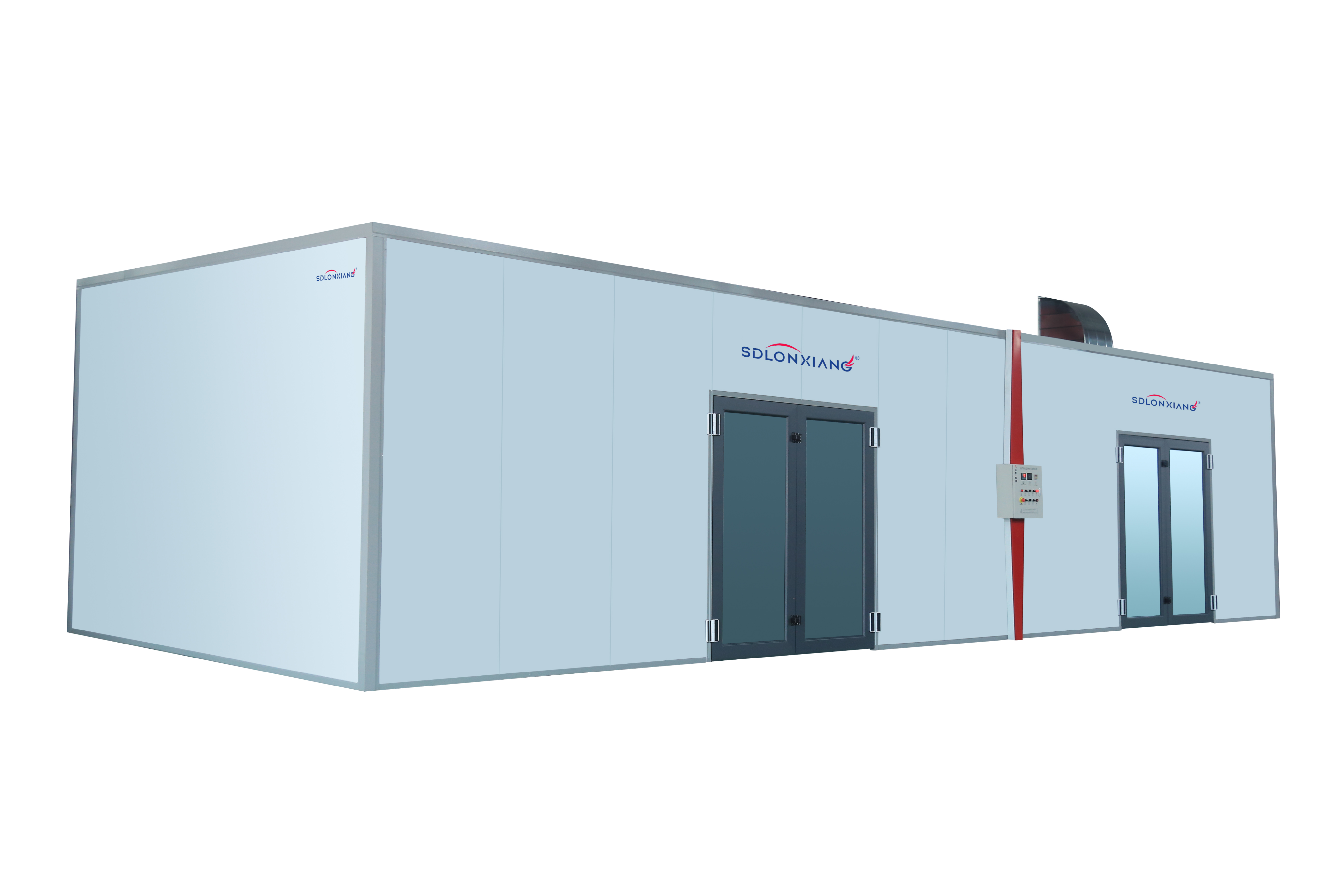
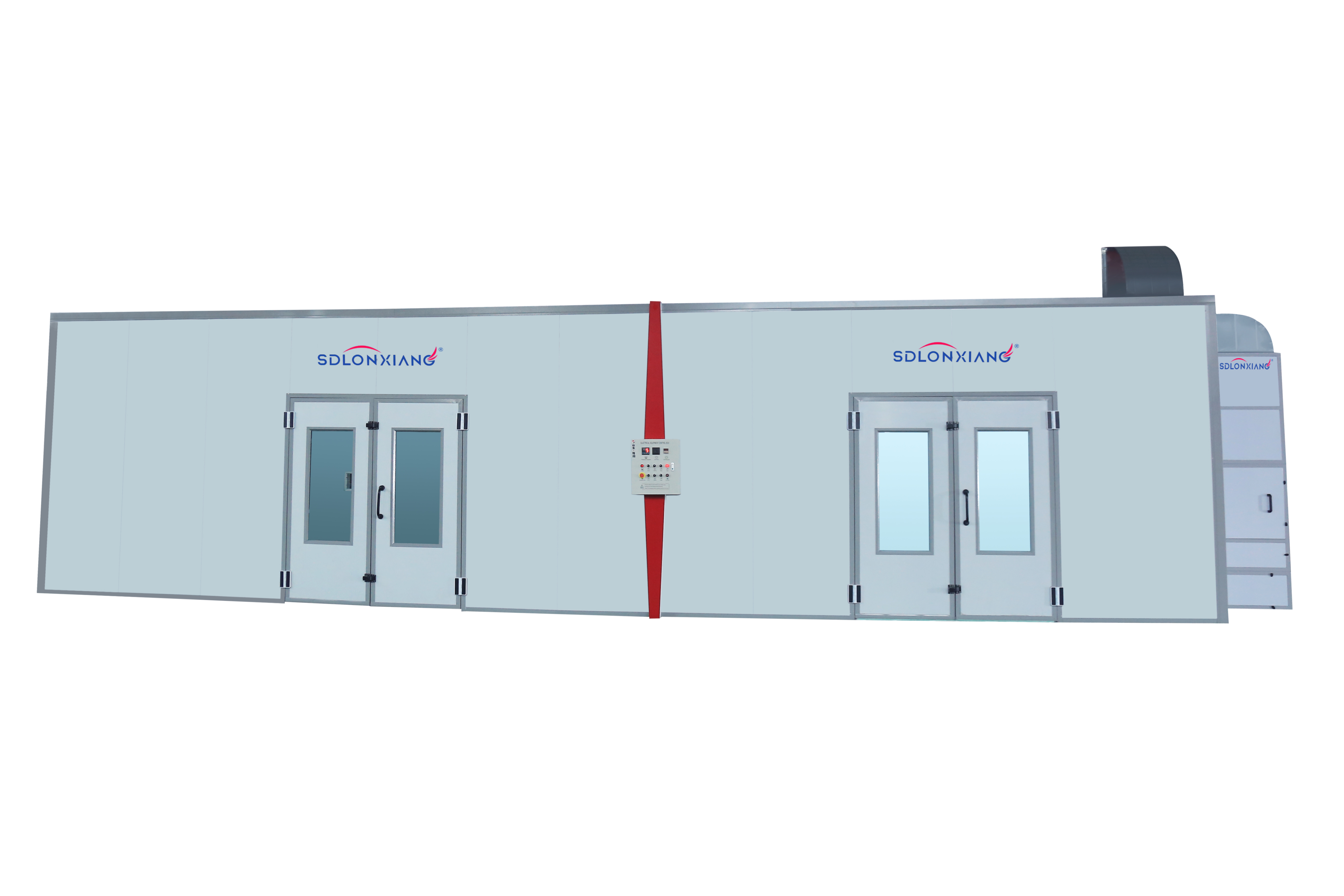
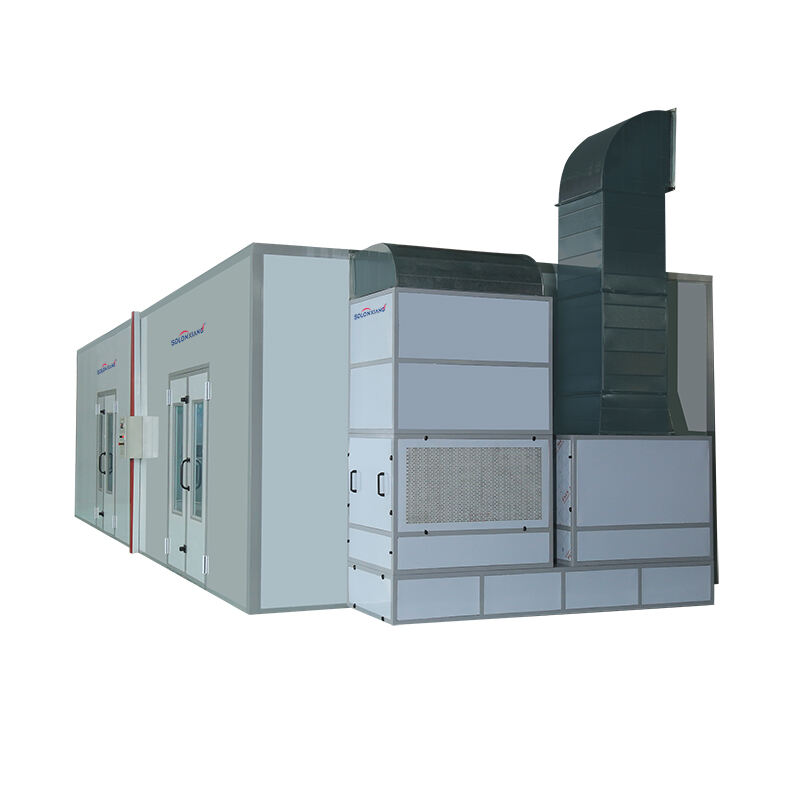
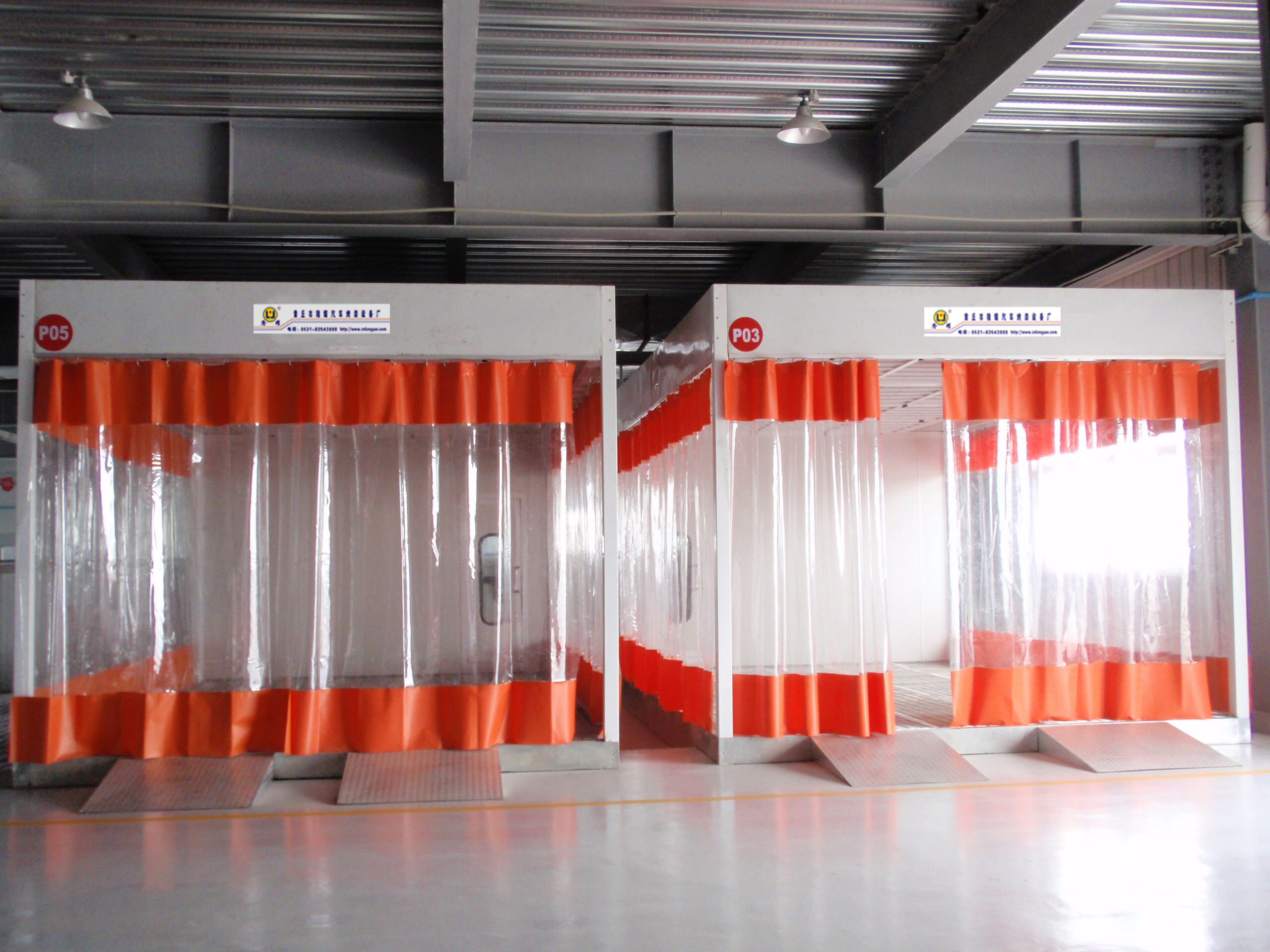
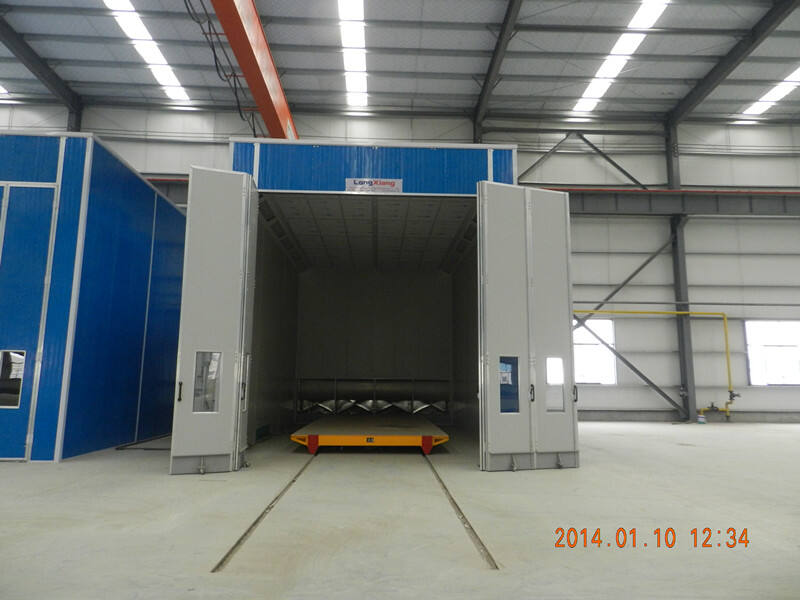
Automotive spray booths represent essential infrastructure in professional vehicle painting and refinishing operations, providing controlled environments that ensure superior coating quality and workplace safety. These specialized enclosures create optimal conditions for applying paint, primer, and protective coatings to vehicles of all sizes, from passenger cars to commercial trucks. Modern automotive spray booths incorporate advanced ventilation systems, precise temperature control, and sophisticated filtration technologies that eliminate contaminants and maintain consistent atmospheric conditions throughout the painting process. The primary functions of automotive spray booths include containing overspray, managing airborne particles, controlling humidity levels, and maintaining proper air circulation patterns that prevent defects in finished coatings. These facilities feature robust construction with fire-resistant materials, explosion-proof electrical components, and emergency safety systems that protect operators and equipment. Technological features encompass variable-speed exhaust fans, multi-stage filtration systems, automated temperature regulation, and integrated lighting designed specifically for color matching accuracy. The filtration systems typically employ intake filters, exhaust filters, and specialized capture mechanisms that remove paint particles and volatile organic compounds from the air stream. Temperature control systems maintain optimal conditions between 70-80 degrees Fahrenheit, while humidity controls prevent moisture-related coating defects. Applications extend across automotive manufacturing facilities, collision repair centers, custom painting shops, fleet maintenance operations, and restoration businesses. These versatile installations accommodate various vehicle types and coating materials, including waterborne paints, solvent-based systems, and specialized protective coatings. Professional automotive spray booths deliver consistent results that meet industry quality standards while ensuring compliance with environmental regulations and occupational safety requirements, making them indispensable investments for serious automotive finishing operations.

New Product Releases

Professional automotive spray booths deliver significant operational benefits that transform vehicle painting processes and business outcomes. These controlled environments eliminate common painting problems by managing dust, debris, and atmospheric variables that typically compromise coating quality in uncontrolled spaces. Businesses experience dramatic reductions in rework costs and customer complaints when using properly designed automotive spray booths, as the consistent conditions prevent orange peel, dirt contamination, and uneven coverage that plague amateur setups. The enclosed design contains overspray effectively, reducing material waste by up to thirty percent compared to open-air painting methods, which translates directly into cost savings on expensive automotive paints and primers. Worker safety improves substantially within automotive spray booths through engineered ventilation systems that remove hazardous fumes and maintain breathable air quality, reducing health risks and insurance liabilities while creating more comfortable working conditions. Time efficiency increases measurably as operators can work continuously without weather delays or contamination concerns that force project interruptions in unprotected environments. The controlled atmosphere accelerates proper paint curing and reduces drying times, allowing faster project completion and increased throughput capacity. Quality consistency becomes achievable across all projects regardless of external conditions, establishing reliable reputation and customer satisfaction that drives repeat business and referrals. Environmental compliance becomes manageable through integrated filtration systems that capture volatile organic compounds and particulates before they escape into the atmosphere, helping businesses meet regulatory requirements without additional equipment investments. Energy efficiency improves through modern heating and ventilation designs that recycle heated air and optimize power consumption compared to heating entire shop spaces. Maintenance costs decrease as equipment protection within enclosed environments prevents contamination and extends component lifecycles. Investment returns accelerate as improved quality, efficiency, and compliance capabilities enable premium pricing and expanded service offerings that justify initial capital expenditures while building long-term competitive advantages in professional automotive finishing markets.

Practical Tips

Furniture Spray Booth Maintenance: Essential Care Guide

19

Oct

Furniture Spray Booth Maintenance: Essential Care Guide

Maximizing Performance Through Professional Spray Booth Care The furniture spray booth stands as a cornerstone of quality finishing operations in woodworking and furniture manufacturing. These specialized environments ensure flawless finishes while m...
View More
Spraybooths: Energy-Efficient Solutions for Paint Shops

27

Nov

Spraybooths: Energy-Efficient Solutions for Paint Shops

Modern paint shops face increasing pressure to balance operational efficiency with environmental responsibility. Energy-efficient spraybooths have emerged as the cornerstone solution for automotive, industrial, and commercial painting operations seek...
View More
Spraybooths vs Open Painting: Safety Comparison

27

Nov

Spraybooths vs Open Painting: Safety Comparison

Industrial painting operations present significant safety challenges that require careful consideration of equipment choices and workplace design. The debate between enclosed spraybooths and open painting environments has intensified as workplace saf...
View More
Cost Guide: Installing a Professional Furniture Spray Booth

12

Dec

Cost Guide: Installing a Professional Furniture Spray Booth

Investing in a professional furniture spray booth represents a significant financial commitment that can transform your woodworking or furniture manufacturing operation. These specialized environments provide controlled conditions for applying finish...
View More

Get a Free Quote

Our representative will contact you soon.
Email
Name
Company Name
Message
0/1000

automotive spray booths

Advanced Filtration Technology for Superior Paint Quality

Advanced Filtration Technology for Superior Paint Quality

The sophisticated filtration systems integrated into modern automotive spray booths represent breakthrough technology that fundamentally transforms paint application outcomes and workplace environments. These multi-stage filtration networks employ specialized media designed specifically for capturing paint particles, dust, and airborne contaminants that would otherwise compromise coating quality and operator health. The intake filtration stage utilizes progressive density filters that remove particles as small as 0.3 microns from incoming air, ensuring that only clean, filtered air enters the painting environment. This incoming air undergoes additional conditioning through temperature and humidity controls before reaching the work area, creating optimal conditions for paint adhesion and flow characteristics. The exhaust filtration system employs advanced capture technology including arrestor filters, dry filters, and optional wet scrubbing systems that remove paint overspray and volatile organic compounds before air discharge. High-efficiency particulate arrestance filters capture up to 99.97 percent of paint particles, preventing environmental contamination while recovering valuable paint materials for disposal or recycling programs. The filtration design creates positive pressure differentials that maintain clean air flow patterns throughout the booth interior, preventing contamination infiltration and ensuring consistent atmospheric conditions. Automated monitoring systems track filter performance and alert operators when replacement becomes necessary, preventing efficiency degradation and maintaining optimal operating conditions. Advanced automotive spray booths incorporate variable air flow controls that adjust filtration capacity based on painting requirements, optimizing energy consumption while maintaining superior air quality. The filtration technology extends beyond particle capture to include activated carbon systems that neutralize odors and chemical vapors, creating more pleasant working environments and reducing community impact concerns. Regular filter maintenance programs become cost-effective investments as clean filtration systems operate more efficiently, consume less energy, and extend equipment lifecycles while maintaining consistent paint quality that eliminates expensive rework projects and customer satisfaction issues.
Precision Climate Control for Consistent Paint Performance

Precision Climate Control for Consistent Paint Performance

State-of-the-art climate control systems within professional automotive spray booths deliver precise environmental management that ensures optimal paint performance across varying external conditions and seasonal changes. These sophisticated systems maintain exact temperature ranges between 70-80 degrees Fahrenheit while controlling humidity levels within narrow parameters that prevent moisture-related coating defects such as blushing, poor adhesion, and extended curing times. Advanced thermostatic controls respond immediately to temperature fluctuations, automatically adjusting heating and cooling systems to maintain consistent conditions throughout extended painting operations. The climate management technology incorporates zone-based controls that can create different environmental conditions within single booth spaces, accommodating various paint types and curing requirements simultaneously. Humidity control systems employ both dehumidification and humidification capabilities, maintaining optimal moisture levels regardless of external weather conditions or seasonal variations that typically disrupt painting schedules. Precision sensors continuously monitor atmospheric conditions and transmit real-time data to automated control systems that make instantaneous adjustments to maintain ideal painting environments. The climate control infrastructure includes backup systems and redundant components that ensure continuous operation even during equipment maintenance or unexpected failures, preventing costly project delays and quality issues. Energy-efficient designs incorporate heat recovery systems that capture and recycle thermal energy from exhaust air, reducing operating costs while maintaining precise environmental controls. Advanced automotive spray booths feature programmable climate profiles that operators can customize for specific paint systems, substrate materials, and quality requirements, ensuring optimal results across diverse project specifications. The climate control systems integrate seamlessly with ventilation and filtration components, creating balanced air flow patterns that enhance paint atomization, reduce overspray, and improve coating uniformity. Smart monitoring capabilities track climate performance data and generate reports that help optimize energy consumption, predict maintenance requirements, and document environmental conditions for quality assurance programs. Professional-grade climate control transforms automotive spray booths into precision instruments that deliver consistent, high-quality results regardless of external conditions, weather patterns, or seasonal challenges that typically compromise paint quality in uncontrolled environments.
Comprehensive Safety Features for Worker Protection and Facility Security

Comprehensive Safety Features for Worker Protection and Facility Security

Modern automotive spray booths incorporate extensive safety systems designed to protect operators, equipment, and facilities from fire hazards, chemical exposure, and accident risks inherent in professional paint application environments. These comprehensive safety features begin with explosion-proof electrical components and wiring systems that eliminate ignition sources in potentially volatile atmospheres created by paint vapors and cleaning solvents. Emergency ventilation systems activate automatically during power failures or equipment malfunctions, maintaining air circulation and preventing dangerous vapor accumulation that could create health hazards or explosion risks. Fire suppression systems employ specialized extinguishing agents designed specifically for paint booth applications, including dry chemical systems, water mist technology, and carbon dioxide suppression that effectively control fires without damaging equipment or creating additional hazards. Automatic sprinkler systems integrate with heat and smoke detection networks that provide early warning capabilities and immediate response to fire emergencies. Safety interlocks prevent booth operation when doors remain open, filters need replacement, or ventilation systems malfunction, ensuring operators cannot work in unsafe conditions. Emergency stop systems provide immediate shutdown capabilities accessible from multiple locations within and around automotive spray booths, allowing rapid response to accident situations or equipment failures. Vapor monitoring systems continuously track air quality and alert operators to dangerous concentration levels of volatile organic compounds or other hazardous substances before they reach harmful thresholds. Personal protective equipment storage and maintenance areas within booth designs encourage proper safety gear usage and ensure equipment remains readily accessible during emergency situations. Eyewash stations and safety showers positioned strategically around automotive spray booths provide immediate decontamination capabilities for chemical exposure incidents. Ground fault circuit interrupters and electrical safety systems prevent shock hazards in environments where conductive materials and moisture may be present. Proper lighting systems designed for hazardous locations ensure adequate visibility while preventing ignition risks through specialized fixtures and lamp designs. Safety training integration capabilities include video monitoring systems and communication networks that support ongoing operator education and emergency response coordination. Regular safety inspections and maintenance protocols become manageable through integrated monitoring systems that track safety system performance and alert facility managers to potential issues before they compromise worker protection or facility security.

Get a Free Quote

Our representative will contact you soon.
Email
Name
Company Name
Message
0/1000
Newsletter
Please Leave A Message With Us