
 EN
EN
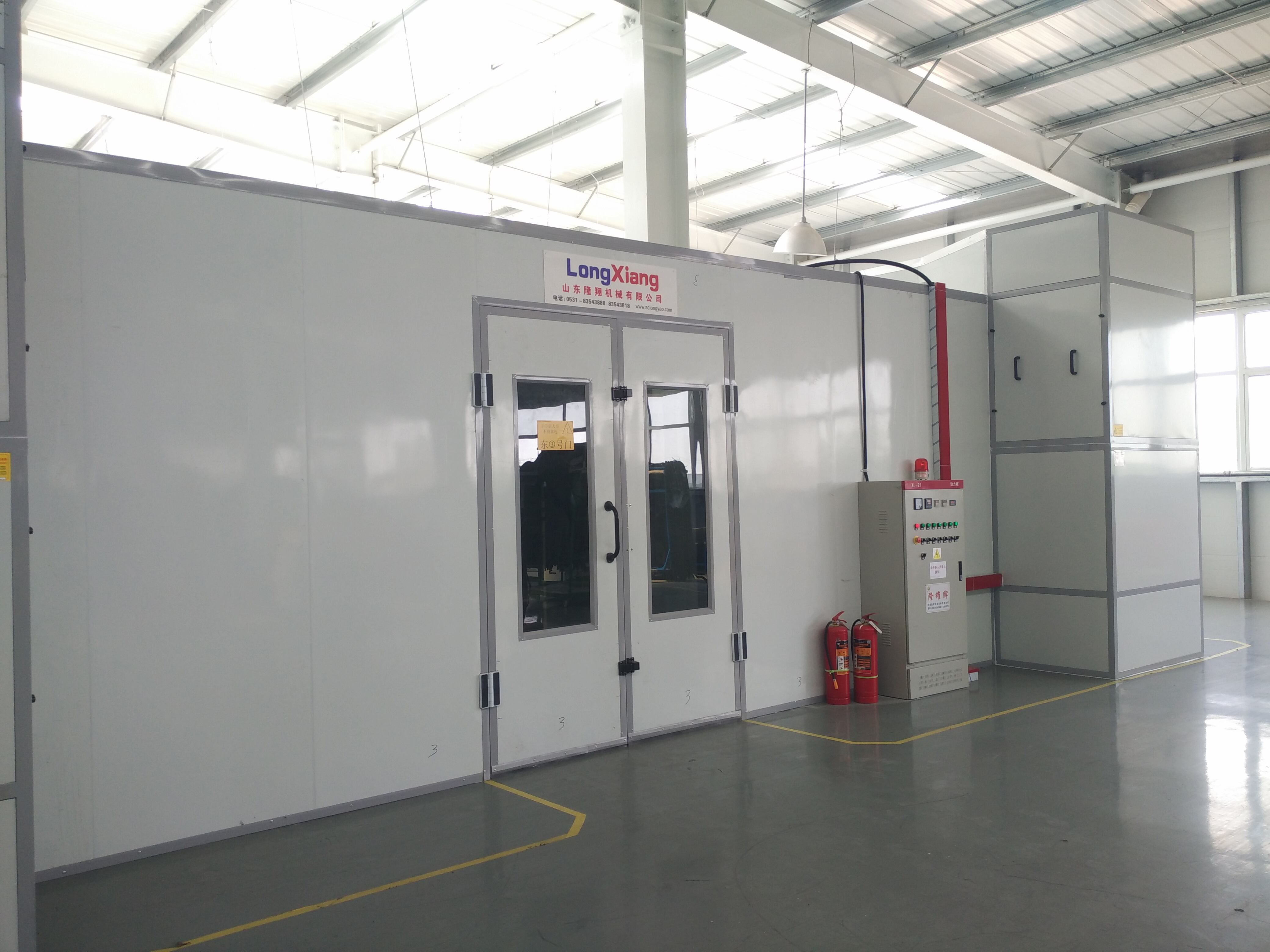
Sobiva ventilaatori suuruse valik oma purustuskaar üheks olulisemaks otsuseks, mille te teete, kui paigaldate või moderniseerite lõpetustööde tootmist. Teie kasutatav värvitüüp — kas lahustil põhinev, veebaasne, pulber- või kõrges tahkaine sisaldusega — määrab otse õhuvoolu mahtu, mis on vajalik ohutu, puhta ja nõuetele vastava keskkonna säilitamiseks. Vale arvutus ei mõjuta ainult katte kvaliteeti; see teeb tõelisi riske lahusti aurude kogunemise, ülepihustuse saastumise ja regulatiivsete nõuete rikkumise osas.
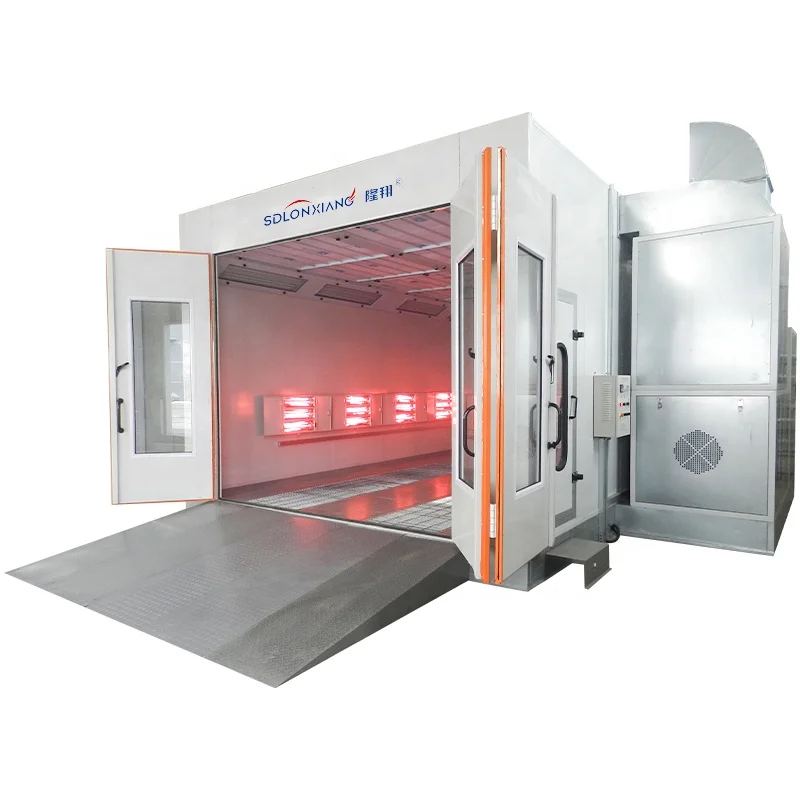
Ventilaatori suuruse ja kattematerjali keemia vaheline seos on paljude operaatrite arvamusest nüansseeritum. Lahustipõhiseid lakke kasutavasse pihustuskaabi kuuluv õhuvoolu omadused erinevad oluliselt veepõhiste aluskihtide või UV-küttetehnoloogia jaoks optimeeritud kaabi omadustest. See juhend läheb läbi põhimõtted, kattematerjalile spetsiifilised nõuded ning praktilise otsustusloogika, millele peaks teie ventilaatori valik toetuma — nii et teie pihustuskaabi töötab usaldusväärselt igal tööl, igal vahetuses ja igal aastaaegadel.
Miks kattematerjali tüüp määrab pihustuskaabis ventilaatori suuruse valiku
Õhuvoolu roll kattematerjali toimimisel
Iga katte süsteem vabastab ühendeid spetsiaalses pihustusruumis õhku pihustamise ajal. Lahustil põhinevad tooted vabastavad suurtes kontsentratsioonides lenduvaid orgaanilisi ühendeid, samas kui veebaasitud katted vabastavad niiskusega küllastunud õhku, mida tuleb juhtida teistsugusel viisil. Ventilaatorisüsteem vastutab nende heitkoguste lahjendamise eest allapoole ohtliku piirväärtuse, ülepihustatud osakeste eemaldamise eest enne nende sadestumist töödeldavale esemele ning rõhkude erinevuse säilitamise eest, et takistada saasteainete sattumist pihustusruumi.
Õhuvoolu kiirus tööpiirkonnas — tavaliselt mõõdetakse jalad minutis või meetrid sekundis — peab vastama konkreetsele kihistatava materjali aurumiskiirusele ja osakeste käitumisele. Liiga väike ventilator kõrges VOC-sisalduses lahustil põhjustab aurukontsentratsioonide tõusu alumise plahvatusohtliku piiri suunas, mis loob nii ohutusohu kui ka kattevigade tekke ohtu. Liiga suur ventilator delikaatses veepõhises süsteemis võib põhjustada turbulentsust, mis toob kaasa tolmu sattumise ja häirib aerosoolimise mustreid.
Seetõttu ei ole spetsiaalne lakkamispulber ventilator üldkasutatav komponent. See on täpsuskomponent lõpetussüsteemis ja selle suuruse määramine peab algama selge arusaamaga sellest, milliseid kihistusmaterjale seal sees kasutatakse.
Kuidas kihistusmaterjali keemia mõjutab vajalikku õhukogust
Lahustuspõhised katted nõuavad tavaliselt kõrgemat õhuvahetuse kiirust, kuna nende lahustid aurustuvad kiiresti ja kõrges kontsentratsioonis. Tööstuslikud ohutusnormid nõuavad üldiselt, et spetsiaalses pihustuskojas oleks õhuvool piisavalt suur, et hoida lahusti aurude kontsentratsioon pihustamise ajal alla 25% alumisest plahvatuspiirist. Kõrgkinnise sisaldusega lahustuspõhiste toodete puhul saavutatakse see läve kiiremini, mistõttu on vajalik tugevam ventilaatorivõimsus.
Veepõhised katted esitavad teistsuguse väljakutse. Nende lahustid on peamiselt vesi, mis aurustub aeglasemalt ja nõuab pikkade kuivatustsüklite jooksul pidevat õhuvoolu. Pihustuskoja ventilaator peab tagama pideva õhuliikumise mitte ainult rakendamise ajal, vaid ka pihustuse järgse (flash-off) ja küpsetamise etapi jooksul. Selle etapi ajal puudulik õhuvool põhjustab hägusdumist, lahusti prahsumist ja haardumisvigusid, mille juurde põhjust tagasitrassida on raske.
Pulberkatted, mida rakendatakse elektrostaatiliselt enne kuumutamist ahjus, vajavad õhuvoolu peamiselt ülekihise kattumise taastamiseks ja töötaja ohutuse tagamiseks, mitte lahusti lahjendamiseks. Siin ventilatori suuruse määramise loogika muutub nii, et keskendutakse pigem väljalaskeplaatvõrgu püüdumiskiirusele kui terve pihustuskaabi laialdasele lahjendamisele. Nende erinevuste mõistmine on õige pihustuskaabi ventilatori valiku alus.
Peamised tegurid, mis määravad sobiva ventilatori suuruse
Kaabi ruumala ja õhuvahetuse kiiruse arvutused
Iga ventilatori suuruse määramise lähtepunkt on pihustuskaabi sisemine ruumala. Korrutage kaabi sisemise pikkuse, laiuse ja kõrguse väärtused, et saada ruutjalad või kuupmeetrid. Seejärel määrab vajalik õhuvahetus tunnis — arv, mille määrab kate tüüp ja kohalikud ohutusnõuded — minimaalse ventilatori võimsuse kuupjalad minutis või kuupmeetrid tunnis.
Lahustuspõhiste autoremondilakkimissüsteemide puhul on tavaline võrdlusväärtus 100 jalga minutis (30,48 m/min) töökoja ristlõike pinnal. Standardse autolakkimiskambriga, mille laius on 14 jalga ja kõrgus 9 jalga, vastab see umbes 12 600 kuupjalga minutis (CFM) õhuvoolule. Veepõhised süsteemid võivad töötada veidi väiksemate pinnakiirustega, kuid nende puhul peab ventilaator säilitama selle õhuvoolu pikemate kuivatustsüklite jooksul, mis mõjutab mootori suuruse valikut ja energiatarbe arvutusi.
Ventilaatori võimsuse alati arvutamisel tuleb kasutada turvamarginaali vähemalt 15–20 protsenti teoreetilisest miinimumist. Filtrite koormumine, torustiku takistus ja aastaaegsed temperatuurikõikumised vähendavad aeglaselt tõeliselt saavutatavat õhuvoolu. Täpselt teoreetilise miinimumväärtuse järgi dimensioneeritud lakkimiskambriventilaator hakkab juba paigaldamisest paar kuu pärast filtrete koormumise tõttu halvenema.
Staatiline rõhk ja torustiku takistus
Ventilaatori võimsuse andmed on alati märgitud kindlal staatilisel rõhul. Ventilaator, mille võimsus on 15 000 kuupjalat minutis (CFM) nullilise staatilise rõhuga, võib pihustuskaabi paigaldamisel reaalsete torusüsteemide, filtriplokkide ja väljatõmbeavaga tegelikult anda vaid 11 000 CFM-i. See on üks levinuimaid suuruse valiku vigu pihustuskaabite paigaldamisel – ventilaatori valimine selle vabadest õhuvoolu andmetest, mitte selle töögraafikust tegeliku süsteemi takistuse juures.
Õige suuruse määramiseks tuleb arvutada pihustuskaabi süsteemi kogu staatiline rõhk, sealhulgas sisendfiltrid, väljundfiltrid, torujuhtme pikkus ja läbimõõt, pöördeid ning iga väljatõmbeava kõrguse mõju. Seejärel tuleb valida ventilaator, mille töögraafik tagab nõutava õhuvoolu (CFM) just selles staatilises rõhus. Kõrgkinnise lahustiliste kattematerjalide puhul, kus ülepihustus on tihke, kasvab filtri takistus kiiresti, seega peab ventilaatoril olema piisav varuvõimsus, et tagada ohutu õhuvool filtri täitumise ajal vahetustevahelisel perioodil.
Muutuva sagedusega juhtimisseadmed kasutatakse üha enam kaasaegsetes spetsiaalsete pihustusruumide paigaldustes, et reguleerida puhurite kiirust filtrite takistuse muutumisel. See lähenemisviis tagab stabiilse õhuvoolu ilma energiakao tõttu, mis tekib püsikiirusel puhuril, kui see töötab kogu oma kasutusaja jooksul maksimaalsel võimsusel.
Puhuri suuruse sobitamine konkreetsete kattematerjalide tüüpidega
Lahustipõhised kattematerjalid ja kõrgelt летüva orgaaniliste ühendite (VOC) sisaldusega tooted
Lahustipõhised aluskihid, täitmised ja ülemiskihid on endiselt levinud autotööstuses, tööstuses ja puidutöötlemises. Need tooted nõuavad kõiki kattematerjalide kategooriaid suuremat õhuvoolu, kuna nende lahustid on süttivad ja mürgised juba suhteliselt väikestes kontsentratsioonides. Pihustusruumi puhur tuleb dimensioneerida nii, et saavutada ja säilitada kogu pihustusprotsessi vältel minimaalne pinnakiirus, mille määrab NFPA 33, EN 12215 või kohaldatav kohalik standard.
Kõrgkinnise lahustusproduktide puhul — mis sisaldavad rohkem kateaineid ühikmahus, kuid eraldavad siiski olulisi lahustilaste koguseid — tuleb ventilatsiooniventilaatori suuruse arvutamisel arvestada tippemissioonikiirust esimeste 60 sekundiga rakendamise ajal, mil lahusti kiireim evaporeerumine toimub. Ventilaator, mis vastab keskmistele õhuvoolu nõuetele, võib ikkagi lubada ohtlikke aurupiike selle algfaasi jooksul, kui tal puudub võime tippkoormuste talumiseks.
Lahustipõhiste kaitsevahendite puhul on oluline ka väljavooluventilaatori paigutus. Risttuulega spetsiaalsed purunemiskambrid liigutavad õhku horisontaalselt sissepääsu seinalt väljavoolu seinalt, samas kui allavooluga konfiguratsioonid tõmbavad õhku vertikaalselt laest põrandakaevani. Allavooluga konfiguratsioonid tagavad tavaliselt ühtlasema aurude lahjendamise lahustipõhiste toodete puhul ja neid eeldatakse kvaliteetse autoremonditöö tegemisel.
Veepõhised kaitsevahendid ja niiskuse juhtimine
Veepõhised aluslakkid ja läikivad kattekihid on saanud valitsevaks tehnoloogiaks autoremonditurul piirkondades, kus VOC-normid on kõige rangedamad. Need katted nõuavad pihustuskaabi, mille õhuvoolu on täpselt reguleeritud nii pihustamise ajal kui ka kuivatuse eeltingimuste ajal. Ventilaator peab liigutama piisavalt õhku, et eemaldada niiskus kihilt ilma turbulentsi tekitamata, mis võib põhjustada saastumist või ebakorrapärast aurumist.
Tavaline soovitus veepõhiste süsteemide jaoks on säilitada pihustamise ajal 80–100 jalga minutis (24,4–30,5 m/min) näopinnale mõjuv õhuvoolukiirus ning jätkata seda õhuvoolu 10–15 minuti pikkuse kuivatuse eeltingimuste perioodil enne küpsetusetsükli alustamist. Pihustuskaabi ventilaator peab suutma pidevalt töötada selle kiirusega ilma ülekuumenemata, mistõttu on mootori suuruse valik ja soojuskaitse sama oluline kui lihtsalt õhuvoolu maht.
Niiskuse reguleerimine on veepõhiste spetsiaalspraidipuudete puhul teisene kaalutlus. Kõrges niiskuses keskkonnas peab ventilaator võib-olla töötama intensiivsemalt, et saavutada piisav niiskuse eemaldamine, mis tähendab efektiivselt suuremat ventilaatorit või täiendavat õhutäitmisseadet dehumidifitseerimisvõimega. Rannikualadel või troopilistes kliimatingimustes tegutsevad kasutajad peaksid oma ventilaatorite suuruse arvutamisel arvesse võtma kohalikke niiskusandmeid.
Pulberkatted ja elektrostaatilised rakendused
Pulberkatepuudete ventilaatorisüsteemid toimivad teistsuguste õhuvoolu põhimõtetel kui vedelate kattete spetsiaalspraidipuudete disain. Pulberpuudi ventilaatorisüsteemi peamine funktsioon on ülekiiratud pulbri kogumine enne selle pinnale või töökohasse väljumist, mitte lahusti aurude lahjendamine. See tähendab, et ventilaatori suuruse arvutamisel keskendutakse pigem kogumiskiirusele väljundava koha juures kui kogu puudi laialdasele lahjendumisele.
Pulberkabiinid kasutavad tavaliselt patroonfiltri taastussüsteeme pulsejet-puhastusega ja ventilator peab tagama piisava imumõju nende filtrite kaudu ka siis, kui pulber koguneb puhastusperioodide vahel. Ventilatori mõõtmine koormatud filtri tingimustele – mitte puhta filtri tingimustele – tagab järjepideva kinnipidamise tootmisperioodi jooksul.
Toimingute puhul, kus sama spetsiaalkabiinis vaheldub pulber- ja vedelkate kihtimine, peab ventilatori mõõtmine rahuldama kahte nõuet karmimat. Praktikas tähendab see tavaliselt vedelkate õhuvoolu standardi järgi mõõtmist ja selle kontrollimist, kas saavutatud pindkiirus on piisav ka pulbri ülekihitud osade kinnipidamiseks.
Praktilised sammud teie spetsiaalkabiini ventilatori mõõtmiseks
Andmete kogumine enne spetsifikatsiooni koostamist
Enne spetsialiseeritud pihustuskaabi ja ventilatsiooniseadmete tarnija või ventilatsiooniseadmete tootja kontaktimist koguge järgmine teave: kaabi sisemõõtmed, kasutatavad kattematerjalid ja -tooted, teie jurisdiktsioonis kehtivad ohutusnormid, torustiku paigutus ja hinnanguline süsteemi takistus ning tootmisgraafik, mis määrab, mitu tundi päevas töötab ventilatsiooniseade täisvõimsusel. See andmekogum võimaldab kvalifitseeritud inseneril koostada ventilatsiooniseadme spetsifikatsiooni, mis põhineb teie tegelikel ekspluatatsioonitingimustel, mitte üldistel tööstuslikel keskmistel.
Päringute teostamiseks tuleb tootjalt nõuda ventilatsiooniseadme töögraafikut, mitte ainult märgitud õhuvooluhulka (CFM). Töögraafik näitab, kuidas õhuvool muutub staatilise rõhu järgi, mis võimaldab teil kontrollida, kas ventilatsiooniseade tagab piisava õhuvoolu teie süsteemi tegeliku takistuse korral. Ventilatsiooniseade, mille töögraafik on järsk, kaotab olulise võimsuse, kui filtrid ummistuvad, samas kui ventilatsiooniseade, mille töögraafik on tasasem, säilitab stabiilsema õhuvoolu laiemas töötingimuste vahemikus.
Veenduge ka selles, et ventilatsiooniseadme ehitusmaterjalid on ühilduvad teie spetsiaalse pihustuskoja kattematerjalide keemiaga. Lahustitele vastupidavad kattematerjalid ventilatsiooniseadme tiiveldes ja korpusel, sädemekindlad tiiveldematerjalid ning plahvatuskindlad mootorite tunnuskirjed on kõik olulised kaalutlused lahustusbaseeritud kattematerjalide kasutamisel.
Ventilatsiooniseadme käivitamine ja töökindluse kontroll pärast paigaldamist
Pärast paigaldamist kontrollige tegelikku õhuvoolu jõudlust kalibreeritud anemomeetriga või pitot-toru abil töökoja esiküljel. Ärge toetuge ainult ventilatsiooniseadme nimisildile kirjutatud andmetele ega paigaldaja suulisele kinnitusele. Mõõtke esikülje kiirus mitmes kohas töökoja avas, et kinnitada ühtlast õhuvoolu jaotust, ning dokumenteerige need näidud oma algväärtustena tulevase hoolduse võrdlemiseks.
Korrake õhuvoolu mõõtmisi pärast esimest filtervahetuse tsüklit, et mõista, kui kiiresti teie konkreetne katteprotsess filtreid koormab ja kui palju õhuvoolu langus toimub vahetuste vahel. See andmed võimaldab teil luua filtervahetuse graafiku, mis hoiab spetsiaalse pihustuskoja töötamas selle projekteeritud parameetrite piires, mitte reageerides tagantjärele nähtavatele katte kvaliteedi probleemidele.
Kui mõõdetud õhuvool on alla projekteeritud spetsifikatsiooni, tuleb enne oletuse tegemist, et ventilator on liiga väike, uurida, kas põhjus on filterkoormus, torusüsteemi takistus, ventilatoririhma libisemine või mootori jõudluse halvenemine. Paljud näiliselt ventilatori suurusega seotud probleemid on tegelikult hooldusprobleemid, mida saab lahendada ilma seadmete asendamiseta.
KKK
Kuidas ma saan teada, kas mu spetsiaalne pihustuskaabi ventilator on liiga väike minu kasutatavate kattematerjalide jaoks?
Kõige usaldusväärsemaks näitajaks on mõõdetud esipinna kiirus, mis jääb allapoole teie kehtiva ohutusstandardi poolt nõutud miinimumväärtust. Praktilised sümptomid hõlmavad pihustamise ajal pihustuskaabist välja lekivat lahusti lõhna, nähtavat ülepihustust, mis settib pihustuspiirkonna väljaspool olevatel pindadel, kattevigade ilmnemist, nagu lahusti kihistumine või kahvatus, mis korrelatsioonis pihustusütslustega, ning veepõhiste toodete aeglast kuivumist. Kui te märkate mõnda neist sümptomitest, tehke enne oletuse tegemist, et ventilator tuleb asendada, professionaalne õhuvoolu mõõtmine — tegeliku põhjusena on sageli filterkoormus või torusüsteemi kitsendused.
Kas saan kasutada sama spetsiaalse pihustuskaabi ventilatsiooniventiilat nii lahustuslahustite kui ka veebaasiste kattematerjalide puhul?
Jah, kui ventiil on suuruse poolest mõõdetud nii, et rahuldab nõudlikumat neist kahest nõudest. Enamasti kehtib lahustuslahustite puhul kõrgem õhuvoolu standard, sest tuleoht ja mürgisus piiravad lubatud õhuvoolu. Pihustuskaabi ventiil, mis on õigesti mõõdetud lahustuslahustitele, tagab tavaliselt piisava õhuvoolu ka veebaasiste kattematerjalide puhul. Peamine erinevus on see, et veebaasilised süsteemid nõuavad pika kuivatusaegse perioodi jooksul pidevat õhuvoolu, seega veendu, et ventiili mootor on märgistatud pidevaks koormuseks täielikul koormusel, mitte ajutiseks töörežiimiks.
Kas pihustuskaabi suurus või kattematerjali tüüp mõjutab ventiili suuruse valikut rohkem?
Mõlemad tegurid on olulised sisendandmed, kuid kattematerjali tüüp määrab õhuvoolu standardi – nõutava pinnakiiruse või õhuvahetuse kiiruse – samas kui pihustuskaabi suurus määrab õhukoguse, mida tuleb liigutada selle standardi saavutamiseks. Suur pihustuskaabi, kus kasutatakse veepõhiseid kattematerjale, võib vajada väiksemat ventilatsiooniventilaatorit kui kompaktne kaabi, kus kasutatakse kõrgesisesi lahustuslikke tooteid, sest lahustuslike toodete õhuvoolu standard on oluliselt kõrgem. Alustage alati kattematerjali tüübiga, et määrata nõutav kiirus, ja rakendage seejärel seda kiirust kaabi mõõtmetele, et arvutada nõutav ventilatsiooniventilaatori võimsus.
Kui sageli tuleb minu pihustuskaabi ventilatsiooniventilaatori süsteemi taaskalibreerida või kontrollida?
Formaalne õhuvoolu kontroll tuleb teha vähemalt üks kord aastas ning pärast iga olulist muudatust pihustuskaabi konfiguratsioonis, torusüsteemis või filtrite spetsifikatsioonis. Iga kuu visuaalsed kontrollid ventilatsiooniventiilide lehtedest, vöötidest ja mootoritugedest aitavad tuvastada mehaanilisi probleeme enne kui need mõjutavad tööd. Filtrite seisundit tuleb jälgida pidevalt magnetilise rõhumeetriga või rõhuerinevuse näitajaga, kus filtrite vahetamine käivitub kindla rõhukao läve järgi, mitte fikseeritud kalendriintervalliga. Ühtlased hooldusregistrid toetavad ka regulatiivset vastavuskontrolli dokumentatsiooni pihustuskaabide töökorral, millele kohaldatakse keskkonna- või tuleohutusinspekteerimisi.
Sisukord
- Miks kattematerjali tüüp määrab pihustuskaabis ventilaatori suuruse valiku
- Peamised tegurid, mis määravad sobiva ventilatori suuruse
- Puhuri suuruse sobitamine konkreetsete kattematerjalide tüüpidega
- Praktilised sammud teie spetsiaalkabiini ventilatori mõõtmiseks
-
KKK
- Kuidas ma saan teada, kas mu spetsiaalne pihustuskaabi ventilator on liiga väike minu kasutatavate kattematerjalide jaoks?
- Kas saan kasutada sama spetsiaalse pihustuskaabi ventilatsiooniventiilat nii lahustuslahustite kui ka veebaasiste kattematerjalide puhul?
- Kas pihustuskaabi suurus või kattematerjali tüüp mõjutab ventiili suuruse valikut rohkem?
- Kui sageli tuleb minu pihustuskaabi ventilatsiooniventilaatori süsteemi taaskalibreerida või kontrollida?