
 EN
EN
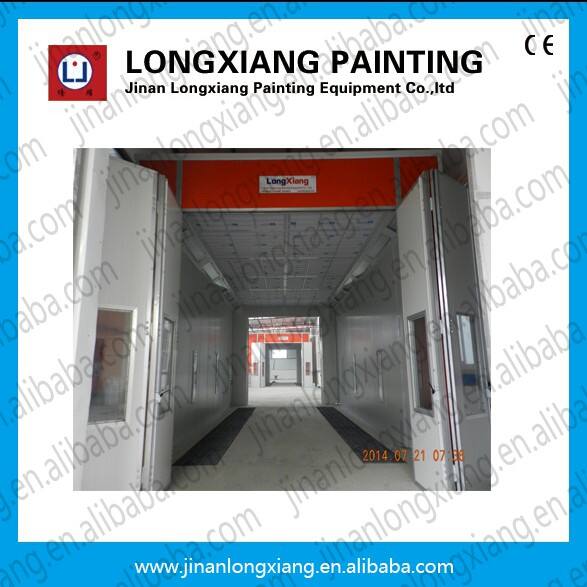
When evaluating finishing equipment for industrial or automotive paint operations, one of the most practically important questions is how often you will need to change filters — and how that maintenance rhythm affects your total operating cost. A water-wash spraybooth and a dry-filter spraybooth represent two fundamentally different engineering philosophies for capturing overspray, and understanding the difference has direct implications for your facility's downtime, labor cost, and consumable expenditure. The short answer is yes — a water-wash spraybooth generally requires less frequent filter changes than a dry-type booth, but the reasoning behind that answer is more nuanced than it first appears.
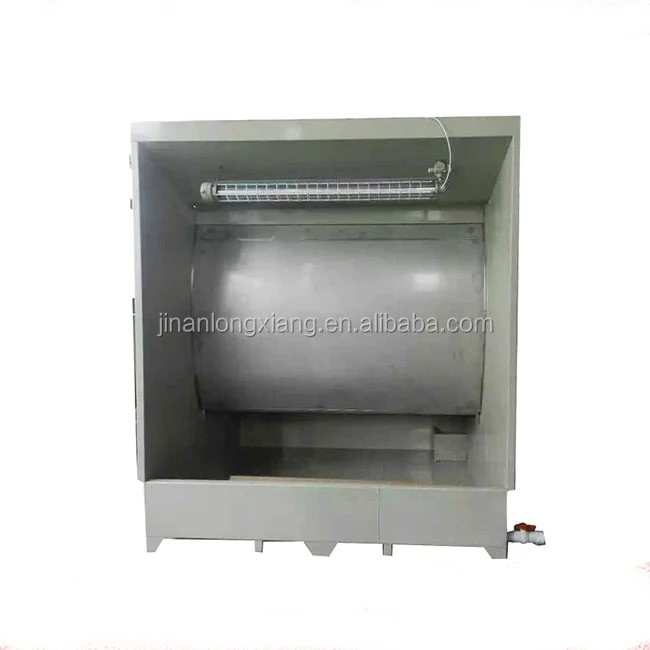
To make an informed decision, it helps to understand exactly how each system captures paint overspray and where the maintenance burden actually falls. A water-wash spraybooth uses a continuously recirculating water curtain or water-wash panel to trap airborne paint particles as they are drawn toward the exhaust side of the booth. A dry-type booth, by contrast, relies on physical filtration media — typically fiberglass or polyester pads — that must be monitored and replaced once they become loaded with overspray. Both systems are widely used across industries ranging from automotive refinishing to heavy equipment coating, and each carries its own set of trade-offs that go well beyond filter change frequency alone.
How Overspray Capture Differs Between the Two Systems
The Water Curtain Mechanism in a Water-Wash Spraybooth
In a water-wash spraybooth, overspray-laden air is directed through a water curtain or series of water-wash baffles positioned across the exhaust plenum. As the air passes through this water barrier, paint particles are absorbed into the water and carried down into a collection sump at the base of the unit. The water is continuously recirculated through the system, and special detackifying chemicals are added to prevent the paint solids from adhering to surfaces and clogging the plumbing.
This mechanism means the primary filtration medium — water — is self-renewing in a functional sense. The sump does accumulate paint sludge over time, but the water curtain itself does not become 'saturated' or 'blinded' the way a dry filter pad does. Because the water keeps flowing, airflow resistance through the booth remains relatively stable for extended periods, which is the core reason why a water-wash spraybooth does not require conventional filter replacements at frequent intervals.
The practical consequence for operators is that weekly or even daily filter inspections — a routine necessity in dry-type booths during heavy production — become largely unnecessary. Instead, the maintenance focus shifts to monitoring the sump water quality, testing chemical concentration, and periodically removing accumulated paint sludge from the collection pit. These tasks follow a different schedule and involve different labor skills compared to swapping out filter panels.
How Dry-Filter Booths Handle Overspray
A dry-type spraybooth routes exhaust air through one or more stages of dry filtration media. These filters — often described as intake filters, exhaust filters, or paint arrestors — are designed to mechanically capture paint solids as air passes through them. Over time, accumulated overspray progressively restricts airflow, increasing static pressure across the filter bank and reducing the booth's ability to maintain the required air velocity across the work area.
The rate at which dry filters become loaded depends heavily on production volume, the type of paint being sprayed, and the atomization method in use. High-solids coatings, for example, can load filters much faster than waterborne basecoats applied at lower film builds. In busy production environments, exhaust filter panels may require replacement every few days, while in lighter-duty settings, weekly changes may suffice.
When filter replacement is delayed — whether due to oversight or supply shortages — the downstream effects are measurable. Reduced airflow velocity impairs overspray evacuation, which raises the risk of finish defects, increases the fire and explosion risk from solvent vapor accumulation, and may cause the booth to fall out of compliance with environmental and safety regulations. This is why filter change schedules in dry-type booths must be treated as a firm operational discipline rather than a discretionary task.
Filter Change Frequency in Practical Terms
Comparing Maintenance Intervals Side by Side
In a production environment where a water-wash spraybooth is operating at typical industrial volumes, the water system may run for weeks or even months before any component-level intervention is required. The water itself is replenished as needed to compensate for evaporation, and detackifier dosing can often be managed automatically or with simple periodic additions. The filter media in the traditional sense — pads, panels, or rolls — is essentially absent from the maintenance routine entirely.
By comparison, a dry-filter booth in a similar production environment might require exhaust filter replacement anywhere from twice weekly to once every two weeks, depending on throughput and coating type. Intake filters, which protect the fan and heating components, typically have longer service lives but still require scheduled replacement. Over the course of a year, the cumulative cost of filter media, labor for replacement, and disposal fees can be substantial.
It is accurate to state that a water-wash spraybooth requires less frequent filter changes than a dry type in nearly every comparable production scenario. However, operators must also account for the scheduled sludge removal and water treatment tasks that replace the filter-change burden. These are not necessarily more difficult or more expensive, but they do require different planning and, in some cases, specialist waste disposal arrangements depending on local environmental regulations.
Variables That Affect Maintenance Frequency in Each System
Production volume is the single biggest driver of filter change frequency in a dry-type booth. A light-use body shop spraying two or three vehicles per day will have a very different filter consumption rate compared to a production line painting hundreds of components per shift. For the water-wash spraybooth, production volume affects how quickly paint solids accumulate in the sump and how rapidly detackifier is depleted, but it does not trigger the same kind of urgent intervention that a blinded dry filter does.
The type of coating also matters. Waterborne coatings tend to be more compatible with water-wash systems from a chemistry standpoint, though solvent-borne paints can also be processed effectively. For dry-type booths, high-viscosity or high-solids coatings load filter media faster and require more frequent changes to maintain compliant airflow. This means that as coating formulations continue to evolve toward higher solids content, the advantage of the water-wash spraybooth in terms of maintenance frequency may become even more pronounced.
Ambient conditions such as temperature and humidity can also play a role. In hot, dry climates, water evaporation from a water-wash system is more rapid, requiring more frequent top-ups. In humid conditions, dry filter media can absorb moisture and perform differently than under standard conditions. These variables are worth factoring into any direct comparison between the two system types.
Total Cost of Ownership Beyond Filter Changes
Consumable and Labor Costs in Each System
When comparing the total operational cost of a water-wash spraybooth against a dry-type booth, filter media is only one line item. For dry-type booths, filter media is a recurring consumable that must be budgeted, stocked, and managed as part of ongoing operations. Labor for inspection, removal, and replacement adds to the total cost, and in many regions, used paint filters must be disposed of as hazardous waste, adding a further cost per change cycle.
For the water-wash spraybooth, the ongoing consumables are primarily water treatment chemicals — detackifiers and pH modifiers — as well as the cost of water itself and the cost of sludge disposal. Water treatment chemicals are generally purchased in bulk and represent a predictable recurring cost. Sludge removal frequency varies by production volume but is typically scheduled on a monthly or quarterly basis in many industrial settings, making it easier to plan around than the daily or weekly filter changes a busy dry-type booth demands.
Capital cost is another dimension. A water-wash spraybooth typically has a higher initial purchase price than a comparable dry-type unit because of the sump, pump, and water management infrastructure built into the design. However, the reduced consumable spend and less labor-intensive maintenance routine can offset this premium over time. Decision-makers should model both the upfront and ongoing cost components before drawing conclusions about which system offers better value for their specific application.
Environmental and Regulatory Considerations
Both systems generate waste that must be managed in compliance with local environmental regulations, but the nature of that waste differs. Dry-type booths produce used filter panels saturated with paint solids, which are classified as hazardous waste in most jurisdictions and must be containerized and disposed of through approved waste channels. The frequency of filter changes directly determines how much hazardous waste is generated and how often collection or disposal must be arranged.
A water-wash spraybooth generates paint sludge in the form of a semi-solid or slurry material collected from the sump. This sludge also requires proper disposal as hazardous waste, but because it is generated in a more concentrated form and on a less frequent schedule, some facilities find it easier to manage from a logistics standpoint. The volume of waste per unit of production may also be lower in some scenarios, though this is highly dependent on the coating chemistry and the efficiency of the detackification process.
Operators considering a water-wash spraybooth should verify with their local regulatory authority how paint sludge must be classified, handled, and disposed of in their specific region. In some areas, the water discharged from sump cleaning operations may also be subject to wastewater treatment requirements before it can be disposed of to drain, adding a compliance dimension that dry-type booths do not share.
Which Applications Benefit Most from a Water-Wash Spraybooth
High-Volume and Continuous Production Environments
The advantages of a water-wash spraybooth in terms of maintenance frequency are most pronounced in high-volume production settings where downtime for filter changes would have a measurable impact on throughput. Facilities that run multiple shifts, spray high-solid coatings, or operate with tight production schedules benefit significantly from the extended intervals between maintenance interventions that a water-wash system offers.
Large component painting operations — such as those serving agricultural equipment, construction machinery, or metal fabrication — often face the challenge of maintaining booth performance across demanding production cycles. In these environments, the self-sustaining nature of the water curtain in a water-wash spraybooth translates directly into fewer production interruptions and more predictable maintenance scheduling. The operational discipline required shifts from reactive filter replacement to proactive water chemistry management, which many facilities find easier to integrate into a planned maintenance program.
Automotive assembly and refinishing operations that spray a high volume of vehicles are another natural fit. In these settings, exhaust filter consumption in a dry-type booth can be surprisingly high, and the reduction in filter change frequency offered by a water-wash spraybooth has clear economic value once the production volume reaches a sufficient threshold.
Scenarios Where Dry-Type Booths May Remain Preferable
Despite its maintenance advantages, a water-wash spraybooth is not necessarily the best fit for every application. Smaller operations with lower production volumes may find that the higher capital cost and the complexity of water management do not justify the investment when compared to the relatively modest filter consumption of a lightly loaded dry-type booth. In these cases, the simplicity and lower upfront cost of a dry system may be the more pragmatic choice.
Facilities located in areas with water scarcity or where water disposal regulations are particularly stringent may also encounter operational challenges with a water-wash spraybooth that offset the filter maintenance advantages. Similarly, operations that work with coatings or solvents that interact unfavorably with water-based capture systems may need to evaluate whether a water-wash design is technically compatible with their process chemistry.
The decision between a water-wash spraybooth and a dry-type system should ultimately be based on a full analysis of production volume, coating types, facility constraints, local regulations, capital budget, and ongoing operating cost projections. Filter change frequency is an important factor, but it is one component in a broader comparison that deserves thorough evaluation before a capital commitment is made.
FAQ
Does a water-wash spraybooth completely eliminate the need for filter media?
In most designs, a water-wash spraybooth eliminates the need for traditional exhaust filter panels, which are the most frequently replaced consumable in dry-type booths. However, some water-wash systems still incorporate a final-stage dry filter or mist eliminator on the exhaust side to capture residual water droplets or fine particulates that pass through the water curtain. These secondary filters have much longer service lives than primary dry exhaust filters and require far less frequent attention.
How often does the sump in a water-wash spraybooth need to be cleaned?
The frequency of sump cleaning in a water-wash spraybooth depends primarily on production volume and the efficiency of the detackification chemicals being used. In moderate production environments, monthly sump cleaning is common. In very high-volume operations, the interval may be shorter. In lighter-duty applications, quarterly cleaning may be sufficient. Monitoring the sludge accumulation level and water chemistry on a regular basis allows operators to schedule sump cleaning proactively rather than reactively.
Is the water used in a water-wash spraybooth continuously replaced or recirculated?
The water in a water-wash spraybooth is recirculated continuously through the system rather than being replaced on a constant basis. Water is added periodically to compensate for evaporation losses, and detackifying chemicals are dosed to maintain the correct chemistry for capturing and releasing paint solids into the sump. A full water change is typically only performed during a scheduled deep clean or when the water quality has degraded to the point where it cannot be corrected through chemical treatment alone.
Can a water-wash spraybooth handle solvent-borne paints as well as waterborne coatings?
Yes, a water-wash spraybooth can process both solvent-borne and waterborne coatings effectively. The water curtain captures overspray particles regardless of whether the carrier in the coating is water or solvent. However, the detackification chemistry used in the sump may need to be selected or adjusted based on the specific coating types being sprayed to ensure effective paint particle capture and sludge formation. Consulting with a water treatment chemical supplier familiar with spray finishing applications is advisable when operating a water-wash spraybooth with a diverse range of coating products.
Table of Contents
- How Overspray Capture Differs Between the Two Systems
- Filter Change Frequency in Practical Terms
- Total Cost of Ownership Beyond Filter Changes
- Which Applications Benefit Most from a Water-Wash Spraybooth
-
FAQ
- Does a water-wash spraybooth completely eliminate the need for filter media?
- How often does the sump in a water-wash spraybooth need to be cleaned?
- Is the water used in a water-wash spraybooth continuously replaced or recirculated?
- Can a water-wash spraybooth handle solvent-borne paints as well as waterborne coatings?