
 EN
EN
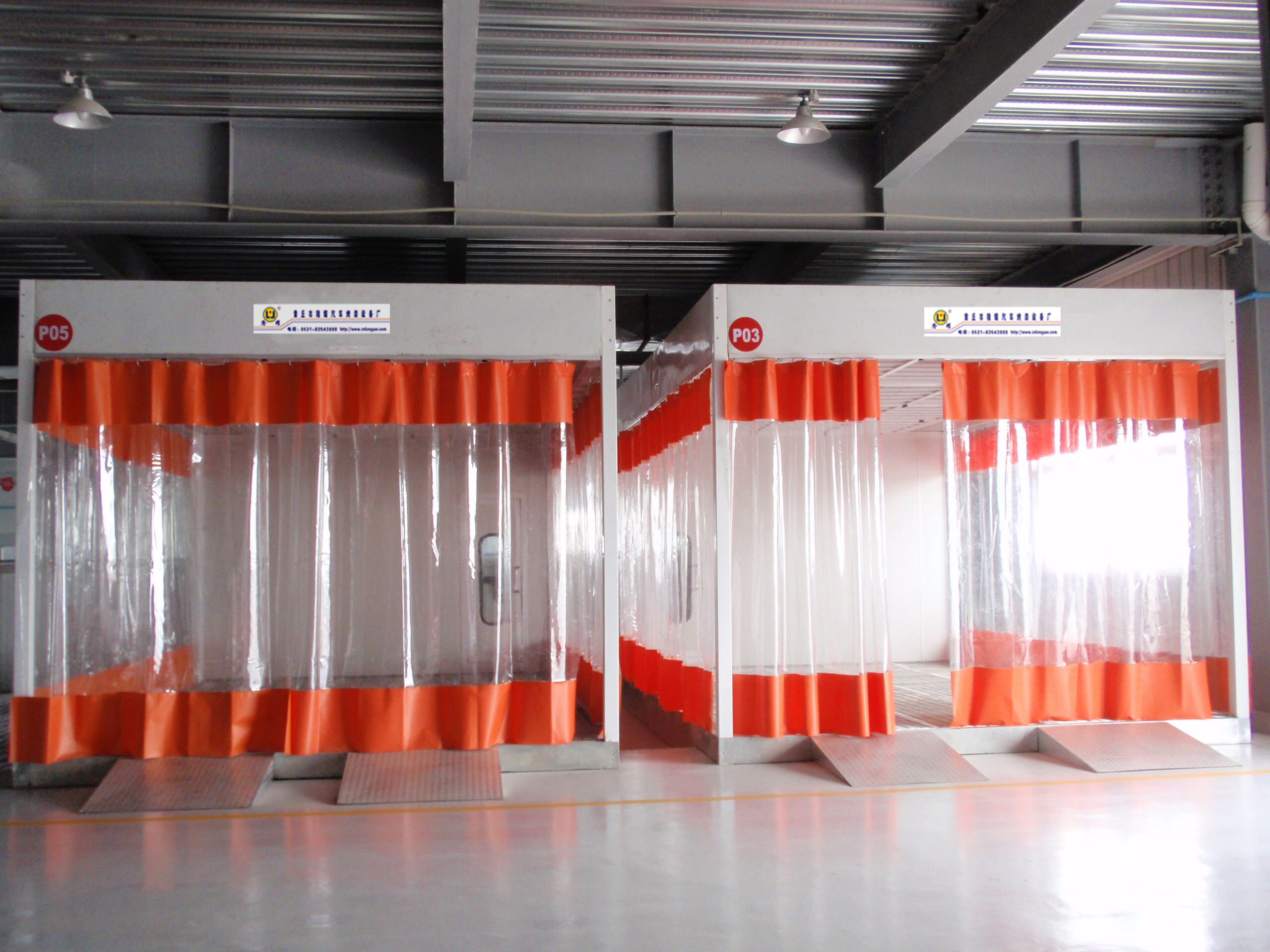
Maintaining a spray booth involves regular replacement of floor grates and exhaust filters to ensure optimal performance, consistent airflow, and safe working conditions. The fastest way to replace these critical components depends on understanding your spray booth configuration, preparing the right tools in advance, and following a systematic approach that minimizes downtime. Whether you operate an automotive refinishing facility, an industrial coating operation, or a custom fabrication shop, knowing the quickest replacement methods can save hours of labor and keep your production schedule on track without compromising air quality or safety standards.
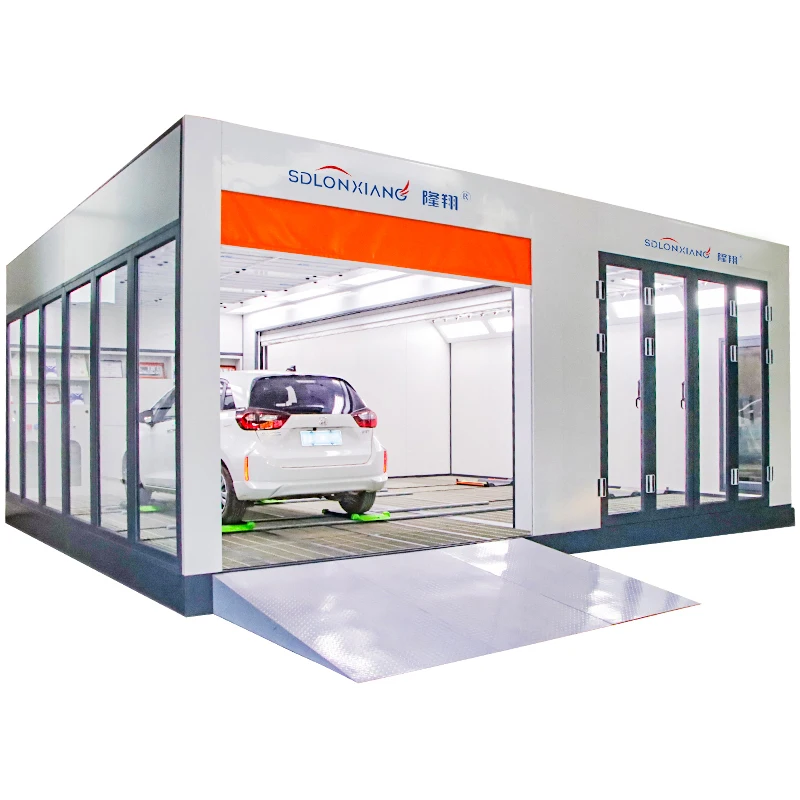
Speed in replacing floor grates and exhaust filters is not just about working faster, but working smarter by using proven techniques that professional spray booth technicians rely on daily. This article walks through the fastest methods for both components, covering preparation steps, tool selection, safety protocols, and process optimization strategies that apply across different spray booth models and configurations. By the end, you will understand how to reduce replacement time from hours to minutes while maintaining the integrity and compliance of your spray booth system.
Understanding Spray Booth Floor Grate and Filter Systems
The Role of Floor Grates in Spray Booth Performance
Floor grates in a spray booth serve as the primary surface where operators stand while applying coatings, and they also function as the intake point for downward airflow systems. These grates are typically constructed from galvanized steel or aluminum and designed with specific perforation patterns that allow overspray and airborne particulates to pass through into the exhaust plenum below. The grate design directly affects operator comfort, safety, and the efficiency of the spray booth ventilation system. Over time, grates accumulate paint buildup, which restricts airflow and creates uneven surface conditions that can affect coating quality.
Replacing floor grates quickly requires understanding their mounting system, which varies by spray booth manufacturer and model. Some grates are modular panels that lift straight out, while others are secured with clips, bolts, or edge rails. Knowing your specific spray booth configuration before starting the replacement process is essential for speed. Professional operators often keep replacement grates staged nearby so they can swap out clogged units immediately without waiting for cleaning or ordering new parts. This advance preparation is a key factor in reducing downtime during maintenance cycles.
Exhaust Filter Types and Replacement Frequency
Exhaust filters in spray booth systems capture overspray particles before air exits the building, protecting the environment and preventing fan damage. The most common types include fiberglass roll filters, bag filters, and pleated panel filters, each with different installation methods and replacement intervals. Fiberglass roll filters are typically the fastest to replace because they unroll from a continuous feed system, while bag and panel filters require individual unit removal and installation. Understanding which filter type your spray booth uses determines the fastest replacement approach and the tools you will need.
Replacement frequency depends on paint volume, coating types, and filter quality. High-production spray booth operations may replace exhaust filters weekly, while lower-volume facilities might extend intervals to monthly or quarterly. Visual inspection of filter loading is the most reliable indicator of replacement timing. When filters show significant paint buildup or airflow velocity drops noticeably, immediate replacement is necessary. Keeping a maintenance log helps predict replacement timing and ensures you have spare filters on hand, which dramatically speeds up the actual replacement process when needed.
How Maintenance Impacts Spray Booth Efficiency
Regular replacement of floor grates and exhaust filters directly impacts spray booth efficiency by maintaining proper airflow velocity and distribution. When these components become clogged, the spray booth cannot achieve design specifications for air changes per minute, leading to poor coating results, longer drying times, and potential safety hazards from solvent vapor accumulation. Fast replacement procedures keep your spray booth operating at peak performance and prevent the compounding problems that arise from deferred maintenance.
The speed of replacement also affects operational costs. Extended downtime means lost production capacity, delayed customer deliveries, and idle labor costs. Facilities that master rapid replacement techniques can often complete floor grate and filter changes during scheduled breaks or shift changes, virtually eliminating production disruptions. This operational advantage becomes especially valuable in high-volume environments where every hour of spray booth availability translates directly to revenue. Investing time in learning and practicing fast replacement methods pays dividends in reduced downtime and improved facility productivity.
Fastest Floor Grate Replacement Procedures
Pre-Replacement Preparation Steps
The fastest floor grate replacement begins before you enter the spray booth. Start by staging replacement grates near the booth entrance, ensuring they are clean and ready for installation. Verify that you have all necessary tools within arm's reach, typically including gloves, a pry bar or lifting tool, cleaning rags, and any fasteners required for your specific spray booth model. Clear the booth interior of all equipment, materials, and obstacles that might slow movement or create tripping hazards during the replacement process. This preparation phase typically takes five to ten minutes but can cut actual replacement time in half.
Before removing any floor grates, shut down the spray booth ventilation system and follow lockout-tagout procedures if required by your facility safety protocols. Allow the booth to ventilate for several minutes to clear any residual fumes. Mark or photograph the grate layout if your spray booth uses different grate sizes or types in specific positions, ensuring you can quickly restore the correct configuration. Some operators use numbered tags or color coding to speed up reinstallation and avoid confusion when working with multiple grate panels.
Quick-Release Grate Systems
Modern spray booth designs increasingly feature quick-release floor grate systems that eliminate fasteners entirely. These systems use edge clips, gravity locks, or cam-style latches that allow individual grate panels to be lifted straight out after releasing a simple mechanism. If your spray booth has this type of system, replacement can be completed in minutes by one person. Simply release the locking mechanism, lift the grate panel vertically, carry it out of the booth, and drop the replacement panel into position until it locks. This approach is by far the fastest method available and should be considered when upgrading older spray booth equipment.
For spray booth installations without quick-release systems, the fastest approach involves working systematically from one end of the booth to the other rather than removing grates randomly. Start at the entrance and work toward the back, stacking removed grates outside the booth in the order they were removed. This method maintains clear walking space throughout the process and ensures you don't need to step over or around piles of grates while working. Two-person teams can dramatically speed this process, with one person removing grates and passing them to a second person who stages them outside and prepares replacement units.
Handling Stuck or Paint-Sealed Grates
Paint buildup often causes floor grates to stick to supporting structures or adjacent panels, slowing replacement. The fastest solution is preventive maintenance using release agents on grate edges and contact points during installation. When you encounter stuck grates during replacement, use a flat pry bar at multiple points around the perimeter rather than forcing at a single location, which can bend or damage the grate. Gentle upward pressure at several points typically breaks the paint seal without damaging the grate or supporting structure.
In cases of severe paint buildup, a rubber mallet can help break the seal by tapping around the grate perimeter before attempting to lift. Avoid using excessive force, which can damage the spray booth floor structure or ventilation components below. If a grate remains stuck after reasonable effort, apply a paint softener or solvent around the edges and allow it to penetrate for a few minutes before trying again. While this adds time to the process, it prevents damage that would create even longer delays. Once removed, clean the seating area before installing replacement grates to prevent future sticking issues.
Rapid Exhaust Filter Replacement Techniques
Roll Filter Systems for Maximum Speed
Roll filter systems represent the fastest exhaust filter replacement method available for spray booth applications. These systems use a continuous roll of filter media that advances automatically or manually as the downstream section becomes loaded with overspray. Replacement involves simply loading a new roll onto the supply spindle and threading it through the filter housing. The entire process typically takes less than ten minutes and can often be completed while the spray booth remains partially operational, minimizing production impact.
To maximize speed with roll filter systems, keep replacement rolls stored in a convenient location near the spray booth filter access panel. Familiarize yourself with the threading path and tension adjustment mechanisms so you can complete the installation without referring to documentation. Some facilities mark the correct filter path with colored tape or arrows inside the filter housing to eliminate guesswork during replacement. Regular inspection of roll filter advancement mechanisms ensures they function smoothly when replacement is needed, preventing delays caused by jammed or misaligned media.
Panel and Bag Filter Quick-Change Methods
Panel and bag filters require individual unit replacement, making speed dependent on access panel design and filter quantity. The fastest approach begins with removing all access panel fasteners before pulling out any filters, rather than opening one section at a time. Stage replacement filters in installation order near each access opening to minimize walking and searching during the replacement process. Remove loaded filters in a continuous motion, immediately replacing each unit before moving to the next position to maintain progress and avoid confusion about which positions have been serviced.
Spray booth filter frames sometimes feature spring clips or tool-free latches that allow filter removal without tools. If your system uses these quick-release mechanisms, take advantage of them by ensuring they remain clean and functional. For systems requiring tools, keep dedicated filter replacement tools near the spray booth so you never waste time searching for the right wrench or screwdriver. Some operators modify filter frames with quick-release hardware to speed up future replacements, an investment that pays off quickly in reduced labor time.
Multi-Stage Filter System Coordination
Many spray booth exhaust systems use multiple filter stages, typically including a pre-filter and final filter arrangement. The fastest replacement approach for multi-stage systems involves replacing all stages during a single maintenance session rather than servicing them separately. This reduces the total number of system shutdowns and consolidates preparation and cleanup activities. When replacing multi-stage filters, always work from the exhaust fan side backward toward the spray booth interior to avoid contaminating fresh filters with dislodged particles from upstream units.
Coordinate filter replacement timing based on the relative loading rates of each stage. Pre-filters typically require more frequent replacement than final filters, but replacing both simultaneously on a schedule that matches the final filter interval eliminates multiple shutdowns. Track filter performance through pressure differential gauges or visual inspection to optimize this coordination. Some facilities use color-coded filter frames or installation dates marked on filters to quickly identify which stages need replacement during inspection, speeding decision-making and ensuring the correct filters are ordered in advance.
Tools and Safety Equipment for Fast Replacement
Essential Tool Kit for Floor Grate Replacement
A dedicated tool kit for floor grate replacement eliminates time wasted gathering equipment when maintenance is needed. Essential items include heavy-duty work gloves to protect against sharp edges and paint residue, a flat pry bar or grate lifting tool, a rubber mallet for breaking paint seals, and any wrenches or sockets specific to your spray booth fasteners. Store this kit in a clearly marked location near the spray booth so any team member can quickly access everything needed for the job.
Additional items that speed the process include a shop vacuum for quickly cleaning grate seating areas before installing replacement units, marking tools for identifying grate positions, and cleaning rags for wiping contact surfaces. Some operators keep a small container of release agent or anti-seize compound in the kit to apply to new grate edges during installation, preventing future sticking issues. A flashlight or headlamp helps inspect the plenum area below grates for accumulated debris or damage that should be addressed before completing the replacement.
Safety Gear and Ventilation Considerations
Speed should never come at the expense of safety when replacing spray booth components. Appropriate personal protective equipment includes safety glasses to protect from falling paint chips, respirators if working in an area with residual solvent vapors, and sturdy footwear to protect against dropped grates or tools. Ensure the spray booth ventilation system is properly shut down and locked out before beginning work to prevent unexpected startups that could create hazardous conditions.
Even with ventilation shut down, maintain awareness of air quality inside the spray booth during maintenance. If you detect strong solvent odors or experience symptoms like dizziness or headache, exit the booth immediately and allow additional ventilation time before resuming work. Some facilities use portable ventilation fans to maintain air movement during maintenance activities, speeding the work environment preparation without compromising safety. Document all safety procedures in your maintenance protocols so every team member follows consistent practices regardless of who performs the replacement.
Material Handling Equipment for Larger Operations
Large spray booth installations may benefit from material handling equipment to speed floor grate replacement. Hand trucks or platform carts allow rapid movement of multiple grate panels between the booth and storage or cleaning areas, eliminating multiple trips and reducing physical strain. For very large facilities, grate carts with spring-loaded bottoms that rise as grates are removed speed the process by keeping the next grate at ergonomic handling height.
Overhead hoists or jib cranes can dramatically speed replacement of heavy floor grates in industrial spray booth applications, though these require careful planning and training to use safely. When evaluating material handling equipment, calculate the time savings across multiple replacement cycles to justify the investment. Even simple solutions like designated grate storage racks near the spray booth entrance can reduce replacement time by organizing materials and eliminating search time during maintenance activities.
Process Optimization and Downtime Reduction Strategies
Scheduling Replacement During Low-Activity Periods
Strategic scheduling is one of the fastest ways to minimize the operational impact of floor grate and filter replacement. Plan these maintenance activities during shift changes, lunch breaks, or scheduled downtime when the spray booth would not be in use anyway. This approach converts unavoidable idle time into productive maintenance time, effectively making the replacement process instantaneous from a production perspective. Coordinate with production scheduling to identify these windows and communicate maintenance plans to all affected personnel.
For facilities with multiple spray booth units, stagger maintenance schedules so one booth remains operational while another undergoes component replacement. This strategy maintains overall production capacity while allowing thorough, unhurried maintenance that actually speeds the process by eliminating the pressure to rush. Track maintenance intervals for all spray booth equipment to predict upcoming replacement needs and schedule accordingly, preventing surprise shutdowns that disrupt operations and force rushed work.
Implementing Spare Parts Inventory Systems
Nothing slows replacement faster than discovering you lack necessary parts when maintenance is due. Implement a spare parts inventory system that maintains minimum quantities of floor grates, exhaust filters, and associated hardware based on your replacement frequency and lead times for ordering. Use visual inventory systems like Kanban cards or shadow boards that make missing items immediately obvious, triggering reorder before stocks are depleted.
Calculate inventory levels based on replacement frequency plus a safety margin for unexpected damage or increased usage. For spray booth operations running multiple shifts or high production volumes, consider keeping one complete set of replacement grates staged and ready for immediate installation. While this represents a significant inventory investment, the ability to swap entire grate sets in minutes rather than hours can justify the cost in eliminated downtime. Review inventory levels quarterly and adjust based on actual consumption patterns and any changes in production schedules.
Training Multiple Team Members on Replacement Procedures
Cross-training multiple team members on floor grate and exhaust filter replacement procedures ensures the fastest possible response when maintenance is needed, regardless of shift schedules or personnel availability. Develop standardized replacement procedures documented with photos or videos showing each step, and use these materials to train all relevant personnel to the same competency level. Standardization eliminates the variation in replacement time that occurs when different individuals use different methods or work at different speeds.
Schedule regular practice sessions where team members perform replacement procedures under non-emergency conditions, building skill and confidence that translates to faster execution during actual maintenance events. Time these practice sessions and track improvements as individuals gain experience. Recognize and reward efficient execution to reinforce the importance of speed and precision in maintenance activities. When multiple trained personnel are available, assign two-person teams for replacement activities, which typically reduces total elapsed time by more than half compared to single-person execution.
FAQ
How often should floor grates be replaced in a spray booth?
Floor grate replacement frequency depends on production volume, coating types, and cleaning practices rather than a fixed time interval. High-volume automotive spray booth operations typically replace or thoroughly clean floor grates every three to six months, while lower-volume facilities may extend this to annually. The key indicator is airflow restriction caused by paint buildup, which you can monitor through pressure differential measurements or visual inspection. Replace grates when buildup becomes visible on more than thirty percent of the surface or when airflow velocity drops below design specifications. Implementing a rotation system where grates are removed, cleaned, and returned to service can extend useful life while maintaining optimal spray booth performance.
Can I replace exhaust filters without shutting down the entire spray booth?
Most spray booth exhaust filter replacements require complete system shutdown for safety and practical reasons. Operating the ventilation system during filter replacement creates airflow through open access panels that can cause personal injury and draws unfiltered air through the exhaust system, potentially damaging fans and releasing contaminated air. However, some large industrial spray booth installations feature bypass systems or redundant filter banks that allow filter replacement in one section while the booth continues operating on alternative filtration paths. These systems are expensive and typically justified only in continuous production environments where downtime costs are extremely high. For standard spray booth configurations, plan filter replacement during scheduled downtime to eliminate safety risks and ensure proper installation.
What are the signs that floor grates or filters need immediate replacement?
Several indicators signal the need for immediate floor grate or filter replacement in spray booth systems. Visible paint buildup covering more than half of floor grate openings restricts airflow and creates uneven surface conditions. For exhaust filters, obvious signs include visible paint caking on the filter surface, noticeable reduction in exhaust fan sound indicating restricted airflow, or pressure differential readings exceeding manufacturer specifications. Additional warning signs include coating defects like dry spray or orange peel that suggest inadequate airflow, extended drying times, or accumulation of solvent odors inside the spray booth during operation. Any of these conditions indicates immediate attention is needed to restore proper spray booth function and maintain safe working conditions.
Is it faster to clean and reuse floor grates or install new ones?
Installing new floor grates is almost always faster than cleaning and reusing existing units during maintenance windows. Cleaning heavily painted grates typically requires chemical strippers, high-pressure washing, and drying time that extends far beyond simple replacement. The fastest approach is removing loaded grates and immediately installing clean replacement units, then cleaning the removed grates offline for use during the next replacement cycle. This rotation system keeps the spray booth operational while maintenance continues in the background. For facilities with budget constraints, prioritize having at least one complete spare set of floor grates to enable this rapid rotation approach, which provides the speed advantage of new grates with the economy of reuse.