
 EN
EN
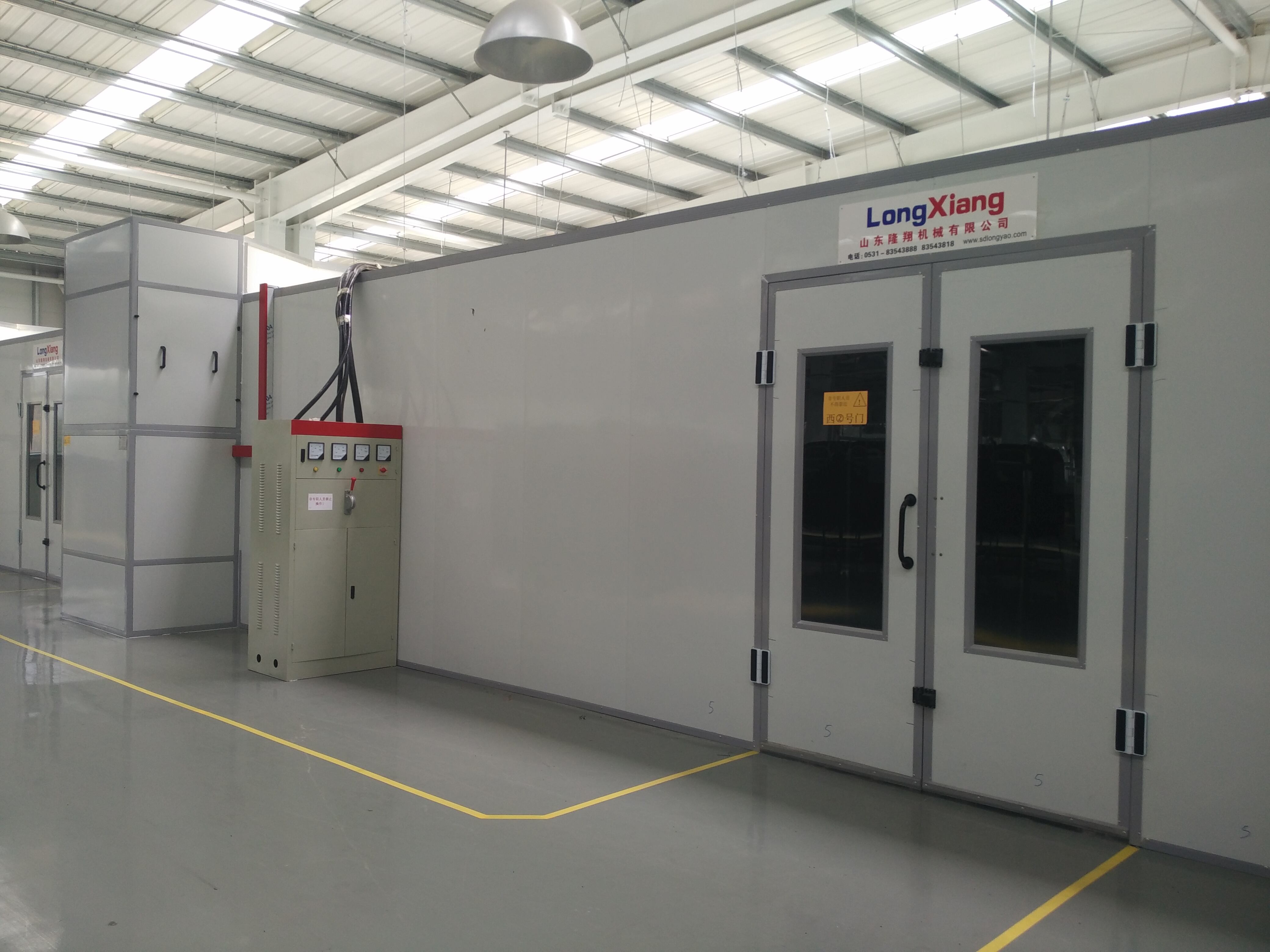
Proper maintenance protocols serve as the cornerstone for maximizing the operational lifespan of your industrial paint booth filtration system. Without systematic maintenance procedures, even the most advanced filtration technology can experience premature failure, reduced efficiency, and costly downtime that disrupts your entire production schedule. Understanding which maintenance protocols deliver the greatest impact on system longevity requires examining both preventive measures and performance optimization strategies that address the unique challenges of industrial painting environments.

The financial implications of implementing comprehensive maintenance protocols extend far beyond simple equipment preservation. Manufacturing facilities that establish rigorous maintenance schedules for their industrial paint booth filtration system typically experience 40-60% longer equipment lifespans, significantly reduced emergency repair costs, and improved compliance with environmental regulations. These protocols encompass filter replacement schedules, airflow monitoring procedures, component inspections, and system calibration activities that collectively ensure optimal performance throughout the equipment's operational life.
Filter Management and Replacement Protocols
Primary Filter Maintenance Scheduling
Primary filter maintenance represents the most critical protocol for extending your industrial paint booth filtration system lifespan. These filters capture the majority of paint particles and overspray, making them essential for protecting downstream components from contamination and damage. Establishing a replacement schedule based on differential pressure readings rather than arbitrary time intervals ensures optimal performance while preventing premature filter disposal or dangerous over-loading conditions.
Monitoring differential pressure across primary filters provides real-time insight into filter loading conditions and replacement timing. Most industrial paint booth filtration systems operate efficiently when differential pressure remains below 0.5 inches of water column, though specific thresholds vary based on filter type and booth design. Regular pressure monitoring prevents filter breakthrough, which can contaminate secondary filtration stages and compromise overall system performance.
Documentation of filter replacement activities creates valuable data for optimizing maintenance intervals and predicting future service requirements. Recording replacement dates, operating hours, differential pressure readings, and paint volume processed helps identify patterns that can inform more precise maintenance scheduling. This data-driven approach to industrial paint booth filtration system maintenance reduces both unnecessary filter changes and system stress from over-loaded filters.
Secondary Filtration System Care
Secondary filtration components require different maintenance protocols than primary filters due to their role in final particle capture and air quality assurance. These high-efficiency filters typically have longer service intervals but demand more precise handling and installation procedures to maintain their effectiveness. Improper secondary filter maintenance can result in costly filter damage and compromised air quality that affects paint finish quality.
Regular inspection of secondary filter housings, gaskets, and mounting systems prevents bypass conditions that reduce filtration efficiency. Visual inspections should identify damaged filter media, loose gaskets, or housing deformation that could compromise filter performance. Addressing these issues promptly prevents contamination of clean air zones and maintains the pressure differentials necessary for proper booth operation.
Temperature and humidity control within secondary filtration areas extends filter life and maintains consistent performance characteristics. Excessive moisture can damage certain filter media types, while temperature fluctuations can affect filter dimensional stability and sealing effectiveness. Environmental monitoring protocols help identify conditions that could compromise secondary filtration performance before they impact overall system operation.
Airflow Management and Ventilation System Maintenance
Fan System Performance Optimization
Fan system maintenance directly impacts the lifespan of your entire industrial paint booth filtration system by ensuring proper airflow distribution and pressure relationships throughout the booth. Regular fan maintenance prevents the performance degradation that can stress filtration components and reduce their operational life. Belt tension adjustments, bearing lubrication, and motor alignment procedures maintain optimal fan efficiency while preventing mechanical failures that could damage connected filtration equipment.
Vibration monitoring protocols help identify developing fan system problems before they cause catastrophic failures or damage to filtration components. Excessive fan vibration can loosen filter mounting systems, damage ductwork connections, and create pressure fluctuations that stress filtration media. Installing vibration monitoring equipment and establishing baseline measurements enables predictive maintenance approaches that prevent costly system failures.
Motor current monitoring provides valuable insights into fan system loading and efficiency trends that affect filtration system performance. Increasing current draw often indicates developing problems such as bearing wear, belt slippage, or filter loading that requires attention. Regular current monitoring helps optimize fan performance while identifying maintenance requirements before they impact industrial paint booth filtration system operation.
Ductwork and Airflow Distribution Systems
Ductwork maintenance protocols ensure proper air distribution patterns that optimize filtration system performance and extend component life. Regular inspection of ductwork joints, dampers, and air distribution panels prevents air leakage that can create uneven loading on filtration components. Proper ductwork maintenance also prevents the accumulation of paint residue that can restrict airflow and increase system operating pressures.
Air velocity measurements throughout the ductwork system help identify restrictions or imbalances that stress filtration components. Maintaining proper air velocities ensures even filter loading and prevents localized over-loading that can cause premature filter failure. Regular velocity profiling also identifies ductwork modifications or cleaning requirements needed to maintain optimal system performance.
Damper calibration and position verification protocols maintain proper airflow distribution and prevent system imbalances that can reduce filtration efficiency. Automated damper systems require regular position feedback calibration, while manual dampers need periodic adjustment verification. Proper damper maintenance ensures consistent airflow patterns that optimize filter life and maintain uniform booth performance characteristics.
Environmental Control and Monitoring Protocols
Temperature and Humidity Management
Temperature control protocols within your industrial paint booth filtration system prevent condensation formation that can damage filtration media and reduce system efficiency. Maintaining proper temperature differentials across the filtration system prevents moisture accumulation while ensuring consistent air density that affects filtration performance. Temperature monitoring equipment should include sensors at multiple system locations to identify developing problems before they impact filtration components.
Humidity control measures protect sensitive filtration components from moisture damage while maintaining optimal operating conditions for paint application processes. Excessive humidity can cause filter media swelling, adhesive failure, and microbiological growth that compromises filtration effectiveness. Implementing humidity monitoring protocols helps identify conditions requiring corrective action before they impact system performance or component life.
Seasonal adjustment protocols account for changing environmental conditions that affect filtration system performance and component longevity. Temperature and humidity variations throughout the year require corresponding adjustments to system operating parameters and maintenance schedules. Proactive seasonal adjustments prevent environmental stress on filtration components while maintaining consistent system performance regardless of external conditions.
Contamination Control and System Cleanliness
Regular cleaning protocols for filtration system components prevent the accumulation of paint residue and contaminants that can reduce system efficiency and component life. Cleaning schedules should address both accessible surfaces and internal system areas where contamination can accumulate over time. Proper cleaning procedures use appropriate solvents and techniques that remove contaminants without damaging sensitive components.
Air quality monitoring within the filtration system helps identify contamination sources and verify cleaning effectiveness. Particle counting equipment can quantify filtration performance while identifying trends that indicate developing problems or maintenance requirements. Regular air quality assessments provide objective data for optimizing maintenance protocols and ensuring consistent system performance.
Contamination source identification protocols help prevent premature filtration system degradation by addressing root causes rather than just symptoms. Identifying paint overspray patterns, air leakage sources, or process variations that increase contamination loading enables targeted improvements that extend system life. Systematic contamination analysis supports both immediate maintenance requirements and long-term system optimization strategies.
Preventive Maintenance Scheduling and Documentation
Comprehensive Maintenance Calendar Development
Developing a comprehensive maintenance calendar for your industrial paint booth filtration system requires integrating multiple maintenance activities into a coordinated schedule that minimizes production disruption while maximizing system reliability. The calendar should account for filter replacement intervals, component inspections, system calibrations, and cleaning activities based on operating hours, production volumes, and equipment manufacturer recommendations.
Daily maintenance activities should include visual inspections, differential pressure readings, and operational parameter checks that identify immediate issues requiring attention. Weekly protocols typically encompass more detailed component inspections, air velocity measurements, and system performance verifications. Monthly activities often include comprehensive system cleaning, calibration verification, and detailed component assessments that ensure long-term reliability.
Annual maintenance protocols should include complete system overhauls, component replacements, and performance testing that verify overall system condition and identify upgrade requirements. These comprehensive maintenance events provide opportunities for system improvements and component upgrades that extend overall system life. Proper annual maintenance planning ensures adequate resources and scheduling for major maintenance activities.
Performance Data Collection and Analysis
Systematic data collection protocols provide the information necessary for optimizing maintenance intervals and predicting system performance trends. Recording operational parameters such as differential pressures, air velocities, temperature readings, and energy consumption creates a historical database for identifying patterns and optimizing maintenance protocols. Data analysis capabilities enable predictive maintenance approaches that prevent failures while optimizing maintenance resource utilization.
Trend analysis of system performance data helps identify gradual degradation patterns that indicate developing maintenance requirements or component wear. Establishing baseline performance parameters and monitoring deviations enables proactive maintenance scheduling that addresses problems before they impact production. Regular performance trending also identifies system improvements or modifications that could extend component life or improve efficiency.
Maintenance cost tracking protocols help optimize resource allocation and justify maintenance investments based on their impact on system reliability and longevity. Comparing maintenance costs to replacement costs and production losses provides objective data for maintenance decision-making. Cost tracking also identifies maintenance activities with the highest return on investment for extending industrial paint booth filtration system lifespan.
FAQ
How often should primary filters be replaced in an industrial paint booth filtration system?
Primary filter replacement frequency depends on differential pressure readings rather than fixed time intervals. Most systems require replacement when differential pressure exceeds 0.5 inches of water column, which typically occurs every 200-400 operating hours depending on paint volume and type. Monitoring pressure readings provides the most accurate replacement timing while preventing both premature disposal and dangerous over-loading conditions.
What are the most critical maintenance activities for extending filtration system lifespan?
The most critical maintenance activities include daily differential pressure monitoring, weekly filter condition inspections, monthly airflow velocity measurements, and quarterly comprehensive system cleaning. These activities address the primary failure modes of industrial paint booth filtration systems while providing early warning of developing problems that could impact system longevity.
How can environmental conditions affect filtration system maintenance requirements?
Temperature and humidity fluctuations significantly impact filtration system maintenance needs by affecting filter media stability, condensation formation, and contamination accumulation rates. High humidity environments may require more frequent filter replacements and enhanced moisture control measures, while temperature variations can affect filter dimensional stability and sealing effectiveness, requiring adjusted maintenance protocols.
What documentation should be maintained for optimal filtration system care?
Essential documentation includes filter replacement logs with dates and pressure readings, maintenance activity records with component conditions, system performance trend data, and cost tracking information. This documentation enables data-driven maintenance decisions, warranty compliance, regulatory reporting, and optimization of maintenance intervals based on actual operating conditions and system performance history.
Table of Contents
- Filter Management and Replacement Protocols
- Airflow Management and Ventilation System Maintenance
- Environmental Control and Monitoring Protocols
- Preventive Maintenance Scheduling and Documentation
-
FAQ
- How often should primary filters be replaced in an industrial paint booth filtration system?
- What are the most critical maintenance activities for extending filtration system lifespan?
- How can environmental conditions affect filtration system maintenance requirements?
- What documentation should be maintained for optimal filtration system care?