
 EN
EN
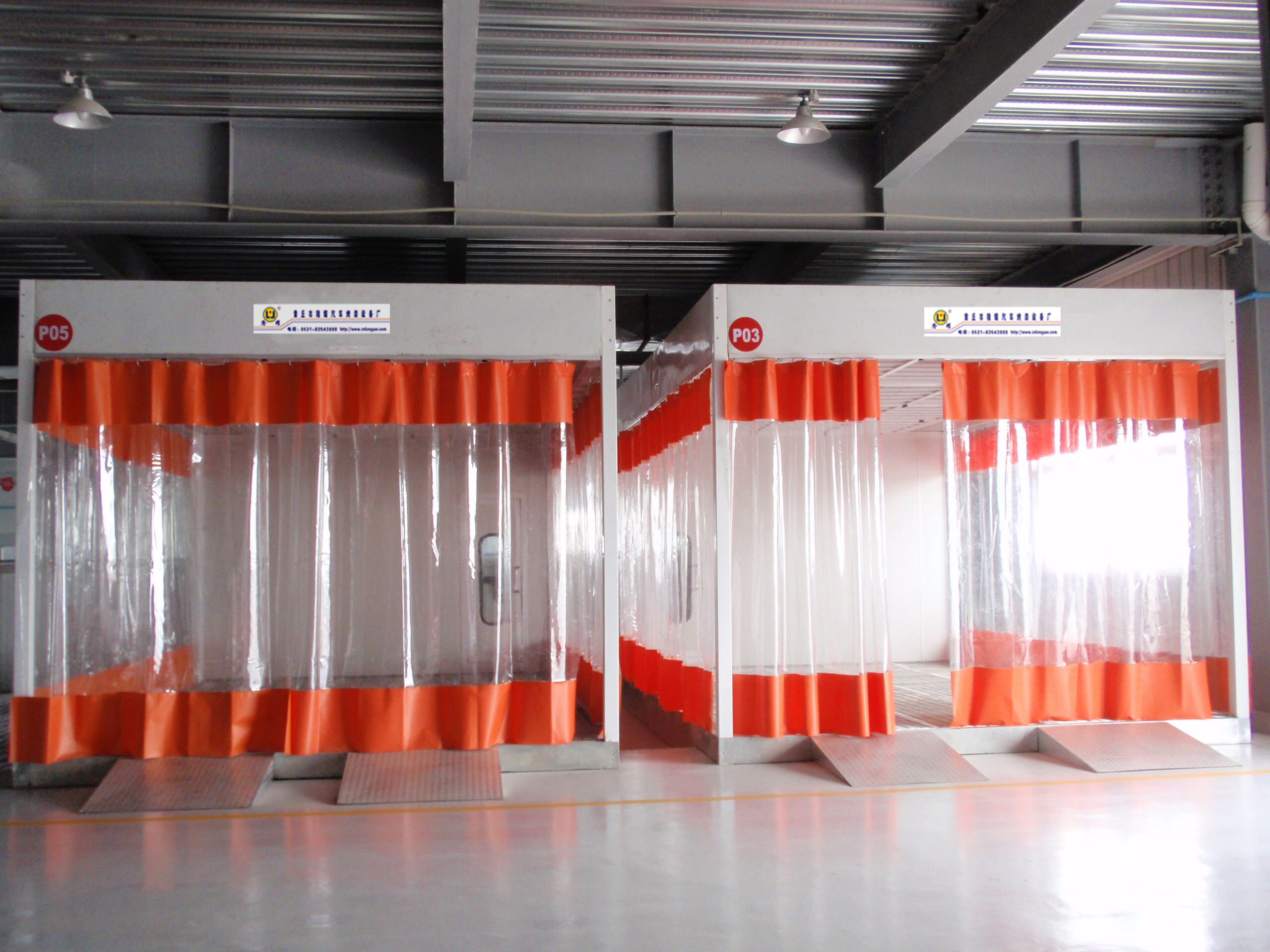
Selecting the right spray booths supplier represents a critical business decision that directly impacts your painting operations, product quality, and overall profitability. Industrial facilities across automotive, aerospace, furniture manufacturing, and general coating applications rely heavily on their chosen supplier to provide not just equipment, but comprehensive support services that ensure long-term operational success. A professional spray booths supplier must offer far more than basic equipment delivery, encompassing design consultation, installation expertise, maintenance programs, and ongoing technical support that keeps your production line running efficiently.
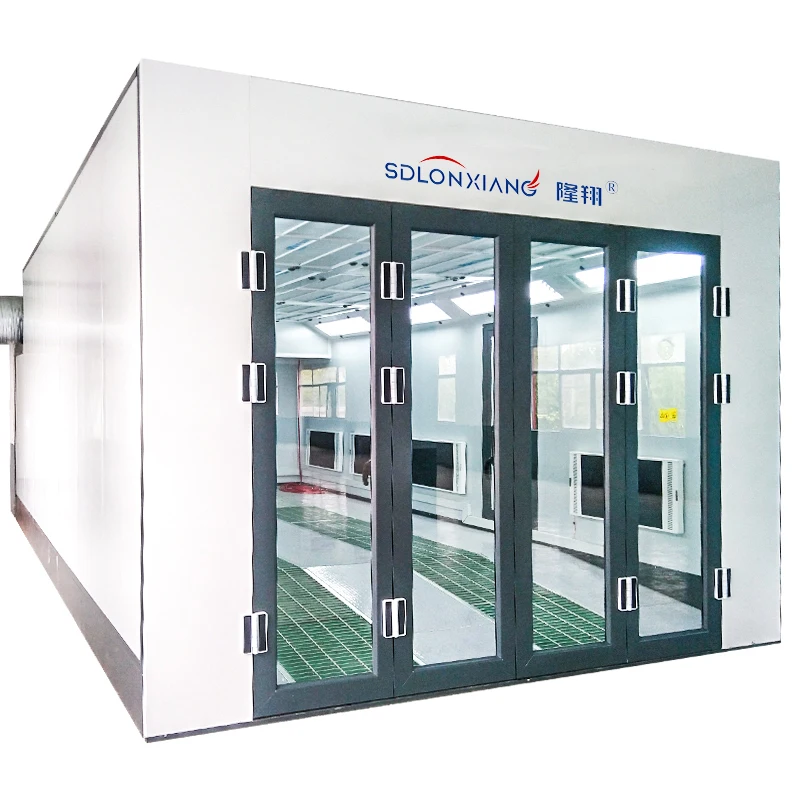
Comprehensive Design and Engineering Services
Custom Configuration Development
A qualified spray booths supplier should provide detailed design consultations that evaluate your specific facility requirements, production volumes, and coating applications. This involves conducting thorough site assessments to determine optimal booth placement, airflow patterns, and integration with existing production workflows. Professional suppliers utilize advanced CAD software to create detailed technical drawings and 3D models, ensuring your spray booth configuration maximizes efficiency while meeting all safety and environmental regulations.
The design process should include comprehensive analysis of your facility's electrical infrastructure, HVAC capabilities, and available floor space. Expert suppliers consider factors such as product sizes, coating types, cure requirements, and future expansion needs when developing customized solutions. This thorough approach ensures your spray booth investment delivers optimal performance throughout its operational lifecycle.
Regulatory Compliance Planning
Professional spray booths supplier teams maintain current knowledge of local, state, and federal regulations governing industrial coating operations. They should provide guidance on permit requirements, environmental compliance standards, and safety protocols specific to your industry and location. This expertise proves invaluable when navigating complex regulatory frameworks that govern volatile organic compound emissions, fire safety systems, and worker protection requirements.
Suppliers should offer documentation packages that streamline the permitting process, including detailed specifications, emission calculations, and safety system descriptions. This comprehensive approach reduces project delays and ensures your installation meets all applicable codes and standards from the outset.
Professional Installation and Commissioning
Expert Installation Teams
Quality installation represents a cornerstone service that distinguishes professional spray booths supplier organizations from basic equipment vendors. Certified installation teams should possess extensive experience with various booth configurations, ventilation systems, and control technologies. These specialists understand the critical importance of proper alignment, sealing, and calibration procedures that ensure optimal booth performance and longevity.
Installation services should encompass all system components, including exhaust fans, filtration systems, lighting arrays, control panels, and safety equipment. Professional installers follow detailed procedures to verify proper airflow patterns, temperature control accuracy, and fire suppression system functionality before completing commissioning activities.
System Testing and Validation
Comprehensive commissioning services verify that your spray booth operates according to design specifications and performance criteria. This process involves extensive testing of airflow velocities, temperature uniformity, filtration efficiency, and control system responsiveness. A reputable spray booths supplier conducts thorough validation procedures that document system performance and provide baseline measurements for future maintenance activities.
Testing protocols should include verification of safety systems, emergency shutdown procedures, and environmental monitoring capabilities. Professional suppliers provide detailed commissioning reports that document all test results and serve as valuable references for ongoing operation and maintenance activities.
Ongoing Maintenance and Support Programs
Preventive Maintenance Services
Reliable maintenance programs represent essential services that maximize spray booth uptime and extend equipment lifecycles. A professional spray booths supplier should offer comprehensive maintenance contracts that include regular inspections, filter replacements, mechanical adjustments, and performance optimization activities. These programs utilize predictive maintenance techniques to identify potential issues before they cause operational disruptions.
Maintenance services should encompass all booth components, including exhaust systems, heating elements, filtration equipment, and control systems. Professional technicians utilize specialized tools and genuine replacement parts to ensure optimal system performance and reliability throughout the maintenance lifecycle.
Emergency Repair Services
Production facilities require rapid response capabilities when spray booth systems experience unexpected failures or performance degradation. Quality suppliers maintain emergency service programs that provide immediate technical support, diagnostic assistance, and repair services to minimize downtime impacts. These programs typically include hotline support, remote diagnostic capabilities, and expedited parts delivery services.
Emergency support services should feature experienced technicians who understand various booth configurations and can quickly identify root causes of operational issues. Professional suppliers maintain comprehensive parts inventories and utilize advanced diagnostic equipment to restore system functionality efficiently.
Training and Technical Support
Operator Training Programs
Comprehensive operator training ensures your personnel can maximize spray booth performance while maintaining safe working conditions. Professional spray booths supplier organizations provide structured training programs that cover system operation procedures, maintenance requirements, safety protocols, and troubleshooting techniques. These programs should include hands-on instruction using your specific equipment configuration.
Training curricula should address topics such as airflow management, temperature control, filter maintenance, and quality control procedures. Professional suppliers provide training materials, reference guides, and ongoing support resources that help operators develop and maintain their technical expertise over time.
Technical Documentation and Resources
Quality suppliers provide comprehensive technical documentation that supports efficient operation and maintenance activities. This includes detailed operation manuals, maintenance schedules, troubleshooting guides, and parts catalogs specific to your equipment configuration. Digital resources should include video tutorials, interactive diagrams, and mobile-friendly reference materials that technicians can access during routine maintenance activities.
Technical support services should include telephone consultation, email assistance, and remote diagnostic capabilities that help resolve operational questions quickly. Professional spray booths supplier teams maintain detailed knowledge bases that enable rapid response to technical inquiries and support requests.
Parts Supply and Inventory Management
Genuine Parts Availability
Long-term operational success depends on reliable access to genuine replacement parts and consumables. Professional suppliers maintain comprehensive inventory systems that ensure critical components remain readily available when needed. This includes filters, belts, heating elements, sensors, control components, and specialized hardware specific to your booth configuration.
Parts supply programs should offer convenient ordering systems, competitive pricing, and expedited delivery options that minimize operational disruptions. Quality suppliers provide parts identification assistance and compatibility verification services that ensure proper component selection and installation.
Inventory Management Solutions
Advanced suppliers offer inventory management services that help facilities optimize their spare parts stock levels while minimizing carrying costs. These programs utilize predictive analytics and historical consumption data to recommend optimal inventory levels for critical components. Professional spray booths supplier organizations may provide on-site inventory management, automated reordering systems, and just-in-time delivery programs.
Inventory solutions should include detailed tracking systems that monitor parts usage patterns, predict replacement schedules, and generate automated purchase recommendations. This proactive approach helps prevent unexpected downtime while optimizing maintenance costs and inventory investments.
Performance Optimization and Upgrades
System Performance Analysis
Professional suppliers provide ongoing performance analysis services that identify optimization opportunities and efficiency improvements. This involves regular assessments of energy consumption, throughput rates, quality metrics, and operational costs compared to industry benchmarks and system capabilities. Advanced suppliers utilize data analytics and performance monitoring tools to develop actionable recommendations for system improvements.
Performance analysis should encompass all aspects of spray booth operation, including airflow efficiency, temperature control accuracy, coating quality consistency, and environmental compliance metrics. Professional spray booths supplier teams provide detailed reports that highlight improvement opportunities and cost-benefit analyses for potential upgrades.
Technology Upgrade Services
Technology evolution creates opportunities to enhance spray booth performance through retrofits and upgrades. Quality suppliers should offer upgrade services that incorporate new filtration technologies, energy-efficient components, advanced control systems, and improved safety features. These services help extend equipment lifecycles while improving operational efficiency and regulatory compliance.
Upgrade programs should include compatibility assessments, return-on-investment analysis, and phased implementation options that minimize production disruptions. Professional suppliers provide detailed project planning, installation services, and integration support that ensures successful technology adoption.
FAQ
What qualifications should I look for in a spray booths supplier
Look for suppliers with extensive industry experience, professional certifications, and proven track records in your specific application area. Qualified suppliers should demonstrate expertise in regulatory compliance, custom design capabilities, and comprehensive service offerings. Verify their technical certifications, customer references, and financial stability to ensure long-term partnership viability.
How important is local service support when selecting a supplier
Local service support significantly impacts operational efficiency and response times for maintenance and emergency repairs. While supplier reputation and product quality remain primary considerations, proximity to service resources affects downtime duration and service costs. Evaluate suppliers based on their service network coverage, response time commitments, and local technical expertise availability.
What ongoing costs should I expect from a spray booths supplier relationship
Ongoing costs typically include preventive maintenance services, replacement parts, filter consumables, and periodic system upgrades. Professional suppliers should provide transparent pricing for maintenance contracts, parts supply agreements, and service calls. Request detailed cost projections that include consumables usage rates, recommended maintenance schedules, and typical repair frequencies to budget accurately for operational expenses.
How can I evaluate the quality of a spray booths supplier service program
Evaluate service quality through customer references, service response metrics, technician qualifications, and parts availability statistics. Request detailed information about maintenance programs, emergency response procedures, and performance guarantees. Professional suppliers should provide service level agreements that specify response times, performance standards, and customer satisfaction commitments that demonstrate their service quality commitment.