
 EN
EN
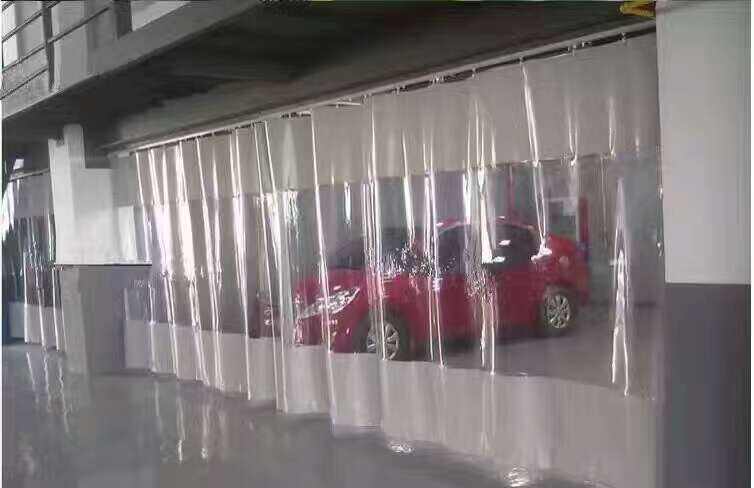
Selecting the right door paint booth requires careful consideration of multiple design features that directly impact operational efficiency, finish quality, and long-term productivity. Professional door manufacturing facilities must balance airflow dynamics, filtration systems, lighting configurations, and workspace ergonomics to achieve consistent, high-quality results. Understanding these critical design elements ensures optimal paint application while maintaining safety standards and regulatory compliance across industrial painting operations.
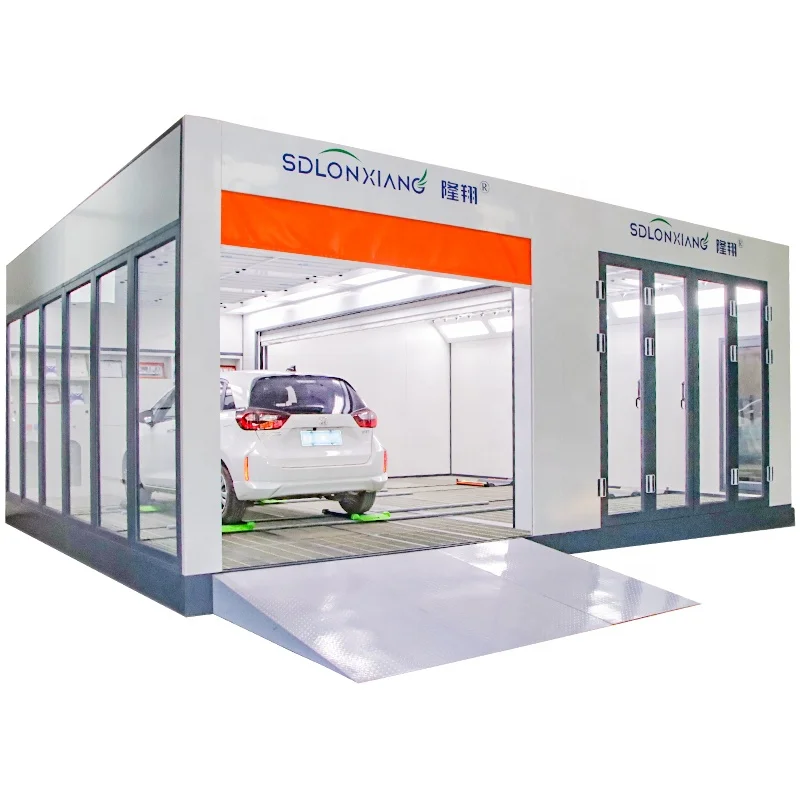
Airflow System Design and Configuration
Downdraft vs Cross-Draft Airflow Patterns
The airflow pattern within a door paint booth fundamentally determines coating quality and overspray management. Downdraft systems provide superior paint finish consistency by drawing contaminated air downward through floor gratings, preventing particles from settling on freshly painted surfaces. This vertical airflow eliminates the risk of overspray recirculation that commonly occurs in cross-draft configurations, making downdraft systems the preferred choice for high-end door finishing operations.
Cross-draft airflow patterns, while more economical to install, create horizontal air movement that can cause finish defects on vertical door surfaces. However, modified cross-draft designs with proper baffle systems can achieve acceptable results for certain door types and production volumes. The key consideration is matching airflow velocity to door dimensions and paint viscosity requirements while maintaining consistent pressure differentials throughout the booth interior.
Air Velocity Control and Uniformity
Optimal air velocity in a door paint booth typically ranges between 75-125 feet per minute, depending on coating material and application method. Uniform velocity distribution prevents turbulence that can cause finish irregularities, overspray patterns, and contamination issues. Advanced door paint booth designs incorporate variable frequency drives that allow precise velocity adjustment based on specific coating requirements and environmental conditions.
Velocity uniformity across the entire door surface requires careful plenum design and diffuser selection. Professional installations utilize computational fluid dynamics modeling to optimize air distribution patterns, ensuring consistent coverage from top to bottom and edge to edge. This attention to airflow uniformity directly correlates with reduced rework rates and improved production efficiency in commercial door manufacturing environments.
Filtration Technology and Contamination Control
Multi-Stage Filtration Systems
Effective filtration in a door paint booth involves multiple stages designed to capture different particle sizes and contaminant types. Primary filtration typically employs progressive density media that removes larger particles while maintaining airflow efficiency. Secondary filtration focuses on fine particulates that can cause surface defects, utilizing HEPA or near-HEPA efficiency filters depending on finish quality requirements.
Advanced door paint booth installations incorporate activated carbon filtration for volatile organic compound removal, particularly important when applying solvent-based coatings. This multi-stage approach ensures clean air circulation while extending filter life and reducing maintenance costs. Filter monitoring systems provide real-time pressure differential readings, enabling predictive maintenance scheduling that prevents unexpected production interruptions.
Exhaust Air Treatment and Environmental Compliance
Modern door paint booth designs must address increasingly stringent environmental regulations regarding air emissions and volatile organic compounds. Thermal oxidizers, recuperative thermal oxidizers, and regenerative thermal oxidizers represent the primary technologies for destroying paint vapors before atmospheric release. The selection depends on production volume, coating types, and local regulatory requirements.
Catalytic oxidation systems offer energy-efficient alternatives for lower temperature applications, while dry filtration systems provide cost-effective solutions for operations with minimal solvent usage. Proper exhaust treatment not only ensures regulatory compliance but can also provide energy recovery opportunities that reduce overall operating costs. Integration with building heating systems allows captured thermal energy to offset facility heating requirements during colder months.
Lighting Design and Color Accuracy
Illumination Intensity and Distribution
Proper lighting in a door paint booth enables accurate color matching, defect detection, and consistent application techniques. Industry standards typically require minimum illumination levels of 1000 lux at the work surface, with many high-end installations providing 1500-2000 lux for critical color matching applications. Light distribution must be uniform across all door surfaces to prevent shadows that can hide application defects or color variations.
LED lighting technology has revolutionized door paint booth illumination by providing consistent color temperature, reduced heat generation, and extended service life. Full-spectrum LED arrays eliminate the color shift issues associated with traditional fluorescent systems while reducing energy consumption by up to 60%. Proper fixture placement prevents glare that can interfere with operator visibility and ensures adequate illumination of door edges and recessed areas.
Color Temperature and Spectral Quality
Color temperature selection significantly impacts paint color accuracy and quality assessment capabilities within a door paint booth. Standard daylight simulation requires color temperatures between 5000K-6500K, matching natural outdoor lighting conditions where painted doors will ultimately be viewed. This consistency enables accurate color evaluation during application and final inspection processes.
High color rendering index values above 90 ensure that all paint colors appear true to their intended specifications. Specialized color matching installations may incorporate multiple lighting zones with different color temperatures, allowing evaluation under various lighting conditions. This comprehensive approach reduces color rejection rates and ensures customer satisfaction with finished door products across diverse installation environments.
Workspace Ergonomics and Operator Safety
Door Handling and Positioning Systems
Efficient door paint booth operations require ergonomic handling systems that accommodate various door sizes while maintaining operator safety and comfort. Overhead monorail systems with adjustable height capabilities allow operators to position doors at optimal working heights, reducing physical strain and improving coating consistency. Pneumatic or electric height adjustment enables quick repositioning without interrupting production flow.
Rotating door fixtures facilitate complete coverage access while maintaining proper spray distances and angles. These systems must provide secure door clamping while allowing easy loading and unloading procedures. Integration with booth automation systems can synchronize door movement with application equipment, creating consistent coating patterns and reducing operator fatigue during high-volume production runs.
Safety Systems and Emergency Procedures
Comprehensive safety systems in a door paint booth include explosion-proof electrical components, automatic fire suppression, and emergency shutdown procedures. Properly designed electrical systems utilize Class I, Division 1 rated components in areas where flammable vapors may be present. Ground fault circuit interrupters and bonding systems prevent static electricity buildup that could ignite solvent vapors during painting operations.
Emergency ventilation systems maintain safe air circulation even during power failures, preventing dangerous vapor accumulation. Deluge sprinkler systems specifically designed for paint booth environments use water-based suppressants that won't spread flammable liquids. Training protocols ensure operators understand evacuation procedures, equipment shutdown sequences, and emergency communication systems integrated throughout the door paint booth facility.
Temperature and Humidity Control Systems
Climate Control for Optimal Coating Performance
Precise temperature and humidity control within a door paint booth ensures consistent coating flow, adhesion, and cure characteristics. Temperature variations can cause coating viscosity changes that affect spray patterns and film thickness distribution. Maintaining temperatures between 65-75°F with minimal variation prevents application issues while ensuring operator comfort during extended painting sessions.
Humidity control prevents moisture-related coating defects such as blushing, poor adhesion, and extended cure times. Relative humidity levels between 40-60% provide optimal conditions for most coating systems while preventing static electricity buildup on door surfaces. Integrated dehumidification systems remove excess moisture during humid conditions while humidification systems prevent overly dry conditions that can cause rapid solvent evaporation and spray gun clogging.
Energy Recovery and Efficiency Optimization
Modern door paint booth climate control systems incorporate energy recovery technologies that capture heat from exhaust air to preheat incoming fresh air. Heat recovery ventilators can reduce heating costs by 50-70% while maintaining proper air quality and temperature control. Variable speed fan systems adjust airflow based on actual booth occupancy and coating requirements, further reducing energy consumption.
Thermal mass systems store excess heat during peak production periods for use during low-activity times or overnight maintenance operations. Integration with building automation systems optimizes overall facility energy usage while maintaining precise environmental control within the door paint booth. These efficiency measures provide significant operating cost reductions while supporting corporate sustainability initiatives and environmental compliance objectives.
Booth Size and Configuration Considerations
Dimensional Requirements for Various Door Types
Door paint booth dimensions must accommodate the largest doors in production while providing adequate clearance for equipment access and operator movement. Standard residential doors require minimum booth dimensions of 10 feet wide by 8 feet high by 20 feet long, while commercial and industrial doors may require significantly larger spaces. Ceiling height considerations include spray gun reach, overhead conveyors, and ventilation equipment clearances.
Multi-door configurations require careful spacing calculations to prevent overspray contamination between adjacent doors. Retractable or movable partition systems allow booth reconfiguration for different door sizes and production requirements. Modular door paint booth designs provide expansion capability as production volumes grow, enabling incremental capacity increases without complete facility reconstruction.
Production Flow and Throughput Optimization
Booth configuration significantly impacts production throughput and workflow efficiency in door manufacturing operations. Single-pass configurations maximize speed for high-volume production, while recirculating systems provide flexibility for custom or small-batch door finishing. Entry and exit door designs must accommodate material handling equipment while maintaining proper booth pressurization and contamination control.
Automated door tracking systems coordinate with booth ventilation and lighting controls to optimize energy usage based on actual production schedules. Integration with plant-wide manufacturing execution systems provides real-time production monitoring and quality tracking capabilities. These advanced control systems enable lean manufacturing principles while maintaining the precise environmental conditions required for consistent door paint booth performance.
FAQ
What is the optimal air velocity for a door paint booth?
The optimal air velocity for a door paint booth typically ranges between 75-125 feet per minute, depending on the specific coating materials and application methods used. This velocity range provides sufficient overspray capture while preventing turbulence that could cause finish defects. Higher velocities may be necessary for high-transfer-efficiency spray guns, while lower velocities work well with conventional spray equipment and lighter coating materials.
How often should filters be changed in a door paint booth?
Filter replacement frequency in a door paint booth depends on production volume, coating types, and environmental conditions, but typically ranges from 2-6 months for intake filters and 6-12 months for exhaust filters. Monitoring differential pressure across filter banks provides the most accurate indication of replacement timing. Pressure differentials exceeding manufacturer specifications indicate reduced efficiency and increased energy consumption, signaling the need for filter replacement regardless of elapsed time.
What lighting color temperature is best for accurate color matching in a door paint booth?
The best lighting color temperature for accurate color matching in a door paint booth is between 5000K-6500K, which simulates natural daylight conditions. This color temperature range provides the most accurate color representation and allows operators to evaluate paint colors as they will appear in typical installation environments. High color rendering index values above 90 are equally important to ensure all paint colors appear true to their intended specifications.
Can a door paint booth be used for other products besides doors?
Yes, a door paint booth can typically accommodate other similar-sized products such as window frames, cabinet doors, furniture panels, and architectural millwork. The key consideration is ensuring the booth dimensions and handling systems can safely accommodate the alternative products while maintaining proper airflow patterns and operator access. Some modifications to hanging systems or work surfaces may be necessary, but the basic booth infrastructure remains suitable for various flat panel and frame-type products.