spray booth fan
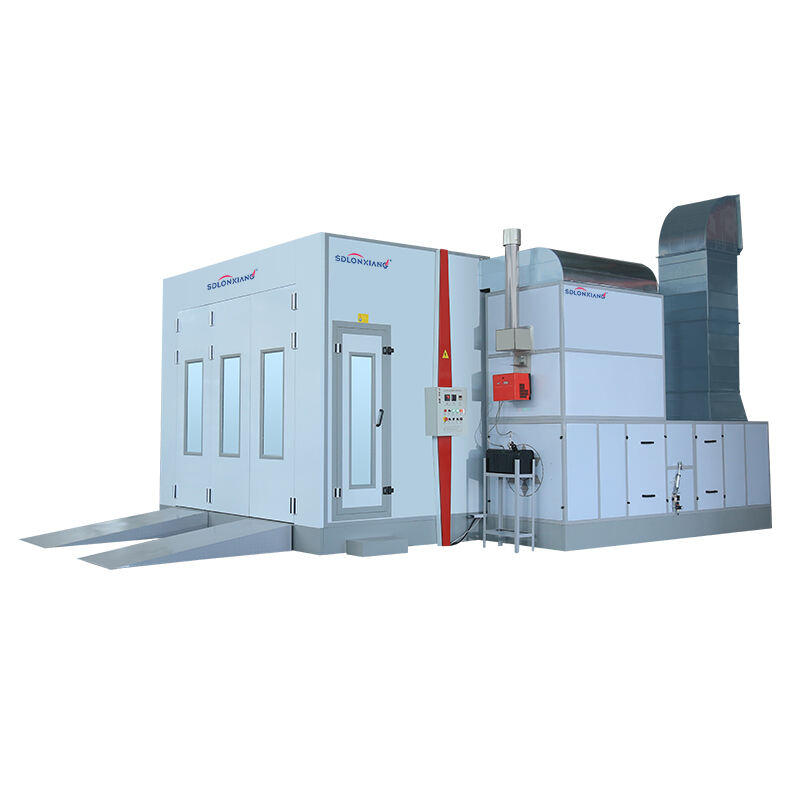
A spray booth fan serves as the cornerstone of any professional painting or coating operation, providing essential ventilation and airflow management that ensures optimal working conditions and superior finish quality. These specialized ventilation systems are engineered to create controlled air movement patterns within enclosed spray environments, effectively removing overspray particles, fumes, and volatile organic compounds from the workspace. The spray booth fan operates by generating consistent airflow that captures airborne contaminants at their source, preventing them from settling on freshly painted surfaces or creating health hazards for operators. Modern spray booth fan systems incorporate advanced motor technology and aerodynamic blade designs that maximize air movement efficiency while minimizing energy consumption. The primary function of a spray booth fan extends beyond simple ventilation, encompassing precise air velocity control that influences paint atomization, overspray capture, and cure times. These systems typically feature variable speed controls that allow operators to adjust airflow rates based on specific coating requirements and environmental conditions. The technological architecture of a spray booth fan includes corrosion-resistant materials, explosion-proof electrical components, and specialized filtration interfaces that ensure safe operation in potentially hazardous environments. Applications for spray booth fan systems span across automotive refinishing, industrial manufacturing, aerospace coating, furniture finishing, and architectural painting projects. Each application demands specific performance characteristics, with automotive spray booth fan installations requiring different airflow patterns compared to industrial coating operations. The integration of spray booth fan technology with exhaust systems creates negative pressure environments that prevent contamination migration and ensure compliance with environmental regulations. These ventilation solutions are essential for maintaining consistent temperature and humidity levels that directly impact coating adhesion and appearance quality.

 EN
EN