Integrated Workflow Optimization Design
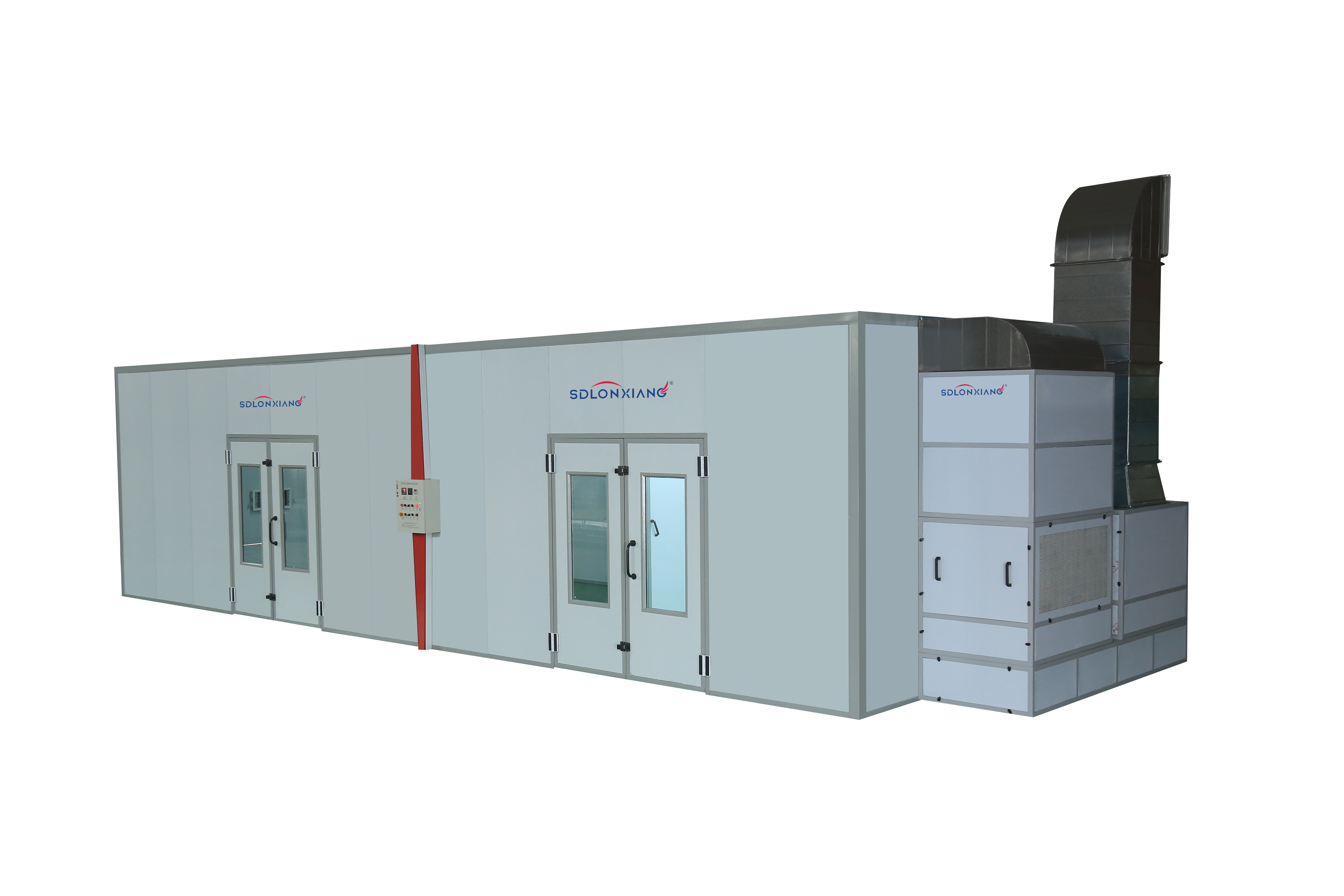
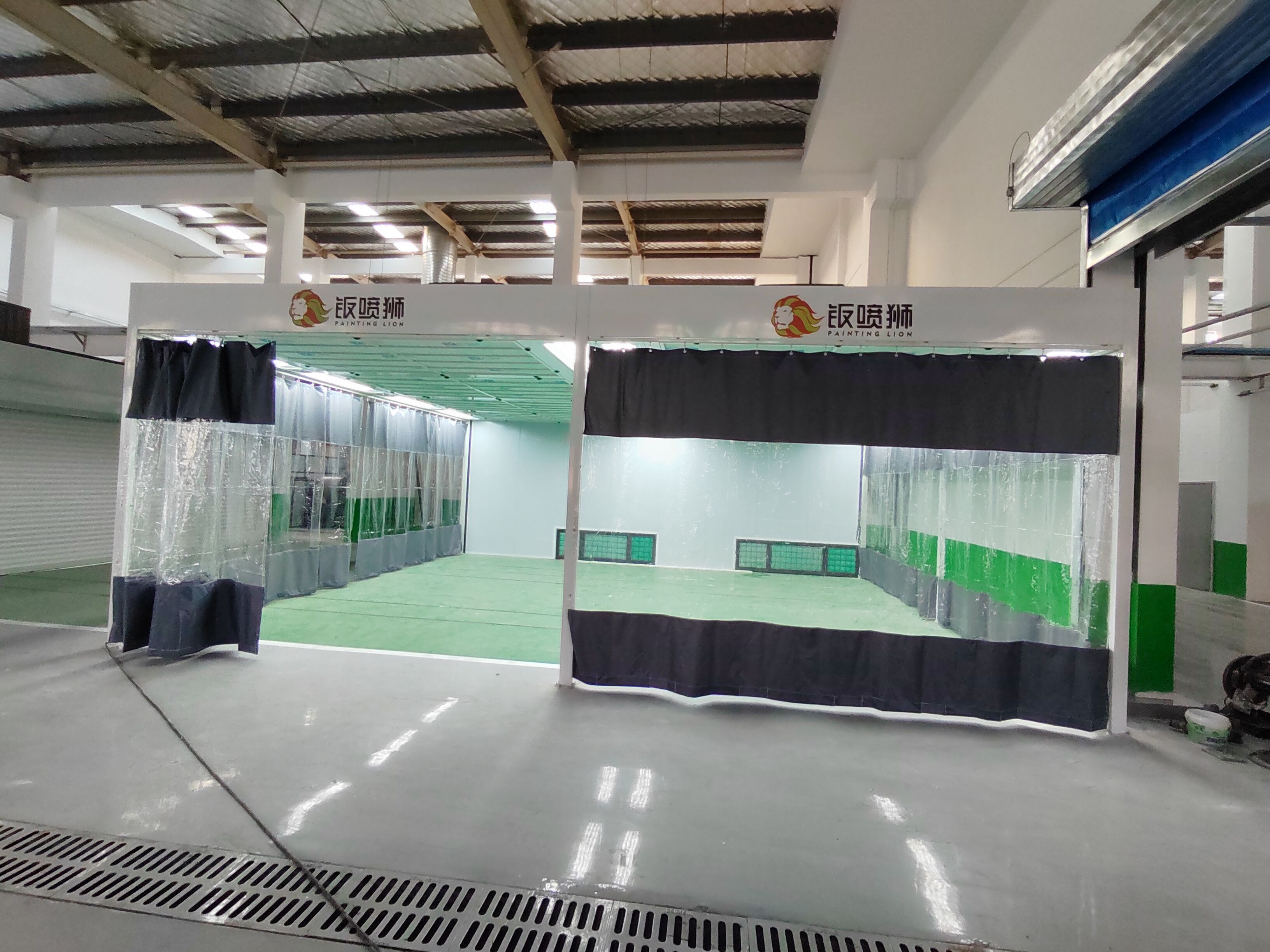
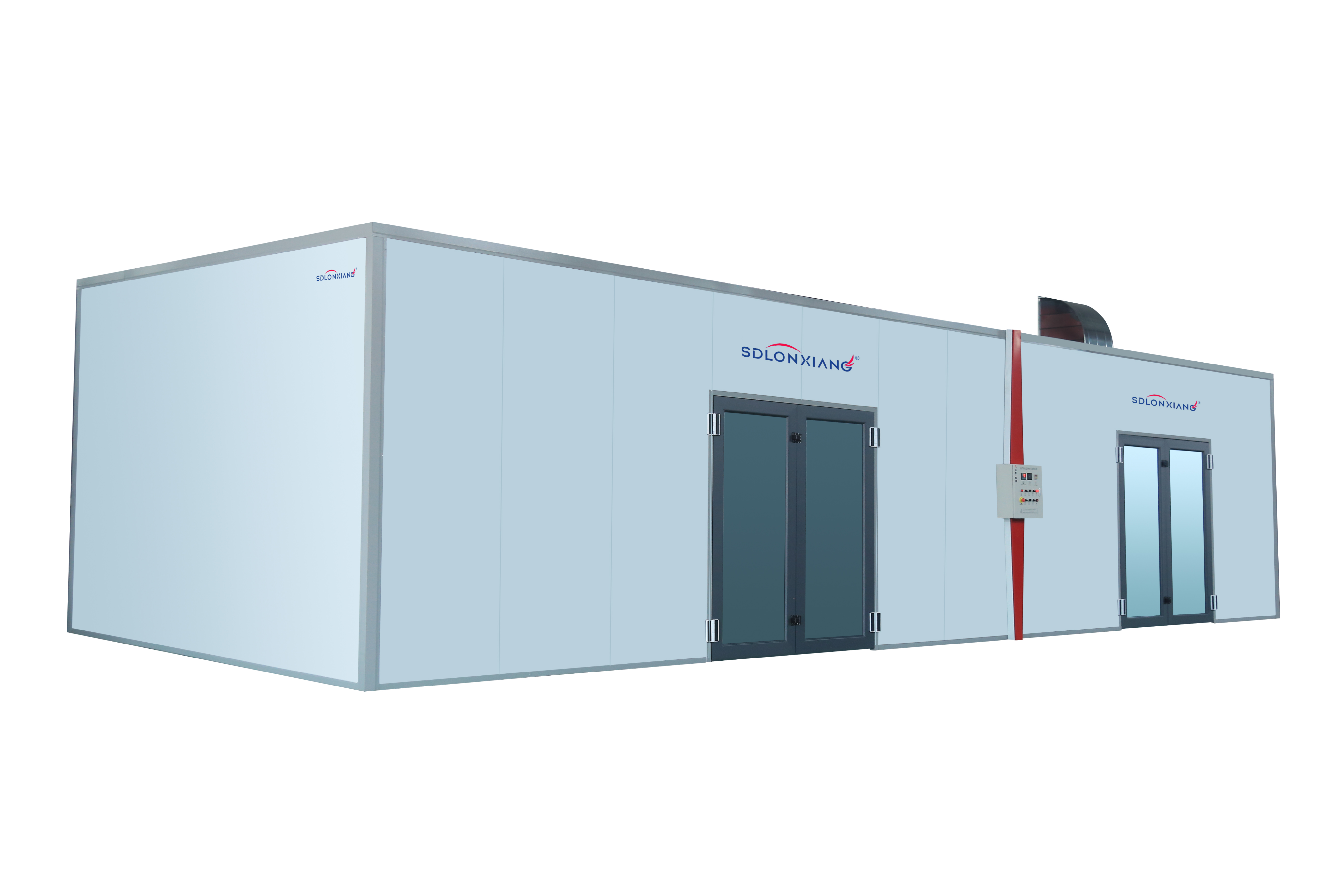
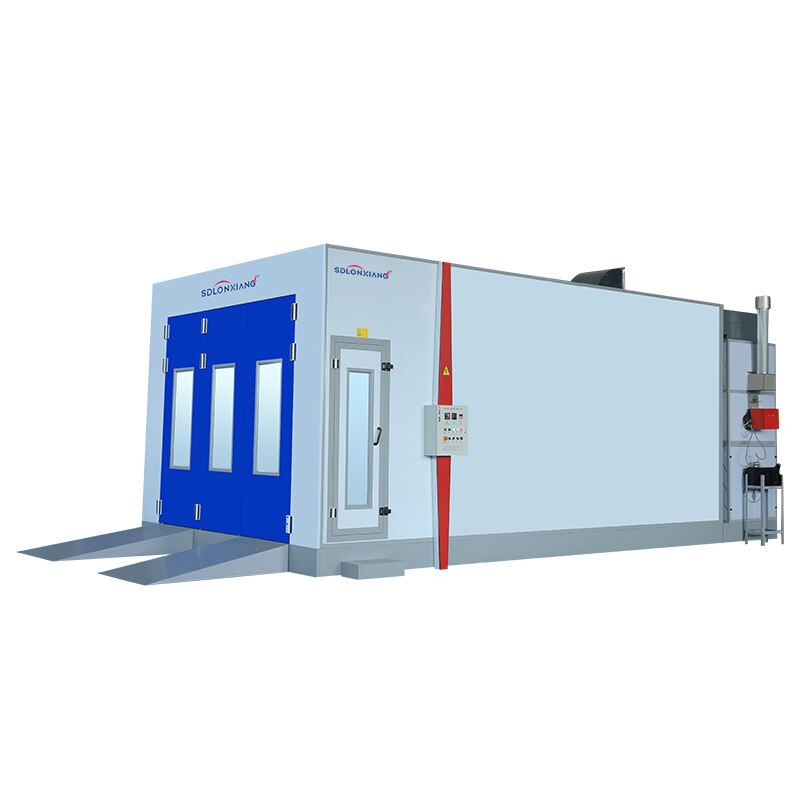
The prep station paint booth features an integrated workflow optimization design that streamlines operations from initial surface preparation through final quality inspection, maximizing productivity while maintaining consistent results. This intelligent layout incorporates dedicated zones for each stage of the finishing process, including cleaning stations, surface preparation areas, masking zones, and application chambers. The linear workflow design eliminates backtracking and reduces handling time, while ergonomic workstation positioning minimizes operator fatigue and repetitive stress injuries. Adjustable fixtures and tooling accommodate various part sizes and configurations without requiring extensive setup changes, enabling quick transitions between different products or customer orders. The prep station paint booth workflow design includes integrated material handling systems such as overhead conveyors, floor-mounted tracks, or robotic transfer mechanisms that move parts automatically between process stages. This automation reduces labor requirements while ensuring consistent positioning and orientation for optimal coating coverage. Smart scheduling systems coordinate multiple workstations to prevent bottlenecks and maintain steady production flow throughout the facility. Real-time monitoring displays provide operators with instant visibility into production status, quality metrics, and system performance indicators. The integrated design also incorporates quality control checkpoints at critical stages, allowing early detection and correction of potential issues before they impact final product quality. Digital documentation systems automatically record process parameters, operator actions, and inspection results for complete traceability and compliance reporting. The prep station paint booth workflow optimization extends to maintenance operations through accessible service panels, diagnostic systems, and predictive maintenance algorithms that schedule interventions based on actual usage patterns rather than arbitrary time intervals. Training systems built into the control interface help new operators learn proper procedures quickly while ensuring consistent application of best practices across all shifts. This comprehensive approach to workflow optimization delivers measurable improvements in throughput, quality consistency, and operational efficiency while reducing training time and operational complexity for sustained competitive advantage.

 EN
EN