Integrated Safety and Compliance Features
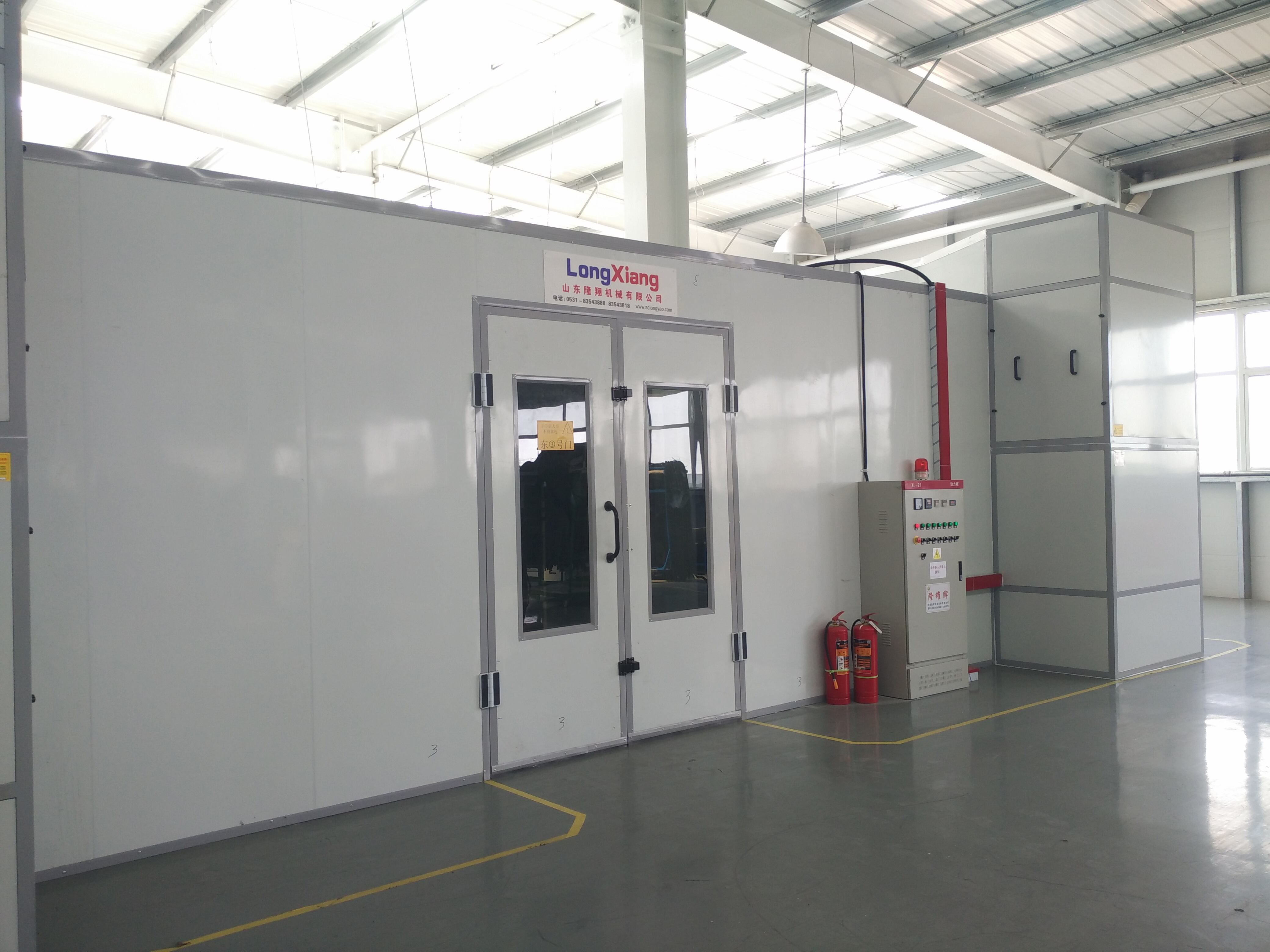
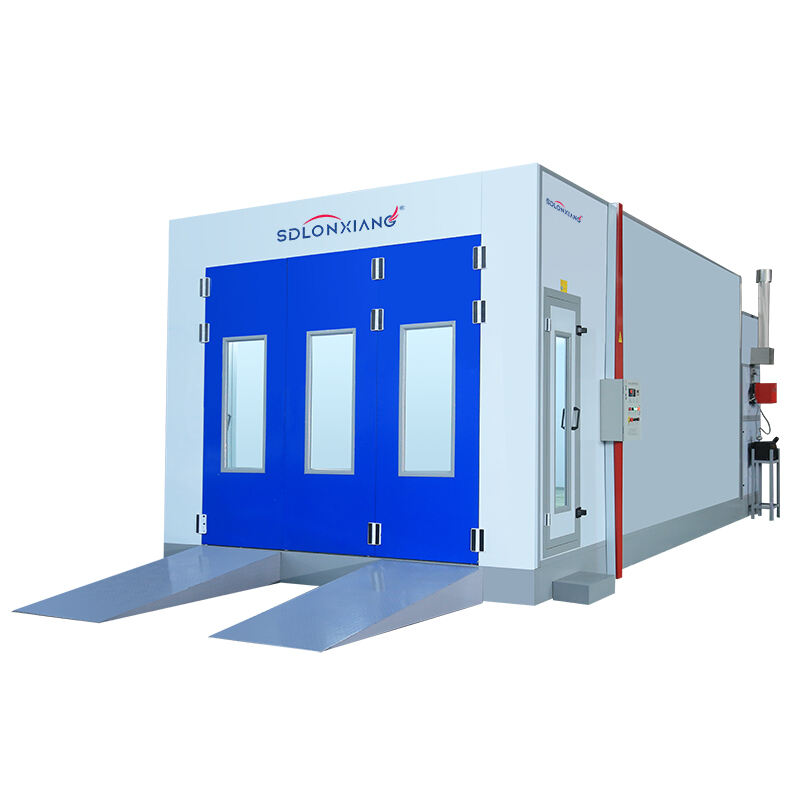
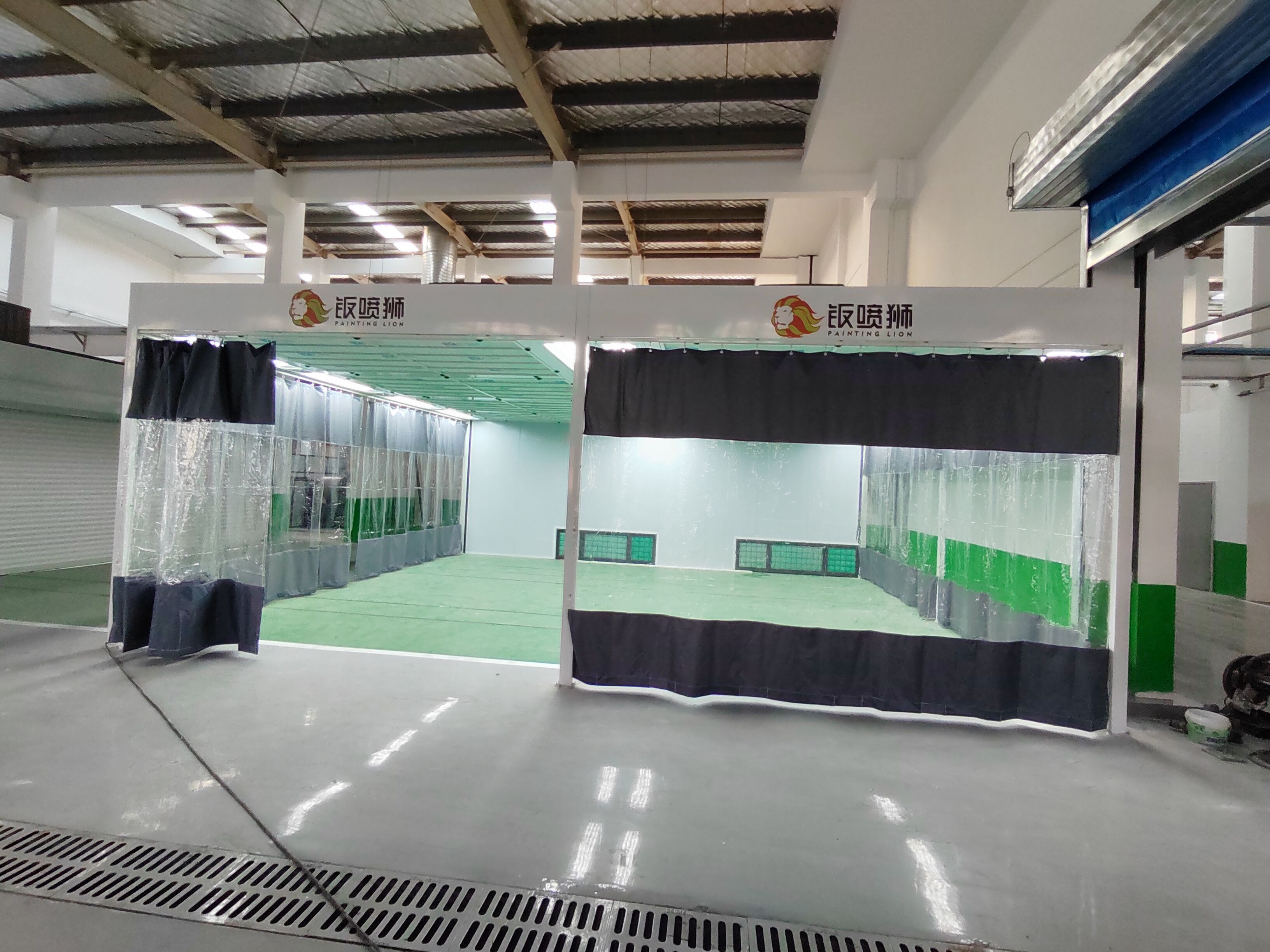
Comprehensive safety and compliance features integrated throughout every large spray booth system ensure worker protection, environmental responsibility, and regulatory adherence while maintaining optimal production efficiency and quality standards. These sophisticated safety mechanisms begin with explosion-proof electrical components designed specifically for hazardous environments, utilizing sealed enclosures and intrinsically safe circuits that eliminate ignition sources in areas where flammable vapors may accumulate. The integrated fire suppression system employs multiple detection technologies including heat sensors, smoke detectors, and flame monitoring devices that trigger immediate response protocols through water spray, foam, or dry chemical systems depending on specific booth configuration and coating materials. Emergency shutdown procedures are strategically distributed throughout the workspace, allowing operators to instantly halt all booth functions while maintaining ventilation systems that continue removing hazardous atmospheres. The large spray booth compliance framework addresses environmental regulations through sophisticated emission control technology that captures, filters, and treats exhaust streams before atmospheric release, ensuring adherence to air quality standards and avoiding regulatory penalties. Waste management systems integrate directly with coating application processes, automatically collecting overspray materials and contaminated media for proper disposal or recycling, reducing environmental impact while streamlining operational procedures. Worker protection extends beyond atmospheric controls through integrated lighting systems that provide optimal visibility without creating heat sources, non-slip flooring materials that prevent accidents in wet conditions, and ergonomic design elements that reduce operator fatigue during extended work sessions. The safety framework includes comprehensive monitoring systems that continuously track atmospheric conditions, equipment performance, and operator activities, providing real-time alerts when parameters exceed safe operating ranges. Training protocols are embedded within system design through intuitive controls, clear visual indicators, and standardized procedures that reduce learning requirements while maintaining safety awareness. Documentation capabilities support compliance audits and certification requirements through automated record-keeping systems that track operational parameters, maintenance activities, and safety incidents. The integrated approach ensures that safety and compliance considerations enhance rather than hinder production efficiency, creating work environments where operators can focus on quality craftsmanship while maintaining complete confidence in their personal safety and environmental responsibility.

 EN
EN