
 EN
EN
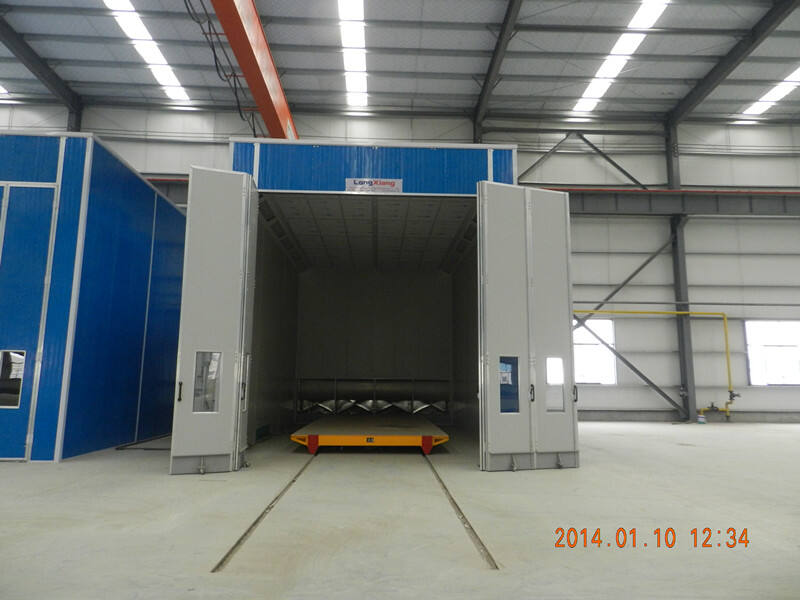
หนึ่ง ห้องพ่นสีอุตสาหกรรม หมายถึงการลงทุนด้านเงินทุนที่มีนัยสำคัญ และการคุ้มครองการลงทุนนั้นก็หมายความว่าต้องให้ความสนใจอย่างใกล้ชิดกับตัวแปรสิ่งแวดล้อมทุกตัวภายในห้องพ่นสี ซึ่งหนึ่งในตัวแปรเหล่านั้น ความชื้นเป็นภัยคุกคามที่ก่อให้เกิดความเสียหายรุนแรงที่สุดและมองเห็นได้ยากที่สุด เมื่อระดับความชื้นเปลี่ยนแปลงโดยไม่มีการควบคุม ผลกระทบที่ตามมาจะส่งผลต่อทุกขั้นตอนของกระบวนการเคลือบผิว — ตั้งแต่การยึดเกาะของพื้นผิวไปจนถึงความสม่ำเสมอของการแข็งตัว — และส่วนประกอบเชิงกลของห้องพ่นสีเองก็เริ่มเสื่อมสภาพก่อนที่ความเสียหายจะปรากฏชัดเจนเสียอีก ด้วยการติดตั้ง หน่วยควบคุมความชื้น ไม่ใช่เพียงแค่การยกระดับคุณภาพเท่านั้น แต่ยังเป็นมาตรการป้องกันที่ส่งผลโดยตรงต่อระยะเวลาที่ห้องพ่นสีของคุณสามารถทำงานได้เต็มประสิทธิภาพ

คำตอบสั้นๆ คือใช่ — หน่วยควบคุมความชื้นที่ติดตั้งอย่างเหมาะสมจะยืดอายุการใช้งานของห้องพ่นสีอุตสาหกรรมได้จริง และเหตุผลนั้นมีมากกว่าตรรกะพื้นผิวเพียงอย่างเดียว ความชื้นมีปฏิกิริยากับตัวกรอง พัดลม ระบบไฟฟ้า แผงโครงสร้าง และสารเคมีสำหรับเคลือบผิว ซึ่งส่งผลให้เกิดการสึกหรอเร็วขึ้นและทำให้เกิดความล้มเหลวก่อนกำหนด การเข้าใจอย่างถ่องแท้ว่าปรากฏการณ์นี้เกิดขึ้นอย่างไร และหน่วยควบคุมความชื้นทำหน้าที่หยุดยั้งเส้นทางความล้มเหลวดังกล่าวอย่างไร จึงช่วยให้ผู้จัดการสถานที่และวิศวกรด้านการผลิตมีหลักฐานที่จำเป็นในการพิสูจน์ความคุ้มค่าของการลงทุนนี้อย่างมั่นใจ
ผลกระทบของความชื้นที่ไม่ได้รับการควบคุมต่อห้องพ่นสีอุตสาหกรรม
ความชื้นกับการเสื่อมสภาพของโครงสร้าง
พื้นผิวด้านในของห้องพ่นสีอุตสาหกรรม — รวมถึงแผงผนัง ตะแกรงพื้น แผ่นกันสะท้อนบนเพดาน และช่องระบายอากาศ — ถูกสัมผัสกับการพ่นสีเกินขอบเขต ไอสารทำละลาย และอากาศรอบข้างอย่างต่อเนื่อง เมื่อความชื้นสัมพัทธ์สูง ความชื้นจะควบแน่นบนพื้นผิวเหล่านี้และรวมตัวกับคราบสีที่ตกค้างเพื่อสร้างฟิล์มกัดกร่อนซึ่งรุนแรงกว่าคราบสีที่พ่นเกินขอบเขตแบบแห้งเพียงอย่างเดียวมาก ตลอดระยะเวลาหนึ่ง ฟิล์มนี้จะแทรกซึมผ่านชั้นเคลือบป้องกันบนแผงเหล็ก ก่อให้เกิดสนิม และทำให้รอยต่อโครงสร้างอ่อนแอลง
หากไม่มีหน่วยควบคุมความชื้นในการจัดการระดับความชื้น กระบวนการเสื่อมสภาพนี้จะดำเนินต่อเนื่องโดยไม่หยุดชะงักทั้งระหว่างกะการทำงานและในช่วงเปลี่ยนผ่านตามฤดูกาล เมื่อความชื้นภายนอกเพิ่มสูงขึ้น โดยสถานที่ตั้งในเขตชายฝั่งหรือพื้นที่ที่มีความชื้นสูง มักรายงานว่าเกิดการกัดกร่อนของแผงโครงสร้างเร่งตัวขึ้นอย่างเห็นได้ชัดภายในไม่กี่ปีแรกของการใช้งาน หากไม่มีระบบจัดการความชื้นติดตั้งไว้ ความสมบูรณ์เชิงโครงสร้างของห้องพ่นสีจะเสื่อมถอยลงอย่างค่อยเป็นค่อยไป และเมื่อปรากฏคราบรอยสนิมหรือการบิดงอที่มองเห็นได้ด้วยตาเปล่า ความเสียหายที่แท้จริงภายใต้พื้นผิวได้ลุกลามไปมากแล้ว
หน่วยควบคุมความชื้นรักษาระดับความชื้นสัมพัทธ์ (Relative Humidity: RH) ให้อยู่ภายในช่วงที่กำหนดสำหรับการปฏิบัติงาน — โดยทั่วไปอยู่ระหว่าง 40% ถึง 60% RH — ซึ่งช่วยป้องกันไม่ให้เกิดการควบแน่นบนพื้นผิวด้านใน หนึ่งมาตรการนี้เพียงอย่างเดียวสามารถชะลอวงจรการกัดกร่อนได้อย่างมีนัยสำคัญ และรักษาส่วนประกอบเชิงโครงสร้างที่กำหนดอายุการใช้งานของห้องพ่นสีไว้
ผลกระทบต่อระบบกรองและส่วนประกอบการไหลเวียนของอากาศ
ตัวกรองอากาศเข้าและอากาศออกเป็นหนึ่งในวัสดุสิ้นเปลืองที่ต้องเปลี่ยนบ่อยที่สุดในห้องพ่นสีอุตสาหกรรมทุกประเภท แต่ความชื้นในอากาศที่สูงเกินไปจะเร่งการเสื่อมสภาพของตัวกรองให้รุนแรงกว่าอัตราการสึกหรอตามปกติอย่างมาก เมื่ออากาศชื้นไหลผ่านตัวกรอง ใยของตัวกรองจะดูดซับความชื้นและมีน้ำหนักเพิ่มขึ้น ส่งผลให้ประสิทธิภาพการไหลของอากาศลดลง และทำให้แรงดันสถิตที่ตกคร่อมพัดลมระบายอากาศเพิ่มสูงขึ้น นอกจากนี้ ตัวกรองที่อิ่มตัวด้วยความชื้นยังกลายเป็นแหล่งเพาะพันธุ์จุลินทรีย์ ซึ่งก่อให้เกิดความเสี่ยงต่อการปนเปื้อนในสภาพแวดล้อมการตกแต่งผิว
มอเตอร์พัดลมและระบบขับเคลื่อนก็มีความเสี่ยงต่อความเสียหายเท่าเทียมกัน ตลับลูกปืนที่สัมผัสกับอากาศชื้นจะเกิดการออกซิเดชันบนผิวหน้า ซึ่งทำให้แรงเสียดทานและปริมาณความร้อนที่เกิดขึ้นเพิ่มสูงขึ้น ส่งผลให้อายุการใช้งานของตลับลูกปืนสั้นลงอย่างมีนัยสำคัญ ส่วนขดลวดไฟฟ้าในมอเตอร์พัดลมจะดูดซับความชื้นเข้าไปตามระยะเวลา ทำให้ค่าความต้านทานฉนวนลดลง และเพิ่มความเสี่ยงต่อความล้มเหลวของขดลวด หน่วยควบคุมความชื้นจะช่วยลดภาระความชื้นที่กระทำต่อชิ้นส่วนทั้งหมดเหล่านี้ จึงยืดระยะเวลาระหว่างการบำรุงรักษาไส้กรอง และลดความถี่ในการเปลี่ยนมอเตอร์และตลับลูกปืน
การประหยัดค่าใช้จ่ายด้านการบำรุงรักษาโดยรวมจากการปกป้องชิ้นส่วนระบบกรองและระบบไหลเวียนอากาศเพียงอย่างเดียว สามารถชดเชยต้นทุนของหน่วยควบคุมความชื้นได้ภายในระยะเวลาการดำเนินงานที่ค่อนข้างสั้น ทำให้เหตุผลเรื่องอายุการใช้งานนั้นมีทั้งมิติทางเทคนิคและมิติด้านการเงิน
บทบาทของหน่วยควบคุมความชื้นต่อประสิทธิภาพของการเคลือบผิวและความเครียดที่เกิดกับอุปกรณ์
เคมีของสารเคลือบผิวและความต้องการในรอบการอบแห้ง
ระบบการเคลือบทุกระบบ — ไม่ว่าจะเป็นแบบที่ใช้ตัวทำละลาย แบบน้ำ หรือแบบผง — ล้วนมีช่วงความชื้นสัมพัทธ์ที่กำหนดไว้ซึ่งระบบสามารถทำงานได้ตามสูตรที่ออกแบบไว้ เมื่อความชื้นสัมพัทธ์ในบรรยากาศภายในห้องพ่นสีเกินช่วงที่กำหนด ปฏิกิริยาเคมีในการแข็งตัวของสารเคลือบจะถูกรบกวน โดยเฉพาะสารเคลือบที่ใช้น้ำ ซึ่งอาศัยอัตราการระเหยที่ควบคุมได้อย่างแม่นยำ ซึ่งสัมพันธ์โดยตรงกับความชื้นสัมพัทธ์ ความชื้นสูงจะชะลอการระเหย เพิ่มระยะเวลาในการรอให้สารระเหยออก (flash-off time) และบังคับให้ผู้ปฏิบัติงานต้องใช้รอบเวลาการอบแห้งที่ยาวนานขึ้น หรือเพิ่มอุณหภูมิในเตาอบเพื่อชดเชย
มาตรการชดเชยเหล่านี้ส่งผลให้ระบบทำความร้อน ชิ้นส่วนหัวเผา และพัดลมหมุนเวียนอากาศของห้องพ่นสีต้องรับภาระความร้อนและแรงกลเพิ่มเติม การดำเนินรอบการอบแห้งเป็นเวลานานขึ้นหมายถึงชิ้นส่วนกลทั้งหมดจะทำงานนานขึ้นต่อหนึ่งหน่วยการผลิต ซึ่งเร่งอัตราการสึกหรอทั่วทั้งระบบ หน่วยควบคุมความชื้นสามารถกำจัดความจำเป็นในการใช้มาตรการชดเชยเหล่านี้ได้ โดยรักษาสภาพแวดล้อมให้อยู่ภายในช่วงเงื่อนไขที่เหมาะสมที่สุดสำหรับการเคลือบผิว ทำให้รอบการอบแห้งสามารถดำเนินการได้ตามพารามิเตอร์ที่ออกแบบไว้โดยไม่ทำให้อุปกรณ์ทำงานหนักเกินไป
ความสัมพันธ์ระหว่างประสิทธิภาพของการเคลือบผิวกับภาระที่กระทำต่ออุปกรณ์มักถูกมองข้ามในการอภิปรายเรื่องอายุการใช้งาน แต่กลับเป็นหนึ่งในกลไกโดยตรงที่สุดที่หน่วยควบคุมความชื้นช่วยยืดอายุการใช้งานของห้องพ่นสี ภาวะแวดล้อมที่สม่ำเสมอส่งผลให้เวลาในการดำเนินรอบการผลิตคงที่ และเวลาในการดำเนินรอบที่คงที่นี้เองก็ส่งผลให้อัตราการสึกหรอมีความคาดการณ์ได้และควบคุมได้
ความเปราะบางของระบบไฟฟ้าและระบบควบคุม
ห้องพ่นสีอุตสาหกรรมสมัยใหม่ใช้ระบบควบคุมที่ซับซ้อน ได้แก่ คอนโทรลเลอร์แบบเขียนโปรแกรมได้ (PLC), อินเวอร์เตอร์ความถี่แปรผัน, เซ็นเซอร์วัดอุณหภูมิ, เครื่องแปลงสัญญาณความดัน และระบบแสงสว่าง ซึ่งทั้งหมดนี้ไวต่อการรั่วซึมของความชื้น สภาพแวดล้อมที่มีความชื้นสูงเร่งกระบวนการออกซิเดชันบนขั้วต่อไฟฟ้า ส่งเสริมการเกิดหยดน้ำควบแน่นภายในตู้ควบคุม และทำให้ฉนวนหุ้มสายไฟเสื่อมคุณภาพ ผลกระทบทั้งหมดนี้มีลักษณะสะสมและมักมองไม่เห็นจนกว่าชิ้นส่วนใดชิ้นหนึ่งจะล้มเหลวอย่างไม่คาดฝันระหว่างการผลิต
หน่วยควบคุมความชื้นสร้างสภาพแวดล้อมทางบรรยากาศที่มีเสถียรภาพ ซึ่งช่วยปกป้องทรัพย์สินทางไฟฟ้าเหล่านี้ แผงควบคุมและอาร์เรย์ของเซ็นเซอร์ที่ทำงานภายในช่วงความชื้นที่แนะนำจะรักษาความแม่นยำของการสอบเทียบได้นานขึ้น ต้องเปลี่ยนทดแทนแบบไม่ได้วางแผนไว้น้อยลง และส่งผลให้ประสิทธิภาพการทำงานของห้องพ่นสีมีความน่าเชื่อถือมากขึ้นตลอดอายุการใช้งานเต็มรูปแบบของอุปกรณ์ สำหรับสถานที่ที่ดำเนินการแบบหลายกะ การลดเวลาหยุดทำงานโดยไม่ได้วางแผนไว้ซึ่งเกิดจากความล้มเหลวของระบบไฟฟ้าที่เกี่ยวข้องกับความชื้น ถือเป็นประโยชน์ที่วัดค่าได้ในเชิงอายุการใช้งานของอุปกรณ์
ความสม่ำเสมอในการปฏิบัติงานและเศรษฐศาสตร์ด้านการบำรุงรักษาในระยะยาว
ช่วงการบำรุงรักษาที่คาดการณ์ได้
หนึ่งในข้อดีของการติดตั้งระบบควบคุมความชื้นที่มักไม่ได้รับการพูดถึงมากนัก คือ ผลกระทบต่อการวางแผนการบำรุงรักษา เมื่อความชื้นไม่ได้รับการควบคุม อัตราการสึกหรอของไส้กรอง พัดลม แบริ่ง และชิ้นส่วนโครงสร้างจะเปลี่ยนแปลงไปตามสภาพอากาศรายฤดูกาลและรายวัน ความแปรผันนี้ทำให้ยากต่อการจัดทำตารางการบำรุงรักษาเชิงป้องกันที่เชื่อถือได้ และสถานที่ต่างๆ มักพบว่าตนเองต้องตอบสนองต่อความล้มเหลวแทนที่จะป้องกันความล้มเหลวนั้นไว้ล่วงหน้า
เมื่อมีระบบควบคุมความชื้นที่รักษาสภาวะภายในให้คงที่ตลอดทั้งปี อัตราการสึกหรอก็จะสม่ำเสมอและคาดการณ์ได้มากขึ้น ทีมงานด้านการบำรุงรักษาจึงสามารถกำหนดช่วงเวลาการให้บริการที่แม่นยำได้โดยอิงจากสภาวะการใช้งานจริง แทนที่จะอาศัยสมมุติฐานแบบรัดกุมที่สุดในกรณีเลวร้ายที่สุด ความคาดการณ์ได้นี้ช่วยลดทั้งความถี่ของเหตุการณ์การบำรุงรักษาฉุกเฉิน และแนวโน้มในการบำรุงรักษาส่วนประกอบเกินความจำเป็น ซึ่งยังไม่ถึงจุดสิ้นสุดของอายุการใช้งานจริง จึงส่งผลให้การใช้จ่ายด้านการบำรุงรักษามีประสิทธิภาพสูงสุดตลอดอายุการใช้งานของห้องพ่นสี
สถานที่ต่าง ๆ ที่ติดตามค่าใช้จ่ายด้านการบำรุงรักษา ก่อนและหลังติดตั้งหน่วยควบคุมความชื้น รายงานอย่างสม่ำเสมอว่ามีการลดลงของค่าใช้จ่ายประจำปีสำหรับวัสดุสิ้นเปลือง โดยเฉพาะไส้กรองและชิ้นส่วนที่ไวต่อการหล่อลื่น ผลประหยัดเหล่านี้สะสมเพิ่มขึ้นเรื่อย ๆ ตลอดหลายปี และแสดงถึงการยืดอายุการใช้งานเชิงเศรษฐกิจของห้องพ่นสีอย่างเป็นรูปธรรม แม้ว่าส่วนประกอบทางกายภาพจะยังคงเหมือนเดิม
การปกป้องห้องพ่นสีในช่วงเวลาที่ไม่ได้ใช้งาน
ห้องพ่นสีอุตสาหกรรมไม่ได้ทำงานอย่างต่อเนื่องเสมอไป ช่วงวันหยุดสุดสัปดาห์ ช่วงที่การผลิตชะลอตัวตามฤดูกาล การหยุดดำเนินการตามแผน และการเปลี่ยนแปลงกระบวนการผลิต ล้วนก่อให้เกิดช่วงเวลาที่ห้องพ่นสีไม่ได้ใช้งาน ซึ่งในช่วงเวลานั้น ห้องพ่นสีจะถูกสัมผัสกับสภาพแวดล้อมภายนอกโดยไม่มีผลการป้องกันจากกระแสอากาศที่ไหลเวียนอย่างใช้งานจริง ระหว่างช่วงเวลาดังกล่าว ความชื้นที่ไม่ได้รับการควบคุมอาจก่อให้เกิดความเสียหายต่อห้องพ่นสีมากขึ้นต่อหนึ่งชั่วโมง เมื่อเทียบกับช่วงเวลาที่ใช้งานอยู่ เนื่องจากไม่มีกระแสอากาศที่จะพัดพาความชื้นออกจากพื้นผิวและส่วนประกอบต่าง ๆ
หน่วยควบคุมความชื้นที่ยังคงทำงานอยู่ในช่วงเวลาที่ไม่ได้ใช้งาน — หรือถูกตั้งค่าให้เปิด-ปิดแบบไซเคิลเมื่อระดับความชื้นเกินค่าเกณฑ์ที่กำหนดไว้ — จะให้การป้องกันอย่างต่อเนื่องโดยไม่ขึ้นกับสถานะการผลิต ซึ่งมีความสำคัญอย่างยิ่งสำหรับโรงงานที่ตั้งอยู่ในพื้นที่ที่มีความชื้นสูงตามฤดูกาล หรือมีการเปลี่ยนแปลงอุณหภูมิอย่างมากซึ่งก่อให้เกิดวงจรการควบแน่น ความสามารถในการปกป้องห้องพ่นสีในช่วงเวลาที่หยุดการใช้งาน ถือเป็นหนึ่งในคุณประโยชน์ที่มักถูกประเมินค่าต่ำเกินไปของหน่วยควบคุมความชื้น ทั้งที่มีบทบาทสำคัญต่อการยืดอายุการใช้งานโดยรวม
การประเมินการลงทุน: การยืดอายุการใช้งานเทียบกับต้นทุนการติดตั้ง
การวัดผลประโยชน์ด้านอายุการใช้งาน
การประมาณการระยะเวลาที่อายุการใช้งานของห้องพ่นสีจะยืดออกจากการติดตั้งหน่วยควบคุมความชื้น จำเป็นต้องพิจารณาผลรวมของการควบคุมทุกเส้นทางที่ทำให้เกิดความล้มเหลว ซึ่งได้แก่ การกัดกร่อนของโครงสร้าง การเสื่อมสภาพของไส้กรอง การสึกหรอของมอเตอร์และตลับลูกปืน การเสื่อมสภาพของระบบไฟฟ้า และความเครียดจากกระบวนการอบแห้ง (cure cycle) เส้นทางแต่ละเส้น หากไม่มีการจัดการอย่างเหมาะสม จะส่งผลให้อายุการใช้งานที่แท้จริงของห้องพ่นสีลดลง เมื่อพิจารณาโดยรวมแล้ว เส้นทางเหล่านี้อาจทำให้อายุการใช้งานเชิงปฏิบัติการของห้องพ่นสีสั้นลงหลายปี เมื่อเทียบกับสภาพแวดล้อมที่ควบคุมได้ดี
ข้อมูลการบำรุงรักษาอุตสาหกรรมอย่างต่อเนื่องแสดงให้เห็นว่าห้องพ่นสีที่ทำงานในสภาพแวดล้อมที่ควบคุมความชื้นได้จะต้องเปลี่ยนชิ้นส่วนหลักน้อยลง มีอัตราการซ่อมแซมโครงสร้างต่ำลง และสามารถรักษาคุณภาพของผิวเคลือบตามมาตรฐานได้นานขึ้น เมื่อเทียบกับห้องพ่นสีที่ไม่มีการจัดการความชื้นอย่างเหมาะสม แม้ว่าระยะเวลาการใช้งานที่ยืดยาวขึ้นจะแตกต่างกันไปตามสถานที่ ภูมิอากาศ และระดับความเข้มข้นในการใช้งาน แต่หลักฐานเชิงแนวโน้มนั้นชัดเจน: หน่วยควบคุมความชื้นเป็นปัจจัยเชิงบวกต่ออายุการใช้งานของห้องพ่นสีในเกือบทุกบริบทของการตกแต่งพื้นผิวเชิงอุตสาหกรรม
เมื่อต้นทุนของหน่วยควบคุมความชื้นถูกกระจายออกเป็นรายปีตามจำนวนปีที่เพิ่มขึ้นจากการใช้งานจริง — พร้อมทั้งรวมการประหยัดค่าใช้จ่ายด้านการบำรุงรักษาที่เกิดขึ้นระหว่างทาง — ผลตอบแทนจากการลงทุน (ROI) มักจะคุ้มค่าภายในไม่กี่ปีแรกของการดำเนินงาน สำหรับโรงงานที่มีปริมาณการผลิตสูง ซึ่งเวลาที่ห้องพ่นสีหยุดทำงานส่งผลต่อต้นทุนการผลิตอย่างมีนัยสำคัญ ระยะเวลาคืนทุนจะสั้นลงอีก
การเลือกหน่วยควบคุมความชื้นที่เหมาะสมสำหรับห้องพ่นสีของคุณ
ไม่ใช่หน่วยควบคุมความชื้นทั้งหมดที่เหมาะสมเท่าเทียมกันสำหรับสภาพแวดล้อมของห้องพ่นสีอุตสาหกรรม การเลือกหน่วยควบคุมความชื้นควรพิจารณาจากปริมาตรภายในห้องพ่นสี สภาพภูมิอากาศของสถานที่ตั้งโรงงาน ประเภทของสารเคลือบ (coating) ที่ใช้พ่น และการจัดวางระบบปรับอากาศ (HVAC) และระบบจ่ายอากาศใหม่ (air makeup unit) ที่มีอยู่แล้วในห้องพ่นสี หน่วยที่มีขนาดเล็กเกินไปเมื่อเปรียบเทียบกับปริมาตรห้องพ่นสีจะไม่สามารถรักษาค่าความชื้นเป้าหมายได้อย่างมีประสิทธิภาพในช่วงเวลาที่มีการผลิตสูงสุด ในขณะที่หน่วยที่มีขนาดใหญ่เกินไปอาจทำให้เกิดสภาพอากาศแห้งจัดเกินไป ซึ่งก่อให้เกิดปัญหาเฉพาะด้านการพ่นสารเคลือบและไฟฟ้าสถิตย์ขึ้นมาเอง
การผสานรวมกับระบบควบคุมที่มีอยู่ของห้องพ่นสีก็เป็นปัจจัยสำคัญเช่นกัน หน่วยควบคุมความชื้นที่สามารถสื่อสารกับ PLC ของห้องพ่นสีจะทำให้ข้อมูลความชื้นถูกบันทึกควบคู่ไปกับข้อมูลอุณหภูมิและแรงดัน ซึ่งจะช่วยให้ทีมบำรุงรักษาได้รับบันทึกสภาพแวดล้อมแบบครบวงจร สนับสนุนทั้งการวินิจฉัยปัญหาและการบำรุงรักษาเชิงคาดการณ์ (Predictive Maintenance) ระดับการผสานรวมนี้จะเพิ่มประสิทธิภาพในการปกป้องของหน่วยควบคุมความชื้นสูงสุด และรับประกันว่าการมีส่วนร่วมของหน่วยดังกล่าวต่ออายุการใช้งานของห้องพ่นสีจะถูกนำมาใช้ประโยชน์อย่างเต็มที่
การปรึกษากับผู้ผลิตห้องพ่นสีหรือผู้เชี่ยวชาญด้านระบบการตกแต่ง (Finishing Systems Integrator) ที่มีคุณสมบัติเหมาะสมในระหว่างกระบวนการคัดเลือก จะช่วยให้มั่นใจได้ว่าหน่วยควบคุมความชื้นนั้นสอดคล้องกับความต้องการเฉพาะของงานนั้น ๆ และการติดตั้งจะไม่ส่งผลกระทบต่อสมดุลการไหลของอากาศที่มีอยู่ภายในห้องพ่นสี หรือต่อการรับรองมาตรฐานความปลอดภัยที่มีอยู่
คำถามที่พบบ่อย
หน่วยควบคุมความชื้นสามารถทำงานได้ทั้งในระยะการพ่นสี (Spray Phase) และระยะการอบแห้ง (Cure Phase) ของรอบการทำงานของห้องพ่นสีหรือไม่
ใช่ หน่วยควบคุมความชื้นสามารถตั้งค่าให้รักษาความชื้นในระดับเป้าหมายได้ทั้งในช่วงการพ่นสีและช่วงการอบแห้ง แม้ว่าค่าตั้งค่าที่เหมาะสมอาจแตกต่างกันระหว่างสองช่วงนี้ก็ตาม ในการพ่นสี ความชื้นในระดับปานกลางจะช่วยป้องกันไม่ให้ตัวทำละลายระเหยเร็วเกินไป และลดการสะสมของประจุไฟฟ้าสถิตย์ ในขณะที่การอบแห้ง ความชื้นที่ควบคุมอย่างเหมาะสมจะส่งเสริมอัตราการระเหยที่สม่ำเสมอ และป้องกันข้อบกพร่องผิวที่เกิดจากความชื้น หน่วยควบคุมความชื้นที่ผสานเข้ากับระบบได้อย่างดีจะสามารถจัดการทั้งสองช่วงภายในช่วงค่าความชื้นที่เหมาะสมสำหรับแต่ละช่วง
หน่วยควบคุมความชื้นสามารถลดความเสี่ยงของการเกิดสนิมแบบฉับพลัน (flash rust) บนพื้นผิวโลหะได้หรือไม่?
การเกิดสนิมแบบฉับพลัน (Flash rust) เกิดขึ้นเมื่อพื้นผิวโลหะที่ไม่มีการเคลือบถูกสัมผัสกับความชื้นก่อนที่จะมีการทาสารป้องกันหรือก่อนที่สารเคลือบจะแห้งสนิทอย่างสมบูรณ์ หน่วยควบคุมความชื้นซึ่งรักษาความชื้นสัมพัทธ์ให้อยู่ต่ำกว่าระดับที่ทำให้เกิดการควบแน่นบนพื้นผิวโลหะ — โดยทั่วไปคือต่ำกว่า 50% RH — จะช่วยลดความเสี่ยงจากการเกิดสนิมแบบฉับพลันได้อย่างมีนัยสำคัญ ซึ่งมีความเกี่ยวข้องอย่างยิ่งในสถาน facility ที่ดำเนินการชิ้นส่วนเหล็กซึ่งมีช่วงเวลาที่กำหนดอย่างเข้มงวดสำหรับการเตรียมพื้นผิวและการทาสารเคลือบ
หน่วยควบคุมความชื้นทำงานร่วมกับหน่วยจ่ายอากาศใหม่ (air makeup unit) ของห้องพ่นสีอย่างไร
หน่วยจ่ายอากาศภายนอก (air makeup unit) ทำหน้าที่จ่ายอากาศบริสุทธิ์ที่ผ่านการปรับสภาพแล้วเข้าสู่ห้องพ่นสี เพื่อทดแทนอากาศที่ถูกดูดออกผ่านระบบกรอง อุปกรณ์ควบคุมความชื้นทำงานร่วมกับหน่วยจ่ายอากาศภายนอก โดยทำการปรับสภาพกระแสอากาศที่ไหลเข้ามาก่อนที่จะเข้าสู่ตัวห้องพ่นสี สำหรับบางแบบการติดตั้ง ฟังก์ชันการควบคุมความชื้นจะถูกผสานรวมไว้โดยตรงภายในหน่วยจ่ายอากาศภายนอก ในขณะที่แบบอื่นๆ จะติดตั้งอุปกรณ์ควบคุมความชื้นแบบแยกต่างหากในท่อจ่ายอากาศ ทั้งสองวิธีนี้สามารถให้ผลลัพธ์ที่มีประสิทธิภาพได้ หากมีการเลือกขนาดและปรับค่าการสอบเทียบอย่างเหมาะสมตามปริมาตรการไหลของอากาศในห้องพ่นสี
อุปกรณ์ควบคุมความชื้นจำเป็นต้องติดตั้งในทุกเขตภูมิอากาศหรือไม่ หรือจำเป็นเฉพาะในเขตที่มีความชื้นสูงเท่านั้น?
แม้ว่าประโยชน์ของหน่วยควบคุมความชื้นจะเห็นได้ชัดเจนที่สุดในพื้นที่ชายฝั่งหรือเขตร้อนที่มีความชื้นสูง แต่สถานที่ต่าง ๆ ในเขตอากาศแบบอบอุ่น รวมถึงเขตแห้งแล้งก็ยังได้รับประโยชน์จากการจัดการความชื้นเช่นกัน ความผันผวนของระดับความชื้นตามฤดูกาล การเกิดหยดน้ำควบแน่นภายในห้องพ่นสีในช่วงอากาศเย็น และความชื้นที่เกิดจากระบบสีที่ใช้น้ำเป็นตัวทำละลาย ล้วนสามารถทำให้ระดับความชื้นในห้องพ่นสีสูงหรือต่ำกว่าช่วงที่เหมาะสม แม้แต่ในสถานที่ที่โดยทั่วไปมีอากาศแห้งก็ตาม หน่วยควบคุมความชื้นจึงช่วยให้มีความเสถียรภาพตลอดทั้งปี ซึ่งปกป้องห้องพ่นสีไม่ว่าสภาวะภูมิอากาศภายนอกจะเป็นอย่างไร
สารบัญ
- ผลกระทบของความชื้นที่ไม่ได้รับการควบคุมต่อห้องพ่นสีอุตสาหกรรม
- บทบาทของหน่วยควบคุมความชื้นต่อประสิทธิภาพของการเคลือบผิวและความเครียดที่เกิดกับอุปกรณ์
- ความสม่ำเสมอในการปฏิบัติงานและเศรษฐศาสตร์ด้านการบำรุงรักษาในระยะยาว
- การประเมินการลงทุน: การยืดอายุการใช้งานเทียบกับต้นทุนการติดตั้ง
-
คำถามที่พบบ่อย
- หน่วยควบคุมความชื้นสามารถทำงานได้ทั้งในระยะการพ่นสี (Spray Phase) และระยะการอบแห้ง (Cure Phase) ของรอบการทำงานของห้องพ่นสีหรือไม่
- หน่วยควบคุมความชื้นสามารถลดความเสี่ยงของการเกิดสนิมแบบฉับพลัน (flash rust) บนพื้นผิวโลหะได้หรือไม่?
- หน่วยควบคุมความชื้นทำงานร่วมกับหน่วยจ่ายอากาศใหม่ (air makeup unit) ของห้องพ่นสีอย่างไร
- อุปกรณ์ควบคุมความชื้นจำเป็นต้องติดตั้งในทุกเขตภูมิอากาศหรือไม่ หรือจำเป็นเฉพาะในเขตที่มีความชื้นสูงเท่านั้น?