
 EN
EN
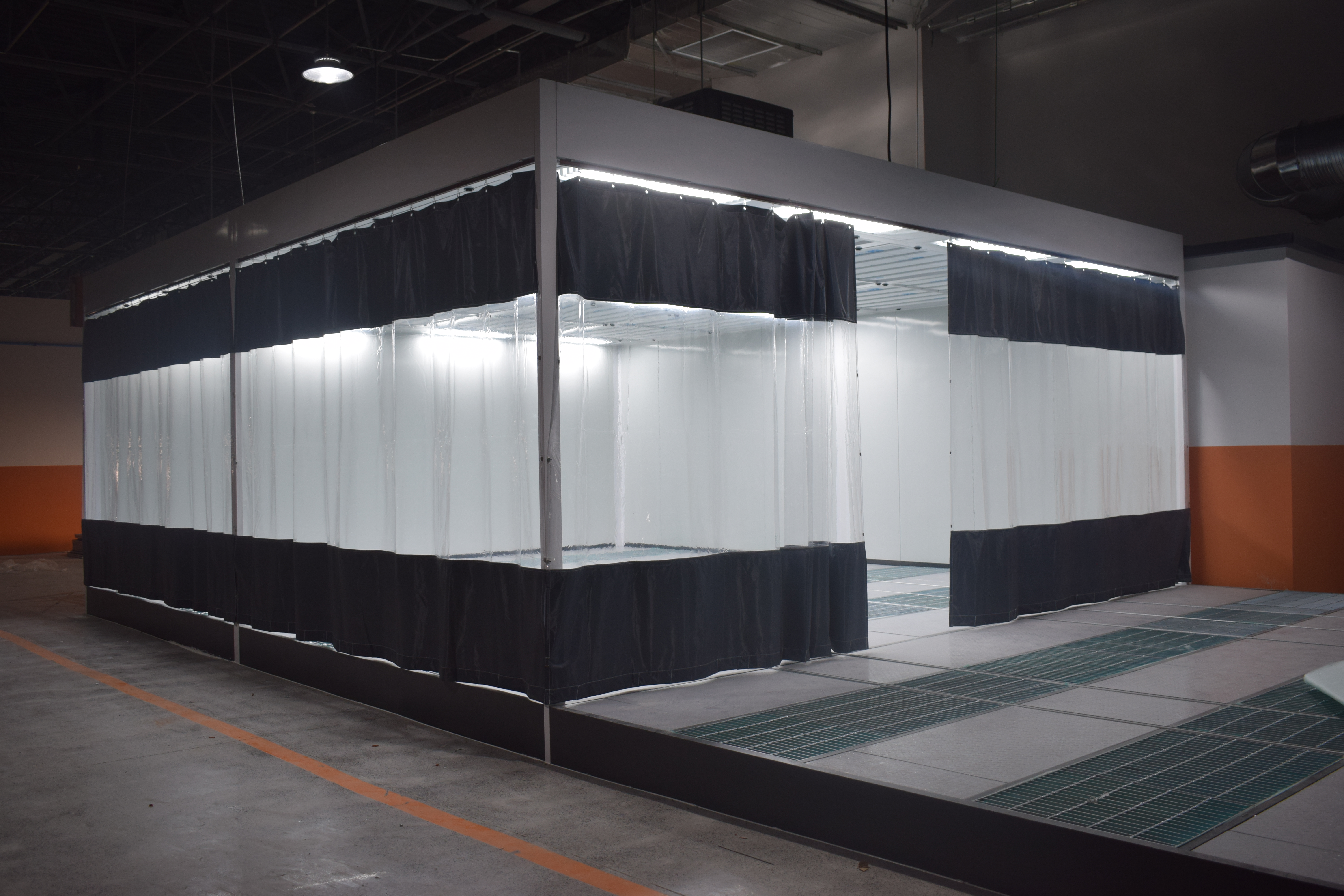
Избор индустријски кабине за боју са оптималним проток ваздуха за премазивање тешке машине представља једну од најкритичнијих одлука у успостављању ефикасне операције завршног обраде. Дизајн проток ваздуха директно утиче на квалитет премаза, безбедност оператора, усклађеност са животном средином и укупну продуктивност у апликацијама тешке машине. Разумевање односа између конфигурације кабине, обрасца проток ваздуха и захтева за премазивањем постаје од суштинског значаја када се бавите великом опремом као што су грађевинске машине, пољопривредни инструменти и индустријска возила која захтевају супериорни квалитет завршног деловања и
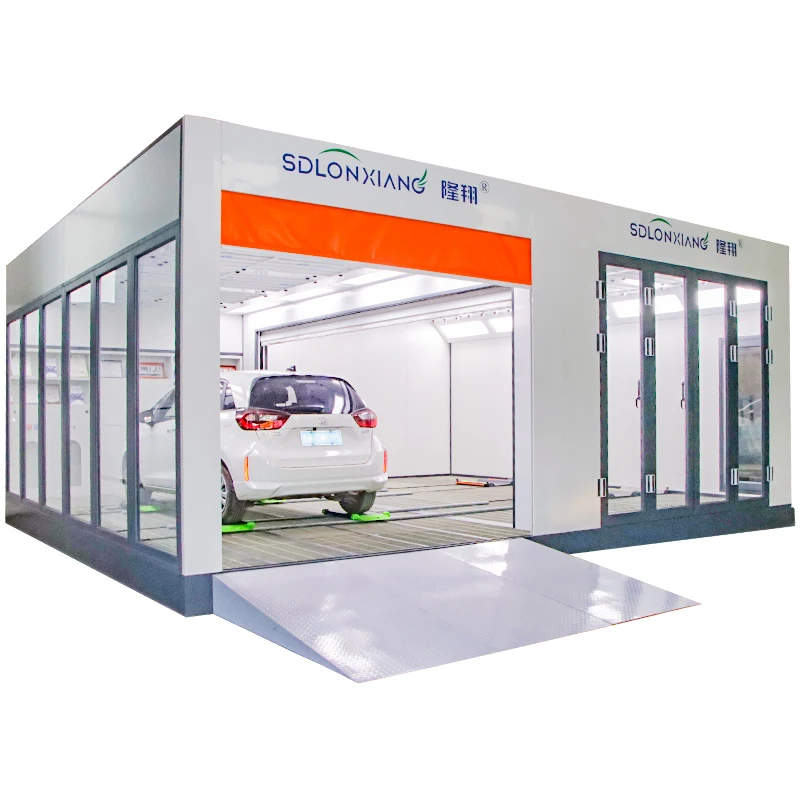
Покривање тешке машине представља јединствену предност коју стандардни аутомобилски или мање кабине опреме не могу адекватно решити. Величина, сложеност и захтеви за премазивање тешке машинерије захтевају специјализована решења за проток ваздуха која обезбеђују једноставан покритак, правилно управљање преливањем и доследне услове за оштрење. Правилно дизајниран индустријски кабине за боју морају да одговарају неправилним облицима, различитим оријентацијама површине и продуженим циклусима премаза, док се током целог процеса одржавају конзистентни услови животне средине.
Разумевање захтева за проток ваздуха за апликације тешке машине
Критичне карактеристике проток ваздуха за премазивање велике опреме
Покривање тешке машине захтева специфичне карактеристике проток ваздуха који се значајно разликују од стандардних индустријских примена. У индустријски кабине за боју мора генерисати довољну брзину ваздуха да би се ухватио преливање са великих површина, док се одржавају ламинарни обрасци проток око сложених геометрија. Типична тешка машина захтева брзине ваздуха између 100-150 метара у минути преко радне зоне, са већим брзинама потребним за премазе на бази растворитеља и нижим брзинама погодним за системе на бази воде.
Кабина мора да прихвате висине опреме од 8 до 20 метара, што захтева вертикално управљање проток ваздуха који спречава турбуленцију и мртве зоне ваздуха. Кроз-драхт и доундхрет конфигурације свака нуди различите предности за апликације тешке машине, са доундхрет системима пружају супериорни квалитет завршетка, али захтевају већу потрошњу енергије. Изабран модел проток ваздуха мора осигурати потпуну улазак претераног прскања, а истовремено спречити да се контаминација одсели на свеже обложене површине.
Употреба у прехрамби
Прерачунавање одговарајућих стопа размене ваздуха за премазивање тешке машине подразумева разматрање запремине кабине, својстава материјала премаза и услова за усаглашеност са регулативама. У правом величини индустријски кабине за боју обично захтева 15-25 промена ваздуха по сату за апликације тешке машине, знатно више од стандардних захтјева индустријских кабина. Ова повећана стопа размене ваздуха осигурава адекватно разређивање парова премаза и одржава безбедне услове рада за операторе.
Системи филтрације морају да се носе са знатно већим оптерећењем честица које се стварају операцијама премазивања велике површине. Примарна филтрација обично користи прогресивно густе медије са ефикасношћу од 85% до 95%, док филтрација изгашних гасова захтева разматрање локалних прописа о заштити животне средине и спецификација материјала за премаз. Дизајн система филтрације мора балансирати ефикасност уласка са карактеристикама пада притиска како би се одржала оптимална перформанса проток ваздуха током цикла натоварења филтера.
Опције конфигурације кабине за премазивање тешке машине
Системи за доње водене кабине за супериорни квалитет завршног деловања
Долењи терет индустријски кабине за боју конфигурације пружају најквалитетније резултате завршног деловања за апликације тешке машине путем успостављања јединствених вертикалних обрасца проток ваздуха који минимизују контаминацију прекорачавања. Ови системи увлаче ваздух из пленума за уношење који је постављен на плафону кроз филтерске банке пуне ширине, стварајући ламинарне услове проток широм целе радне зоне. Вертикални образац проток ваздуха ефикасно улаже преплављеност пре него што се може опустити на хоризонталне површине или створити дефекте завршног деловања.
Узоришни захтеви за системе са долењем струјем укључују испадни пленум испод нивоа или подигнуте конфигурације пода које прилагођавају вертикалном путу проток ваздуха. Примене тешке машине често захтевају прилагођене конструкције пленума да би се носили значајни запремине ваздуха потребне за велике димензије кабине. Инвестиција у технологију доундфрефта обично пружа супериорни квалитет завршног деловања, смањену стопу прераде и побољшану ефикасност материјала за премаз који оправдава веће почетне трошкове за операције тешке машине.
Конфигурације усмртног и модификованог ваздушног тока
Дизајни кабина са прекретни проток нуде трошково-ефикасна решења за премазивање тешке машине када захтеви квалитета завршног дела дозвољавају мале компромисе у поређењу са системима са доледним пролазом. Ове конфигурације успостављају хоризонтални проток ваздуха од вентилачких зидова до издувних зидова, што захтева пажљив дизајн како би се спречиле турбуленције око великих облика опреме. Модификовани системи са прекорачним удувом укључују угловане обрасце проток ваздуха или вишето зоне уноса како би се побољшала униформитет проток ваздуха око сложених геометрија машина.
Главна предност усмерног цртања индустријски кабине за боју у односу на алтернативне врсте, мање је сложеноста инсталације и нижи трошкови рада. Међутим, примене тешке машине захтевају пажљиву процену позиционирања опреме и моделирање проток ваздуха како би се осигурало адекватно ухвативање претераног прскања и квалитет завршног деловања. Неке операције користе хибридне конфигурације које комбинују примарни проток ваздуха са локализованим зонама доњег струја у критичним подручјима завршног деловања.
Контрола животне средине и безбедносни разлози
Управљање температуром и влажношћу
Операције премаза тешке машине захтевају прецизну контролу животне средине како би се осигурале перформансе материјала за премазање и карактеристике завршћа. У индустријски кабине за боју мора одржавати распоне температуре обично између 65-85°F са нивоима релативне влажности контролисаним између 40-60% у зависности од захтева система премаза. Велике количине кабина и продужени циклуси премаза захтевају значајан капацитет за грејање и хлађење како би се ови услови одржавали доследно.
Проектирање система за грејање мора узети у обзир топлотну масу компоненти тешке машине и ефекат хлађења великих запремина ваздуха потребних за правилан проток ваздуха. Интеграција грејања ваздуха са рециркулационим системима кабине обезбеђује енергетски ефикасну контролу температуре, а истовремено одржава потребне стопе размене ваздуха. Системи за контролу влаге спречавају дефекте премаза као што су црвенило или лоша адхезија који се обично јављају када услови окружења прелазе спецификације система премаза.
Системи за спречавање експлозија и противпожарне безбедности
Проектирање система за безбедност за операције премазивања тешке машине захтева свеобухватну процену ризика од пожара и експлозије повезаних са великим запреминама материјала за премазивање и продуженим временом примене. Кабина мора да има електричне системе класе I, дивизије 1 у целој зони прскања са одговарајућим ознакама опреме за отпорност на експлозије. Проектирање система вентилације мора спречити акумулацију запаљивих парова, а истовремено одржавати обрасце проток ваздуха који подржавају ефикасне операције премаза.
Систем за гашење пожара за велике индустријски кабине за боју инсталације обично користе суве хемијске или водене системе за прскање дизајниране посебно за операције премаза. Системи за детекцију морају узети у обзир димензије кабине и обрасце проток ваздуха који могу утицати на време одговора и ефикасност супресије. Редовни протоколи одржавања и тестирања осигурају континуирано функционисање безбедносног система током целог радног живота кабине.
Величина и оптимизација перформанси
Уговорни број и број
Одређивање оптималних димензија кабине за премазивање тешке машине подразумева балансирање захтева за пролаз опреме са учешћем проток ваздуха и разматрањима оперативних трошкова. Кабина мора обезбедити минималне растојање од 3 метара око периметара опреме, а истовремено прилагођавати приступ надглавном крану и обрасце кретања оператера. Висине просветљења обично захтевају 6-8 стопа изнад највишег тачке опреме како би се одржали прави обрасци проток ваздуха и спречила турбуленција.
Димензије дужине и ширине директно утичу на униформитет проток ваздуха и потрошњу енергије у индустријски кабине за боју инсталације. Превелике кабине повећавају оперативне трошкове без пружања пропорционалних користи, док мање кабине угрожавају квалитет завршног дела и безбедност оператора. Компјутерско моделирање обрасца проток ваздуха помаже у оптимизацији димензија кабине за специфичне типове опреме и процесе премазања, истовремено минимизирајући потрошњу енергије и захтеве за почетне инвестиције.
Величина система вентилатора и енергетска ефикасност
Проектирање система вентилатора за операције премаза тешке машине мора балансирати перформансе проток ваздуха са разматрањима енергетске ефикасности које значајно утичу на оперативне трошкове. Капацитет изгашног вентилатора обично се креће од 40.000 до 200.000 ЦФМ у зависности од величине кабине и захтева за проток ваздуха. Променљиви фреквентни приводи обезбеђују уштеду енергије током операција са делимичним оптерећењем, док се одржава контрола проток ваздуха током критичних фаза премаза.
Системи за снабдевање вентилаторима морају да превазиђу пада филтрисачког притиска, док одржавају пројектне стопе проток ваздуха током цикла натоварења филтера. Избор центрифугалних и аксијалних дизајна вентилатора зависи од захтева статичког притиска и оптимизације ефикасности за специфичне апликације. Прави избор вентилатора и интеграција система за контролу могу смањити потрошњу енергије за 20-30% у поређењу са системима фиксне брзине, а истовремено побољшати конзистенцију проток ваздуха и перформансе кабине.
Интеграција са производњим радним пролазом
Системи за руковање материјалом и позиционирање опреме
Ефикасна интеграција индустријски кабине за боју са системима за руководство материјалом обезбеђује ефикасан производњи радног тока, док се одржавају оптимални услови премаза. Системи ваздушних кран или конвејтори на траку морају радити у оквиру патерона ваздушног тока у кабинама без стварања турбуленције или извора контаминације. Системи позиционирања опреме омогућавају прецизно постављање компоненти машине да би се оптимизовао приступ премазању и униформизација проток ваздуха око сложених облика.
Конфигурације улаза и излаза из кабинке захтевају пажљив дизајн како би се одржао интегритет проток ваздуха док се прилагођава великим покретима опреме. Системи затварања ваздуха или конструкција предвода спречавају инфилтрацију контаминације током операција преноса опреме. Интеграција са прерађивачким процесима и операцијама за сушење у доњем делу осигурава континуирани производњини проток, уз одржавање захтева за контролу животне средине током цикла облога.
Контрола квалитета и праћење процеса
Системи контроле квалитета за операције облоге тешке машине морају пратити и услове животне средине и параметре примене облоге како би се осигурали доследни резултати. Кабина треба да садржи континуирано праћење температуре, влажности, брзине ваздуха и перформанси система филтрације са алармским системима који упозоравају операторе на одступања услова. Регистрација података у реалном времену омогућава оптимизацију процеса и документацију квалитета за захтеве купаца.
Системи за праћење дебљине премаза и детекција дефекта помажу у откривању проблема са квалитетом завршног обраде пре него што утичу на квалитет коначног производа. Интеграција са системима за контролу животне средине кабинке обезбеђује корелацију између услова премаза и резултата квалитета завршног обраде. Ови подаци подржавају напоре за континуирано побољшање и помажу у оптимизацији индустријски кабине за боју перформансе за специфичне примене у тешком механизму.
Често постављене питања
Која је брзина ваздуха потребна за премазивање тешке машинерије у индустријском боји?
Покривање тешке машине обично захтева брзине ваздуха између 100-150 метара у минути преко радне зоне. Овај опсег брзине осигурава адекватно ухвативање претераног прскања док се одржава ламинарни проток ваздуха око великих геометрија опреме. Више брзине могу бити потребне за премазе на бази растворитеља, док системи на бази воде могу ефикасно радити на доњем крају овог опсега.
Како могу одредити одговарајућу величину кабине за велику грађевинску опрему?
Размер кабине треба да обезбеди минималне просветљења од 3 метара око периметара опреме са просветљењем од 6-8 метара изнад највишег места. Размислите о највећем делу опреме који ће захтевати премаз, захтеве за приступ оператерима и опреми за руководство материјалом и оптимизацију обрасца проток ваздуха. Компјутерско моделирање помаже у оптимизацији димензија док балансира перформансе са оперативним трошковима.
Који тип филтрационог система најбоље функционише за кабине за боју тешке машине?
Замене тешке машине захтевају чврсте филтрационе системе са примарним филтрима који се крећу од 85 до 95% ефикасности и филтрацијом изгашних гасова која испуњавају локалне еколошке захтеве. Прогресивна филтрација са више фаза обезбеђује оптималну равнотежу између ефикасности уласка и карактеристика пада притиска. Избор филтера треба да узима у обзир врсте материјала за премазивање и очекиване оптерећења честицама од апликација са великом површином.
Да ли кабина са прекомним удувом може дати прихватљиве резултате за премазивање тешке машине?
Конфигурације кабине са преткрсном струјом могу дати прихватљиве резултате за премазивање тешке машине када су правилно дизајниране са адекватном брзином ваздуха и пажљивим позиционирањем опреме. Док системи са понижим струјем обично пружају супериорни квалитет завршетка, добро дизајнирани системи са усмерним струјем нуде трошково ефикасна решења за апликације у којима су прихватљиви мали компромиси квалитета завршетка. Хибридне конфигурације које комбинују усмерни проток са локализованим зонама доњег пролаза оптимизују перформансе у критичним областима завршног деловања.
Садржај
- Разумевање захтева за проток ваздуха за апликације тешке машине
- Опције конфигурације кабине за премазивање тешке машине
- Контрола животне средине и безбедносни разлози
- Величина и оптимизација перформанси
- Интеграција са производњим радним пролазом
-
Често постављене питања
- Која је брзина ваздуха потребна за премазивање тешке машинерије у индустријском боји?
- Како могу одредити одговарајућу величину кабине за велику грађевинску опрему?
- Који тип филтрационог система најбоље функционише за кабине за боју тешке машине?
- Да ли кабина са прекомним удувом може дати прихватљиве резултате за премазивање тешке машине?