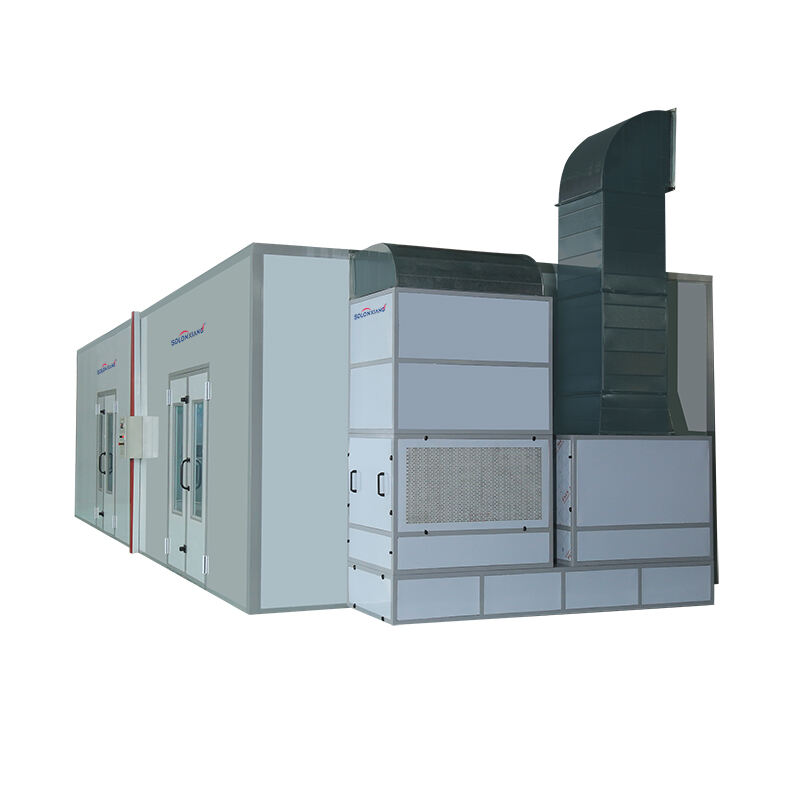
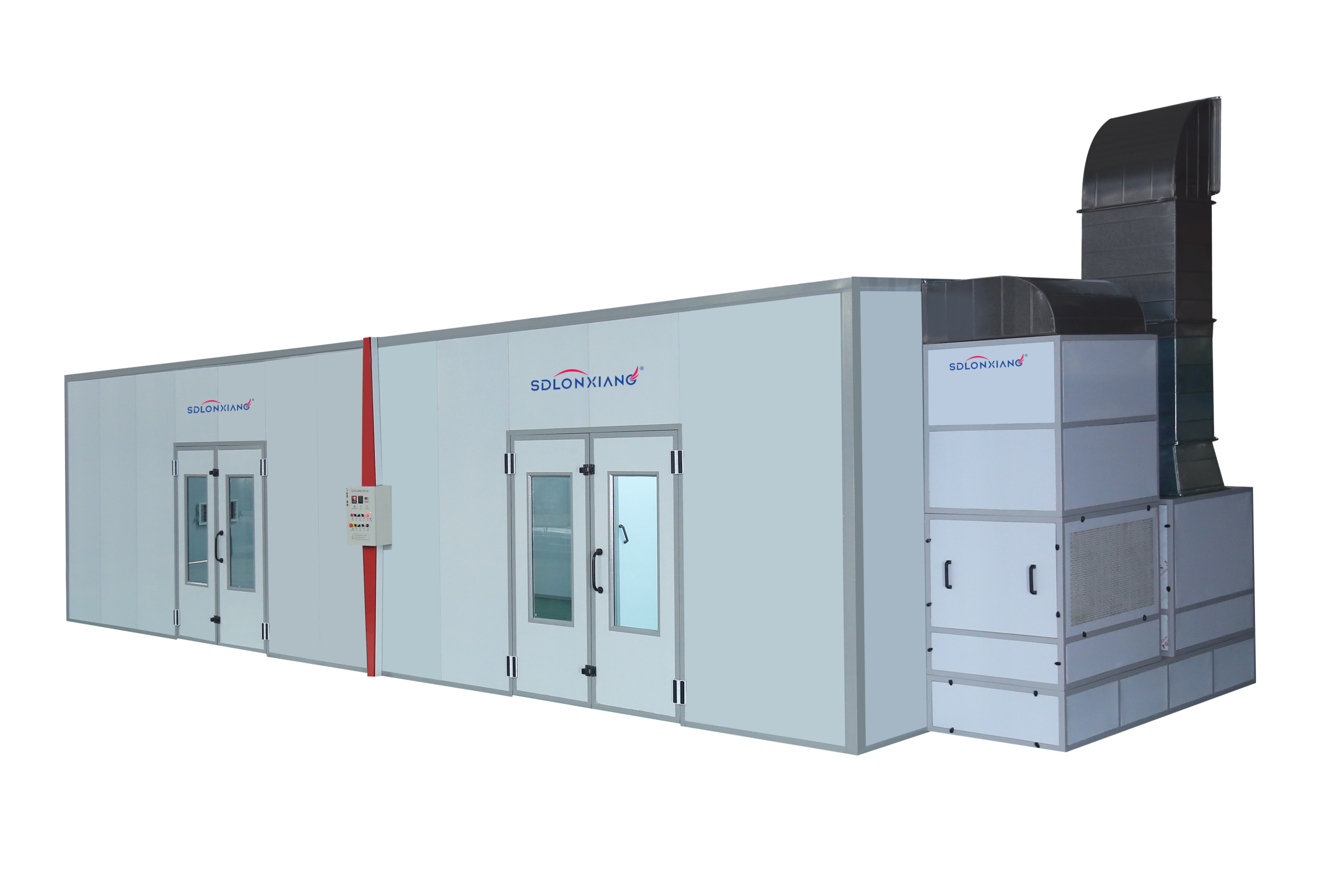
cabina per verniciatura a polvere elettrostatica
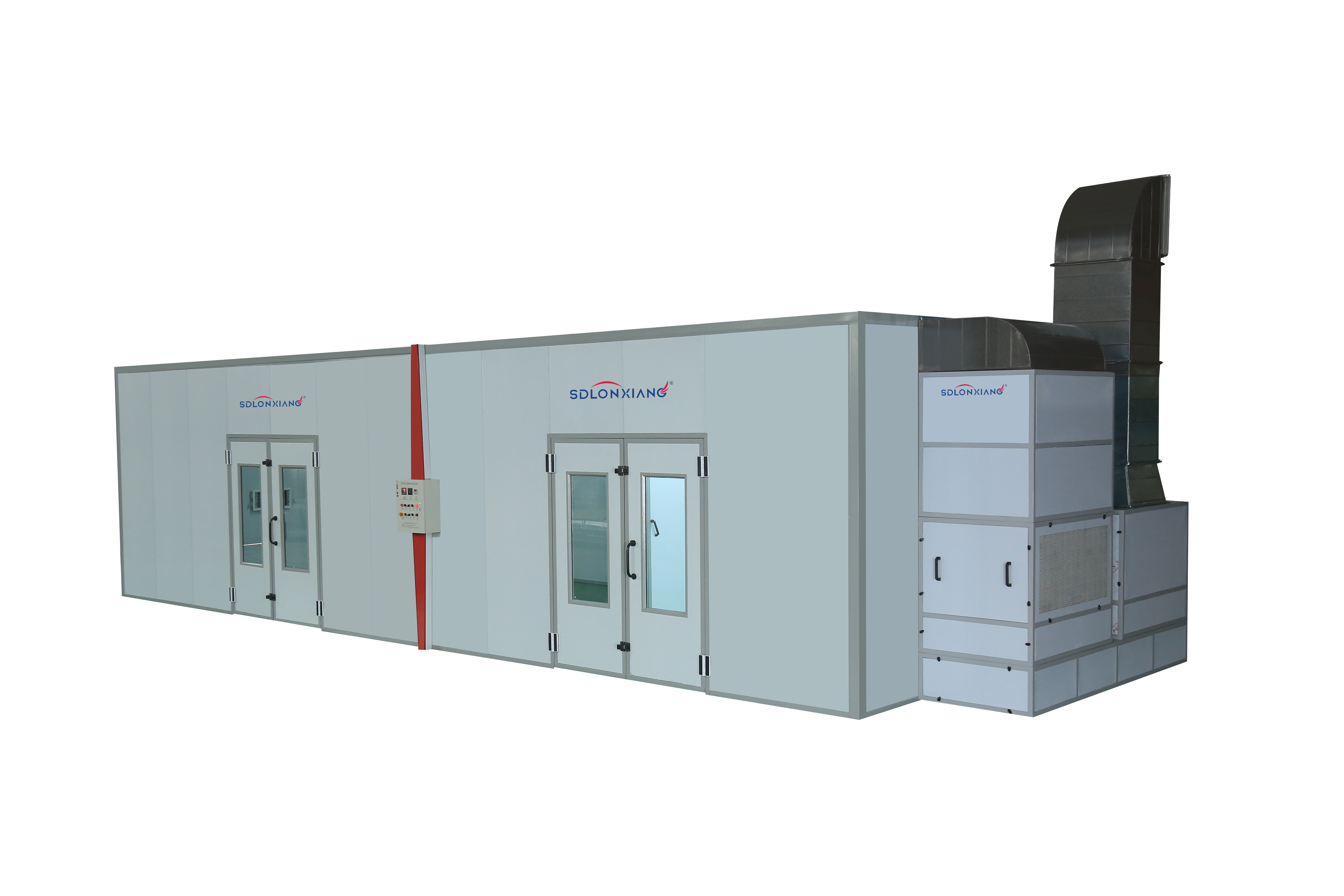
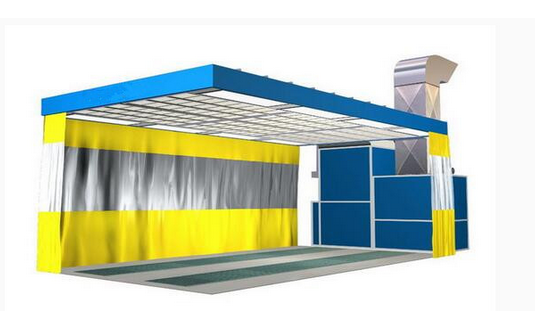
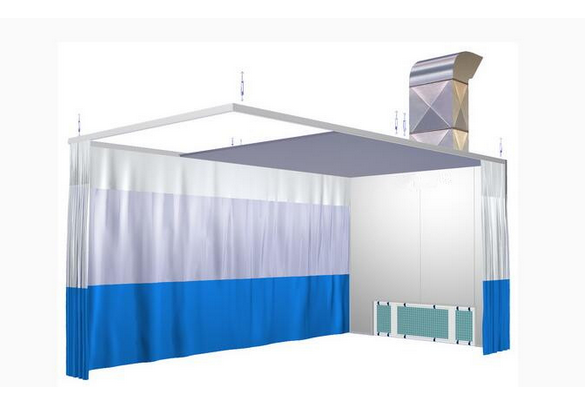
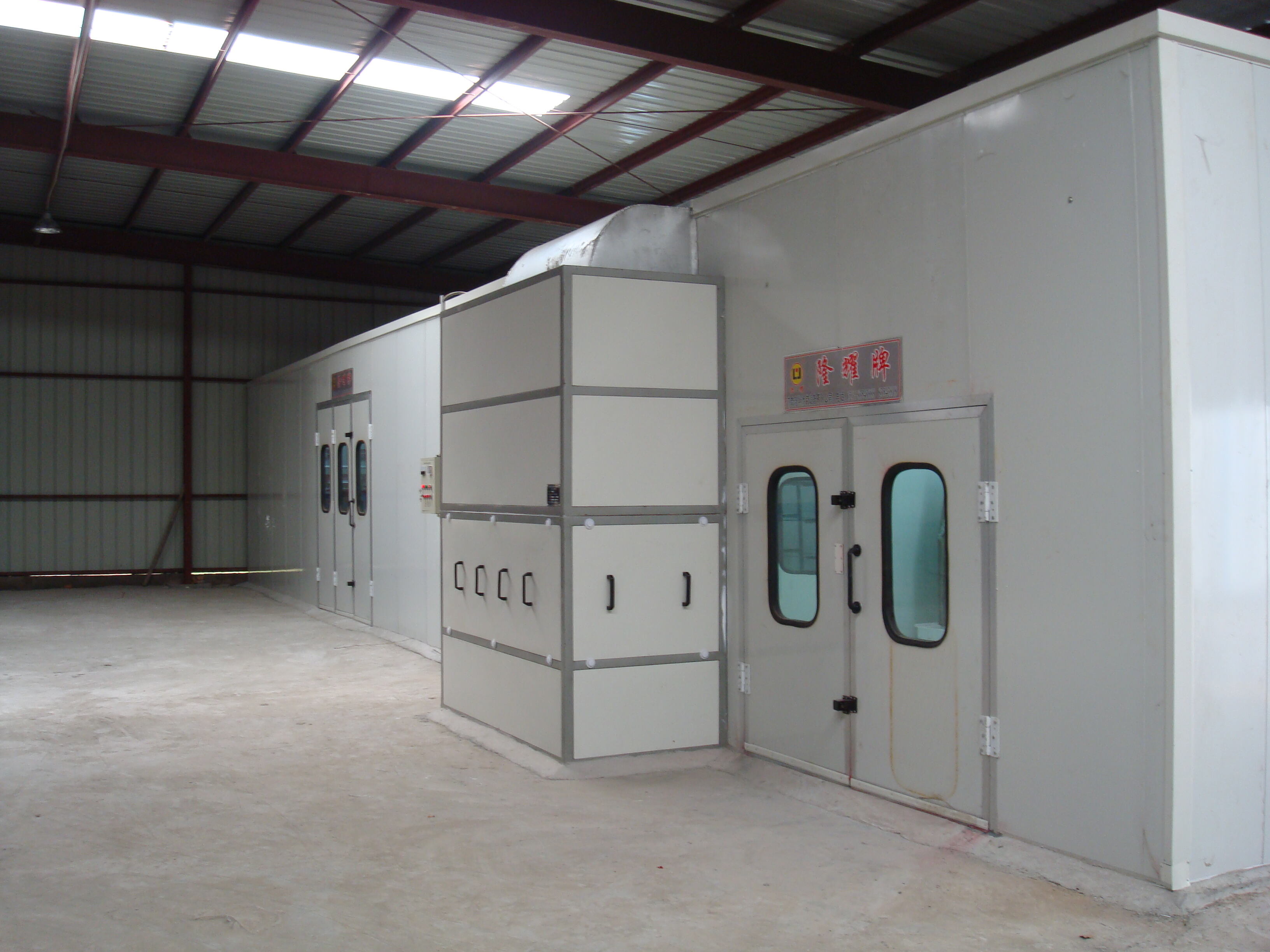
Una cabina di verniciatura a polvere elettrostatica rappresenta una soluzione industriale all'avanguardia progettata per applicare rivestimenti in polvere in modo efficiente e uniforme su diverse superfici metalliche. Questa apparecchiatura sofisticata utilizza principi elettrostatici per creare un campo carico che attira le particelle di polvere verso pezzi messi a terra, garantendo un'elevata copertura del rivestimento e riducendo al minimo gli sprechi di materiale. La cabina di verniciatura a polvere elettrostatica integra diversi componenti tecnologici, tra cui sistemi di alimentazione del polvere, pistole di spruzzo, meccanismi di recupero e unità di filtrazione, all'interno di una camera a ambiente controllato. La funzione principale consiste nel creare un ambiente di lavoro ottimale in cui gli operatori possono applicare rivestimenti in polvere mantenendo standard di sicurezza e conformità ambientale. Queste cabine sono dotate di avanzati sistemi di gestione del flusso d'aria che catturano le particelle di polvere in eccesso, prevenendo l'inquinamento ambientale e consentendo il recupero del materiale per il riutilizzo. L'architettura tecnologica comprende pannelli di controllo sofisticati che permettono regolazioni precise dei parametri di spruzzo, inclusi i livelli di tensione, le portate di polvere e le configurazioni della pressione dell'aria. I design moderni delle cabine di verniciatura a polvere elettrostatica includono sistemi di trasporto automatici, controllori logici programmabili e apparecchiature integrate per il monitoraggio della qualità. Le applicazioni spaziano dalla produzione automobilistica, alla fabbricazione di mobili, componenti architettonici, elettrodomestici e settori generali della lavorazione dei metalli. La struttura della cabina è tipicamente realizzata con telaio in acciaio e sistemi di pannelli modulari, consentendo personalizzazioni in base a specifiche esigenze produttive. I sistemi di ventilazione mantengono schemi ottimali di circolazione dell'aria, mentre i meccanismi di recupero del polvere raccolgono il materiale non utilizzato attraverso separatori ciclonici e filtri a cartuccia. Le caratteristiche di sicurezza includono componenti elettrici a prova di esplosione, sistemi di messa a terra e procedure di arresto di emergenza. La cabina di verniciatura a polvere elettrostatica garantisce una qualità di rivestimento costante riducendo il consumo di materiale, i costi di manodopera e l'impatto ambientale rispetto ai tradizionali metodi di verniciatura liquida.

 EN
EN