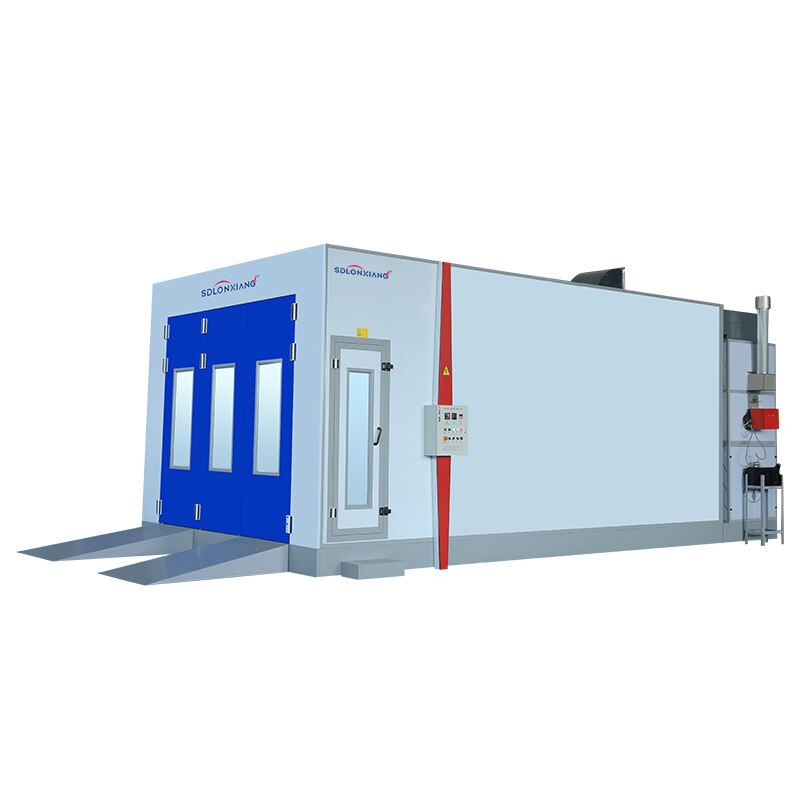
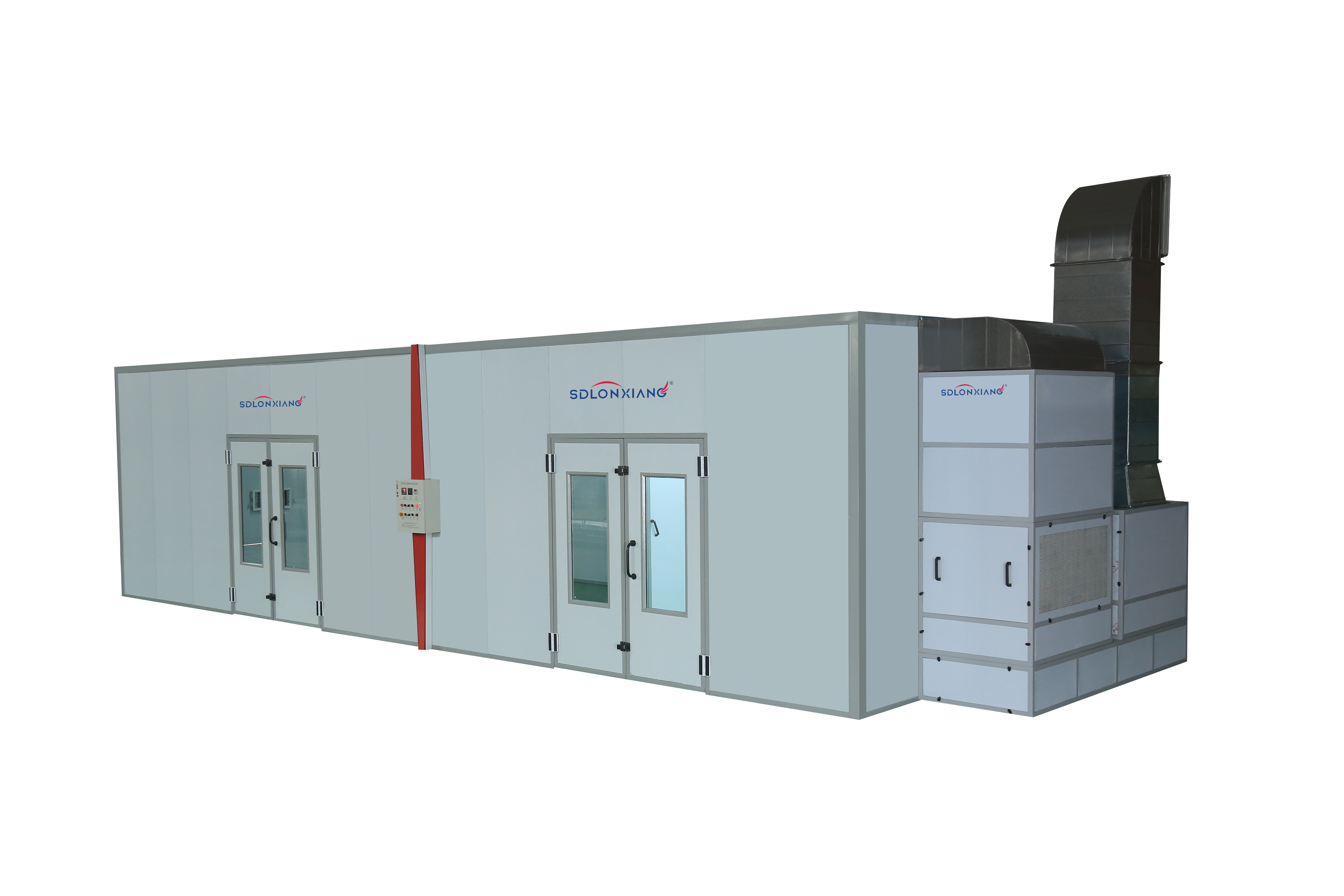
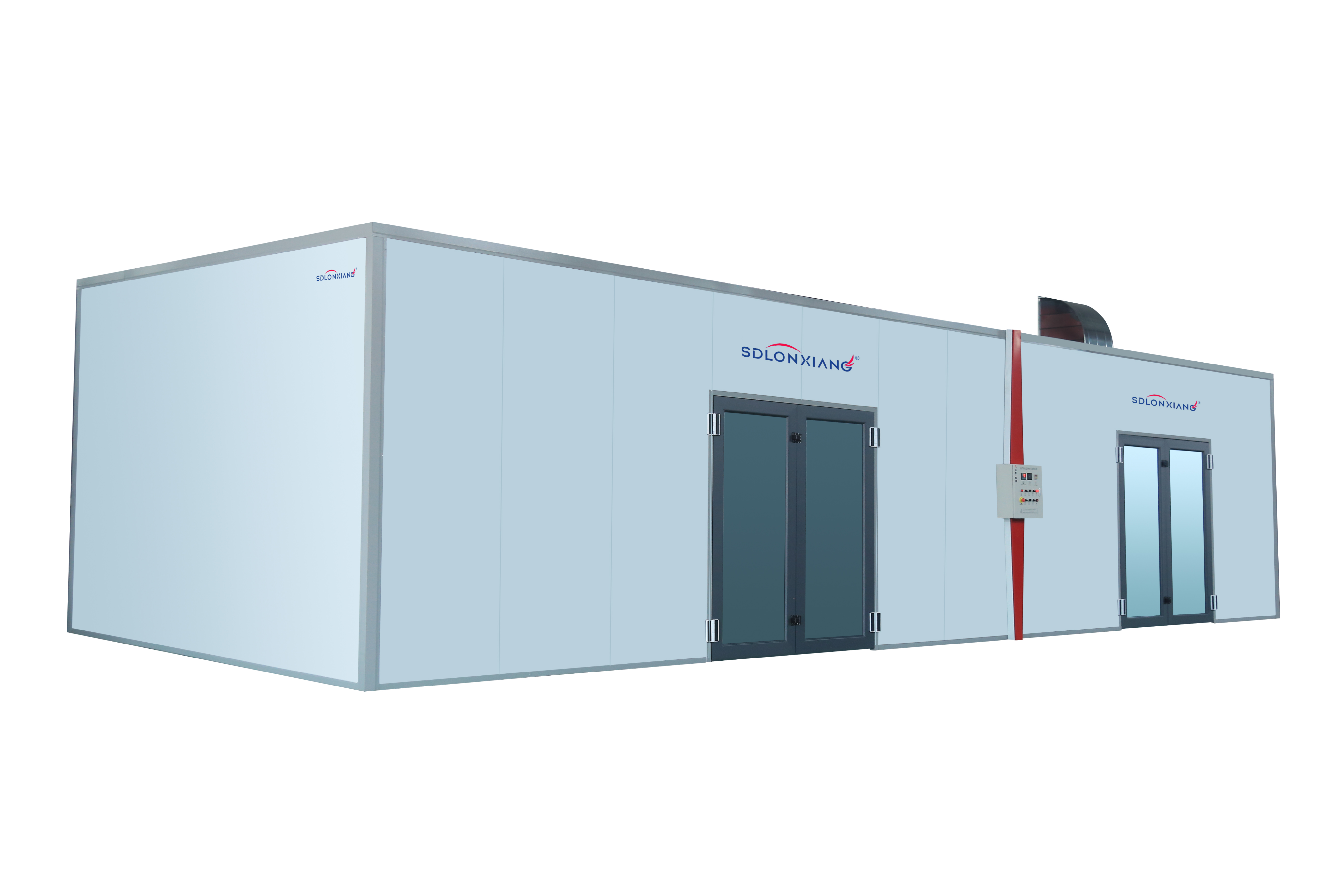
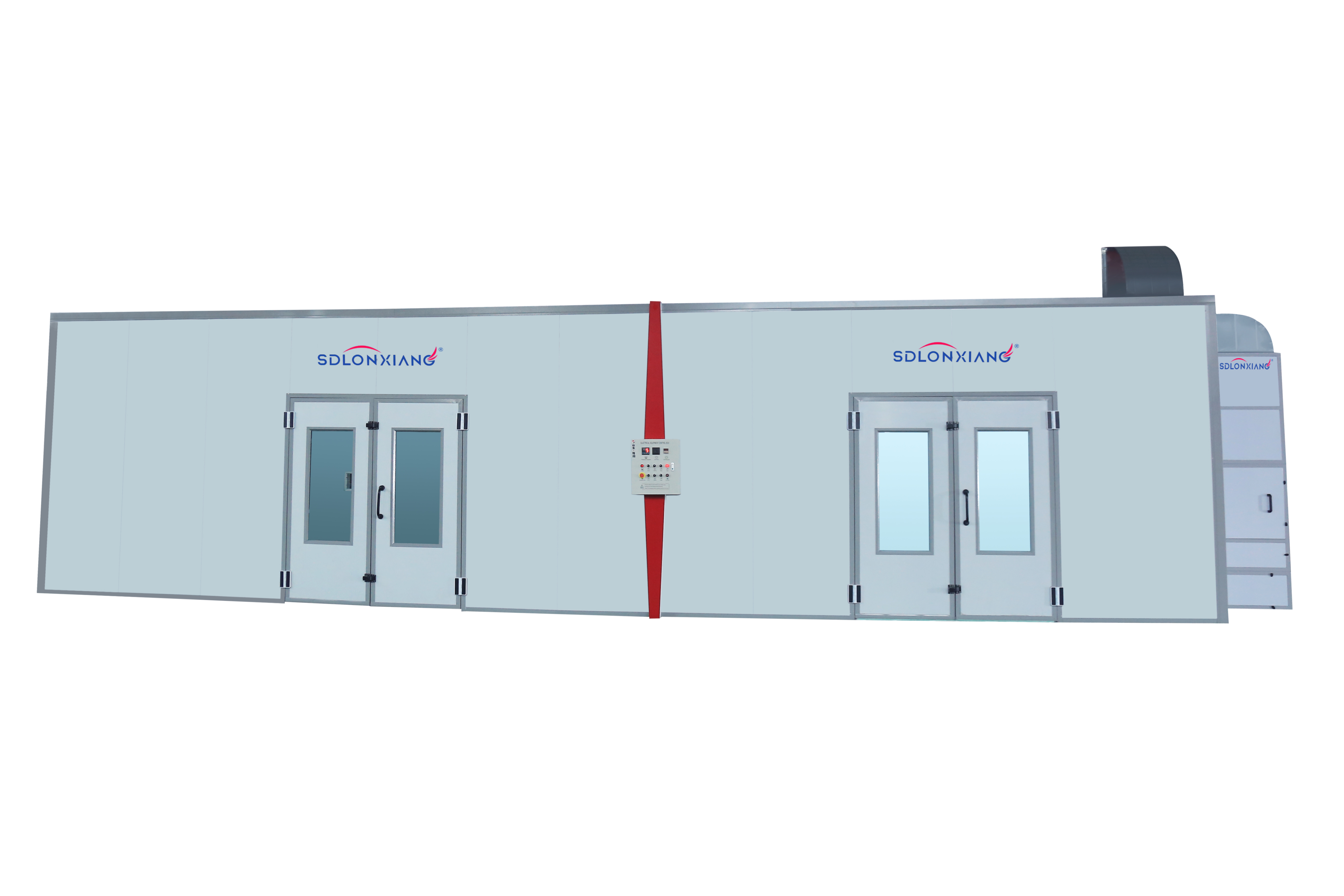
ruang pengecatan mobil buatan sendiri
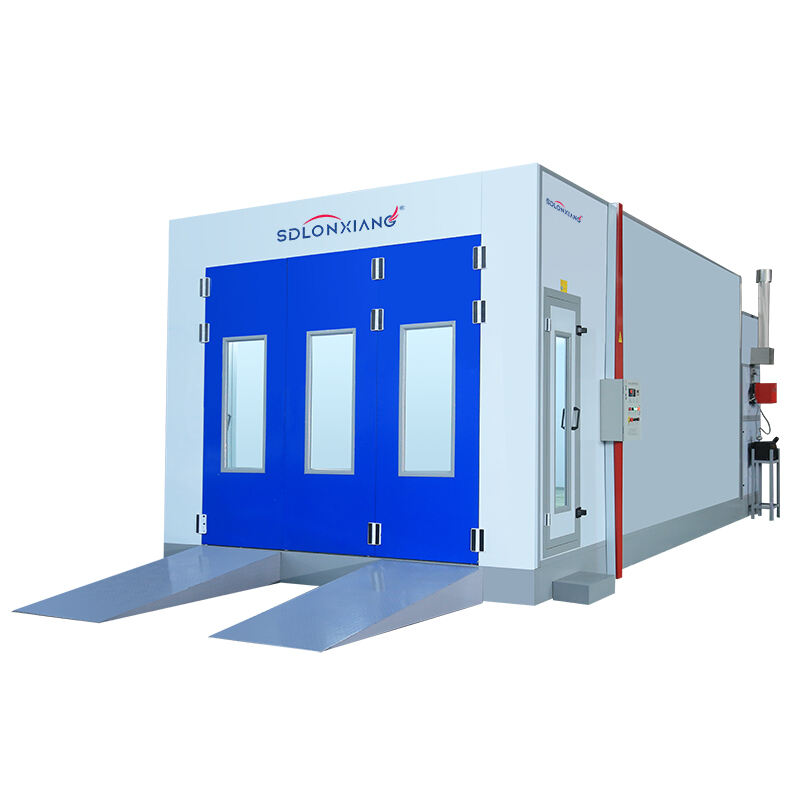
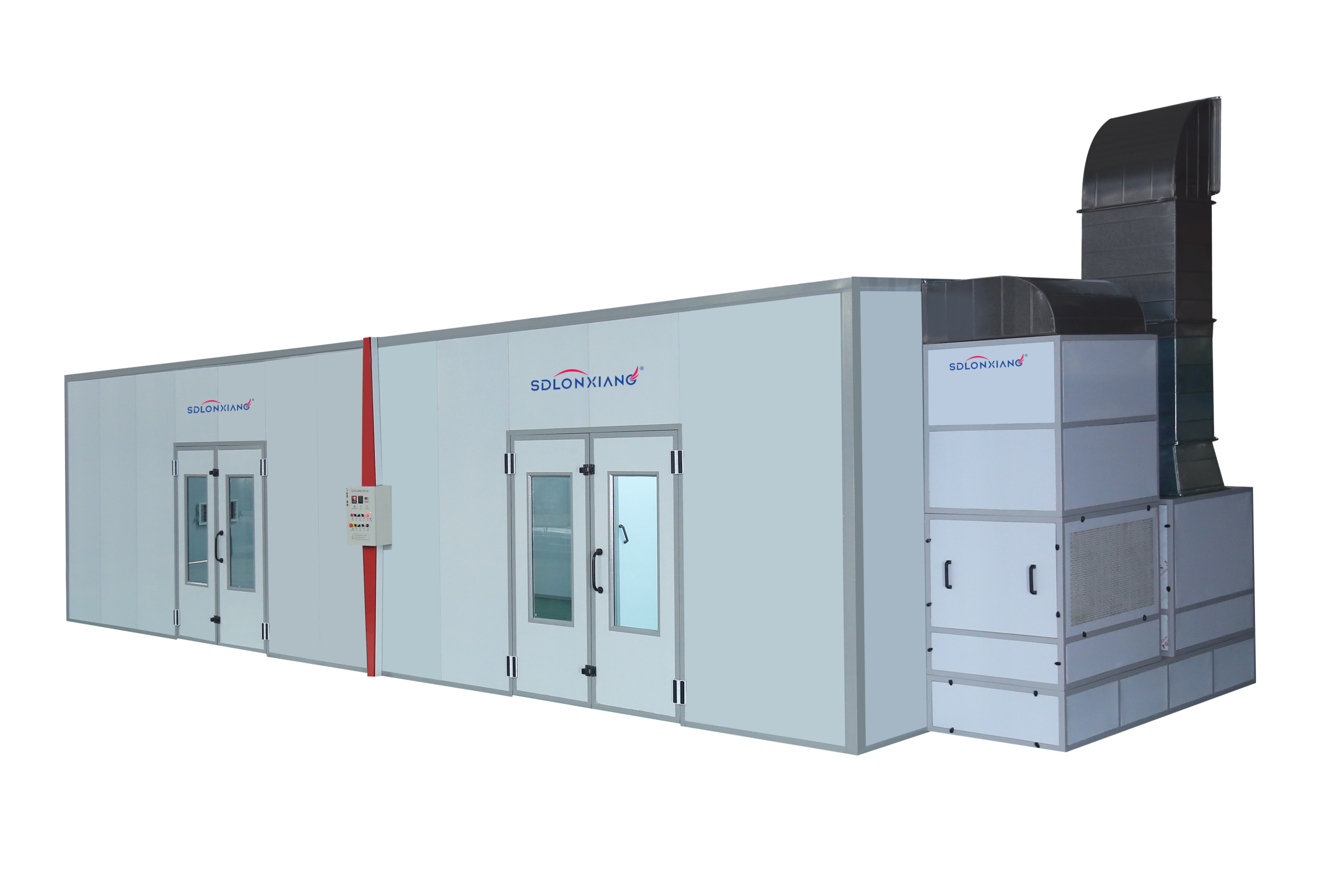
Sebuah ruang pengecatan otomotif buatan sendiri merupakan solusi inovatif bagi para pecinta mobil, mekanik profesional, dan bengkel perbaikan bodi skala kecil yang menginginkan hasil pengecatan kelas profesional tanpa harus mengeluarkan biaya besar untuk membeli ruang semprot komersial. Sistem ruang pengecatan mandiri ini mengubah ruang garasi biasa atau area luar ruangan menjadi lingkungan pengecatan terkendali yang mampu menghasilkan kualitas lapisan akhir yang luar biasa. Ruang pengecatan otomotif buatan sendiri dilengkapi dengan sistem filtrasi penting, mekanisme ventilasi yang tepat, serta fitur pengatur suhu yang menjamin kondisi optimal selama proses aplikasi cat. Fungsi utama dari ruang pengecatan otomotif buatan sendiri meliputi penciptaan lingkungan bebas debu, menjaga pola aliran udara yang konsisten, mengendalikan percikan cat berlebih (overspray), serta menyediakan pencahayaan memadai untuk pencocokan warna dan teknik aplikasi yang akurat. Sistem ini menggunakan teknologi filtrasi canggih dengan susunan filter bertahap yang mampu menangkap partikel cat, debu, dan kontaminan udara sebelum menempel pada permukaan yang baru dicat. Fitur teknologinya mencakup kipas ekstraksi berkecepatan variabel, filtrasi udara masuk, konfigurasi aliran udara downdraft atau crossdraft, serta sistem pencahayaan terintegrasi yang dirancang khusus untuk pekerjaan pelapisan ulang otomotif. Penerapan ruang pengecatan otomotif buatan sendiri tidak hanya terbatas pada pengecatan kendaraan biasa, tetapi juga meliputi restorasi sepeda motor, pelapisan ulang kapal, pengecatan furnitur, dan berbagai proyek pelapisan industri lainnya. Fleksibilitas sistem ini membuatnya menjadi aset berharga bagi para hobiis yang mengerjakan restorasi mobil klasik, pemilik usaha kecil yang ingin memperluas kemampuan layanan mereka, serta profesional yang membutuhkan fasilitas pengecatan khusus. Konstruksinya umumnya melibatkan komponen modular yang memungkinkan penyesuaian berdasarkan ruang yang tersedia, batasan anggaran, dan kebutuhan proyek tertentu. Desain ruang pengecatan otomotif buatan sendiri mencakup bahan tahan api, komponen listrik tahan ledakan, serta fitur keselamatan lainnya yang sesuai dengan peraturan bangunan setempat dan regulasi lingkungan, sambil tetap menjaga efisiensi biaya bagi pengguna perorangan.

 EN
EN