
 EN
EN
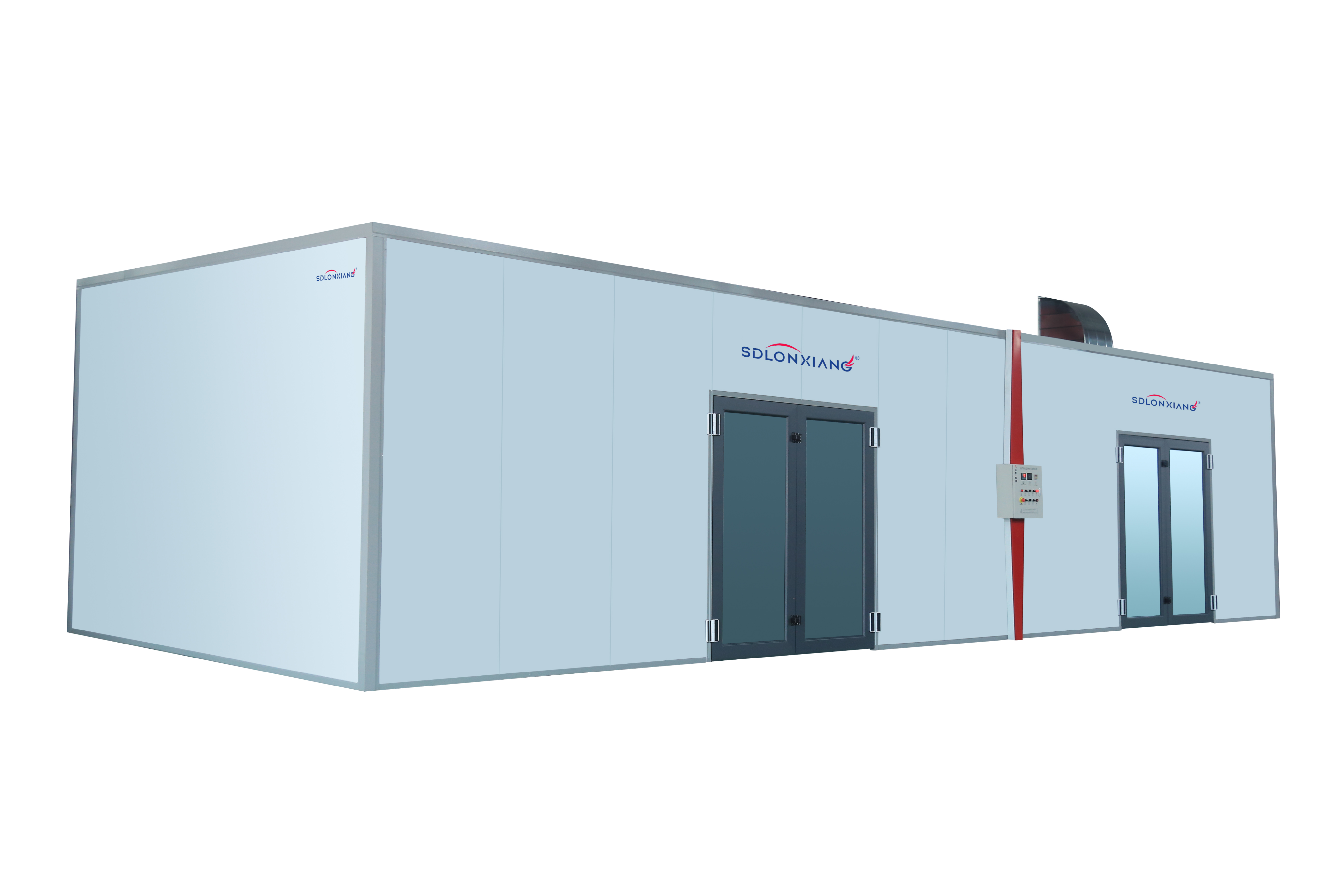
Egy ipari festékkabin egy pontossági környezet, és teljesítménye erősen függ egy olyan tényezőtől, amelyet könnyű figyelmen kívül hagyni, amíg problémák nem merülnek fel: a levegőmérleg. A festőkabinon belüli befúvó és elszívó levegő közötti kapcsolat nem passzív állapot – hanem aktívan szabályozott egyensúly, amely közvetlenül meghatározza a felület minőségét, a munkavállalók biztonságát és a szabályozási előírások betartását. Amikor ez az egyensúly eltolódik, a következmények olyan formában jelentkeznek, amelyeket gyakran hibásan diagnosztizálnak berendezés-hibaként, termékhibaként vagy kezelői hibaként. Az első jelek felismerése, hogy a(z) ipari festékkabin festőkabin levegőmérlegének újra kalibrálásra van szüksége, az egyik legértékesebb diagnosztikai készség, amelyet egy üzemvezetőnek vagy felületkezelési technikusnak fejlesztenie érdemes.

A levegőegyensúly ipari festőkabinban a kabinba bevezetett levegő térfogatának és a kabinból eltávolított levegő térfogatának kalibrált arányát jelenti. Egy megfelelően egyensúlyozott kabin a tervezési specifikációktól függően enyhe pozitív vagy semleges nyomást tart fenn, így biztosítva, hogy a levegőáramlás irányított és előre jelezhető módon haladjon végig a munkafelületen. Az idővel a szűrők elszennyeződnek, a ventilátorok kopnak, a csappantyúk elmozdulnak, és az évszakváltások miatti hőmérsékletváltozások megváltoztatják a levegő sűrűségét – mindezek a tényezők eltéríthetik a rendszert a megcélzott üzemeltetési tartományból. Annak megértése, hogy ezek az egyensúlyhiányok gyakorlatban hogyan mutatkoznak, lehetővé teszi az üzemeltetési csapatok számára, hogy cselekedjenek, mielőtt egy apró eltérés költséges zavarállá válna.
Hogyan befolyásolja a levegőegyensúly a felületminőséget ipari festőkabinban
Egyenetlen bevonat és felületi hibák
Az ipari festőkabin levegőegyensúlyának elvesztésének egyik legvilágosabb jele a bevonat minőségének hirtelen vagy fokozatos romlása. Amikor a légáramlás egyenetlen, az elpárologtatott festék részecskék nem egyenletes mintában haladnak a festőpisztolytól az alapanyag felé. Ehelyett a turbulencia átirányítja a túlfestést, száraz festékrészecskék kerülnek nedves felületekre, és ugyanazon a panelen változó rétegvastagság alakul ki. Ezek a hibák – amelyeket gyakran narancshéj-szerű felületi textúrának, foltosságnak vagy egyenetlen fényességnek neveznek – gyakran a festék összetételére vagy a kezelő szakértelmére vezethetők vissza, mielőtt a kabin környezetét megvizsgálnák.
Egy megfelelően kiegyensúlyozott ipari festőkabinban a levegő lamináris, fentről lefelé vagy keresztfúvásos mintázatban mozog, amely az elszórt festékrészecskéket állandó sebességgel eltávolítja a munkafelületről. Amikor a szellőztető rendszer kifúvó kapacitása csökken a beszívó kapacitáshoz képest, a levegő bizonyos zónákban eláll. Amikor a beszívó kapacitás csökken a kifúvó kapacitáshoz képest, a negatív nyomás a réseken és ajtókon keresztül külső levegőt szív be, ami ellenőrizetlen turbulenciát okoz. Mindkét feltétel megszakítja a lamináris áramlást, amelyre a minőségi felületkezelés támaszkodik. Ha a felületi hibák miatti visszautasítási arány növekedett anélkül, hogy bármilyen változás történt volna az anyagokban vagy a személyzetben, az első vizsgálati lépésnek a levegő-egyensúly újraeffektív beállítása kell lennie.
Légköri részecskékből származó szennyeződés
Egy jól kiegyensúlyozott ipari festőkabin olyan szabályozott nyomáskülönbséget tart fenn, amely megakadályozza a szűrő nélküli külső levegő bejutását a permetezési zónába. Amikor a kabin negatív nyomásra áll át – azaz a kifúvó rendszer több levegőt távolít el, mint amennyit a beszívó rendszer befúj – a kabin minden elérhető résen keresztül levegőt kezd beszívni: ajtózárók, világítótestek, panelcsatlakozások és padlószegélyek résein keresztül. Ez a szűrő nélküli levegő port, szennyeződéseket és nedvességet tartalmaz, amelyek a nedves festékrétegre ülepednek, és szennyeződési hibákat okoznak.
Azok a létesítmények, amelyeknél a kész munkákon a szennyeződési pöttyök, rostbekeveredések vagy nedvességgel összefüggő halacska-hibák (fisheye) számában hirtelen emelkedést észlelnek, ezt erős jeleként kell kezelniük a negatív nyomás egyensúlyhiányára. Az ipari festőkabin nem működik többé szabályozott környezetként – inkább a környező levegő szennyeződései gyűjtőpontjává vált. A levegő-egyensúly újrahangolása visszaállítja azt a nyomáskülönbséget, amely a permetezési zónát elkülöníti a környező létesítmény levegőjétől.
Működtető biztonsági jelek, amelyek levegőegyensúly-problémákat jeleznek
Oldószer szaga a festőkabinon kívül
Amikor egy ipari festőkabin megfelelő levegőegyensúlyban működik, a oldószerrel terhelt levegőt folyamatosan elkapja a szellőztető rendszer, és eltávolítja a munkaterületről és a környező létesítményről. Ha a működtetők vagy a közeli dolgozók oldószer szagát érzik a kabintól kívül a festési műveletek során, ez közvetlen jele annak, hogy a szellőztető rendszer teljesítménye alacsonyabb, mint a bevezetett levegő mennyisége. A kabin többé nem tartja hatékonyan vissza kibocsátásait.
Ez a feltétel nem csupán minőségi kérdés — biztonsági és megfelelőségi probléma is egyben. A festőkabinból a műhely általános levegőterébe jutó oldószer-gőzök robbanásveszélyt, a kabinon kívüli személyzet egészségkárosító expozícióját és potenciális megszegéseket okozhatnak az ipari egészségvédelmi szabályozásokban. Egy ipari festőkabin, amely nem képes saját kibocsátásait visszatartani, elvesztette azt az alapvető levegőmérleget, amely a zárt permetezéses felületkezelést biztonságossá teszi. A műveletek folytatása előtt azonnali újraeffektivizálásra, valamint szűrő-ellenőrzésre és ventilátor-teljesítmény-ellenőrzésre van szükség.
A kezelő kényelmetlensége és látási problémák
A szakmunkások, akik egy ipari festőkabinban dolgoznak, és ahol megszűnt a levegőáramlás egyensúlya, gyakran fizikai kellemetlenséget éreznek, még mielőtt bármilyen hivatalos mérésre sor kerülne. A túlfestés túlzottan a levegőben lebeg, ahelyett, hogy elvezetnék, a felfüggesztett pára miatt nehezen látható a munkafelület, és nyomásváltozást éreznek a kabinajtók kinyitásakor – mindezek tapasztalati jelei az áramlási egyensúlyhiánynak. Ezeket a képzett szakmunkások jelentéseit diagnosztikai adatként kell kezelni, nem pedig szubjektív panaszként.
Egy megfelelően működő ipari festőkabinban az operátor jól látnia kell át a festési zónát, és a túlfestésnek láthatóan el kell távoznia a munkafelülettől az elszívószűrők felé. Amikor a túlfestés lebeg, visszafordul az operátor felé, vagy olyan felületeken rakódik le, ahová nem szabadna eljutnia, az áramlási minta megszakadt. Az újra kalibrálás helyreállítja azt az irányított levegőáramlást, amely mind az operátort, mind a folyamatban lévő munkát védi.
A levegőmérleg eltolódásának mechanikai és üzemeltetési jelei
Szűrők terhelési arányának növekedése
Minden ipari festőkabin esetében a szűrők karbantartási időköze előre meghatározható a kabin áteresztőképessége és a felvitt anyagok alapján. Amikor ez az időköz jelentősen rövidül – azaz a szűrők gyorsabban érik el a megengedett nyomásesést, mint amire számítani lehetne –, gyakran azt jelzi, hogy a kabin belsejében az áramlási viszonyok megváltoztak. Az egyenetlen légáramlás az apró festékfelhőket (overspray) nem egyenletesen osztja el a szűrőfelületen, hanem bizonyos zónákba koncentrálja őket, ami helyi túlterhelést okoz, csökkenti a szűrők hatékony élettartamát, és növeli az üzemeltetési költségeket.
A szűrők cseréjének gyakoriságának nyomon követése egy egyszerű, de hatékony módja az ipari festőkabin levegőellátásának egészségének időbeli figyelésére. A szűrők terhelődésének gyorsaságában bekövetkező hirtelen változás – a termelési volumen vagy a festék típusa megváltozása nélkül – megbízható jele annak, hogy az áramlási minta eltolódott. Az újraefektetés a probléma gyökér okát kezeli, nem pedig csupán a szűrők gyakoribb cseréjét alkalmazza ideiglenes megoldásként.
A ventilátor-motor teljesítményének változásai
Az ipari festőkabinok bevezető és elvezető ventilátorait úgy méretezték és állították be, hogy meghatározott statikus nyomáson adott légáram-mennyiséget szállítsanak. Amikor a szűrők terhelődnek, amikor a légcsatornarendszerben repedések keletkeznek, vagy amikor a szelepek helyzete elmozdul, a ventilátorok a tervezési pontjuktól eltérő módon működnek. Ez a motor áramerősség-felvétele, szokatlan rezgés, növekedett zajszint vagy egyes esetekben a hővédelmi kikapcsolódás változásaként mutatkozik meg. A ventilátor-motor teljesítményének adatainak figyelése korai figyelmeztetést ad az aerodinamikai egyensúly eltolódásáról, még mielőtt az láthatóvá válna a felületminőségben.
Azok a létesítmények, amelyek épületüzemeltetési rendszerrel vagy festőkabin-vezérlőpanellel rendelkeznek, és amelyek motoradatokat rögzítenek, jelentős előnnyel bírnak a légmennyiség-egyensúly problémáinak korai észlelésében. Az ipari festőkabinok esetében, ahol nincs automatizált figyelés, a ventilátorok áramerősségének időszakos manuális ellenőrzése az alapértékekhez képest ugyanazt a célt szolgálja. Bármely eltérés az established alapértékekhez képest teljes légmennyiség-egyensúly-mérést és újraefektetési felülvizsgálatot igényel.
Környezeti és évszakos tényezők, amelyek kiváltják az újraefektetés szükségességét
Hőmérséklet- és páratartalom-ingerek
A levegő sűrűsége változik a hőmérséklet és a páratartalom függvényében, és ezek a változások hatással vannak a ventilátorok által – még azonos fordulatszámon is – ténylegesen szállított levegő térfogatára. Egy ipari festőkabin, amely nyári üzembe helyezéskor tökéletesen kiegyensúlyozott volt, téli hónapokban kifogásolható mértékben eltérhet a megadott specifikációtól, amikor a hideg, sűrű levegő megváltoztatja a beszívó és elszívó rendszerek működési jellemzőit. Ez az évszakhoz köthető eltérés előrejelezhető, de gyakran figyelmen kívül hagyják, amíg a felületminőséggel kapcsolatos problémák meg nem jelennek.
Azoknak a létesítményeknek, amelyek jelentős évszakos hőmérséklet-ingadozásoknak kitett éghajlati viszonyok között működnek, évente legalább kétszer – egyszer a hőmérséklet csökkenésekor, egyszer pedig emelkedésekor – ellenőrizniük kell ipari festőkabinjuk levegőmennyiség-egyensúlyát. Ez a proaktív megközelítés megakadályozza, hogy a hetek és hónapok során fokozatosan felhalmozódó eltérés olyan mértékű legyen, amely mérhető minőségi vagy biztonsági problémákat okozzon. Az évszakváltások idején végzett újraeffektuálás sokkal kevésbé zavarja a működést, mint egy minőségi válság esetén végzett sürgősségi újraeffektuálás.
Gyártóüzem elrendezésének módosításai és a szomszédos berendezések
Az ipari festőkabin nem létezik izoláltan – a gyártóüzem levegőjét osztja meg a többi részével. Amikor új berendezéseket telepítenek a közelében, amikor módosítják a fűtési, szellőztetési és légkondicionálási (HVAC) rendszereket, vagy amikor nagyméretű ajtókat vagy rakodókijáratokat építenek be az épület burkolatába, a kabin által igényelt nyomásviszonyok megváltozhatnak. Egy olyan kabin, amely korábban egy meghatározott gyártóüzemi alapvonallal volt kiegyensúlyozva, akár anélkül is megtapasztalhatja, hogy ez az alapvonal megváltozott, hogy magát a kabint bármilyen módon módosították volna.
Bármely lényeges változás a berendezés elrendezésében, a szellőzési infrastruktúrában vagy a szomszédos gyártóberendezéseken indokolja az ipari festőkabin levegőegyensúlyának újraigazítására irányuló felülvizsgálatot. Ez különösen fontos azokban a létesítményekben, ahol a kabin pótlólevegő-egysége a külső levegő helyett a épület belső terepéből szívja a levegőt. Az épület teljes levegőegyensúlyában bekövetkező változások közvetlenül hatnak a kabin működési feltételeire, és egyensúlyhiányra utaló tüneteket okozhatnak, amelyek látszólag nem kapcsolódnak magához a kabinhoz.
GYIK
Milyen gyakran kell újraigazítani egy ipari festőkabin levegőegyensúlyát?
A legtöbb ipari festőkabin gyártója és a felületkezelő ipar irányelvei évente legalább egyszer ajánlják a levegőegyensúly formális ellenőrzését, továbbá további ellenőrzéseket bármely lényeges szűrőcserét, ventilátor-karbantartást, létesítménybeli módosítást vagy évszakváltást követően. A folyamatos műszakokban működő, nagy mennyiségű termelést végző üzemeknél negyedéves ellenőrzés is előnyös lehet, hogy időben észleljék az esetleges eltéréseket, mielőtt azok hatással lennének a termelés minőségére.
Okozhatnak-e eldugult szűrők egyedül levegőegyensúlyi problémákat ipari festőkabinban?
Igen. Az eldugult beszívó vagy elvezető szűrők az ipari festőkabinok levegőegyensúlyi eltolódásának egyik leggyakoribb oka. Ahogy a szűrők beleszennyeződnek a túlfúvással és a szennyeződésekkel, növekszik a statikus nyomás-ellenállásuk, ami csökkenti a ventilátorok által ténylegesen szállítható levegőmennyiséget. Ez megváltoztatja a beszívott és elvezetett levegő arányát, és negatív vagy túlzottan pozitív nyomást eredményezhet a kabinban. A szűrők rendszeres karbantartása az első védelmi vonal a levegőegyensúlyi problémák ellen.
Milyen műszerekkel mérhető a levegőegyensúly ipari festőkabinban?
Az ipari festőkabinban az aerodinamikai egyensúlyt általában manométerrel vagy magnehelic mérőműszerrel mérik a kabin nyomáskülönbségének ellenőrzésére, pitot-csővel vagy légáram-mérő sapkával a tényleges légáram-mennyiségek meghatározására a beszívó és elszívó pontokon, valamint anemométerrel a levegősebesség térképezésére a kabin keresztmetszetén. Ezeket a méréseket összehasonlítják a kabin eredeti tervezési specifikációival annak megállapítására, hogy szükség van-e újraefektetésre, és ha igen, milyen irányba.
Az aerodinamikai egyensúly újraefektetése olyan feladat, amelyet a létesítmény karbantartási személyzete is elvégezhet, vagy szakemberre van szükség?
Az alapvető levegőmérleg-ellenőrzések – például a festőkabin nyomásmérőinek leolvasása és a ventilátorok áramerősségének összehasonlítása az alapértékkel – kiképzett karbantartó személyzet által is elvégezhetők. A teljes újraeffektuálás azonban, amely a csappantyúk helyzetének beállítását, a változó frekvenciájú meghajtók újraállítását vagy a pótlólevegő-egységek beállításainak módosítását foglalja magában, általában egy képzett ipari festőkabin-szakemberre vagy HVAC-mérlegelési szakemberre van szükség, aki érti az összes rendszerelem közötti kölcsönhatást. Helytelen beállítások tovább súlyosbíthatják a levegőmérleg egyensúlytalanságát, illetve új biztonsági kockázatokat teremthetnek.
Tartalomjegyzék
- Hogyan befolyásolja a levegőegyensúly a felületminőséget ipari festőkabinban
- Működtető biztonsági jelek, amelyek levegőegyensúly-problémákat jeleznek
- A levegőmérleg eltolódásának mechanikai és üzemeltetési jelei
- Környezeti és évszakos tényezők, amelyek kiváltják az újraefektetés szükségességét
-
GYIK
- Milyen gyakran kell újraigazítani egy ipari festőkabin levegőegyensúlyát?
- Okozhatnak-e eldugult szűrők egyedül levegőegyensúlyi problémákat ipari festőkabinban?
- Milyen műszerekkel mérhető a levegőegyensúly ipari festőkabinban?
- Az aerodinamikai egyensúly újraefektetése olyan feladat, amelyet a létesítmény karbantartási személyzete is elvégezhet, vagy szakemberre van szükség?