
 EN
EN
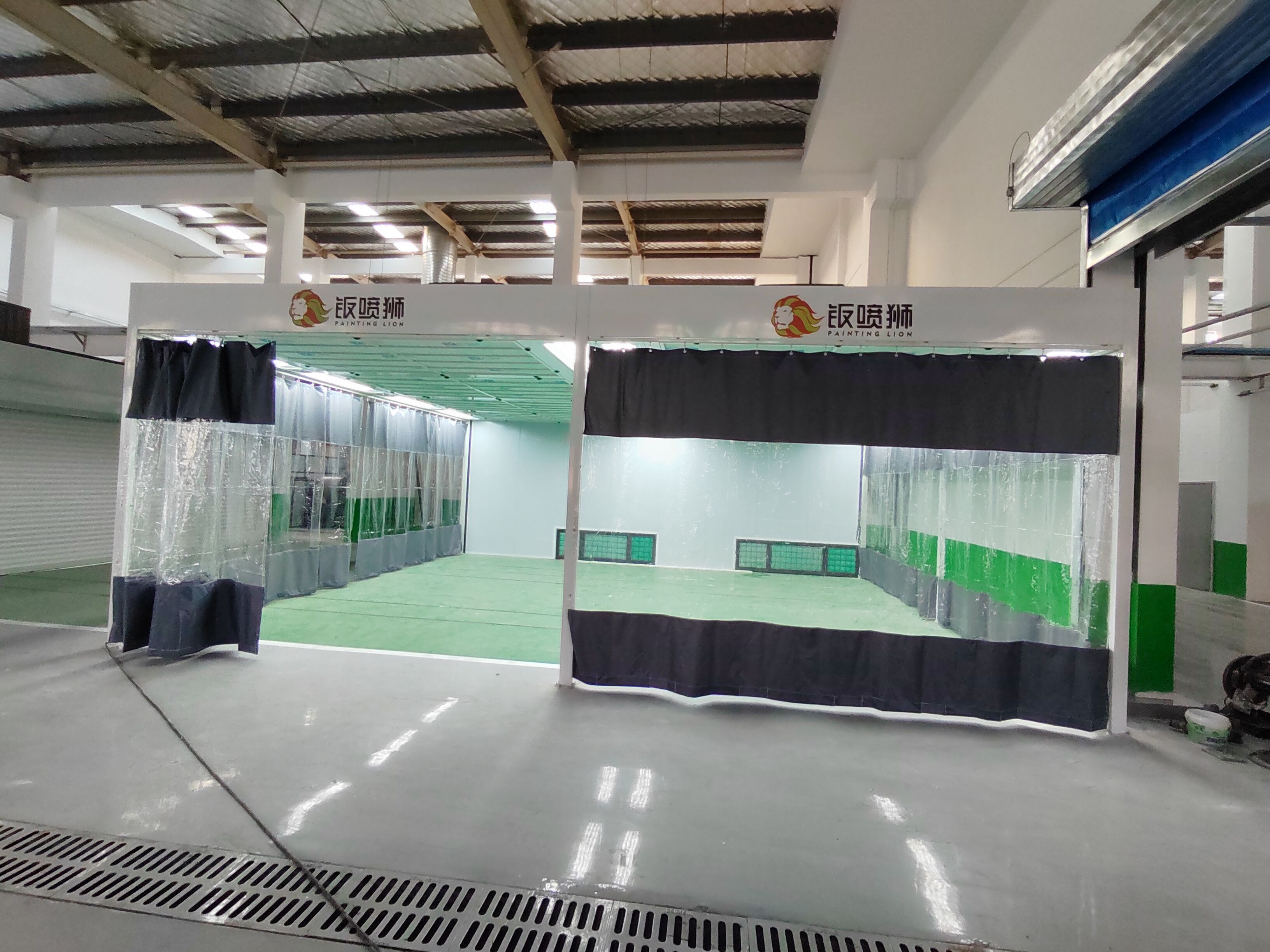
Automaattinen industrial Paint Booth on yksi tuotantolinjan pääomaintensiivisimmistä ja toiminnallisesti kriittisimmistä varoista. Kun se toimii moitteettomasti, se pitää valmistusajat suunnitellussa tahdissa, turvaa tuotteen laadun ja tukee koko tehtaan läpimeno- ja tuotantotavoitteita. Kun se epäonnistuu odottamatta, seuraukset ulottuvat paljon laajemmalle kuin pelkkä maalauskenno — se pysäyttää alapuolisen kokoonpanolinjan, viivästää toimituksia ja aiheuttaa kustannusketjun, jota mikään huoltobudjetti ei ole tarkoitettu kattamaan. Useimpien ennaltaehkäistävissä olevien vikojen keskipisteessä on yksi näennäisen yksinkertainen komponentti: suodatinjärjestelmä.

Suodattimien aikataulutettu vaihto käsitetään usein tavallisena toimenpiteenä — jotain, mitä voidaan siirtää myöhempään ajankohtaan, kun budjetit ovat tiukkoja tai tuotanto on kiireinen. Tämä logiikka kuitenkin kääntää todellisen kustannusyhtälön nurin päin. Todellinen kysymys ei ole siitä, aiheuttaako suodattimien vaihto kustannuksia, vaan siitä, miten tämä suunniteltu kustannus vertautuu hätätilanteen aiheuttamiin suunnittelemattomiin kustannuksiin, joka johtuu industrial Paint Booth ympäristö. Kun tarkastelet koko taloudellista kuvaa, vastaus on yksiselitteinen: ennakoiva huolto on huomattavasti edullisempaa, ja ero näiden kahden skenaarion välillä on laajempi kuin useimmat toimintajohtajat alun perin odottavat.
Hätätilanteen aiheuttaman pysähtymisen todellinen kustannusrakenne
Suorat tuotantotappiot ennakoimattoman pysähtymisen aikana
Kun teollinen maalauskuivauskaappi pysähtyy ilman varoitusta, välitön tappio mitataan työntekijöiden työttömyydellä ja tuotannon pysähtymisellä. Maalausasentajat, materiaalikäsittelijät ja laadunvalvojat ovat kaikki odottamassa, kun vikaa selvitetään. Suuritehoisissa autoteollisuuden tai teollisen valmistuksen ympäristöissä jopa kahden tunnin ennakoimaton pysähtyminen voi tarkoittaa tuhansia dollareita menetettyä tuotantoarvoa. Toisin kuin suunniteltu huoltokatkos, hätäpysähtyminen ei voida suunnitella etukäteen – se poistaa yksinkertaisesti kapasiteetin aikataulusta ilman varoitusta.
Alapuolinen vaikutus vahvistaa suoraa tappiota. Osat odottavat valmistusta ja kertyvät kokoonpanolinjojen eteen. Jos teollinen maalauskabina palvelee juuri-aikatuotantojärjestelmää, pysähtyminen voi pysäyttää lopullisen kokoonpanon muutamassa tunnissa. Nopeutettujen kuljetusten kustannukset, ylityökorvaukset kadonneen tuotannon korjaamiseksi sekä asiakkaiden myötävaikutteiset viivästysmaksut lisäävät kaikki taloudellista vahinkoa. Nämä kustannukset ovat todellisia, mitattavia ja täysin vältettävissä tarkkaan suunnitellulla suodatinhuollolla.
Hätäkorjausten lisämaksut ja varaosien saatavuus
Hätähuolto aiheuttaa merkittävän kustannuslisän suhteessa suunniteltuun huoltoon. Kun suodattimen vika aiheuttaa tuuletinmoottorin ylikuumenemisen, suihkujärjestelmän toimintahäiriön tai poistokaasukammion saastumisen, korjaustyön laajuus kasvaa huomattavasti ylitäen sen, mikä yksinkertainen suodattimen vaihto olisi maksanut. Teknikot, jotka joutuvat työskentelemään kiireessä teollisen maalaustelakan palauttamiseksi käyttöön, kohtaavat usein varaosia, joita ei ole varastossa, mikä vaatii nopeutettuja kuljetuskustannuksia ja voi moninkertaistaa komponentin hinnan useita kertoja.
Palvelutyön hintatasot hätäpuheluissa ovat yleensä korkeammat kuin tavallisissa suunnitelluissa huoltotöissä. Jos vika ilmenee normaalin työajan ulkopuolella – mikä usein tapahtuukin suunnittelemattomien vikojen yhteydessä, koska tuotantosuunnitelmat usein sisältävät pidettyjä työvuoroja – sovelletaan ylimääräisiä työaikapalkkioita jo ilman muuta korotettuun hätäpalveluhintaan. Hätätilanteen aiheuttama kokonaishuoltolasku teollisessa maalikabinessa voi helposti olla viisi–kymmenen kertaa suurempi kuin suodattimen vaihtoon liittyvä kustannus, joka olisi voinut estää vian.
Mitä tukkoiset suodattimet aiheuttavat järjestelmävikojen muodossa
Ilmavirran rajoittuminen ja sen mekaaniset seuraukset
Teollisuuden maalaustelakoiden suodattimet täyttävät kaksinkertaisen tehtävän: ne keräävät ylipurskauksen hiukkasia suojaakseen työntekijöitä ja ympäristöä sekä säilyttävät telakan ilmanvaihtojärjestelmän vaatiman tarkan ilmavirtatasapainon, jotta se toimisi oikein. Kun suodattimet täyttyvät maalihiomajauheesta, niiden vastus ilmavirralle kasvaa. Poistoilmapuhallimen on työskenneltävä kovemmin, jotta se pystyy ylläpitämään suunniteltua ilman nopeutta ruiskutusalueella. Tämä lisääntyvä kuorma nostaa moottorin lämpötilaa, kiihdyttää laakerien kulumista ja lyhentää koko ilmanvaihtojärjestelmän käyttöikää.
Hyvin huolletussa teollisessa maalaustelakassa suodattimet vaihdetaan ennen kuin ne saavuttavat merkittävän vastuksen tason. Huoltoon laiminlyödyssä järjestelmässä tuuletinmoottori saattaa lopulta katketa lämpöylikuormituksen takia tai laakeri saattaa vaurioitua kestävän korotetun kuorman vaikutuksesta. Kumpikaan vikatyyppi ei johtanut telakan täydelliseen pysähtymiseen. Korjaustyö sisältää nyt paitsi suodattimien vaihdon myös moottorin huollon tai vaihdon, laakerien vaihdon ja mahdollisesti ilmanvaihtoputkiston tarkastuksen – toimenpidealue, joka on alkuperäisen suodattimen hinnan suhteen useita kertaluokkia kalliimpi.
Pintalaadun heikkeneminen ennen vian sattumista
Ennen kuin tukos suodattimessa aiheuttaa mekaanisen vian teollisessa maalaustelakassa, se aiheuttaa laatuongelman. Ilmavirtauksen rajoittuminen häiritsee laminaarista ilmaliikettä, joka kuljettaa ylihajottuneen maalin pois työpinnan alueelta. Turbulenssi kasvaa, ja maalihiukkaset, jotka pitäisi poistaa, laskeutuvatkin takaisin juuri maalattuihin osiin. Tuloksena ovat pinnan virheet – saastuminen, appelsiinikuorimuotoisuus tai epätasainen pinnoitteen paksuus – jotka vaativat uudelleenpuhdistusta tai hylkäystä.
Uudelleenpuhdistus viimeistelyympäristössä on kallista. Se kuluttaa lisämäärän maalia, lisää työvoiman käyttöä ja lisää telakan kapasiteettia. Teollisessa maalaustelakassa, joka palvelee monimuotoista tuotantoympäristöä, uudelleenpuhdistus voi kuluttaa epäsuhtaisen suuren osan saatavilla olevasta viimeistelykapasiteetista, mikä luo pullonkaulan, joka vaikuttaa koko tuotantoaikatauluun. Uudelleenpuhdistukseen liittyvät kustannukset, jotka johtuvat heikentyneestä suodattimen suorituskyvystä, harvoin kirjataan takaisin suodattimeen, mutta ne ovat todellisia ja merkittäviä taloudellisia seurauksia huoltotoimenpiteiden viivästymisestä.
Suunnitellun suodattimen vaihto-ohjelman taloudellisuus
Ennakoidut kustannukset vastaan muuttuvat hätäkustannukset
Teollisen maalikabinen suunniteltu suodattimen vaihto-ohjelma muuttaa ennakoimattoman kustannuksen ennakoitavaksi. Suodattimet vaihdetaan määritellyn aikavälin välein — tuotantomäärän, pinnoitteen tyypin ja valmistajan ohjeiden perusteella — ennen kuin ne aiheuttavat ilmavirtarajoituksen tai laatuongelmia. Jokaisen vaihtotapahtuman kustannus on kiinteä ja tiedossa etukäteen. Sitä voidaan budjetoida, suunnitella ja toteuttaa aikataulutettujen huoltotaukojen aikana siten, että tuotannon häiriöminimoidaan.
Päinvastoin hätäkäyttökatkokset ovat muuttuvaa ja hallitsematonta kustannusta. Ne tulevat ilman varoitusta pahimmassa mahdollisessa ajassa, ja niiden kustannuskerroin heijastaa tilanteen kiireellisyyttä. Kun toimintatiimit vertaavat säännöllisen suodatinohjelman vuosittaisia kustannuksia odotettuihin kustannuksiin, jotka aiheutuisivat jopa yhdestä hätäkäyttökatkoksesta vuodessa, säännöllinen ohjelma on lähes aina edullisempi vaihtoehto – usein kolme–viisi kertaa tai jopa enemmän riippuen tuotantoympäristöstä ja vian vakavuudesta.
Laajennettu laitteiston käyttöikä taloudellisena hyötyinä
Säännöllinen suodattimien huolto pidentää teollisen maalaustelakan tärkeimpien mekaanisten komponenttien käyttöikää. Tuulimoen moottorit, kuljettimet, laakerit ja poistoputkiston laajentumakammiot kestävät pidempään, kun ne toimivat suunniteltujen ilmavirtaparametrien puitteissa. Teollisen maalaustelakan pääomakustannus on merkittävä, ja sen käyttöiän maksimoiminen säännöllisellä ennaltaehkäisevällä huollolla tuottaa mitattavan tuoton tähän investointiin.
Kun suodattimien vaihtoa lykätään, mekaanisten komponenttien kiihtynyt kulumisaste lyhentää niiden vaihtokierrosta. Tuulimoen moottori, joka saattaisi kestää kymmenen vuotta asianmukaisen huollon olosuhteissa, saattaa epäonnistua viidessä vuodessa jatkuvan suodattimien huollon laiminlyönnin seurauksena. Tämän aikaisemman vaihdon kustannukset — mukaan lukien osat, työvoima ja korjausten aiheuttama pysähtyminen — edustavat suoraa taloudellista rangaistusta lykätyn huollon päätöksestä. Suodattimien aikataulutettu vaihto on tässä mielessä investointi koko teollisen maalaustelakan järjestelmän kestävyyteen.
Suodattimien huollon toiminnalliset ja noudattamisulottuvuudet
Sääntelyvaatimusten noudattaminen ja ympäristövastuu
Teollinen maalaustelakka toimii ympäristö- ja turvallisuusmääräysten alaisena, jotka koskevat maalin hienojakoisen suihkun ja haihtuvien orgaanisten yhdisteiden keräämistä ja poistamista. Suodatinjärjestelmät ovat keskeinen noudattamismekanismi. Kun suodattimet tulevat ylikuormitetuiksi tai niiden kautta tapahtuu ohitus huollon laiminlyönnin vuoksi, telakka saattaa ylittää sallitut päästötasot, mikä aiheuttaa sääntelyyn liittyvää altistumista ja sen mukana omia taloudellisia seurauksia – mukaan lukien sakot, pakolliset pysäytysajat ja korjauskustannukset.
Sääntelyviranomaisten tarkastukset teollisessa maalaustelakassa sisältävät yleensä suodattimien huoltotietojen tarkistamisen. Laitokset, jotka voivat osoittaa johdonmukaisen ja dokumentoidun suodattimien vaihto-ohjelman, ovat vahvemmassa noudattamisasennossa kuin laitokset, jotka eivät pysty tähän. Tapauksessa tai valituksessa huoltotiedot ovat keskeinen osa laitoksen puolustusta. Aikataulutettu ohjelma tuottaa tämän dokumentoinnin automaattisesti, kun taas reagoiva lähestymistapa jättää aukkoja, joita sääntelyviranomaiset ja vakuuttajat saattavat pitää epäsuotuisina.
Työntekijöiden turvallisuus ja vakuutusvaikutukset
Sopiva suodatus teollisessa maalaustelakassa suojaa työntekijöitä maalipartikkelien ja liuotinhöyryjen vaikutuksilta. Kun suodattimet ovat ylikuormitettuja, telakan kyky ylläpitää turvallista ilmanlaatua spray-alueella heikkenee. Tämä aiheuttaa ammattiterveydellisiä riskejä viimeistelytekniikoille ja mahdollisia vastuullisuusriskejä laitokselle. Työntekijöiden vakuutuskorvaushakemukset, OSHA:n varoitusmerkintä ja korkeammat vakuutusmaksut ovat kaikki taloudellisia seurauksia, jotka voivat johtua riittämättömästä suodattimien huollosta.
Vakuutusyhtiöt, jotka vakuuttavat teollisia valmistustiloja, tarkistavat yhä tiukemmin ennaltaehkäisevän huollon käytäntöjä osana vakuutusprosessiaan. Tila, joka pystyy osoittamaan järjestelmällisen huoltosuunnitelman teolliselle maalikabinaatilleen — mukaan lukien dokumentoidut suodattimien vaihtovälit — saattaa olla oikeutettu edullisempaan vakuutusmaksukäsittelyyn kuin tila, joka ei pysty tähän. Suodattimien huollon vakuutusnäkökohta on harvoin keskustelun aiheena, mutta se edustaa todellista taloudellista tekijää kokonaiskustannusten vertailussa.
UKK
Kuinka usein suodattimet tulisi vaihtaa teollisessa maalikabinaatissa?
Vaihtovälit riippuvat tuotantomäärästä, käytettävästä pinnoitustyypistä ja käytössä olevasta suodatinmateriaalista. Monet teollisuuden maalaustelakan käyttäjät käyttävät vaihtoaikaan perustuvaa aikataulua ja paine-eron seurantaa sen määrittämiseen, milloin suodattimet on vaihdettava. Telakan valmistajan ohjeiden noudattaminen ja suodattimien todellisen kuormituksen seuraaminen omien tuotanto-olosuhteiden puitteissa antavat tarkimman vaihtoaikataulun teidän ympäristöönne.
Mitkä ovat varoitusmerkit siitä, että teollisuuden maalaustelakan suodattimet vaativat välitöntä huomiota?
Yleisiä indikaattoreita ovat ilman nopeuden selvä väheneminen suihkutusalueella, lisääntynyt ylisuihkutus, joka laskeutuu valmiisiin osiin, tuulimotorin lämpötilan nousu, epätavallista melua poistoilmanjärjestelmästä sekä paine-erojen mittausarvot, jotka ylittävät suodattimen valmistajan suosittelemat enimmäisarvot. Mikä tahansa näistä oireista teollisessa maalaustelakassa vaatii välitöntä suodattimen tarkastusta ja vaihtoa eikä jatkuvaa käyttöä.
Voiko viivästetty suodattimen vaihto mitätöidä teollisen maalaustelakan takuun?
Monet teollisuuden maalaustelakan valmistajat sisällyttävät huoltovaatimukset takuuehtoihinsa. Suositeltujen suodattimien vaihtovälien noudattamatta jättäminen voi olla peruste takuuklaimien hylkäämiselle, jotka liittyvät esimerkiksi tuuletinmoottorien vioittumiseen, poistojärjestelmän vaurioitumiseen tai muihin mekaanisiin ongelmiin, joita aiheutuu ilmavirran rajoittumisesta. Takuudokumentaation tarkastaminen omalle telakalle ja suodattimien vaihtoja koskevien tallennusten pitäminen on turvallisimpia tapoja suojata takuukattavuutta.
Onko kannattavaa investoida korkealaatuisempiin suodattimiin teollisuuden maalaustelakkaan?
Korkeampitehollisemmat suodatinmateriaalit tarjoavat yleensä parempaa hiukkasten kiinni pitämistä, pidempiä huoltovälejä ja tasaisempaa ilmavirtausominaisuutta suodattimen koko elinkaaren ajan. Teollisessa maalaustelakassa, jossa käsitellään hienojakoisia metallipohjaisia tai korkeapitoisia kiinteitä aineita sisältäviä pinnoitteita, premium-suodatinmateriaalit voivat vähentää uudelleenpuhdistustarvetta ja pidentää vaihtoväliä. Korkealaatuisten suodattimien lisäkustannus on yleensä pieni verrattuna niiden tuomaan työvoima- ja käyttökatkokustannusten säästöön, mikä tekee niistä perustellun investoinnin useimmille tuotantoympäristöille.
Sisällysluettelo
- Hätätilanteen aiheuttaman pysähtymisen todellinen kustannusrakenne
- Mitä tukkoiset suodattimet aiheuttavat järjestelmävikojen muodossa
- Suunnitellun suodattimen vaihto-ohjelman taloudellisuus
- Suodattimien huollon toiminnalliset ja noudattamisulottuvuudet
-
UKK
- Kuinka usein suodattimet tulisi vaihtaa teollisessa maalikabinaatissa?
- Mitkä ovat varoitusmerkit siitä, että teollisuuden maalaustelakan suodattimet vaativat välitöntä huomiota?
- Voiko viivästetty suodattimen vaihto mitätöidä teollisen maalaustelakan takuun?
- Onko kannattavaa investoida korkealaatuisempiin suodattimiin teollisuuden maalaustelakkaan?