Paras ilmanlaatujohto
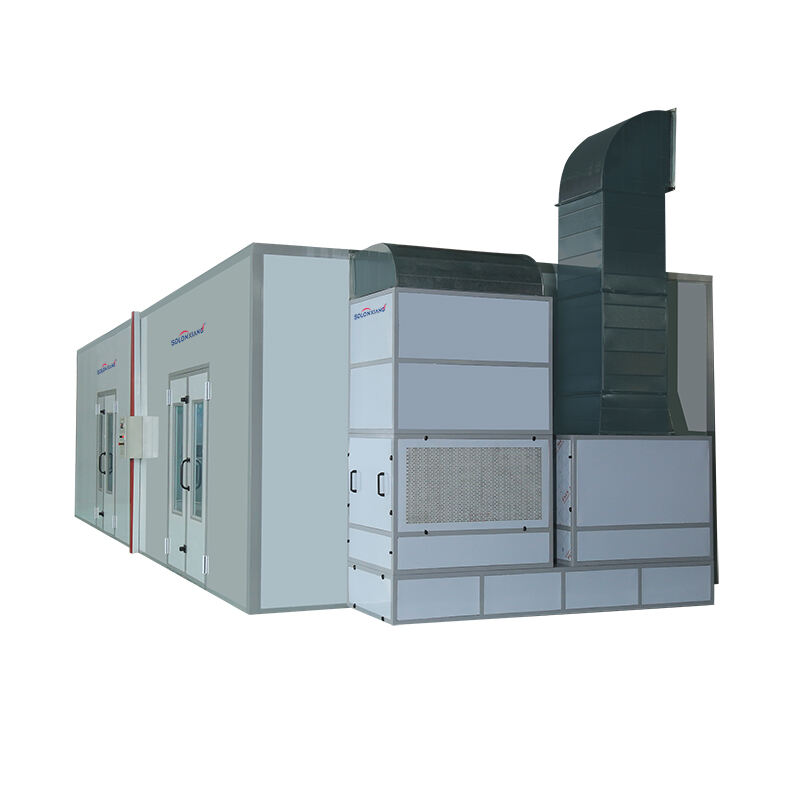
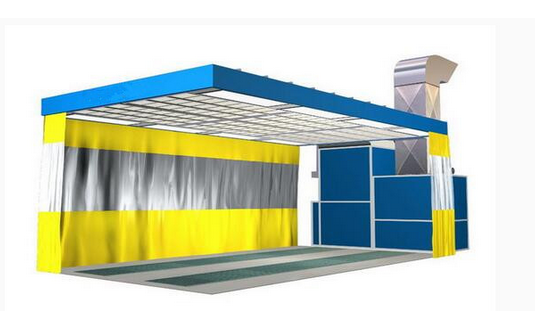
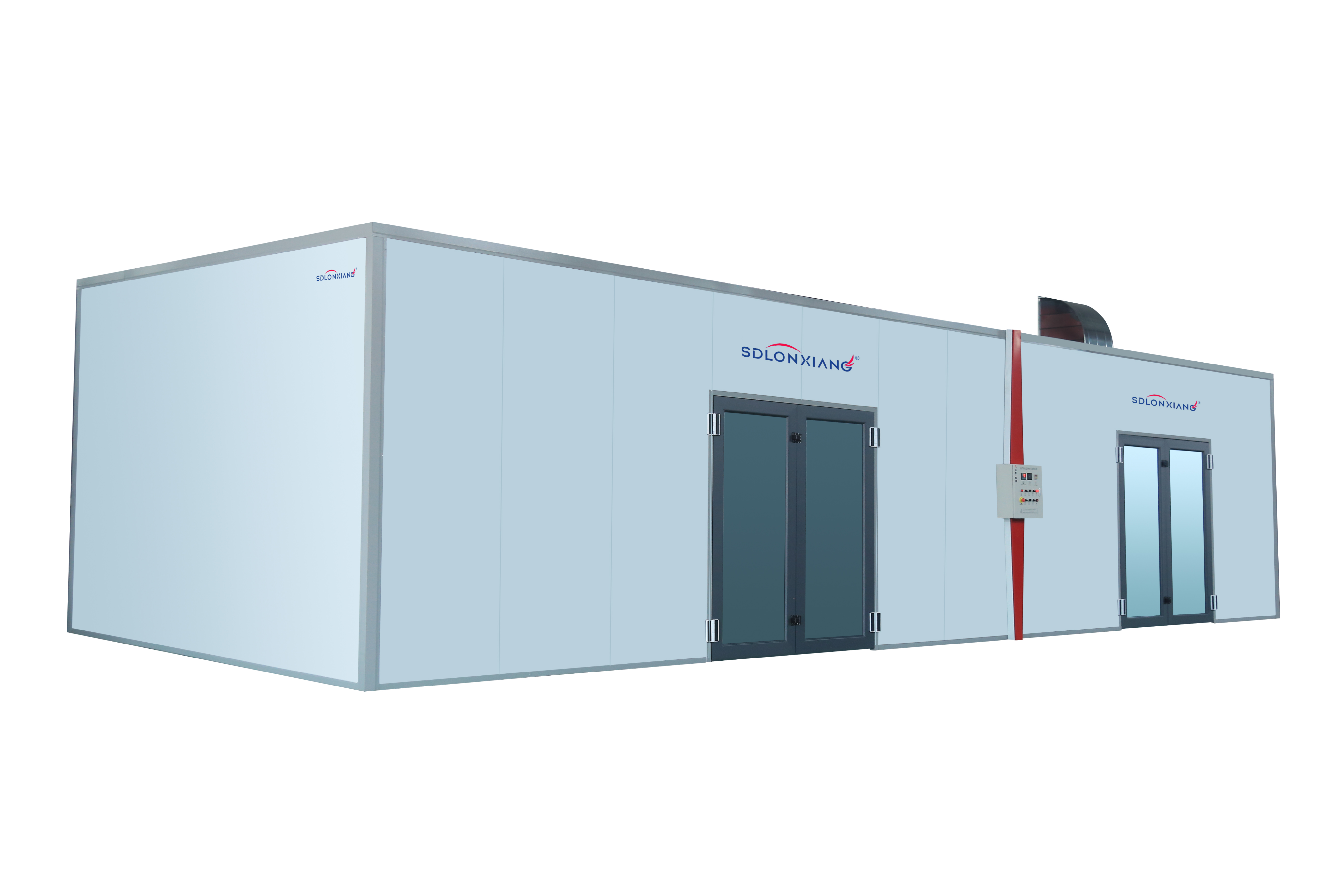
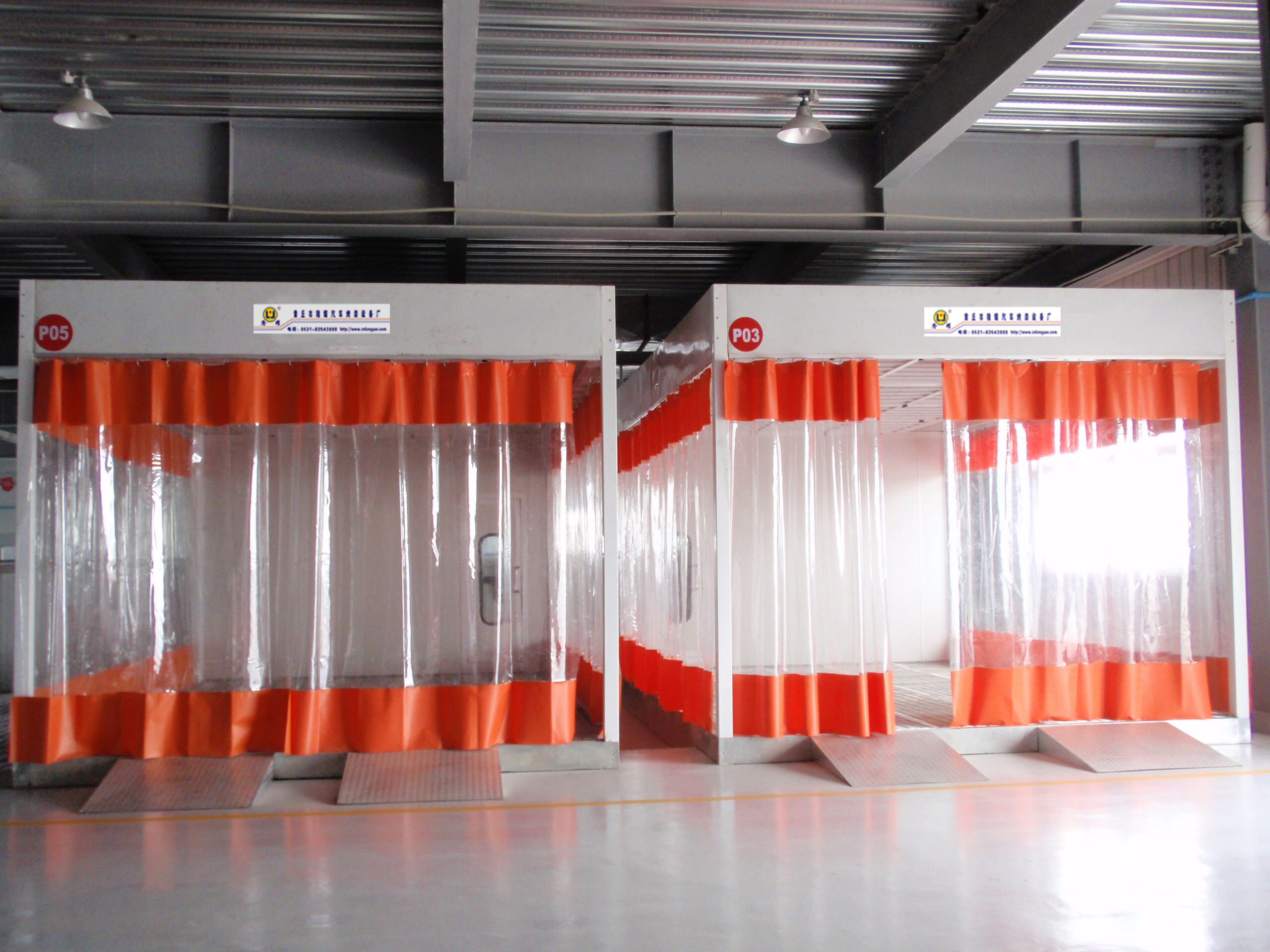
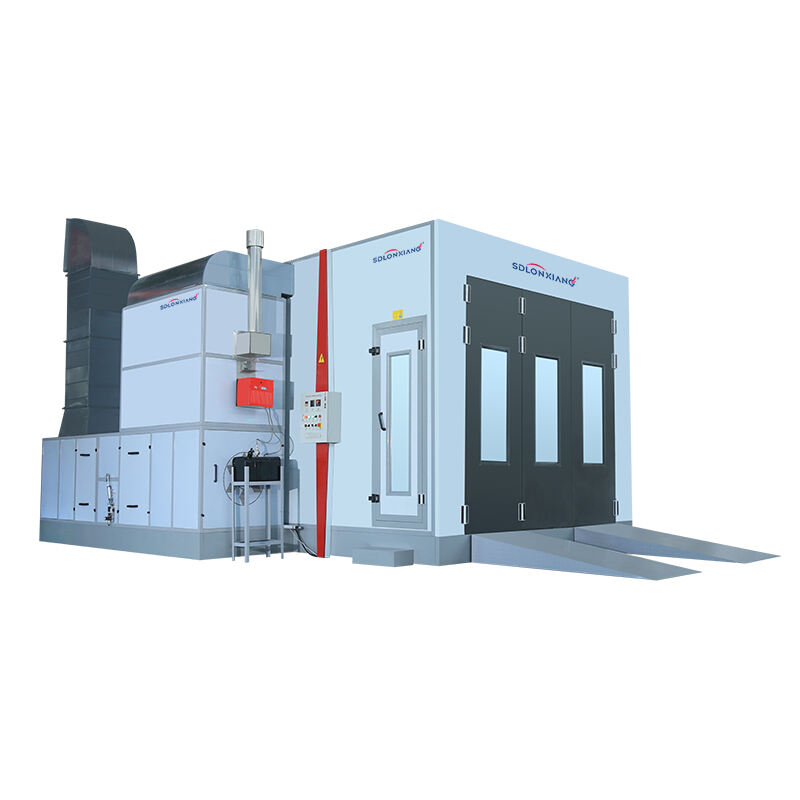
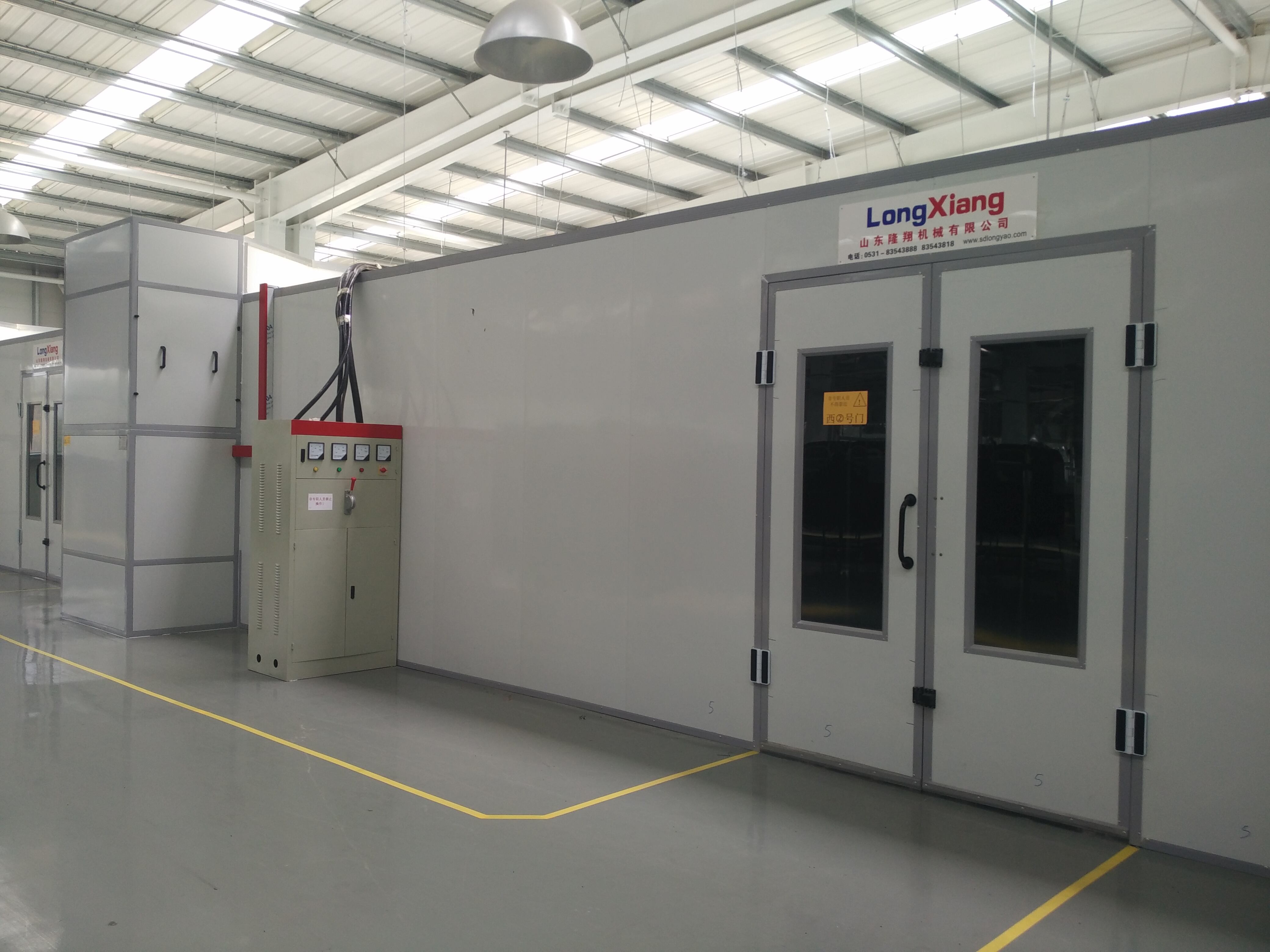
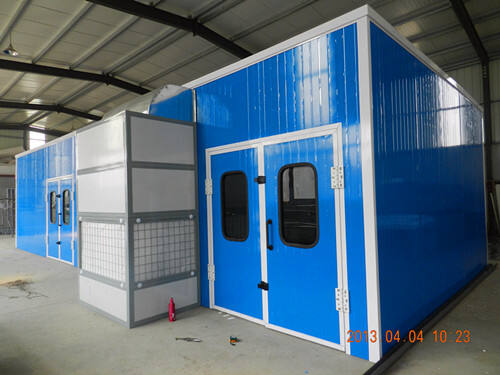
Suutumokkien lämmöntalteenottolaite erottuu poikkeuksellisten ilmanlaatustandardien ylläpitämisessä samalla kun se talentaa arvokasta lämpöenergiaa, ratkaisemalla keskeisen haasteen saada puhtaata, lämpötilaltaan ohjattua ilmaa tarkkuuspinnoitusprosesseihin. Tämä edistynyt järjestelmä sisältää monivaiheisen suodatukseen ja saastumisen estämiseen perustuvat mekanismit, jotka varmistavat tuoreen sisäänvirtaavan ilman pysyvän täysin puhdasta samalla kun lämmön talteenotto tapahtuu tehokkaasti. Rakenne estää kaiken ristisaastumisen poisto- ja syöttöilmavirtojen välillä kehittyneiden tiivistysjärjestelmien ja paine-erojen avulla, jotka säilyttävät täydellisen erottamisen koko lämmönsiirtoprosessin ajan. Suutumokkien lämmöntalteenottolaitteessa on erityiset suodatinjärjestelmät, jotka sijaitsevat strategisesti sieppaamaan hiukkaset, hajusuutteen ja kemialliset höyryt ennen kuin ne voivat heikentää lämmönsiirto-pintoja tai saastuttaa sisään tulevaa ilmaa. Nämä suodatusjärjestelmät sisältävät esisuotimet suurille hiukkasille, välisuotimet hienojakoisille hiukkasille sekä aktiivihiilivaiheet kemiallisten höyryjen hallintaan, luoden useita esteitä saastumiselle. Järjestelmä ylläpitää positiivista painetta syöttöilman kanavissa samalla kun se luo negatiivisen paineen poistoilmakanaviin, mikä varmistaa, että mahdollinen vuoto virtaa pois puhtaasta ilmasta eikä sen sisään. Edistykselliset tiivistysteknologiat, joissa käytetään korkean lämpötilan tiivisteitä ja tarkasti koneistettuja pintoja, estävät ilman sekoittumisen samalla kun sallivat tehokkaan lämmönsiirron johtumalla ja konvektiolla. Suutumokkien lämmöntalteenottolaite sisältää automaattiset suodinten valvontajärjestelmät, jotka varoittavat käyttäjiä vaihdon tarpeesta, ja näin ylläpitää johdonmukaista ilmanlaatua odottamattoman suorituskyvyn heikkenemisen sijaan. Järjestelmään sisällytetty säännöllinen puhdistussykli auttaa ylläpitämään puhtaita lämmönsiirto-pintoja kääntämällä ilmavirran suuntaa ajallisesti kerääntyneiden hiukkasten irrottamiseksi. Ilmanlaadun hallinta ulottuu perussuodatuksesta yli kosteuden säätöominaisuuksiin, jotka estävät kondensoitumisen lämmöntalteenottoytimässä, poistaen mahdolliset kosteuteen liittyvät saastumisongelmat. Lämpötila-anturit, jotka sijaitsevat järjestelmän eri kohdissa, varmistavat, että lämmitetty syöttöilma pysyy optimaalisella alueella maalin levitystä varten samalla kun estetään ylikuumeneminen, joka voisi vaikuttaa pinnoitteen laatuun. Suutumokkien lämmöntalteenottolaite tarjoaa johdonmukaista ilmanlaatua riippumatta ulkoisista olosuhteista, vuodenaikojen vaihteluista tai vaihtelevista tuotantoaikatauluista, tarjoten luotettavaa suorituskykyä, johon ammattimaiset maalarit voivat luottaa tärkeissä viimeistelytoiminnoissa.

 EN
EN