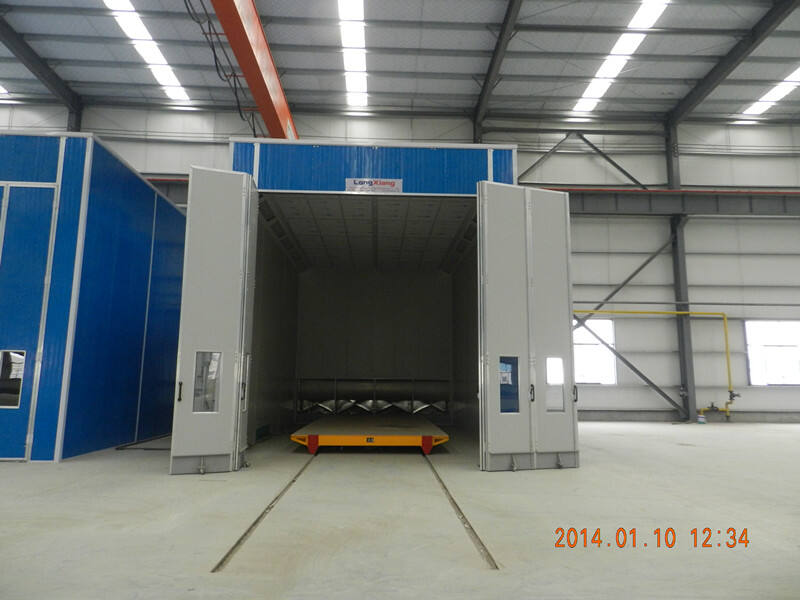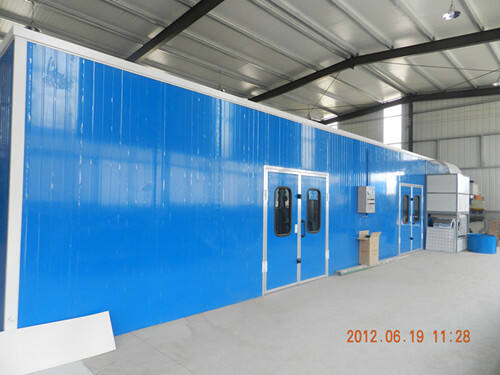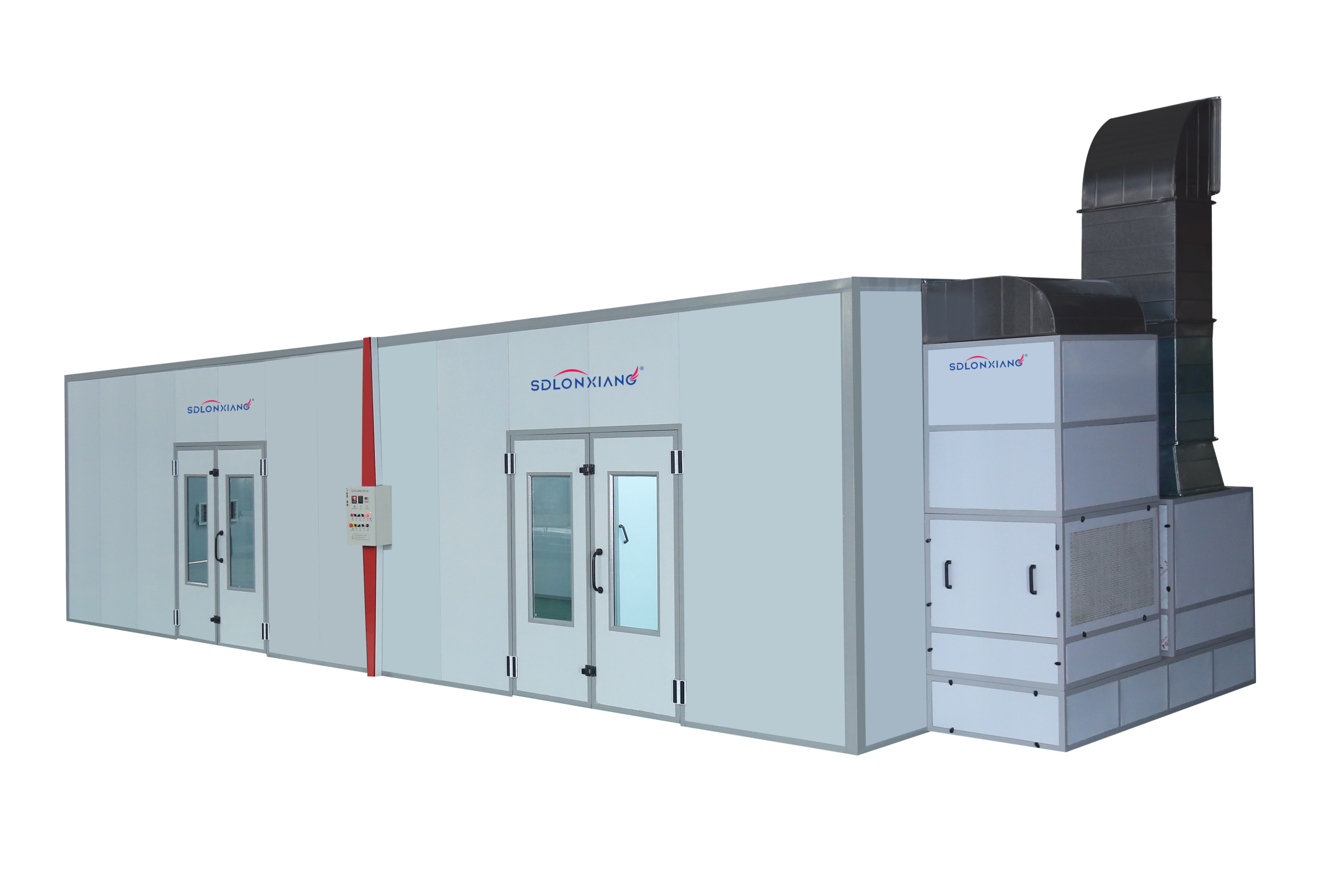
paint booth parts
Paint booth parts represent the essential components that transform industrial painting operations into precise, efficient, and environmentally controlled processes. These sophisticated systems consist of numerous interconnected elements designed to create optimal conditions for applying various coatings while maintaining superior quality standards. The primary function of paint booth parts centers on establishing controlled environments where temperature, humidity, airflow, and contamination levels remain consistently managed throughout the painting process. Modern paint booth parts incorporate advanced filtration systems that remove particles and contaminants from both intake and exhaust air streams, ensuring flawless finish quality. The technological features embedded within contemporary paint booth parts include programmable temperature controllers, variable speed fans, sophisticated lighting systems, and automated spray equipment that work harmoniously to deliver consistent results. These components utilize cutting-edge materials and engineering principles to withstand harsh chemical environments while maintaining peak performance over extended operational periods. Industrial applications for paint booth parts span diverse sectors including automotive manufacturing, aerospace production, furniture finishing, marine vessel coating, and general industrial equipment painting. The versatility of these systems allows customization for specific coating requirements, whether dealing with water-based paints, solvent-based finishes, powder coatings, or specialized protective coatings. Paint booth parts also incorporate safety mechanisms such as fire suppression systems, explosion-proof electrical components, and emergency shutdown procedures to protect operators and facilities. The integration of digital monitoring systems within paint booth parts enables real-time performance tracking, predictive maintenance scheduling, and quality control verification. These technological advancements ensure optimal resource utilization while minimizing waste and reducing environmental impact through efficient solvent recovery and emission control systems.